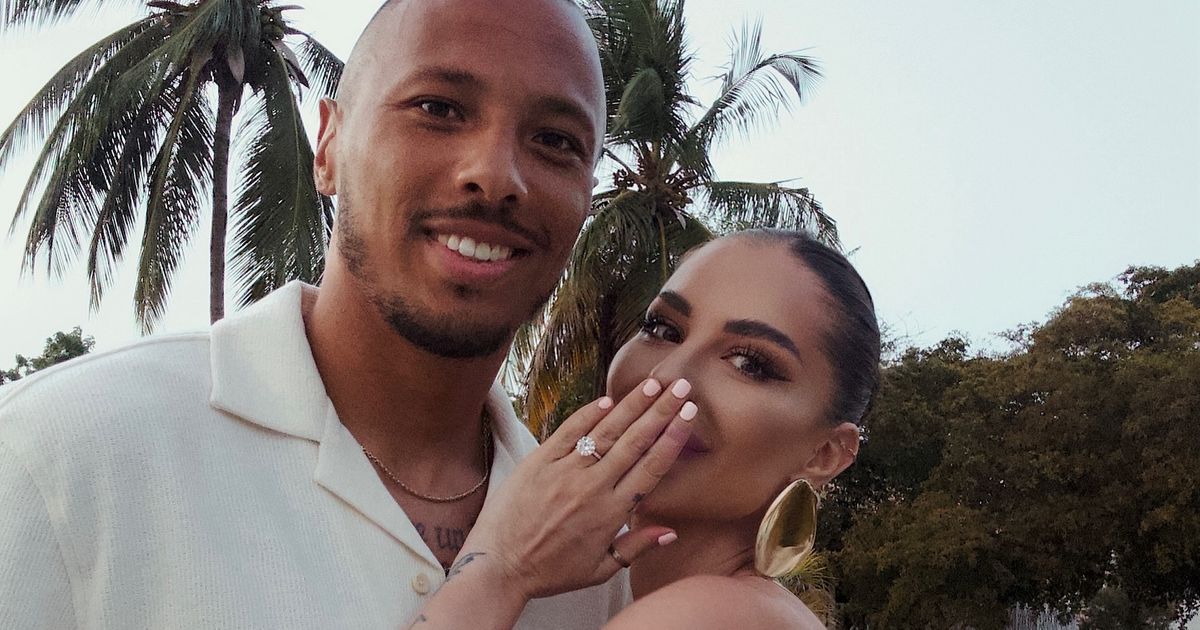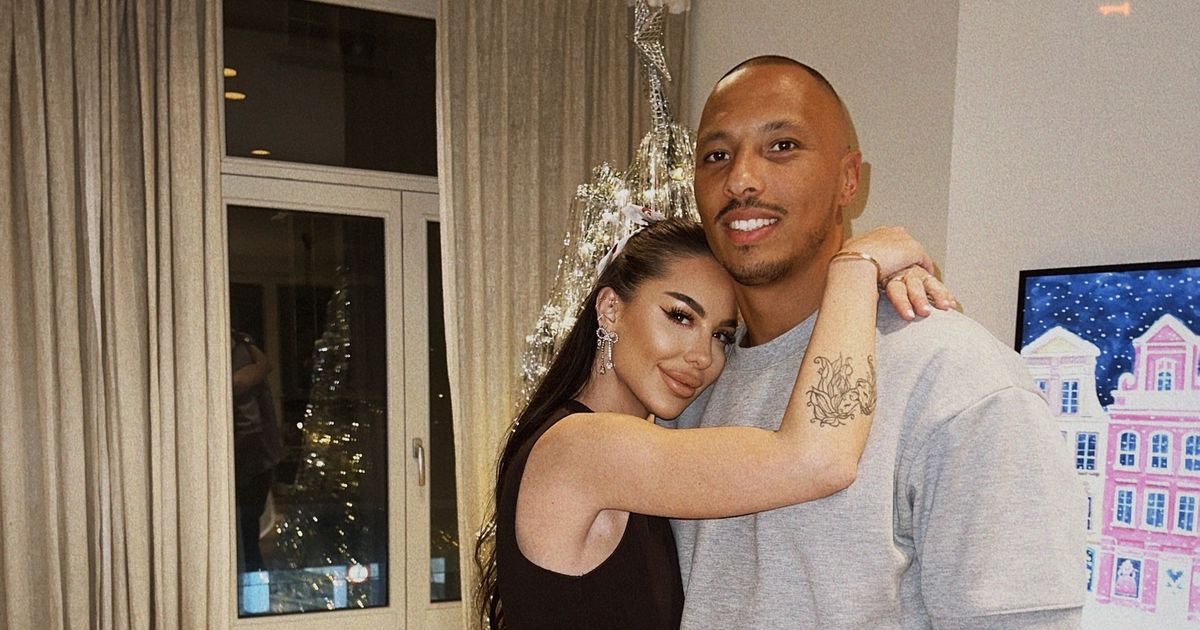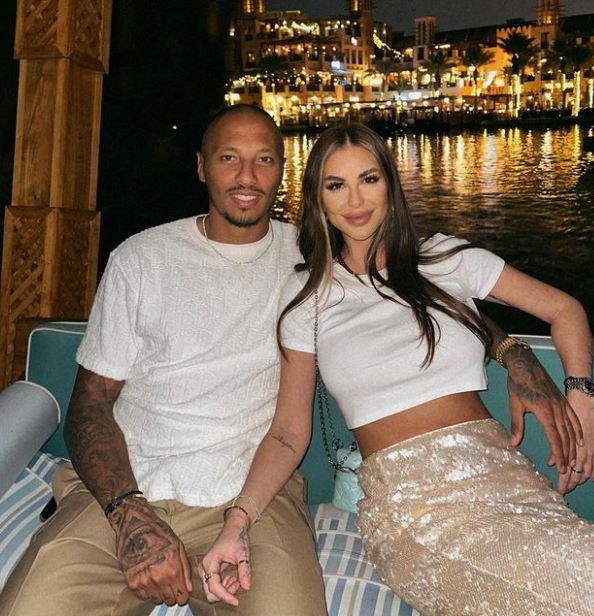


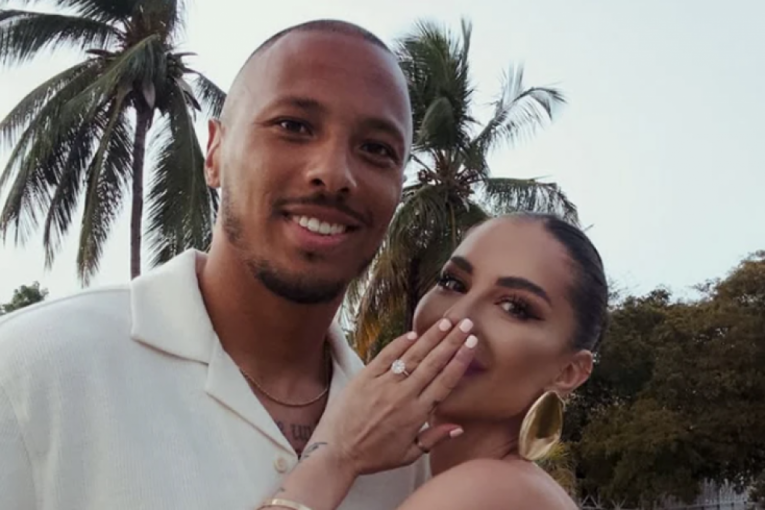
Blogger and influencer Zorana Jovanović, known as Zorannah, has married professional goalkeeper Eloy Rum in a small, intimate ceremony held in the United States. Both opposition and pro-government-leaning outlets agree that the wedding was organized in secrecy and attended only by close friends and family, with limited details intentionally shared with the public. They concur that the bride chose an unconventional outfit for the wedding, wearing a white blazer and knee-high boots instead of a traditional gown, while the groom wore a casual jacket and T-shirt combination. Coverage also consistently notes that the couple first met through a dating app, had an intense and fast-developing relationship that included him sharing keys and financial access early on, and that they now live together abroad, with Rum playing for Columbus Crew and having roots in the Netherlands and Curaçao, as well as a daughter from a previous relationship.
Across both media camps, the marriage is positioned within the broader context of influencer culture, cross-border lifestyles, and the trend of Serbian public figures forming relationships with athletes based abroad. Outlets on both sides emphasize Zorannah’s long-standing online presence and her ability to monetize personal life events, noting her history of public discussions about cosmetic surgery and body image, including her breast implants, which she has openly debated in relation to her husband’s preferences and her own changing views. They align in portraying the wedding as part of a pattern where private ceremonies are selectively curated for social networks, illustrating how influencers manage publicity while claiming privacy. Both opposition and pro-government sources also agree that the secrecy around the event reflects a desire to avoid domestic tabloid frenzy while capitalizing on international glamour and the symbolism of an American venue, rather than presenting it as a politically charged or socially disruptive event.
Areas of disagreement
Framing of the secrecy. Opposition-aligned outlets tend to present the secrecy of the US wedding as an example of performative privacy, implying that the “secret” label is a marketing tool designed to generate clicks and sustain Zorannah’s brand. They often question whether details were genuinely leaked or strategically released, and may hint at a calculated attempt to escape domestic scrutiny while still reaping media attention. Pro-government outlets, by contrast, generally frame the secrecy as a romantic, protective gesture toward family intimacy, emphasizing modesty and closeness rather than media manipulation.
Tone toward influencer lifestyle. Opposition coverage is more likely to underscore the material and transactional aspects of the relationship, foregrounding stories about keys, credit cards, and cosmetic surgery preferences as symbols of a hyper-commercialized influencer world. Such outlets may subtly critique the values this lifestyle promotes, suggesting it reflects a broader culture of conspicuous consumption detached from everyday Serbian realities. Pro-government outlets tend to portray the same facts in a celebratory, aspirational tone, presenting the couple’s cross-border life, financial comfort, and unconventional choices as evidence of success, modernity, and Serbia’s connection to global celebrity culture.
Moral and social subtext. Opposition media are more inclined to read the story through a critical social lens, highlighting the normalization of surgically enhanced beauty standards and transactional dynamics in relationships as problematic for young audiences. They may question the message sent by emphasizing the husband’s preferences over the influencer’s long-term well-being and point to this as part of a broader media environment that commodifies women’s bodies. Pro-government outlets usually sidestep such critique, framing Zorannah’s cosmetic choices as personal autonomy and focusing instead on her happiness, self-confidence, and the couple’s apparent mutual devotion.
Political and symbolic readings. Opposition-aligned sources are more apt to interpret the American setting and international football context as indicative of local elites and influencers distancing themselves from domestic conditions, using foreign marriages and residencies as symbolic exits from Serbia. They might contrast this glamorous narrative with socio-economic challenges at home, implying a media diversion from more pressing issues. Pro-government outlets rarely invoke such contrasts, instead using the international dimension to highlight Serbia’s perceived global integration and to reinforce a narrative that Serbians can thrive abroad without necessarily suggesting domestic shortcomings.
In summary, opposition coverage tends to cast the wedding as a carefully staged, commercially driven event that reflects questionable social values and a desire to escape local realities, while pro-government coverage tends to present it as a heartwarming, aspirational love story that showcases personal freedom, modern lifestyles, and Serbia’s easy connection to the wider world.
Story coverage