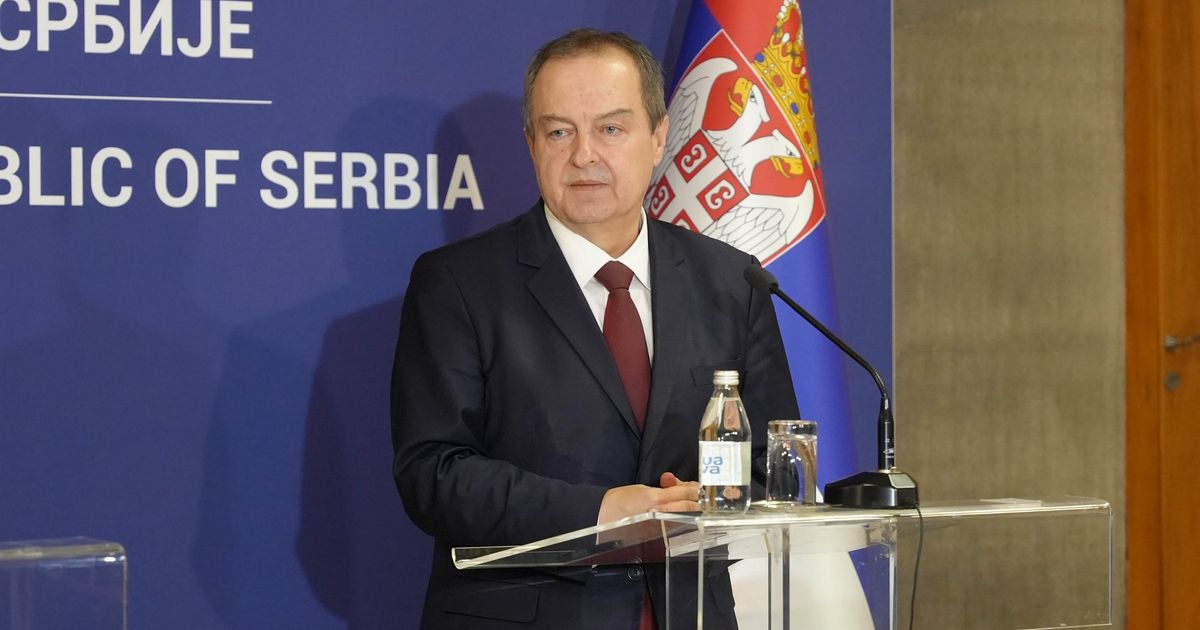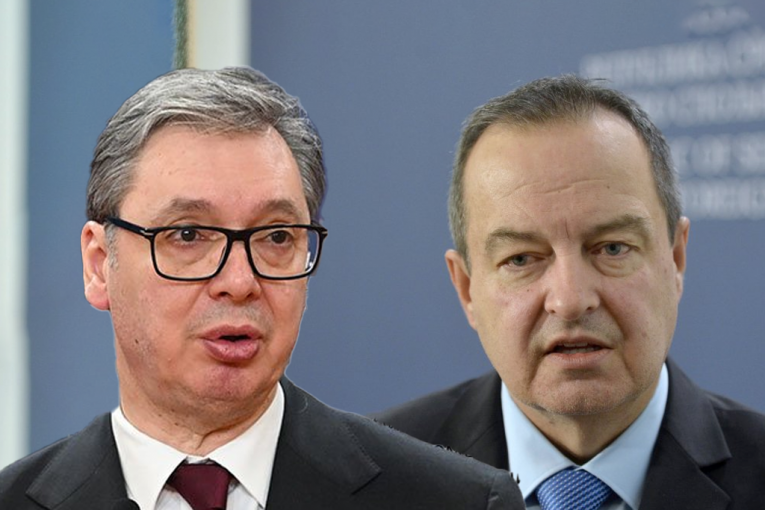






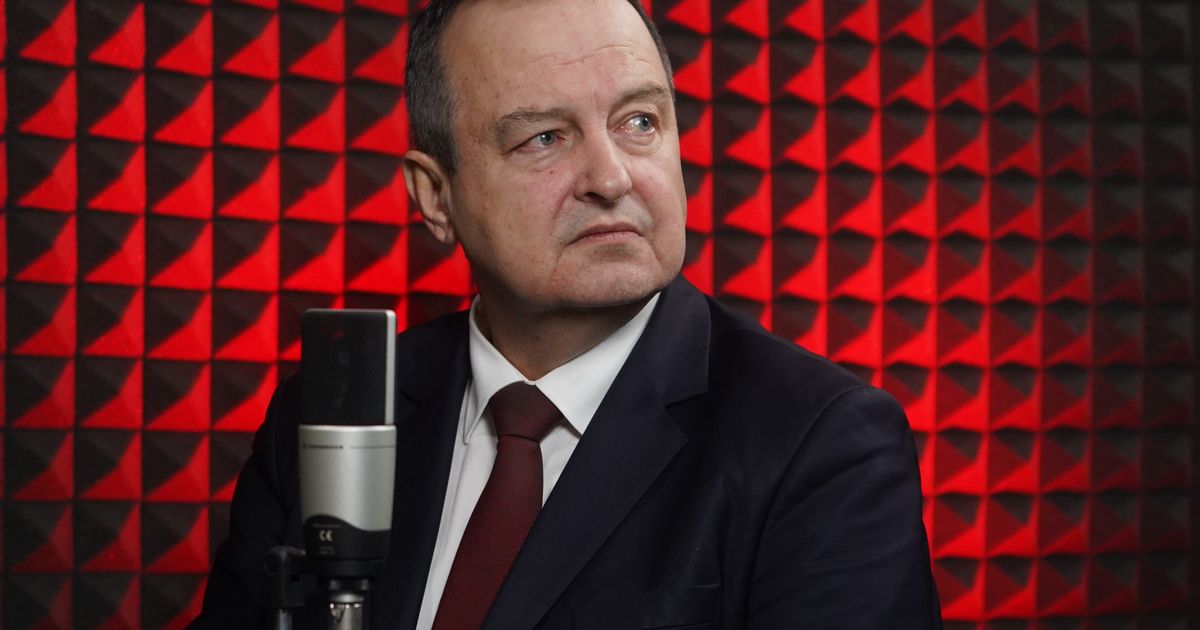
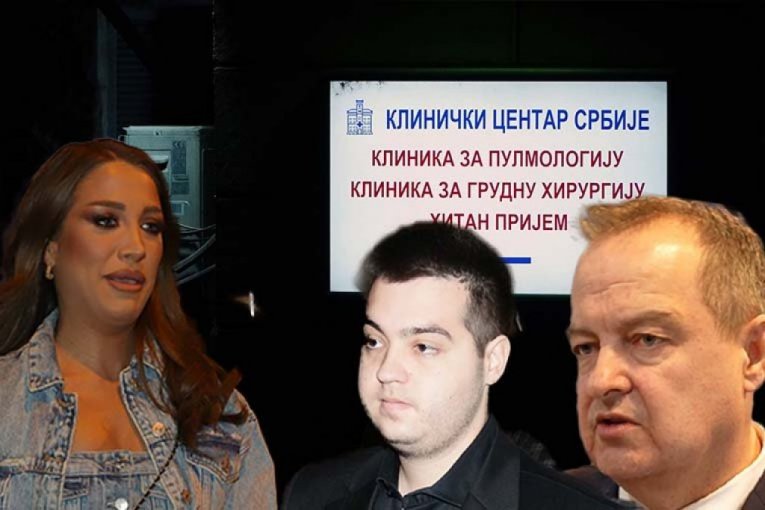
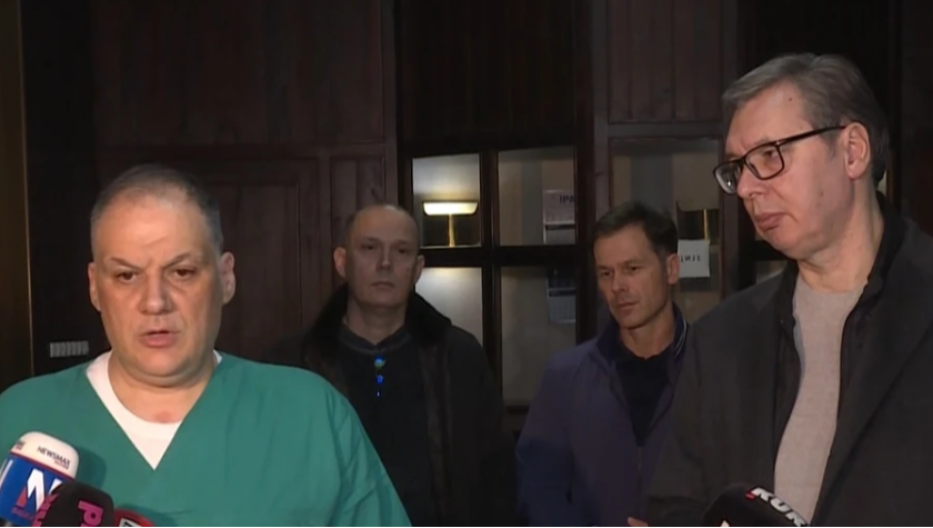
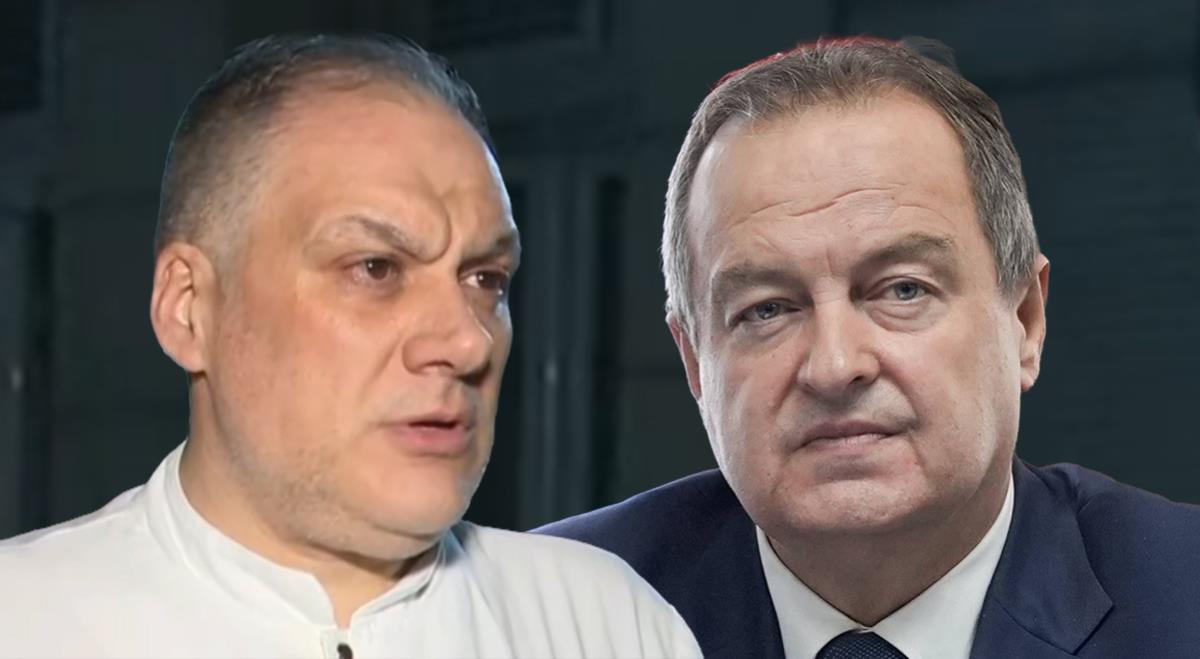
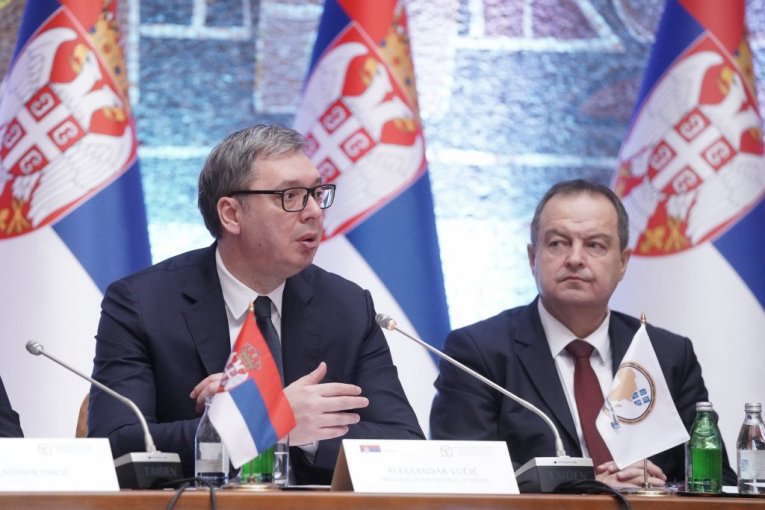
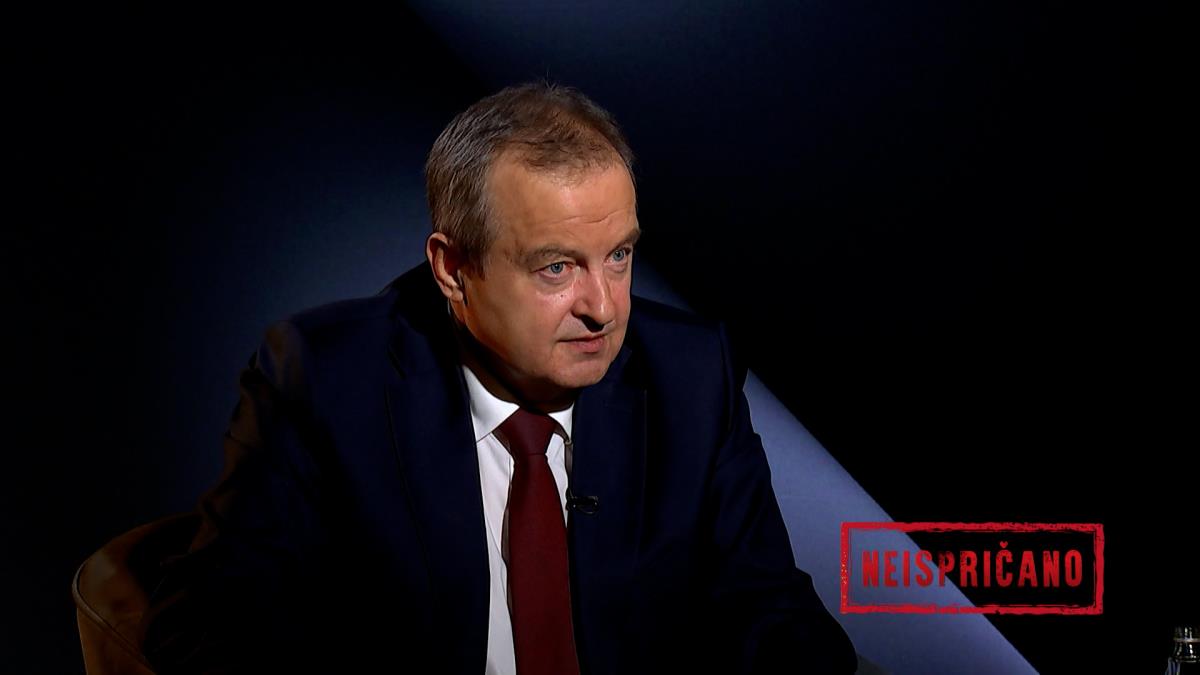
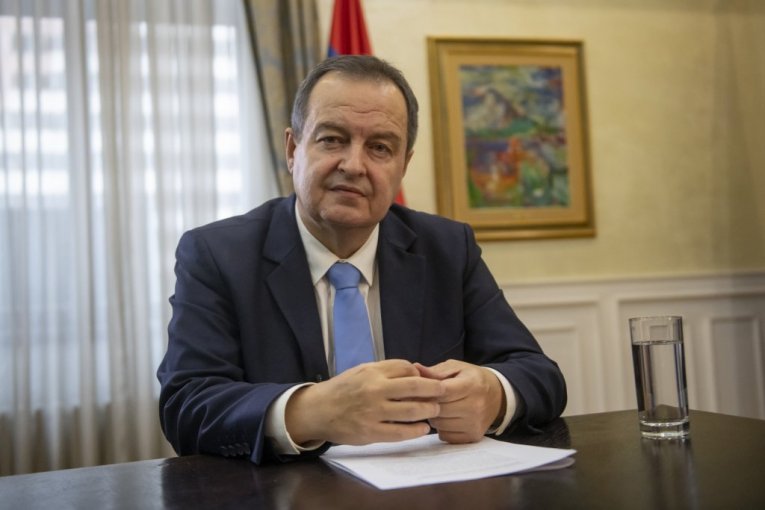
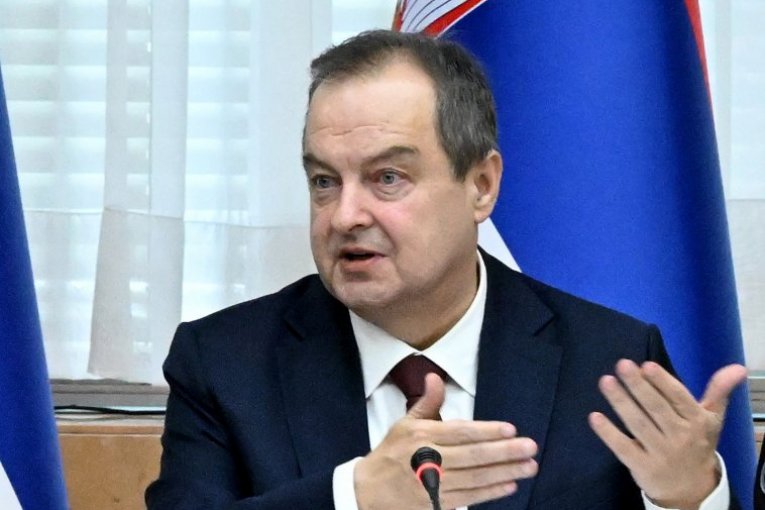
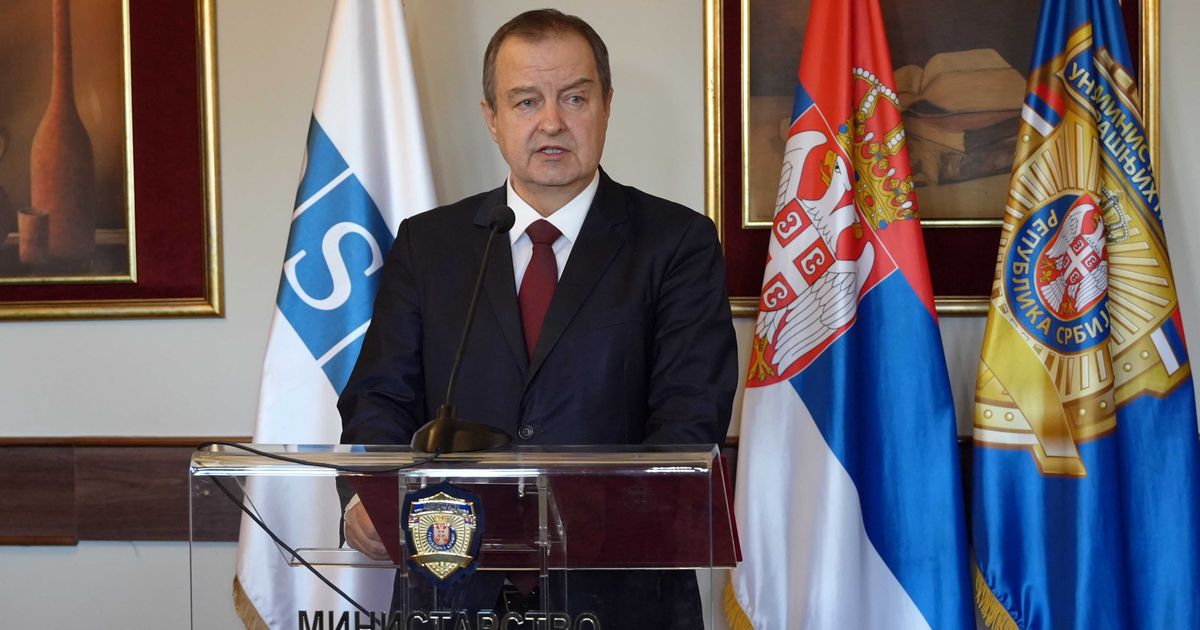
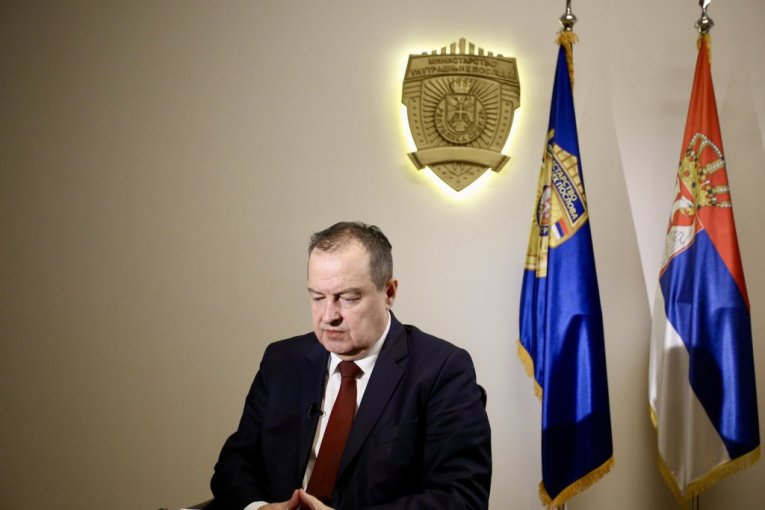
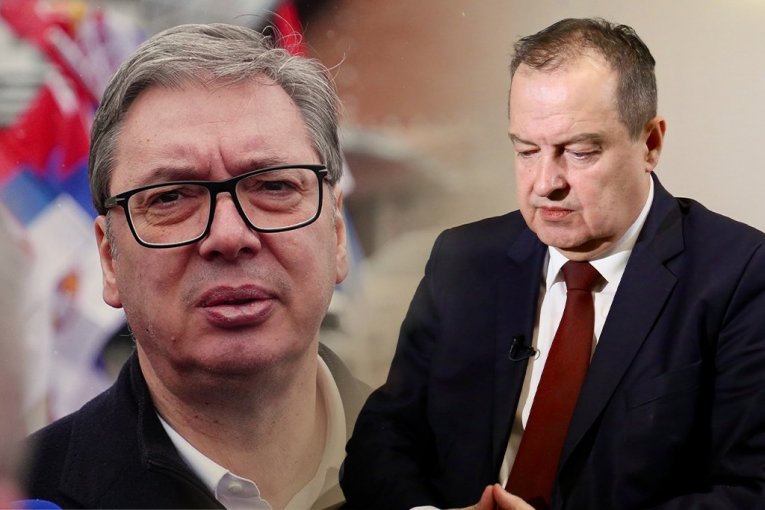
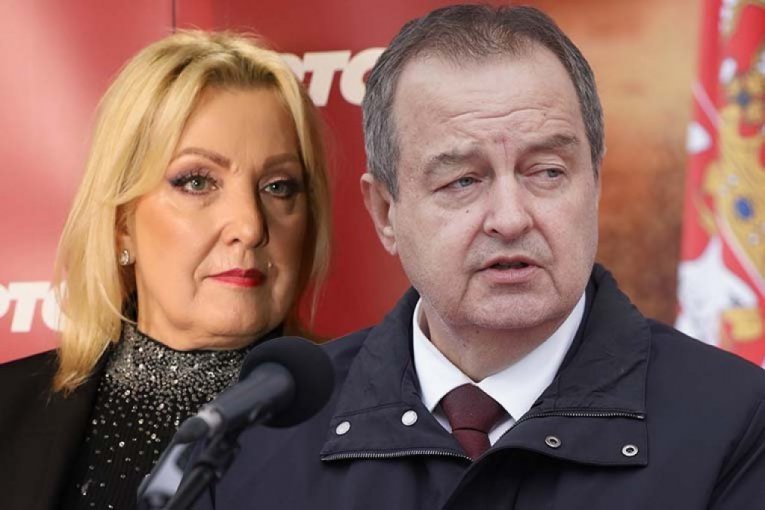
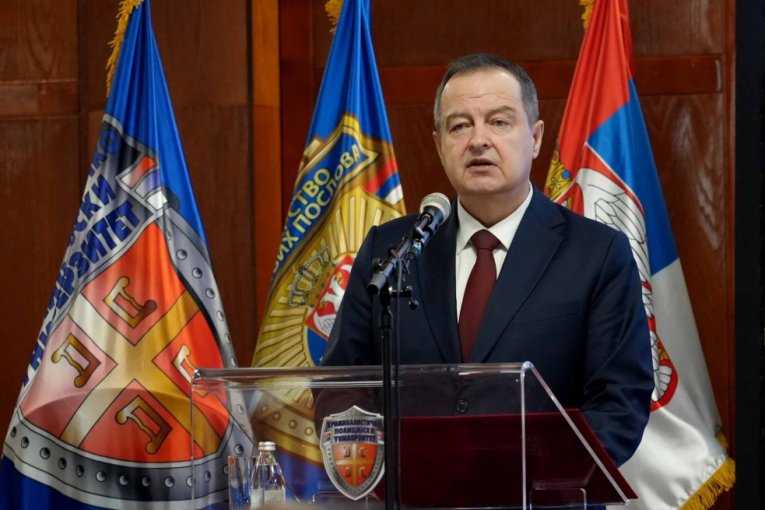
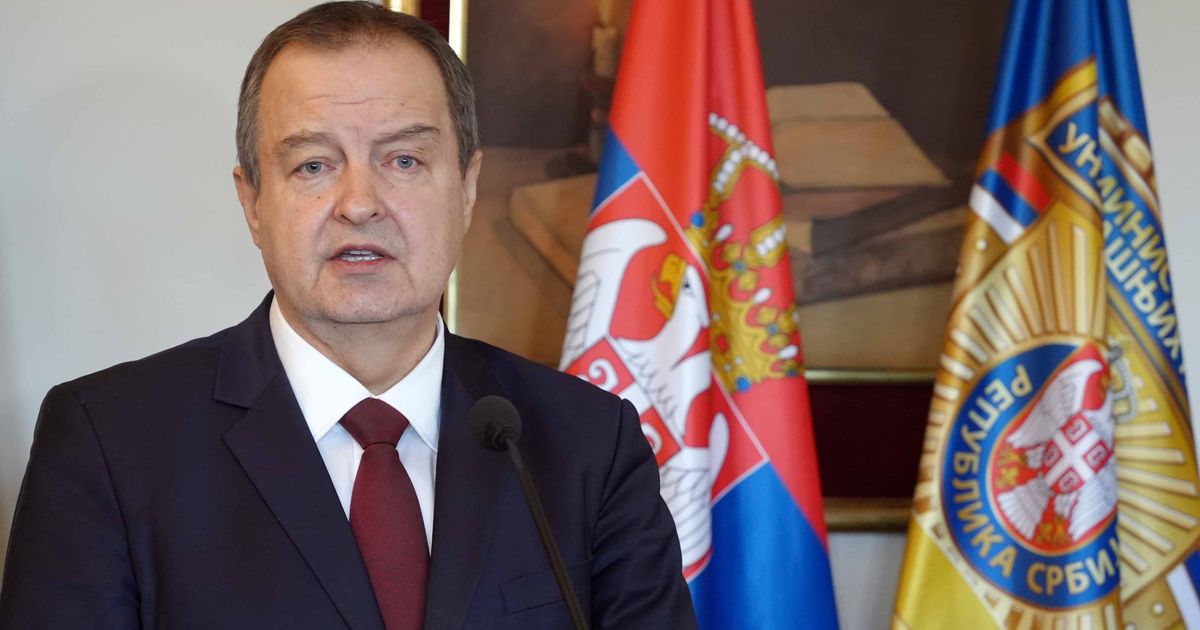
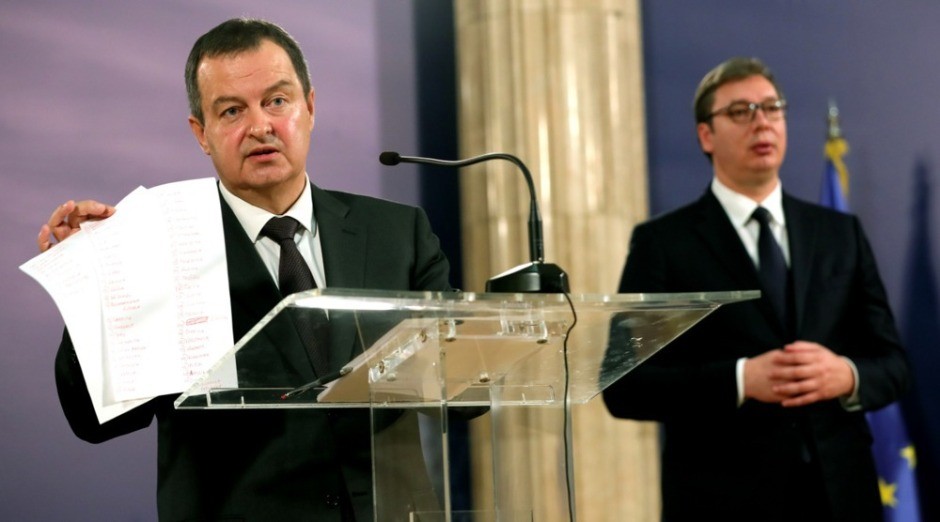
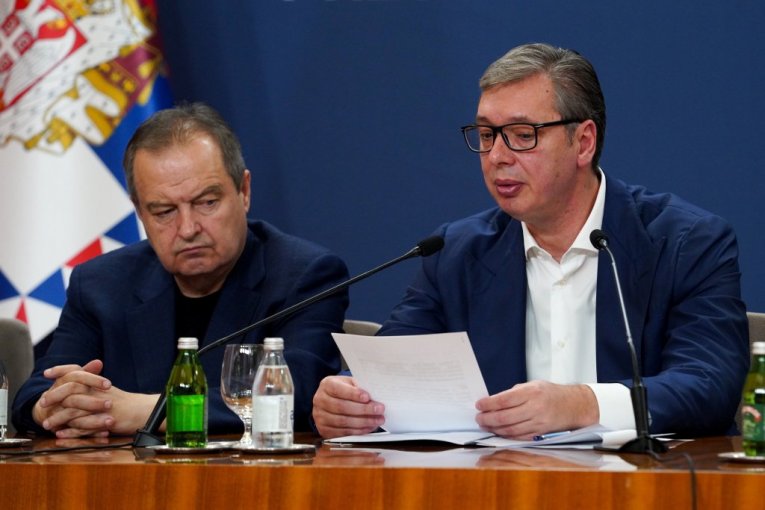
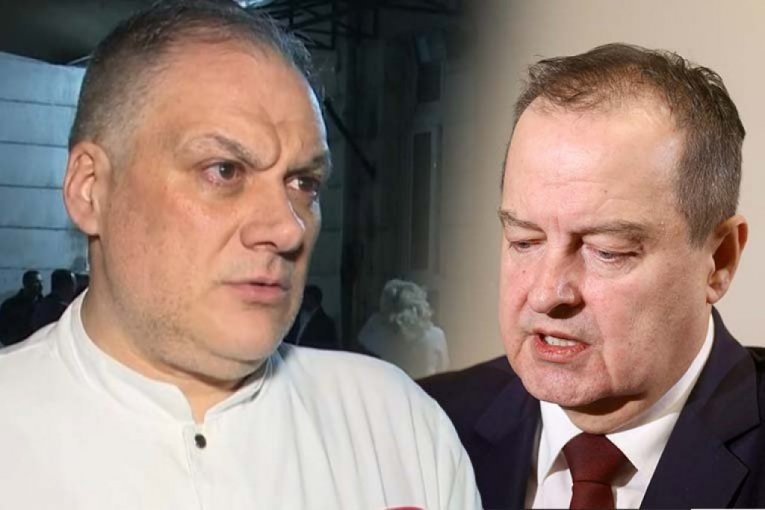
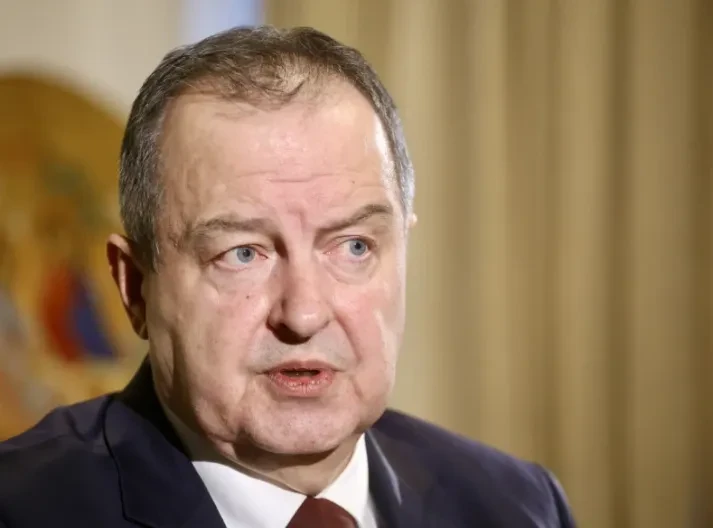
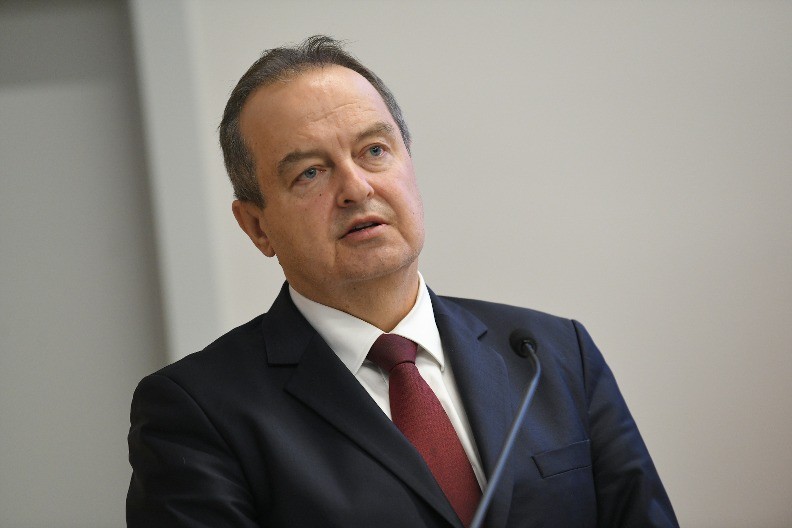
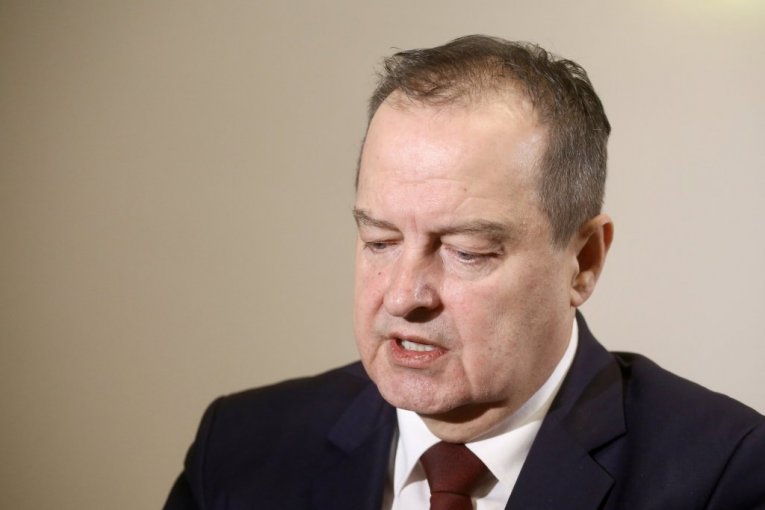
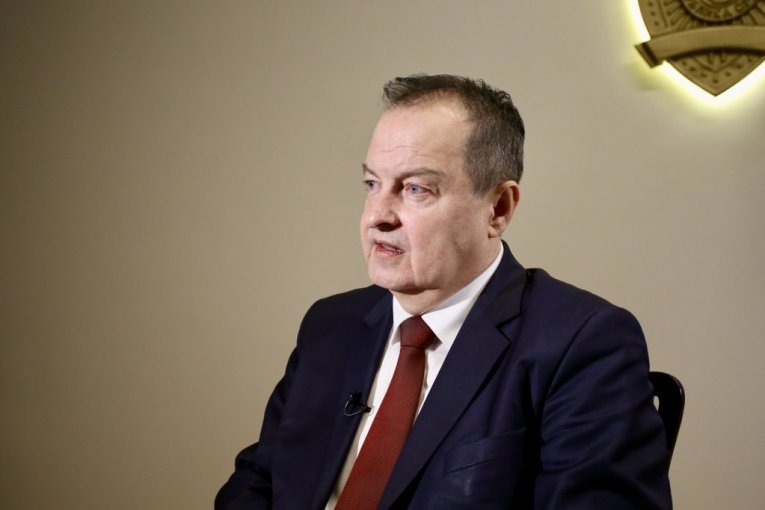
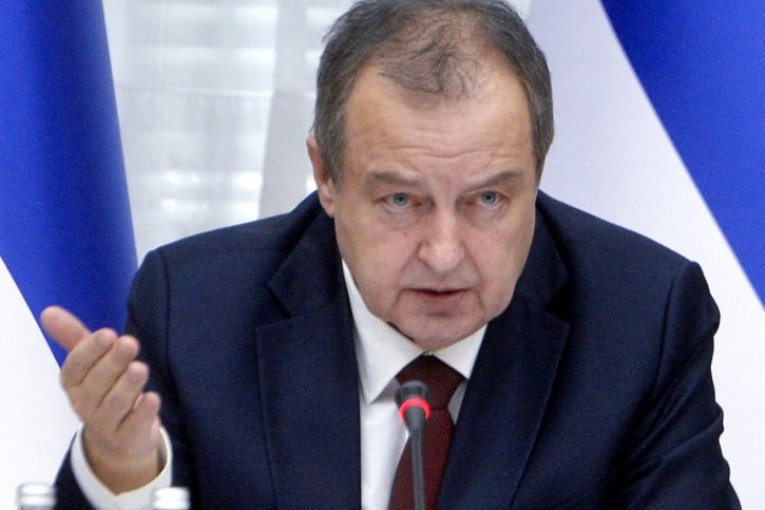
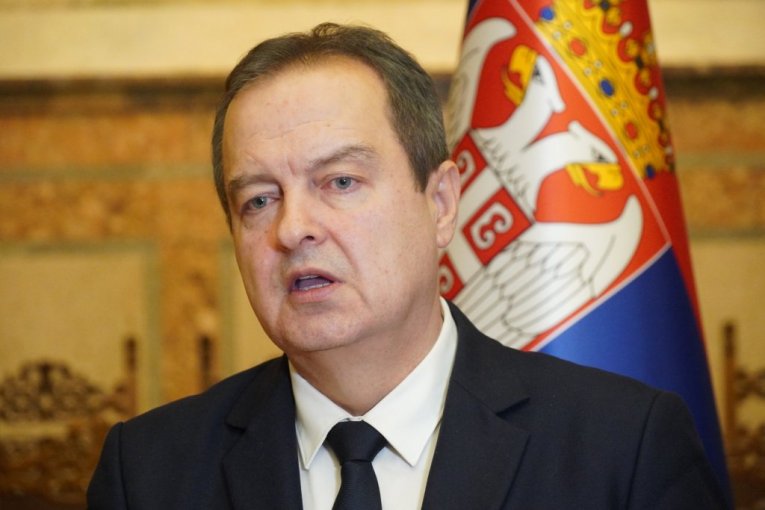
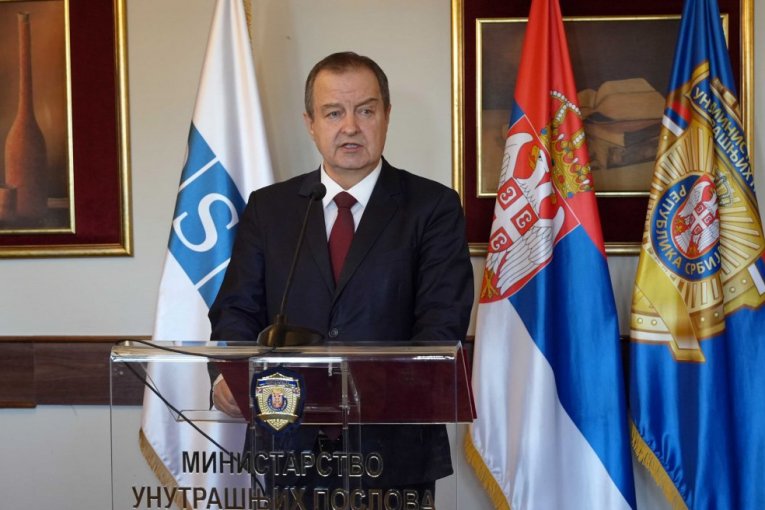
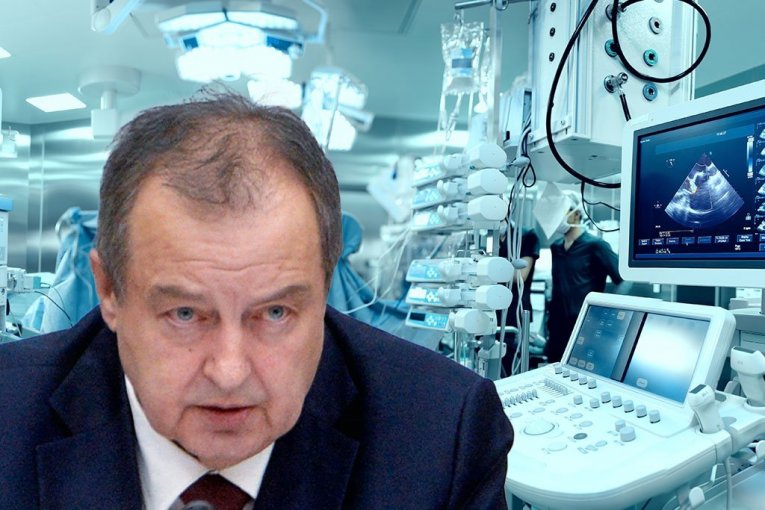
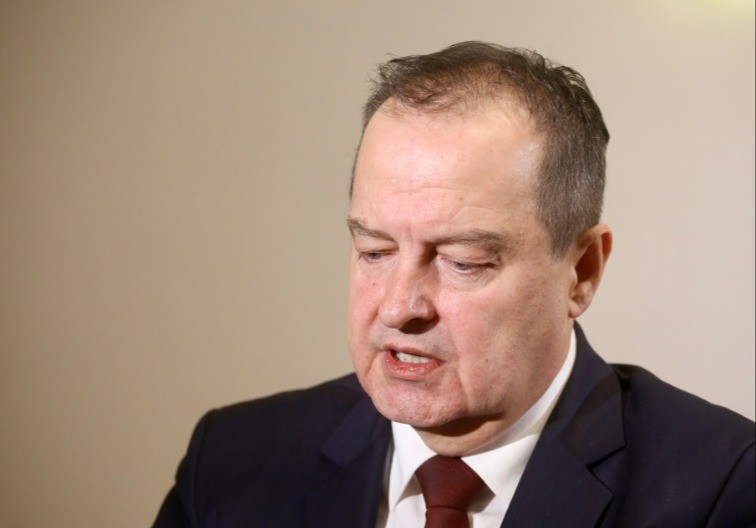
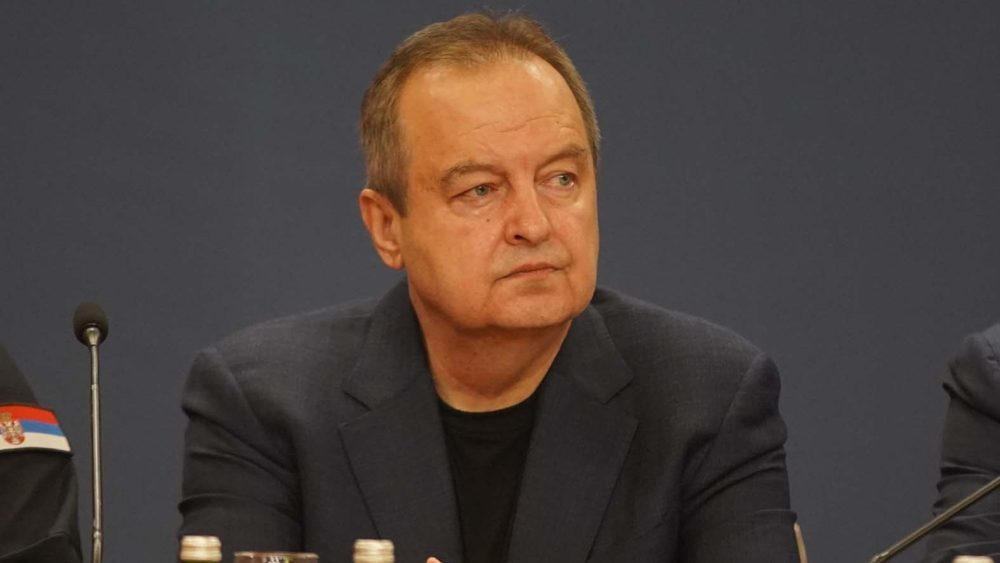
Ivica Dačić, Serbia’s Deputy Prime Minister, Minister of Internal Affairs and leader of the Socialist Party of Serbia, has been urgently hospitalized at the Clinical Center of Serbia, primarily at the Pulmonology Clinic, with severe bilateral pneumonia. Both opposition and pro-government sources agree that his condition was life‑threatening at admission, with very low blood oxygen levels and serious complications due to long‑standing diabetes and other associated illnesses; he has been intubated at points, placed on mechanical ventilation/respiratory support, and doctors emphasize that the next 72 hours are crucial, repeatedly describing his status as critical or serious but at times stable. Media on both sides report that President Aleksandar Vučić personally insisted Dačić seek emergency treatment after observing his difficulty breathing at a public event, and that Vučić and other senior officials have visited him in hospital, where doctors are “fighting for his life” and caution that it is too early to give firm prognoses despite occasional mentions of slight improvements.
Across the spectrum, outlets situate Dačić’s illness in the context of his long and prominent political career, noting that he has held multiple top posts including Minister of Internal Affairs, Prime Minister, and Minister of Foreign Affairs, and is a central figure in Serbian politics as SPS leader and a long‑time coalition partner in government. Both opposition and pro‑government coverage highlight institutional involvement of the University Clinical Center of Serbia and its Pulmonology Clinic, the role of specialist teams applying modern internal medicine protocols, and the complicating effect of chronic conditions such as diabetes on respiratory infections like bilateral pneumonia. They also converge in presenting broad public concern and sympathy—from family, party colleagues, artists, and foreign officials—alongside expressions of hope, prayers for recovery, and acknowledgment that any outcome will depend on the effectiveness of intensive care over the coming days.
Areas of disagreement
Tone and emphasis. Opposition-aligned outlets, while accepting official medical information, tend to focus more starkly on the “mortal danger” aspect, underscoring how critical and precarious Dačić’s condition is and foregrounding doctors’ warnings about the decisive 72-hour window. Pro-government media, using the same medical milestones, devote more space to messages of support, emotional testimonies, and small signs of stabilization or slight improvement, softening the sense of immediate fatal risk. As a result, readers of opposition coverage encounter a grimmer, more clinical framing, whereas pro-government readers are immersed in a narrative of struggle, hope and controlled crisis.
Role of political leadership. Opposition reporting generally notes Vučić’s visit and his insistence that Dačić go to hospital as factual context, without turning it into the main storyline, and tends not to frame the president or ruling figures as central protagonists in the drama. Pro-government outlets, by contrast, repeatedly spotlight Vučić’s concern, prompt action, and ongoing contact with doctors, often depicting him as the key figure who “forced” Dačić to seek help and who reassures the public by relaying updates. This creates a subtle divergence where opposition pieces keep political leadership in the background, while pro-government pieces elevate it to the foreground as an active, caring and effective presence.
Attribution and underlying causes. Opposition-aligned sources largely limit themselves to the immediate medical explanation—severe bilateral pneumonia compounded by chronic illnesses—without speculating much on lifestyle or systemic causes, and they avoid extensive commentary on stress from office or political workload. Pro-government media frequently add interpretive layers through quotes from friends and celebrities who mention stress, exhaustion, and long-term overwork in politics as contributing factors, sometimes implicitly casting Dačić as a self‑sacrificing public servant whose health has been damaged by dedication to state duties. Thus, one side stays closer to neutral medical causality, while the other blends medical and quasi-moral narratives that personalize and heroicize the illness.
Framing of public reaction and opponents. Opposition outlets mostly highlight personal concern and statements from individuals close to Dačić, but refrain from turning hostile social media reactions into a major political theme. Pro-government coverage, however, frequently condemns “blockers” and critics who allegedly rejoice over Dačić’s illness, using harsh language to portray parts of the opposition or online milieu as inhumane and politically motivated even at a moment of personal tragedy. Consequently, opposition reporting treats public reaction as broadly sympathetic, whereas pro-government reporting leverages it to draw a sharp moral contrast between Dačić’s supporters and his detractors.
In summary, opposition coverage tends to foreground the severity of Ivica Dačić’s condition in a more clinical, less personalized way with limited focus on political leaders, while pro-government coverage tends to wrap the same medical facts in an emotionally charged narrative that highlights Vučić’s role, emphasizes loyal support networks, and uses the situation to morally contrast Dačić and his allies with his critics.
Story coverage
















pro-government
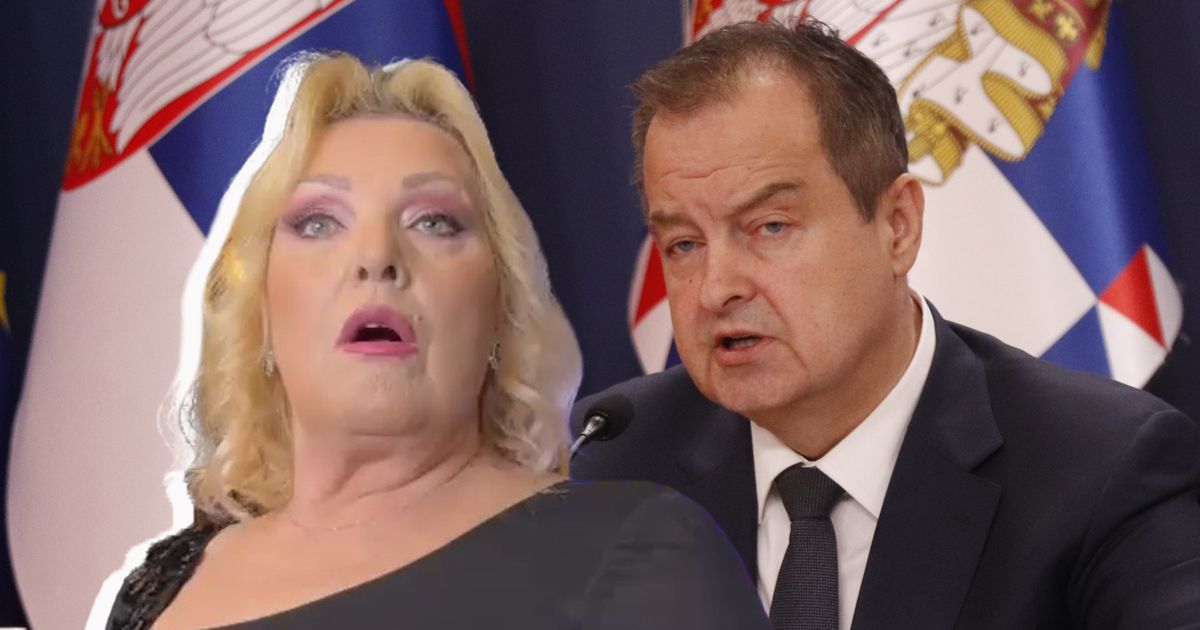
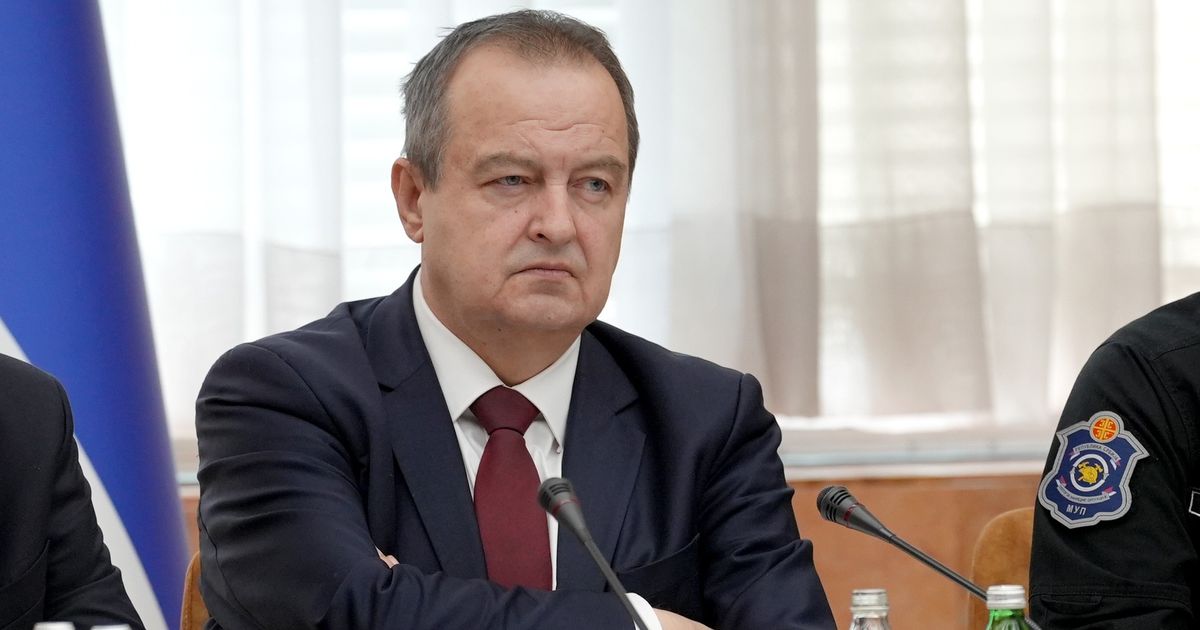
VUČIĆ VISITS DAČIĆ IN HOSPITAL: He revealed his condition
The situation is difficult
21 days ago




pro-government
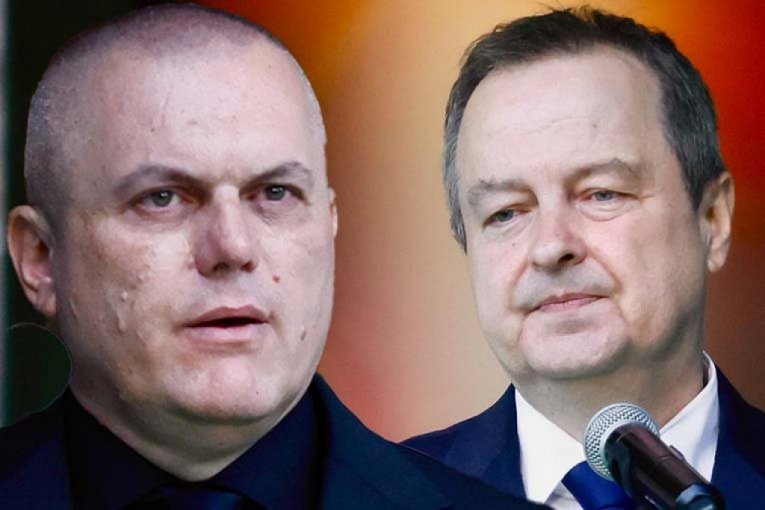
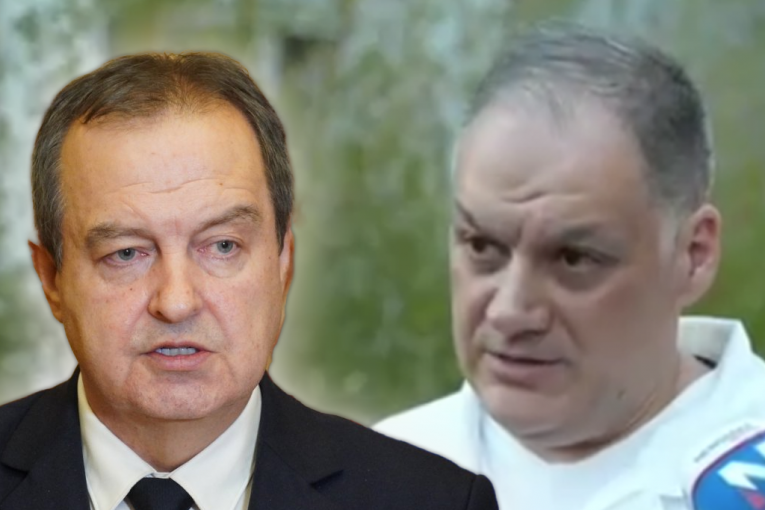
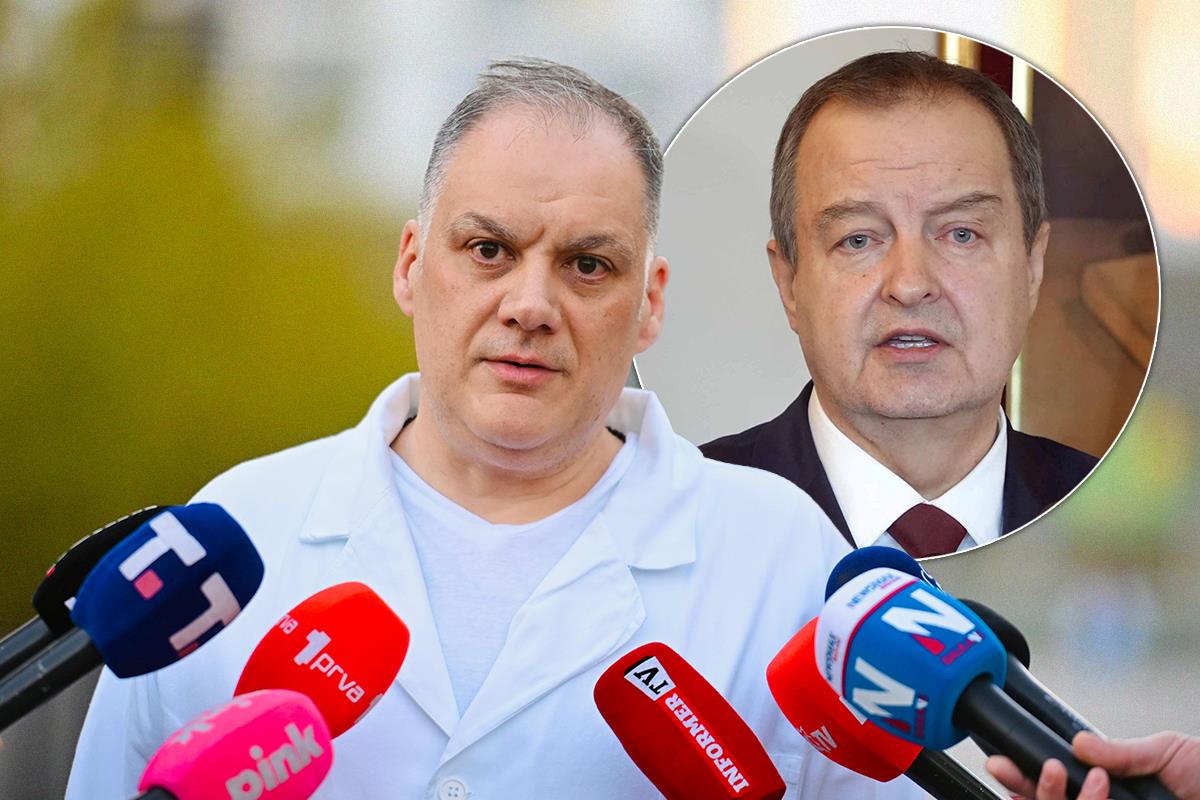
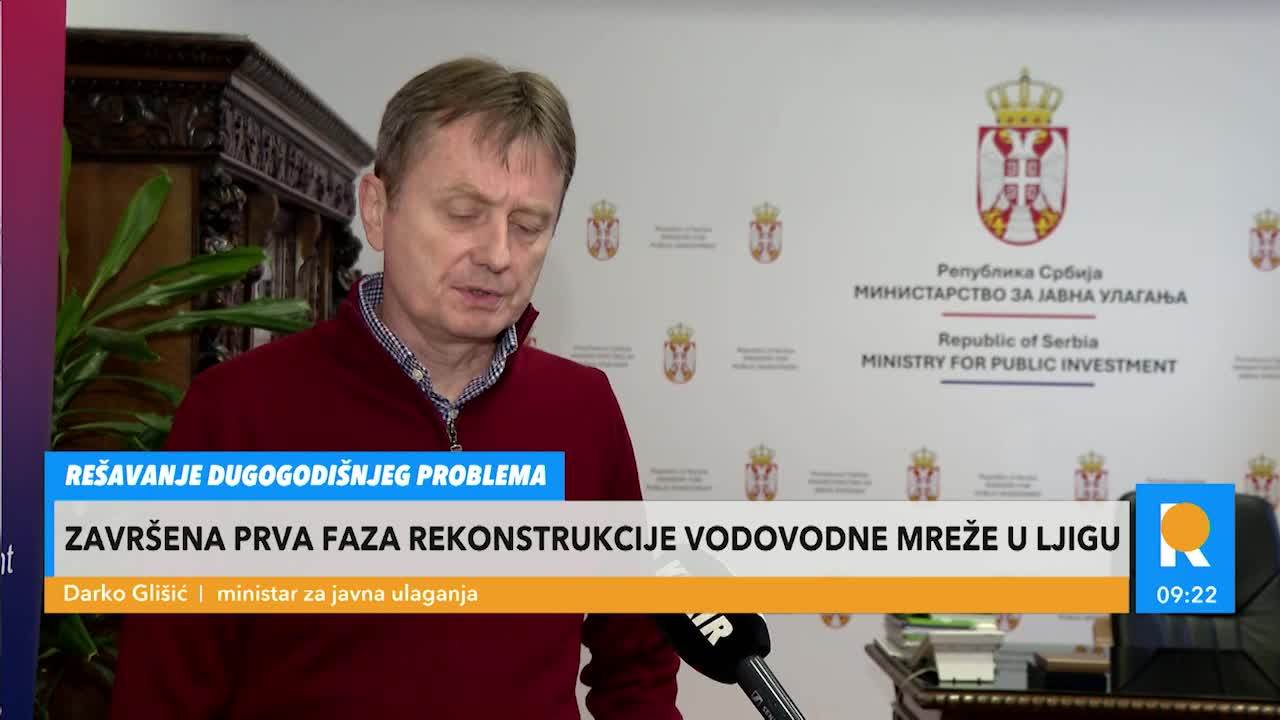
Darko Glišić for Kurir TV provided the latest information on Ivica Dačić's condition
Kurir
19 days ago