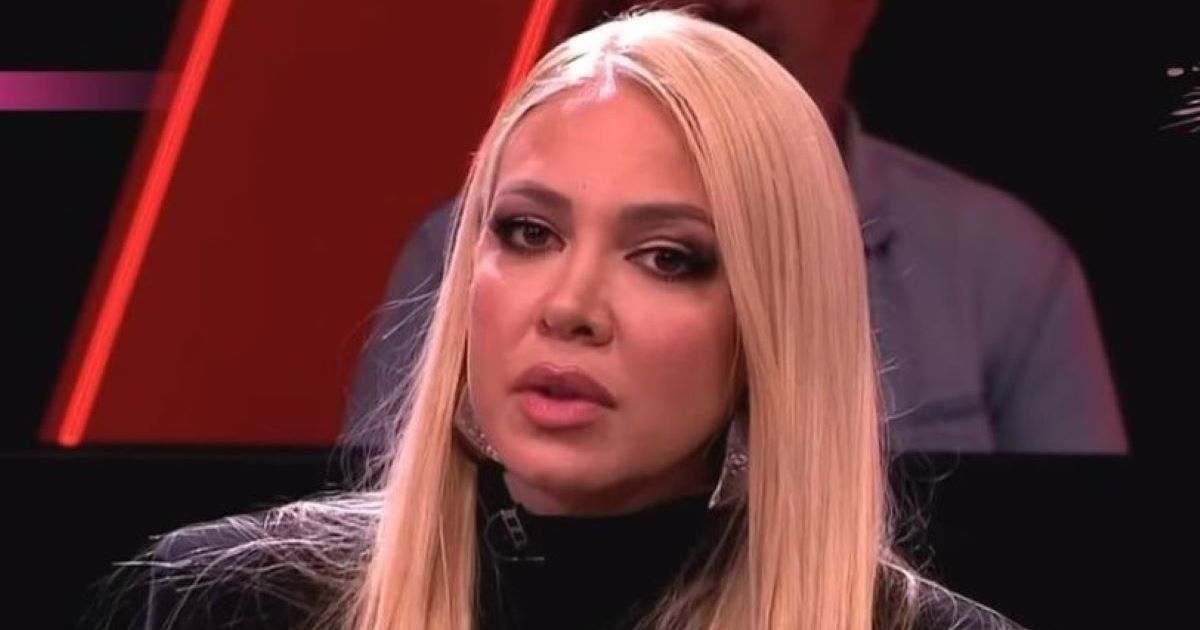


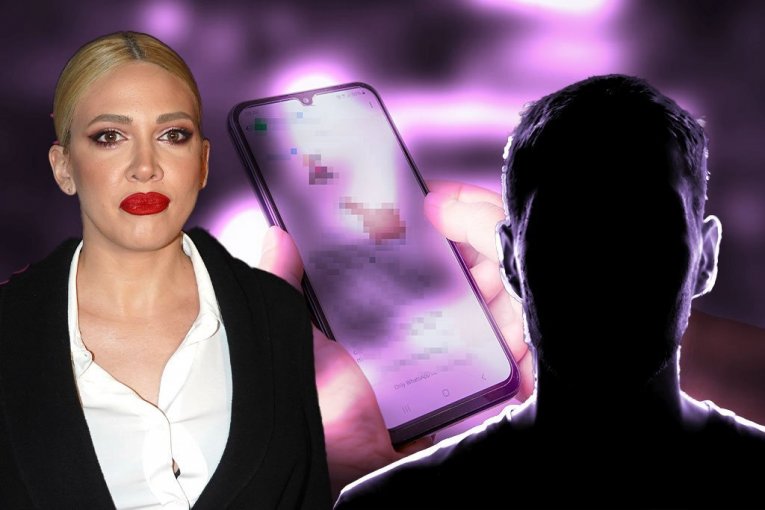
Milica Todorović, a popular Serbian singer, has become the focus of a media storm after it was revealed she is expecting a child with a man identified as Bogdan, who is legally married to another woman, Lj. M. Both opposition- and pro-government-aligned outlets agree that the affair came to light when Bogdan’s wife publicly stated she discovered his infidelity about a month before the latest reports, learning at that time that he was expecting a baby with Todorović. They also concur that, following his wife’s emotional public statements about the impact on her and their children, Bogdan broke his silence on social media by posting a cryptic quote implying that “mice live other people’s lives” and are afraid of their own, which has been widely interpreted as his indirect response to the scandal and to those commenting on their private lives.
Across the spectrum, media describe the basic setup in similar terms: a love triangle involving a married man, his distressed wife, and a high-profile singer now pregnant with his child. Outlets agree that the wife has spoken to the press, portraying a painful family situation and suggesting that Todorović wants a divorce so she can be with Bogdan, and that the scandal has generated intense public curiosity and social media commentary. Both sides frame Bogdan’s post as deliberately ambiguous rather than a straightforward apology or denial, highlight that it targets “those who live other people’s lives,” and note that his intervention has further fueled speculation instead of calming the situation.
Areas of disagreement
Moral framing and responsibility. Opposition-aligned sources tend to frame the story as a clear ethical failure, stressing the harm done to the wife and children and often casting Bogdan and Todorović as knowingly complicit in breaking up a family. Pro-government outlets, by contrast, emphasize the privacy of the couple and lean on Bogdan’s quote to suggest that outsiders and gossipers bear some moral blame for escalating the scandal. While opposition coverage foregrounds betrayal and accountability, pro-government coverage is more inclined to relativize responsibility by presenting the situation as a complex personal matter.
Portrayal of Milica Todorović. Opposition-oriented media are more likely to characterize Todorović as an active agent in pursuing a relationship with a married man, amplifying the wife’s claim that she wants a divorce so she can be with him and underscoring her role in the breakup narrative. Pro-government outlets, however, largely stick to neutral or sympathetic language, highlighting her pregnancy and public status while avoiding harsh moral judgment. In opposition narratives, she can appear as a homewrecker figure, whereas pro-government reporting frames her more as a celebrity caught in an unfortunate and overexposed private drama.
Use of the wife’s testimony. Opposition outlets typically foreground the wife’s voice, detailing her emotional distress, the impact on her children, and the timeline of when she learned about the affair, using her account as the primary moral lens on the story. Pro-government media do report her statements but more briefly, quickly pivoting to Bogdan’s cryptic message and the broader media frenzy rather than dwelling on her suffering. Thus, opposition coverage centers the wounded spouse as the main witness, while pro-government coverage positions her as one element in a larger, more entertainment-driven narrative.
Framing of Bogdan’s cryptic message. Opposition-aligned reporting tends to interpret the “mice live other people’s lives” quote as evasive or dismissive, suggesting that Bogdan is deflecting blame rather than taking responsibility, and sometimes reads it as an attack on his wife or critics. Pro-government outlets present the same quote more as a philosophical or defensive reaction to tabloid pressure, emphasizing his right to defend his privacy and criticize those who speculate about his life. Where opposition sources see a problematic lack of remorse, pro-government sources see a man under scrutiny pushing back against what they describe as intrusive public judgment.
In summary, opposition coverage tends to stress betrayal, victimization of the wife and children, and moral accountability for both Bogdan and Milica Todorović, while pro-government coverage tends to soften moral judgments, highlight privacy concerns and media overreach, and frame the cryptic message as a defensive reaction rather than a further wrongdoing.