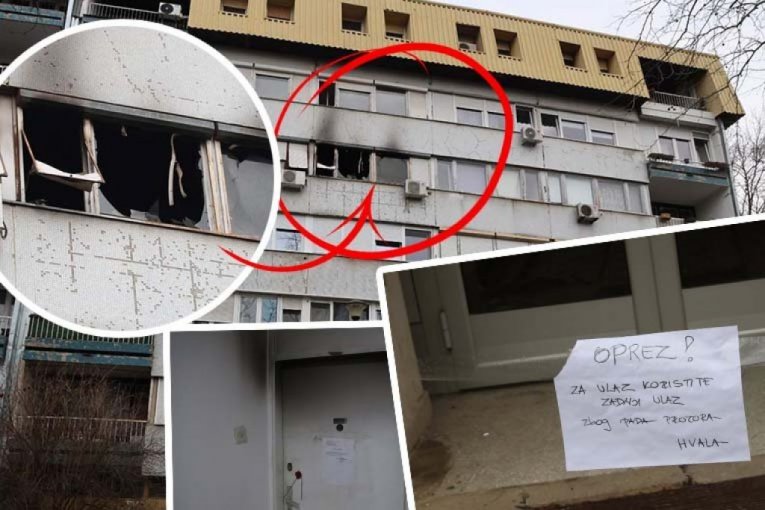


A man aged around 55 died in a nighttime apartment fire in Belgrade’s broader Voždovac/Konjarnik area, with both opposition and pro-government outlets agreeing that emergency medical teams could only confirm his death upon arrival. They also concur that another fire broke out the same night in Radnička Street/Čukarica without casualties, and that the incident occurred shortly after midnight in a residential building, prompting a response from fire brigades and the city emergency service. All sources reference a heavy call load for emergency services that night, including dozens of medical interventions and a notable number of public incidents linked to intoxication and fights, though exact totals differ slightly between 92 and 95 interventions.
Across the coverage, there is shared context that these fires were part of a broader, routine overnight workload for Belgrade’s emergency system rather than a mass-casualty or large-scale disaster event. Both sides present the death as a tragic but isolated incident, framed within standard reporting on emergency calls and urban safety, without confirmed official information yet on the precise cause of the fire or any systemic failure. The reports emphasize the sequence of events—fire, firefighting response, and medical confirmation of death—and treat the case as an ongoing matter for police and fire investigators rather than a resolved narrative.
Areas of disagreement
Emphasis and framing. Opposition-aligned media tend to fold the fatal fire into a broader tally of overnight emergencies, stressing the high number of interventions and presenting the incident in a dry, service-log style that hints at systemic strain. Pro-government outlets, by contrast, foreground the specific tragedy with more dramatic apartment-level detail and photo galleries, personalizing the event while still embedding it in routine emergency reporting. This leads opposition coverage to feel more statistical and institutional, while pro-government pieces are more incident-focused and visually oriented.
Institutional performance. Opposition reporting subtly underscores the volume of emergency calls and public disturbances, implying that urban services are overburdened and that such tragedies occur against a backdrop of broader social and health pressures. Pro-government coverage highlights that fire brigades and medical teams responded promptly and professionally, emphasizing that they successfully contained the blaze and handled other fires without casualties. In doing so, opposition outlets hint at systemic stress, whereas pro-government media present institutions as functioning effectively despite numerous incidents.
Geographic clarity and precision. Opposition sources tend to use a simpler Konjarnik reference and mention Čukarica for the second fire, giving a more district-level orientation without dwelling on street names or building visuals. Pro-government media are more specific, citing streets like Vladimira Tomanića or Vladimir Tomanovića and visually situating the incident, even if the Voždovac/Konjarnik boundary is left somewhat ambiguous. As a result, opposition coverage sounds more generalized and citywide, while pro-government coverage appears more localized and concrete.
Narrative tone and implication. Opposition outlets keep the tone restrained and procedural, avoiding speculation about causes but placing the death alongside incidents linked to intoxication and fights, subtly evoking a sense of social disorder. Pro-government outlets maintain a sensational but contained tone, using dramatic presentation of the scene while refraining from suggesting broader societal decay or direct political culpability. Thus, opposition narratives lean toward systemic unease, whereas pro-government narratives frame the event as an unfortunate but isolated tragedy within normal urban risks.
In summary, opposition coverage tends to situate the fatal fire within a narrative of heavy emergency workloads and latent systemic strain, while pro-government coverage tends to focus on the specific tragedy, detailed scene description, and the competent response of emergency services.
Story coverage