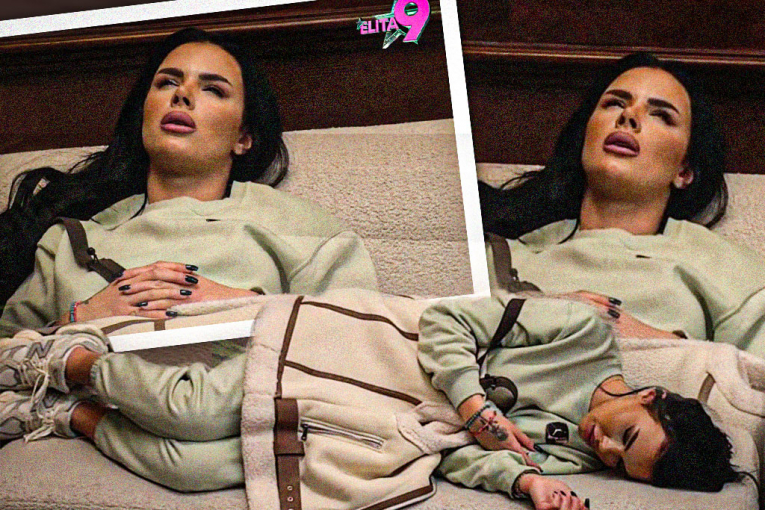

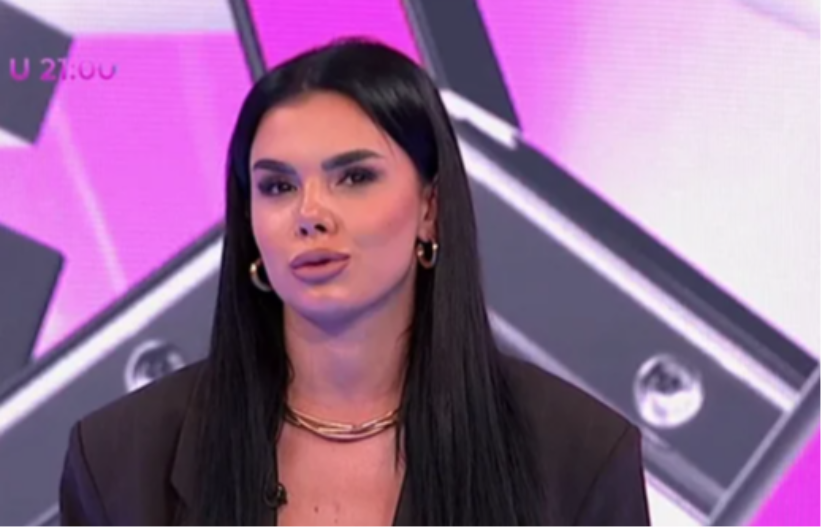
Anita Stanojlović’s PR manager, Tamara Radoman, announced via Anita’s official Instagram profile that there is now a ban on posting photos of Anita’s minor son, Aleksej, on any social media accounts other than her verified profile. The message, presented as coming jointly from Anita and the child’s father, specifies that sharing the boy’s images without authorization is no longer allowed and that the father supports this restriction, which is framed as a protective measure for the child amid heightened public attention.
Both sides agree that this announcement is directly connected to recent turmoil surrounding Anita’s participation in a popular reality show, where her private life has become content for televised conflict and online commentary. They concur that the decision follows an especially intense dispute between Anita and her ex-boyfriend and co-contestant, Anđelo Ranković, in which the child has been repeatedly mentioned, and that Anita has recently been under significant emotional strain, including calls to terminate her contract and leave the program, creating a context of concern for the family’s privacy and the child’s well-being.
Points of Contention
Motives and framing of the ban. Opposition-aligned outlets typically portray the ban primarily as a necessary reaction to the exploitative environment of the reality show and broader media, suggesting that the family is being forced into defensive measures to shield a minor from sensationalism. Pro-government outlets instead emphasize the ban as a calm, responsible decision by Anita and the child’s father, stressing their unity and parental maturity rather than systemic media pressure. While the former highlight coercive external conditions that made the ban inevitable, the latter put the focus on individual agency and parental consensus.
Responsibility and blame. Opposition coverage tends to cast blame on the reality show’s production and its affiliated media ecosystem, arguing that by platforming intimate conflicts and allowing repeated references to the child, they created the very risk now being addressed. Pro-government sources center responsibility on specific individuals within the show, especially Anđelo Ranković for bringing up the child in public disputes, while largely absolving the production framework and presenting the show as merely a stage for personal choices. Thus, opposition narratives point to structural culpability, whereas pro-government narratives localize blame in a few contestants’ behavior.
Role of institutions and regulation. Opposition outlets usually connect this episode to perceived failures of regulatory bodies and child-protection institutions, claiming that in a well-regulated media environment, parents would not have to issue such bans themselves. Pro-government media, by contrast, tend to treat the matter as a private-family and platform-level decision, implying that formal regulatory involvement is either unnecessary or already adequate. Opposition accounts, therefore, use the case to question institutional robustness, while pro-government accounts depict it as a self-contained, responsibly handled situation.
Impact on Anita’s public image. Opposition-leaning coverage often underscores Anita’s emotional breakdown and desire to leave the show as evidence that she is under extreme pressure and is more victim than agent, framing the ban as part of her broader struggle against a toxic media spectacle. Pro-government coverage highlights her and Bojan’s coordinated stance, presenting her as a protective, composed mother who, despite tension with Anđelo, is making clear, rational decisions about her child’s privacy. Where opposition narratives accentuate vulnerability and systemic victimization, pro-government narratives stress resilience and personal responsibility.
In summary, opposition coverage tends to treat the photo ban as a symptom of deeper structural and institutional problems in the media and reality-TV system, while pro-government coverage tends to present it as a measured, family-driven act of responsible parenting within an otherwise acceptable entertainment framework.