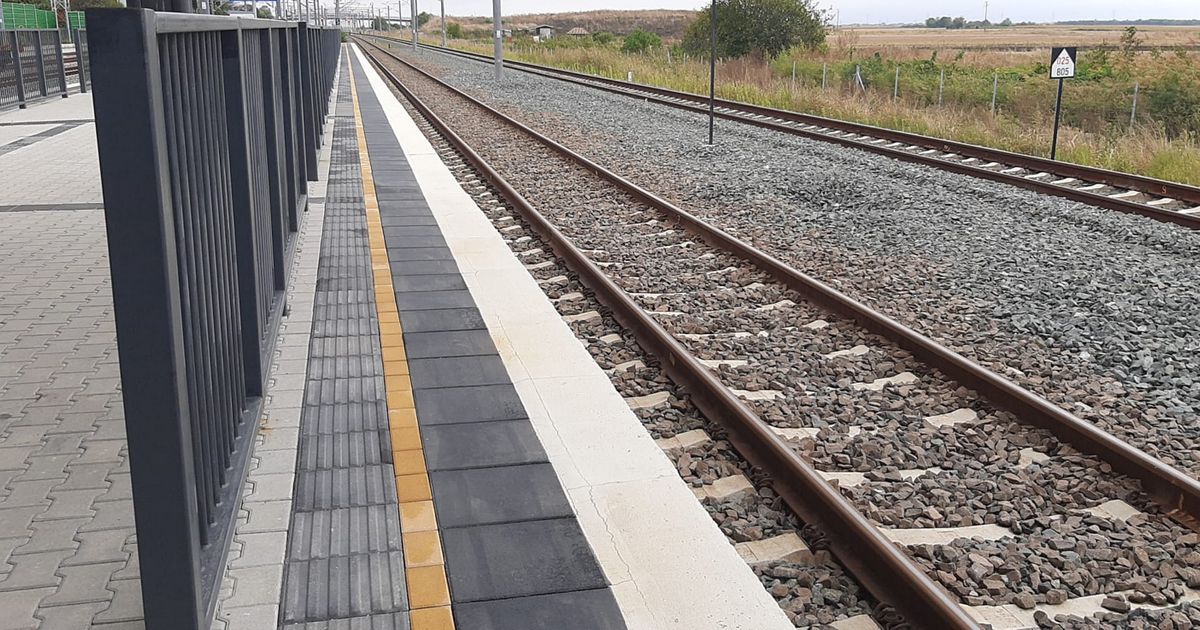

A 40-year-old woman was fatally struck by a train in Belgrade’s Rakovica neighborhood, near the Rakovica Sports Center, with multiple outlets agreeing that the collision occurred on or near the tracks by a local sports facility and that she died at the scene. Reports consistently state that the impact was extremely violent, with witnesses describing severe injuries, emergency services and police arriving quickly, and the area being cordoned off while investigators documented the scene and questioned bystanders.
Across the spectrum, coverage notes that the exact legal cause of the accident is still under investigation and that a formal determination will involve the police, railway authorities, and potentially forensic experts. Both opposition and pro-government media reference the broader issue of railway and pedestrian safety, pointing to recurring accidents at or near tracks and the need for clearer procedures, better infrastructure, and stronger public awareness about the dangers of walking along or crossing rail lines, especially in busy urban corridors like Rakovica.
Points of Contention
Responsibility and blame. Opposition-aligned outlets typically emphasize systemic failings, questioning whether rail infrastructure, warning systems, or urban planning around the Rakovica Sports Center contributed to the woman’s death and whether state oversight has been lax. Pro-government outlets, by contrast, center on individual circumstances such as the possibility that the victim was wearing headphones and did not hear the train, stressing eyewitness accounts that the driver blew the horn and tried to react in time. While opposition coverage tends to foreground institutional accountability, pro-government reporting more prominently frames the tragedy as a combination of personal risk and unfortunate circumstance.
Framing of institutions. Opposition media generally use such incidents to highlight perceived chronic underinvestment in public safety by state and rail institutions, linking this accident to a pattern of near-misses and previous crashes and implicitly or explicitly criticizing authorities for not doing enough. Pro-government outlets instead present the institutions as responsive and professional, underscoring the rapid arrival of emergency services and police, the formal opening of an investigation, and adherence to procedure. In doing so, pro-government coverage aims to reassure readers that the system functioned as intended, whereas opposition reporting uses the same event to question the sufficiency of existing safeguards.
Political and social context. Opposition-aligned sources are more likely to situate the accident within a wider narrative of governance problems, connecting it rhetorically to broader debates over public infrastructure, transparency, and government priorities. They may implicitly suggest that avoidable tragedies like this reflect deeper issues in how authorities allocate funds and plan urban safety. Pro-government coverage, however, keeps the focus tightly on the local human drama—the victim as a mother of three, the shock of witnesses, and the horror of the scene—avoiding overt political linkages and treating the event as a tragic but isolated case.
Narrative emphasis. Opposition reports tend to use the incident as an entry point into discussion of rail safety reforms, better signaling, fencing, and stricter enforcement around dangerous crossings, often citing past warnings or expert concerns to argue that reforms have been slow or inadequate. Pro-government outlets, although occasionally mentioning that the cause remains unknown and that safety is important, devote most of their space to descriptive, emotive storytelling and to relaying eyewitness speculation about headphones and distraction. This difference in emphasis leads opposition media to cast the event as evidence for structural change, while pro-government media depict it primarily as a heartbreaking accident with limited broader implications.
In summary, opposition coverage tends to frame the Rakovica train death as a symptom of systemic safety and governance failures that demand institutional accountability and reform, while pro-government coverage tends to portray it as a tragic, largely individualized accident in which state and rail institutions responded properly and broader political fault is minimized.