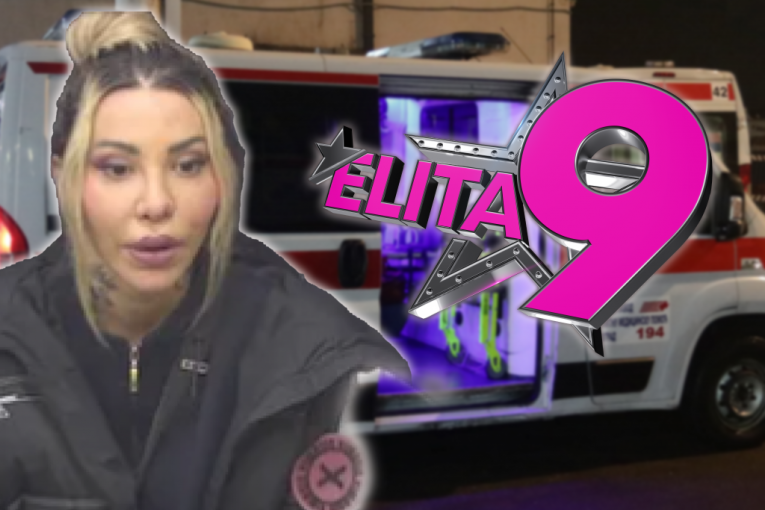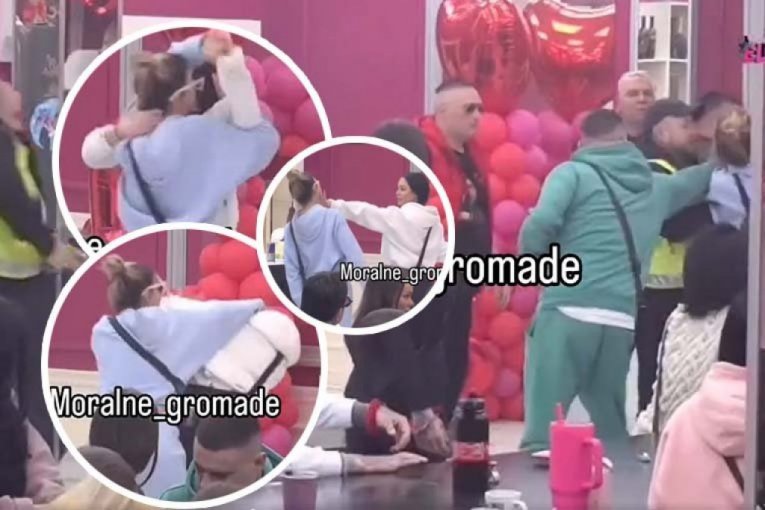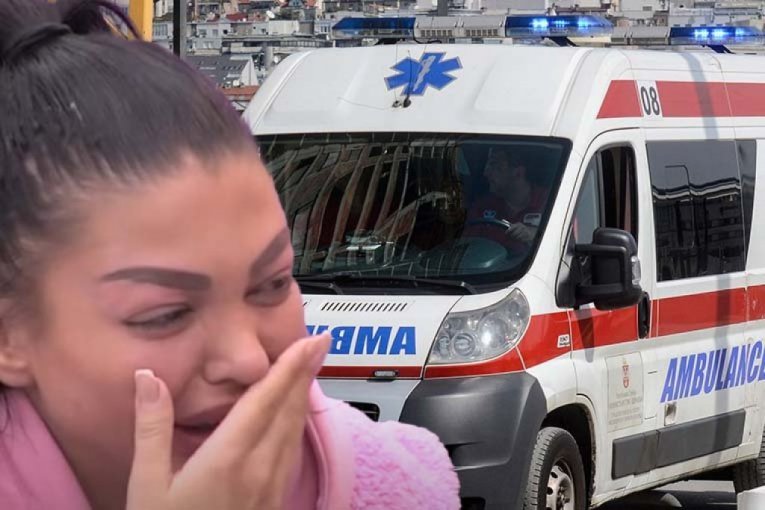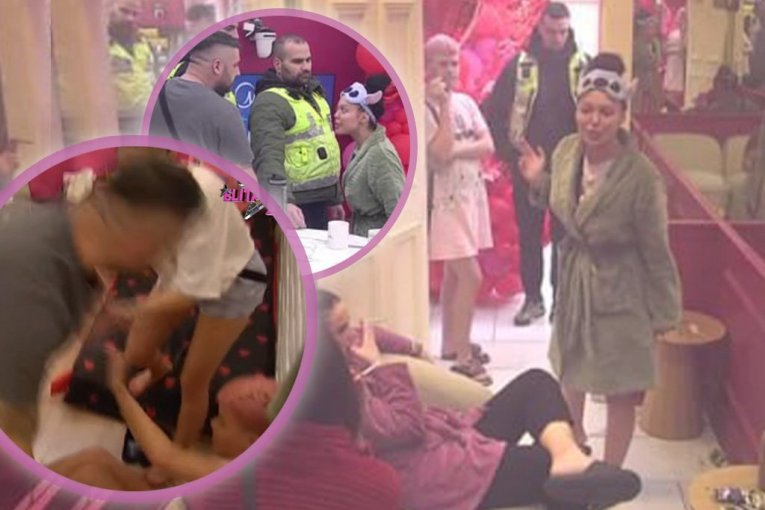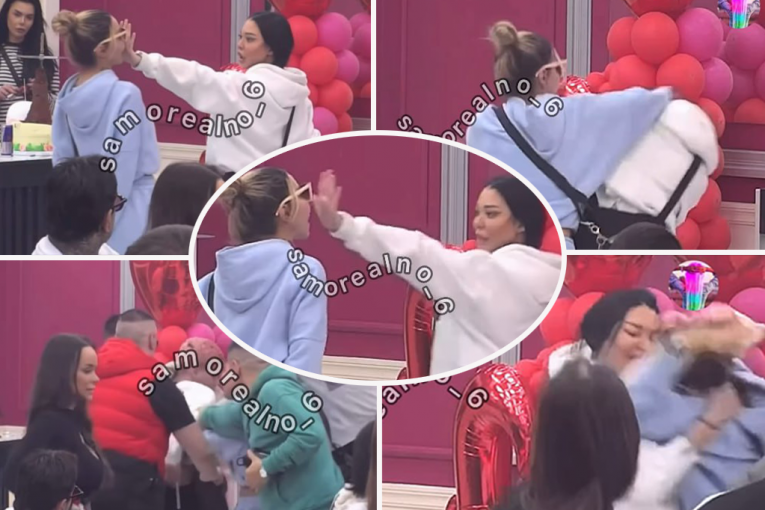




During a live broadcast of the reality show “Elita 9” on Pink TV, contestants Maja Marinković and Aneli Ahmić became involved in a violent physical altercation during the “Watching Recordings” segment, on the show hosted by Milan Milošević. Coverage across the spectrum agrees that a verbal clash rapidly escalated into pushing, hair-pulling, scratching and attempted biting, that security and several male participants struggled to separate the two, and that the production briefly interrupted or effectively stopped the program to regain control. Both opposition-aligned and pro-government-leaning outlets report that Aneli sought medical attention afterward and displayed visible scratches and injuries, that there were subsequent discussions about one or both women possibly leaving the show or being punished, and that the incident was framed on air and in follow-up content as a major scandal for the current “Elita 9” season.
Across the board, media describe the fight as the culmination of long-running tensions connected to prior conflicts involving Maja, Aneli, and Asmin Durdžić, including earlier verbal altercations and family-centered insults. Reporting converges on the context that “Elita 9” is already known for high-conflict content and that the production relies on dramatic confrontations to drive ratings, while still being formally obliged to intervene when physical violence erupts. Both sides highlight that Asmin’s family, particularly his father Mustafa, publicly reacted by siding with Aneli on moral and family grounds, and that this added an extra layer of interpersonal drama beyond the show itself. Coverage also agrees that images and video clips of the brawl and Aneli’s injuries quickly circulated online and through tabloid portals, turning the incident into a broader media event that raises recurring questions about the boundaries of acceptable behavior on Serbian reality television.
Points of Contention
Culpability and initiation of violence. Opposition-aligned sources are more inclined to frame the altercation as a systemic failure of the broadcaster and production, suggesting that the environment they create encourages contestants like Maja and Aneli to cross into violence. Pro-government outlets, while acknowledging the brutality of the fight, more often highlight detailed narratives that imply Aneli physically approached and grabbed Maja first, echoing Maja’s claim that she was initially attacked and only responded. Opposition media tend to distribute blame upward to the show’s creators and Pink TV management, whereas pro-government coverage keeps the focus primarily on the mutual aggression of the two participants.
Framing of victimhood and injuries. Opposition coverage typically underscores Aneli’s visible injuries and medical complaints as evidence of dangerous negligence, while still portraying both women as products of a toxic format. Pro-government outlets also spotlight gruesome imagery of Aneli’s scratched face and broken nails but frequently balance this with Maja’s counter-claims that Aneli is exaggerating her wounds to play the victim. In the opposition press, Aneli is more often presented as a warning symbol of what unchecked reality violence can produce, while pro-government tabloids oscillate between sympathy for her condition and skepticism that she is exploiting the situation.
Responsibility of Pink TV and regulators. Opposition-leaning media use the incident to criticize Pink TV and the broader regulatory environment, arguing that the channel repeatedly crosses ethical lines and that authorities turn a blind eye to such spectacles. Pro-government outlets, although describing the scene as horrifying, stress that production intervened quickly, halted or interrupted the program, and moved both women to medical care, presenting this as proof of responsible crisis management. Opposition coverage calls for stricter oversight and sanctions, while pro-government media largely treat the event as an isolated outbreak of contestant misbehavior rather than a structural broadcasting problem.
Moral and political subtext. Opposition-aligned sources sometimes weave the fight into a larger narrative about societal degradation under the current ruling milieu, portraying shows like “Elita 9” as symptomatic of a values crisis tolerated for ratings and political loyalty. Pro-government outlets instead frame the brawl as sensational entertainment embedded in a familiar reality-show format, occasionally invoking family figures like Asmin’s father Mustafa to provide a moral counterpoint without implicating the channel or state institutions. Where opposition media hint that such programming reflects and reinforces a broader culture of impunity, pro-government coverage treats it as a dramatic but self-contained tabloid story.
In summary, opposition coverage tends to use the fight as a springboard to question the ethics of Pink TV and the broader system that enables such violent spectacles, while pro-government coverage tends to focus on the sensational details, emphasize contestant responsibility, and depict the production’s intervention as adequate containment of an otherwise ordinary reality-show scandal.
Story coverage