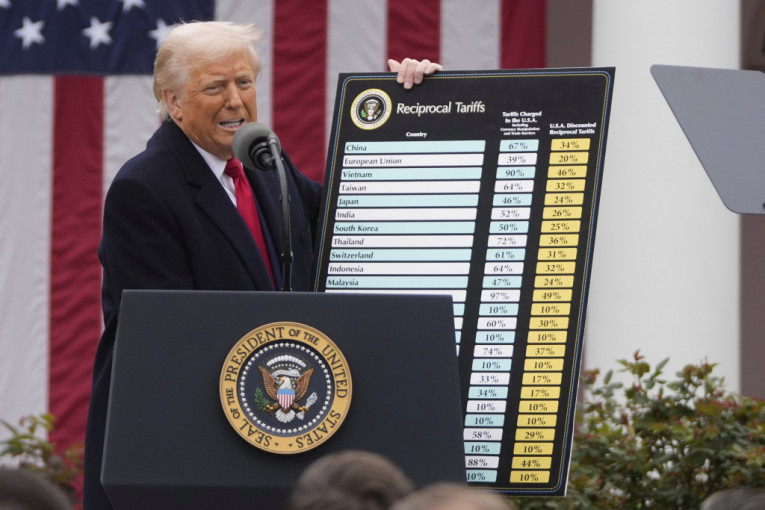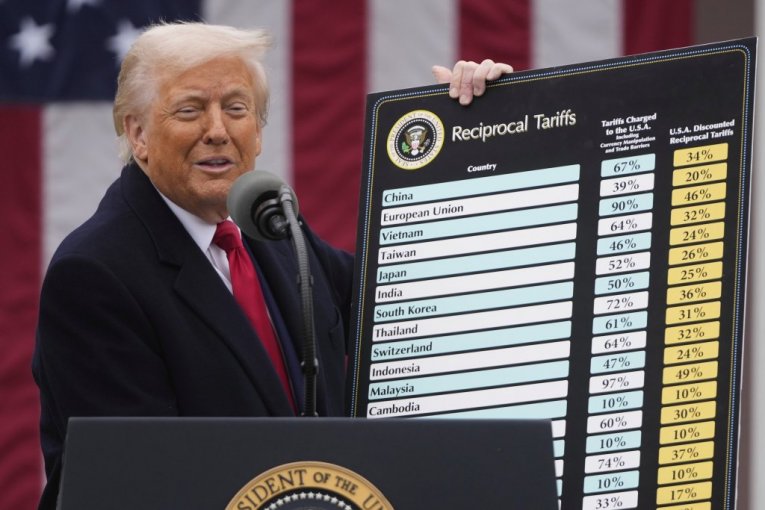


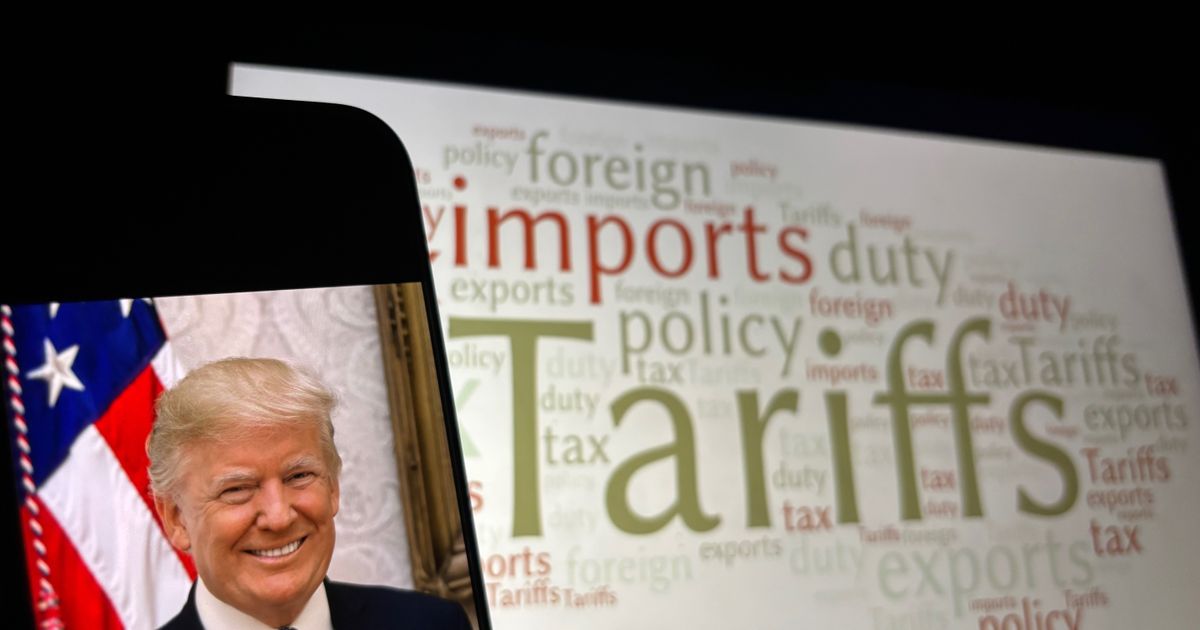
The latest coverage agrees that the US Supreme Court has issued a landmark ruling against former President Donald Trump’s broad global tariffs, finding that he exceeded his authority under federal trade and emergency powers laws. Reports concur that the decision struck down key pillars of Trump’s tariff regime affecting a wide range of countries—over 90 by some accounts—and that the ruling has immediate implications for existing and planned duties, including those previously justified under the International Emergency Economic Powers Act. Both sides describe the practical fallout in markets, noting that the decision coincided with a rise in European stock indices such as the STOXX 600 and a surge in demand for safe-haven assets like gold, amid a weaker dollar and heightened geopolitical risk. Coverage also aligns that Trump reacted quickly by announcing new global tariffs—initially at 10 percent and later raised to 15 percent—framed as compliant with alternative legal authorities such as Section 301 or emergency powers, and that he has publicly vowed not to refund companies for tariffs the Court has invalidated.
Across outlets, there is shared context that the Supreme Court’s ruling represents a significant judicial check on the scope of presidential power in trade policy, clarifying that even national-security or emergency-based tariffs must remain within statutory limits set by Congress. Both opposition and pro-government reporting situate the decision within a long-running debate over the use of tariffs as tools of economic and foreign policy, and acknowledge that Trump’s approach had already reshaped global trade relationships and strained ties with key partners in Europe and beyond. There is agreement that the ruling will reverberate through future administrations’ use of Section 232, Section 301, and emergency authorities like IEEPA, prompting renewed discussion about trade reform and clearer congressional oversight. Outlets on both sides convey that business groups, foreign governments, and financial markets are closely watching how the US will recalibrate its trade posture after this decision, and how far Trump or any successor can go in reimposing tariffs without running afoul of the Court’s newly articulated constraints.
Points of Contention
Legal meaning and severity of the ruling. Opposition-aligned sources characterize the decision as a sweeping rebuke that exposes the illegality of Trump’s trade agenda and underscores a pattern of executive overreach. Pro-government outlets also acknowledge that the Court found Trump exceeded his powers, but frame it more as a technical overstep on procedural grounds than a moral or constitutional condemnation. Opposition coverage tends to emphasize language suggesting Trump “acted like a king” and that his presidency was weakened, while pro-government coverage highlights his swift pivot to alternative legal justifications and portrays the ruling as a setback he can work around rather than a definitive defeat.
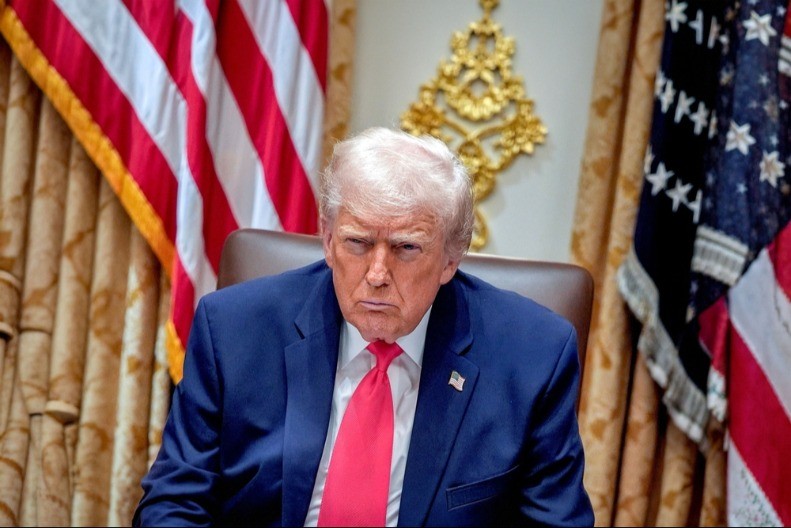
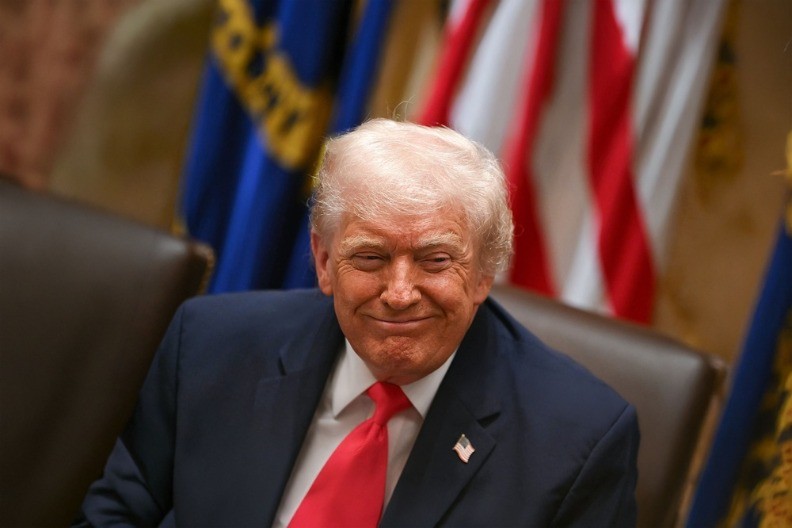
Portrayal of Trump’s response. Opposition media typically present Trump’s move to impose new 10–15 percent tariffs as defiance of the rule of law and disrespect for judicial authority, suggesting he is ignoring institutional checks and continuing a confrontational, destabilizing trade stance. Pro-government outlets, while noting his anger and harsh rhetoric toward the Court, stress his determination to protect American industries, describing his actions as a legitimate use of remaining legal tools under Section 301 or IEEPA. Where opposition narratives highlight recklessness and contempt for the Court, pro-government narratives stress resilience, strategic recalibration, and a promise to make countries that have “robbed” the US “pay a price.”
Economic impact and beneficiaries. Opposition coverage tends to focus on the damage caused by Trump’s earlier tariffs—higher costs for companies and consumers, uncertainty for global supply chains, and strained alliances—arguing that the ruling offers relief and a chance for more stable trade relations. Pro-government outlets give more attention to market reactions framed through a geopolitical lens, such as gold prices jumping and European equities rallying, and often link these moves to broader fears about US economic performance, inflation, and Middle East tensions rather than uniquely to Trump’s policies. While opposition sources depict the decision as correcting a harmful economic experiment, pro-government reporting suggests that strong tariff measures remain necessary and can still be “financially beneficial” if redesigned within legal bounds.
Motives and legitimacy of institutions. Opposition-aligned articles generally defend the Supreme Court’s legitimacy, applauding the ruling as a reaffirmation of checks and balances and the rule of law, and highlighting European leaders’ praise as evidence of restored institutional credibility. Pro-government sources amplify Trump’s claims that the decision was influenced by foreign interests and that the Court has shown “disloyalty,” casting doubt on the neutrality of the judiciary and international reactions. Where opposition coverage sees institutions acting to restrain an overreaching president, pro-government coverage suggests a politicized or externally pressured Court undermining a president who is trying to stand up for American economic sovereignty.
In summary, opposition coverage tends to frame the ruling as a long-overdue institutional correction that curbs dangerous overreach and opens the door to more predictable, cooperative trade policy, while pro-government coverage tends to present it as a controversial, possibly externally influenced setback that Trump can and should counter with new, legally fortified tariffs to defend US interests.
Story coverage

.png)