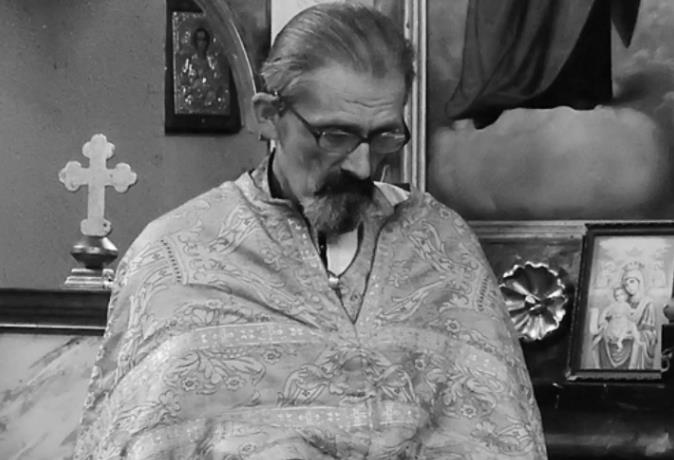

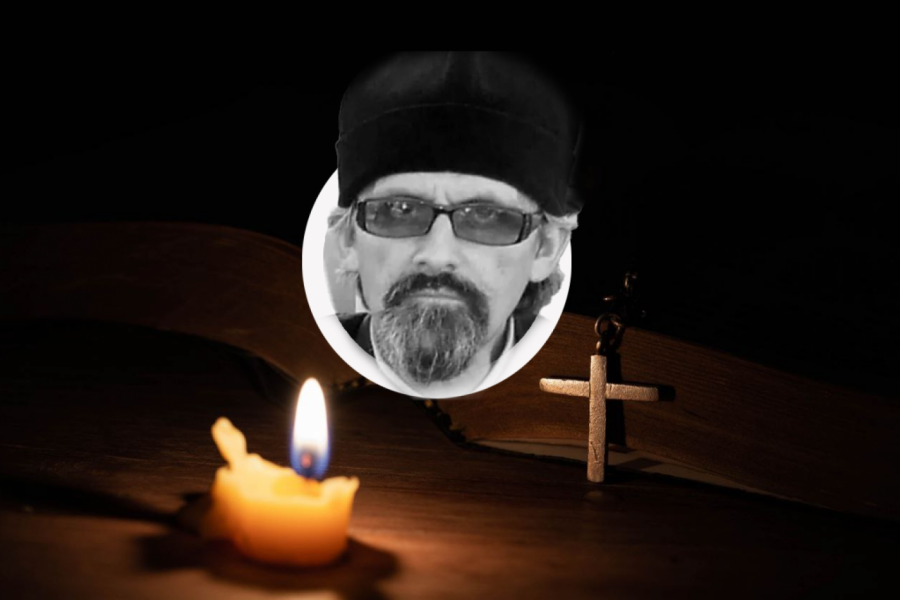
Iguman Justin (Janković), former abbot of the Suvodol and Manastirica monasteries in the Timok Eparchy of the Serbian Orthodox Church, has died at the age of 73. Pro-government and opposition outlets alike report that he was born in 1953, became a monk in 1974, and served for decades in monastic life, most prominently at Suvodol. They concur that he was known both as a spiritual shepherd and as a practical administrator who oversaw extensive renovation and physical expansion of Suvodol monastery and its estate, strengthening its economic base. All sides cite the official announcement by the Eparchy of Timok, note that his death occurred on February 19, and agree that a formal funeral service is scheduled for February 28, 2026, with clergy and faithful expected to attend.
Coverage from both opposition and pro-government media situates his life within the broader framework of the post‑socialist revival of the Serbian Orthodox Church and the renewed importance of monasteries as spiritual and community hubs. Outlets describe Suvodol and Manastirica as regional religious centers whose reconstruction and economic stabilization mirrored wider church efforts to restore neglected holy sites, increase self-sufficiency, and support local believers. They agree that Justin’s tenure exemplified a model in which abbots took on roles as spiritual fathers, builders, and managers, integrating liturgical life with care for church property, hospitality to pilgrims, and pastoral work in surrounding villages. Across the spectrum, his passing is framed as the loss of a long-serving monastic figure whose legacy will endure in the physical renewal of the monasteries and in the trust he built with many faithful.
Points of Contention
Tone and emphasis. Pro-government outlets present the news in a reverential, almost hagiographic register, emphasizing Justin’s piety, sacrifice, and the phrase that he “passed to the Lord,” with detailed praise of his achievements. Opposition-aligned sources, while respectful of his role and service, tend to use a more neutral obituary tone, focusing on dates, positions, and institutional significance rather than devotional language. In this way, government-friendly media lean toward emotional tributes, whereas opposition coverage is more restrained and informational.
Institutional framing. Pro-government coverage foregrounds the Timok Eparchy’s announcement and treats the Serbian Orthodox Church as a central, unifying institution whose hierarchs and abbots quietly serve the people and the nation. Opposition outlets, by contrast, are more likely to frame Justin’s work as part of broader church structures that operate alongside, and sometimes intertwined with, state power, hinting at the church’s growing institutional influence. While pro-government media highlight ecclesiastical authority as a source of moral stability, opposition media situate that authority within a more politicized landscape and are less inclined to idealize it.
Legacy and social role. In pro-government reporting, Justin’s legacy is narrated primarily through physical and economic development of Suvodol and Manastirica, with extensive mention of renovated buildings, expanded estates, and a “thriving” monastery economy that is portrayed as a model of responsible stewardship. Opposition-aligned sources, while acknowledging these achievements, tend to stress his role as a local spiritual leader and neighbor and may subtly question whether such monastic economic growth always translates into broader social benefit. Thus, pro-government stories spotlight material accomplishments as unambiguously positive, whereas opposition stories are more focused on his pastoral impact and the lived experiences of the surrounding community.
Connection to current politics. Pro-government outlets largely decouple Justin’s life from day-to-day politics, presenting his passing as a purely religious and communal event that transcends partisan divides. Opposition media, even if not overtly critical, more readily place his death within the context of a church that has enjoyed increased proximity to the ruling authorities, sometimes suggesting that reverent coverage fits a broader pattern of sacralizing figures aligned with dominant ecclesiastical structures. As a result, pro-government coverage frames the story as above politics, while opposition coverage implicitly links the narrative to debates about the church’s public and political role.
In summary, opposition coverage tends to acknowledge Iguman Justin Janković’s service and legacy in a more neutral, contextualized way that situates him within wider institutional and political debates, while pro-government coverage tends to offer a warmer, devotional portrait that foregrounds his spiritual stature, material achievements at the monasteries, and the unifying role of the church.