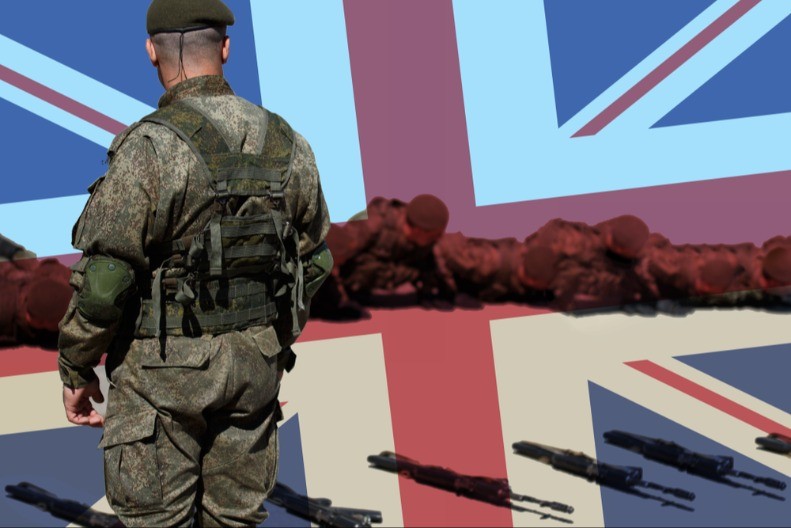

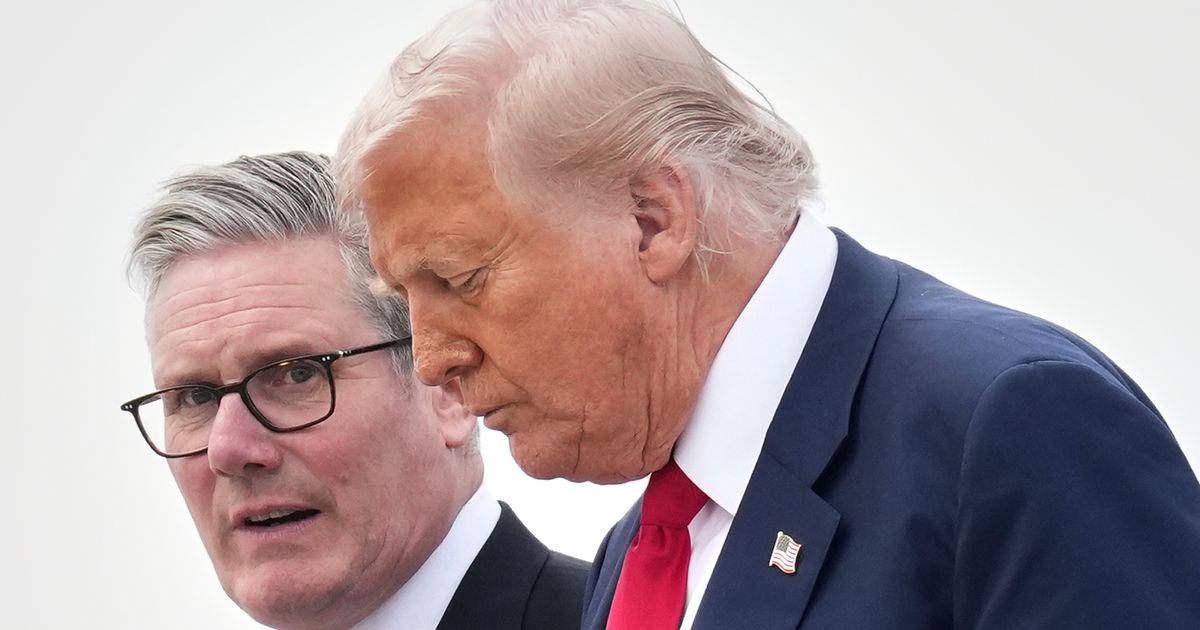
Britain is reported to have rejected a United States request to use Royal Air Force bases and other UK-controlled territories as launch points for any potential military strike on Iran. Coverage agrees that the decision has irritated or angered US President Donald Trump, that it specifically concerns American access to British bases overseas, and that it amounts to London withholding formal approval for offensive operations against Iran from British soil or territories. Both sets of reports note that the refusal is prospective rather than a response to an already scheduled attack, and that the dispute has been framed in terms of the UK saying it "cannot" or "will not" allow its bases to be used for such an operation.
Across outlets, there is shared acknowledgment that the UK’s decision is grounded in legal and diplomatic considerations, particularly fears that facilitating an attack on Iran from British-controlled bases could breach international law. Reporting also converges on the idea that the episode is part of a broader pattern of tension in US-UK relations under Trump, set against ongoing debates about military interventions in the Middle East and the legal responsibilities of host nations for actions launched from their territory. Both sides reference the institutional role of the British government in authorizing or denying use of RAF facilities, and they situate the refusal within established norms governing alliance cooperation, sovereignty over bases, and the legal framework that constrains joint military operations.
Points of Contention
Motives and framing of the refusal. Opposition-aligned coverage tends to present Britain’s decision as a principled stand to avoid unlawful participation in a potential US-led strike, stressing legal advice and international humanitarian concerns, while pro-government outlets emphasize the assertion of national sovereignty and an independent foreign policy line that refuses to "open the door" to another Middle East war. Opposition sources often cast the move as reluctant but necessary damage control within a strained alliance, whereas pro-government reports highlight it as a firm, even defiant, response to Washington. In doing so, the latter frame the refusal less as technocratic legal caution and more as a deliberate political message.
Portrayal of US-UK relations. Opposition coverage is inclined to underline the episode as evidence of deeper structural frictions between London and Washington under Trump, portraying the anger in the White House as a symptom of an unstable and transactional US foreign policy. Pro-government sources, by contrast, generally depict the dispute as a contained disagreement between close allies, suggesting that while Trump is angered, the broader "special relationship" remains intact and capable of weathering such clashes. The opposition often links the refusal to worries about over-dependence on the US, while pro-government narratives stress that saying no here actually demonstrates the maturity and balance of the partnership.
Link to the Chagos–Mauritius dispute. Opposition-aligned outlets are more likely to foreground the reported connection between Trump’s anger and his withdrawal of support for a deal over the Chagos Islands with Mauritius, framing this as an example of the US using strategic territories as bargaining chips and punishing the UK for legal or decolonization commitments. Pro-government coverage, however, tends either to downplay that linkage or treat it as a tangential factor, focusing instead on Britain’s right to decide how its territories and bases are used regardless of US pressure. Where opposition reports stress how the Chagos issue exposes tensions over international rulings and colonial legacies, pro-government pieces keep the spotlight on current security choices.
Assessment of strategic risk. Opposition sources often warn that agreeing to US use of RAF bases could drag Britain into a wider conflict with Iran, invite retaliation against UK assets, and further entangle the country in controversial US regional strategies, portraying the refusal as risk mitigation. Pro-government outlets acknowledge security risks but lean more on the idea that Britain must calibrate its involvement on its own terms, suggesting that rejecting offensive use of bases now helps prevent escalation and preserves room for diplomatic influence later. In opposition narratives the decision is framed as avoiding another disastrous intervention, while pro-government narratives cast it as a controlled, sovereign management of alliance commitments.
In summary, opposition coverage tends to frame the UK’s refusal as a legally driven, risk-averse check on an unreliable US partner and a warning about entanglement in another Middle Eastern conflict, while pro-government coverage tends to celebrate it as an assertion of British sovereignty and a measured disagreement within an otherwise durable alliance that protects national interests without rupturing ties with Washington.