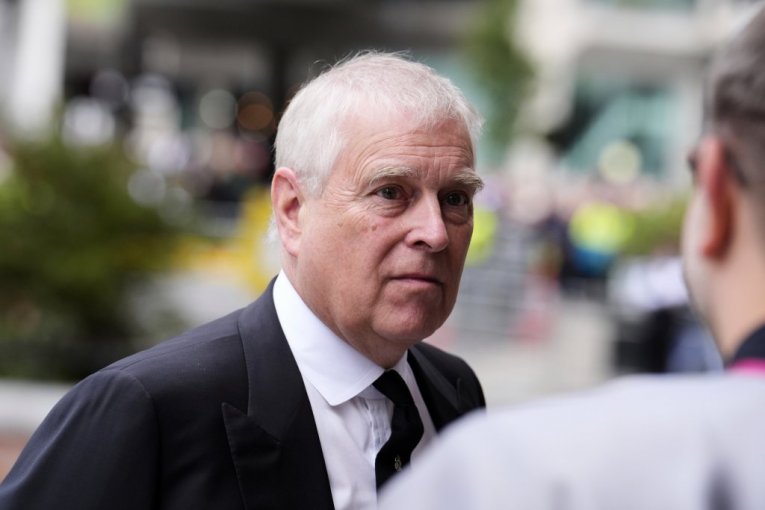
Former Prince Andrew was questioned for nearly 12 hours by Norfolk police before being released from custody without formal charges, a sequence of events that both opposition and pro-government outlets agree on. Coverage converges on core facts: the case centers on suspicions of abuse of public office, including allegations that he shared sensitive information with Jeffrey Epstein and faces related sexual abuse claims; police searches have reportedly taken place at properties in Berkshire and Norfolk; and law enforcement has emphasized that the wider investigation remains active despite his release.
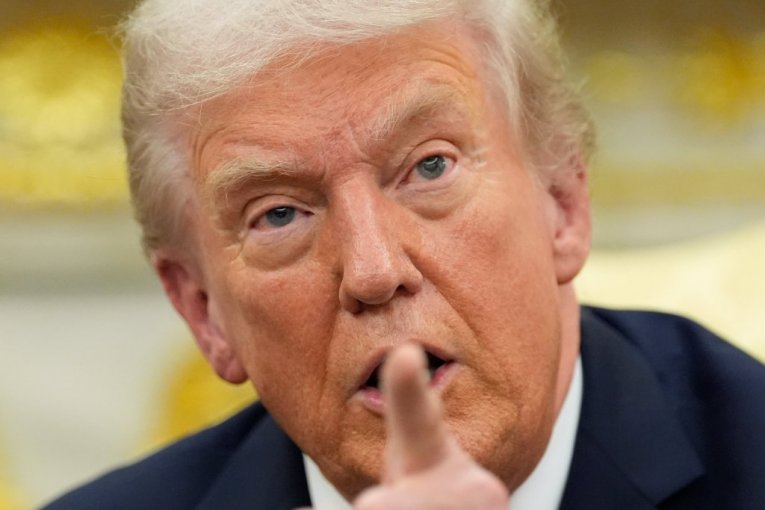
Across the spectrum, media describe the case as involving the British royal family, with King Charles III publicly stating that the law must take its course and that the family will cooperate fully with the authorities, which both sides treat as a key institutional signal. Reports also consistently note that the matter has international resonance, given Jeffrey Epstein’s notoriety and US President Donald Trump’s characterization of the situation as sad and a disgrace for the royal family, framing the episode within broader concerns about elite accountability, royal image management, and ongoing scrutiny of historical abuses.
Points of Contention
Framing of the allegations. Opposition-aligned outlets tend to present the allegations as part of a long-running pattern of elite impunity, foregrounding the Epstein connection and sexual abuse claims as central rather than incidental. Pro-government coverage, by contrast, emphasizes the technical legal framing of “suspicion of abuse of public office” and repeatedly notes that Andrew has been released without charge, implicitly downplaying the likelihood of criminal culpability.
Treatment of the royal family. Opposition sources often use the case to question the broader role and privileges of the monarchy, suggesting that royal status may still shape how aggressively the investigation proceeds. Pro-government outlets stress King Charles III’s pledge that the law must take its course and highlight the family’s stated cooperation, portraying the monarchy as respecting legal norms and distancing the institution from Andrew’s alleged conduct.
Political and international reactions. Opposition coverage tends to interpret Donald Trump’s description of the situation as disgraceful as evidence of global embarrassment for the UK establishment and as a sign that allies are openly criticizing royal scandals. Pro-government outlets more often quote Trump and other foreign reactions to underscore sympathy for the royal family and to frame the episode as a tragic but isolated incident, not a systemic indictment of Britain’s governing structures.
Ongoing investigation and accountability. Opposition media usually stress that the investigation is far from over, warning that release from custody does not equate to exoneration and calling for transparent follow‑through on the property searches and witness testimony. Pro-government reporting highlights procedural points—such as the lack of formal charges and the routine nature of questioning—to reassure audiences that due process is being followed and to temper expectations of dramatic legal consequences.
In summary, opposition coverage tends to stress systemic privilege, reputational damage, and the seriousness of the unresolved allegations, while pro-government coverage tends to foreground due process, the presumption of innocence, and the royal family’s stated cooperation as a buffer against broader institutional fallout.