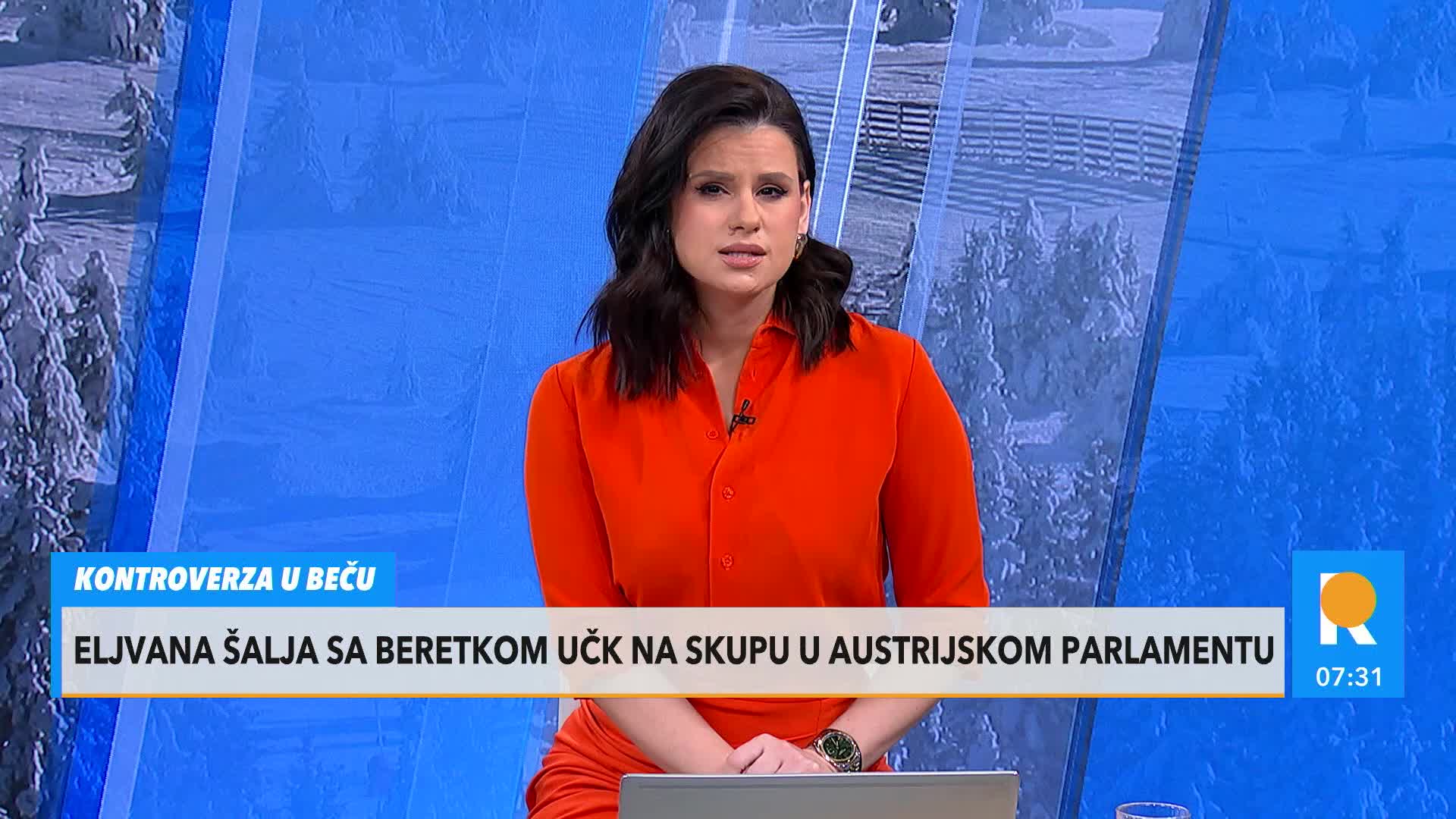

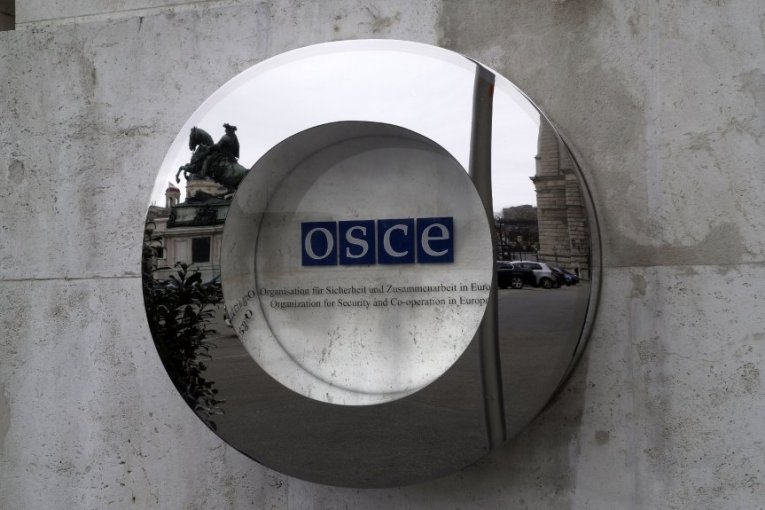
Serbian and international reports agree that an incident occurred at the UN complex in Vienna, during the "Zero Project" disability-related conference, when a participant linked to Kosovo attempted to appear with a beret bearing the emblem of the Kosovo Liberation Army (KLA/UCK). Members of Serbia’s Permanent Mission to the OSCE and UN in Vienna objected immediately, after which UN conference staff intervened, asked that the beret or symbol be removed, and made clear that such emblems are not allowed in UN premises. Both sides acknowledge that the issue centered on the visibility of the KLA/UCK symbol rather than a physical altercation, that the item was ultimately removed or hidden from view, and that the event continued without further disruption.
Coverage from both opposition-leaning and pro-government outlets broadly situates the event within the framework of UN rules on neutrality and the non‑politicization of official conferences. They agree that the UN and OSCE venues are supposed to remain spaces where national or paramilitary symbols tied to unresolved conflicts are discouraged, and that Vienna regularly hosts such multilateral gatherings. Both sides reference the broader Kosovo–Serbia dispute and the contested legacy of the KLA, and they link the Vienna episode to ongoing tensions around how Kosovo representatives and symbols are presented in international institutions. There is also shared acknowledgment that Serbian diplomacy has been increasingly active in international forums over symbols, recognitions, and narratives related to the Kosovo question.
Points of Contention
Framing of the incident. Pro-government outlets frame the episode as a decisive diplomatic victory, emphasizing that the Serbian delegation "fiercely" reacted and successfully "prevented" the display of a terrorist symbol in a UN venue. Opposition-aligned coverage is more likely to portray it as a minor protocol incident that was resolved through standard UN procedures rather than heroics, questioning whether it merits the triumphant tone given by government-friendly media. While pro-government reports highlight photos, emotive language, and the shock of Serbs in Vienna, opposition narratives would tend to minimize the dramatization and stress the routine nature of enforcing UN rules.
Portrayal of the KLA symbol and Kosovo representative. Pro-government media consistently label the KLA/UCK as a terrorist organization and describe the Kosovo representative as a "so‑called ambassador" who insulted Serbs by appearing with the beret, casting the act as a deliberate provocation. Opposition sources, while not necessarily endorsing the KLA, are more inclined to note that many Western states have cooperated with former KLA figures and that the symbol is treated differently in various international contexts, suggesting the incident reflects ongoing diplomatic ambiguity rather than a clear-cut breach. Thus, pro-government coverage morally absolutizes the symbol and the individual wearing it, whereas opposition coverage tends to place both in a more nuanced, geopolitical frame.
Evaluation of Serbian diplomacy. Pro-government outlets use the event to showcase the effectiveness and patriotism of Serbian diplomacy, underlining how quickly and "professionally" the mission reacted and how it compelled UN staff to act, presenting this as evidence that the government defends national interests abroad. Opposition-leaning commentary is more skeptical, arguing that such symbolic confrontations can be used to distract from domestic issues and that real diplomatic success should be measured by concrete outcomes on Kosovo status, integration, and rule of law rather than media‑friendly scuffles over symbols. While government-aligned media celebrate the delegation’s behavior as robust and principled, opposition media are likelier to question whether it is substance or spectacle.
Use of the episode in domestic politics. Pro-government reporting tends to integrate the Vienna incident into a broader narrative that Serbia is under constant symbolic and political pressure regarding Kosovo and that the current leadership is uniquely capable of resisting, thus reinforcing support for the ruling coalition. Opposition outlets instead are prone to argue that amplifying such episodes serves propaganda needs at home, rallying the base with stories of affront and defiance while leaving unresolved negotiations, corruption, and economic challenges unaddressed. As a result, what pro-government media present as a unifying moment of national defense, opposition voices see as communication strategy aimed at consolidating power and diverting attention from systemic problems.
In summary, opposition coverage tends to downplay the drama, question the political spin, and view the Vienna incident as a routine enforcement of UN rules woven into a broader critique of the government’s symbolic diplomacy, while pro-government coverage tends to present it as a significant diplomatic triumph that proves the current authorities’ resolve in defending Serbian interests and resisting the legitimization of KLA-linked symbols.