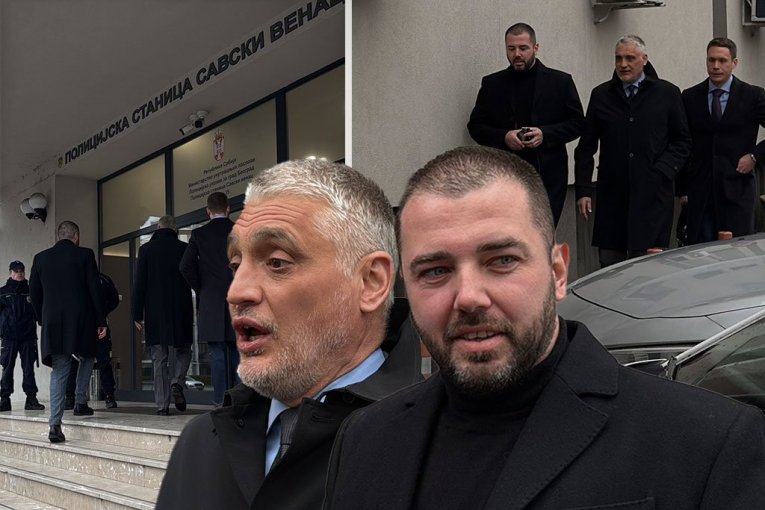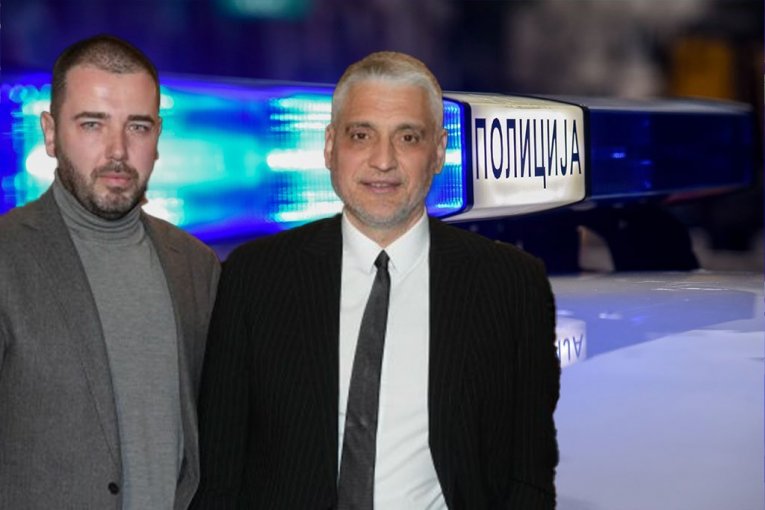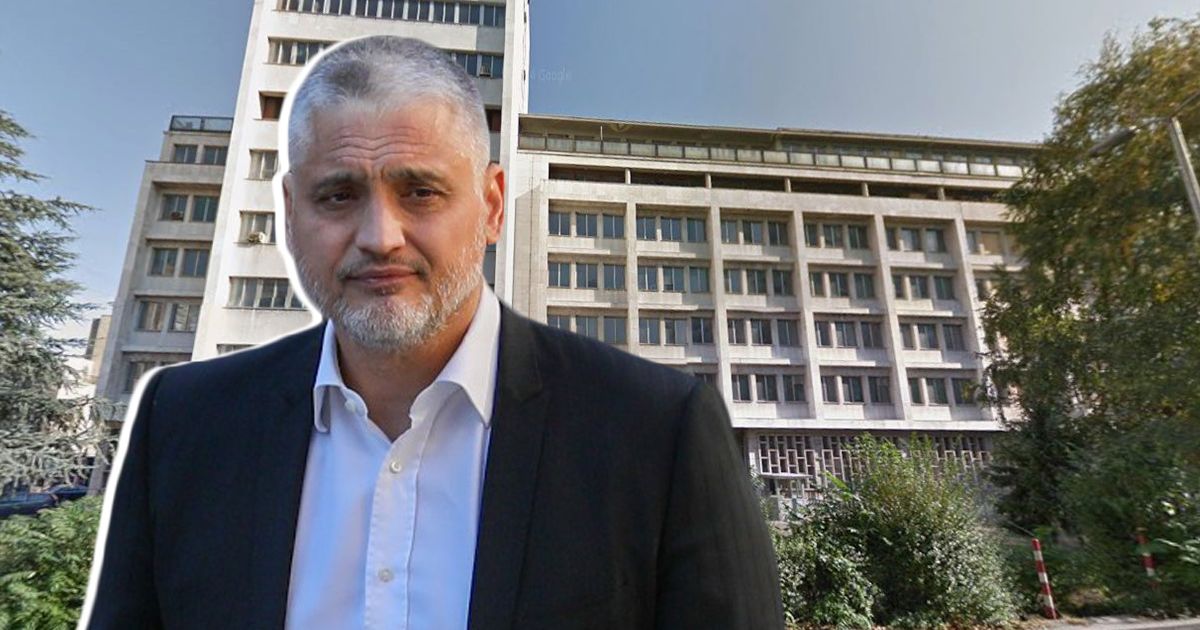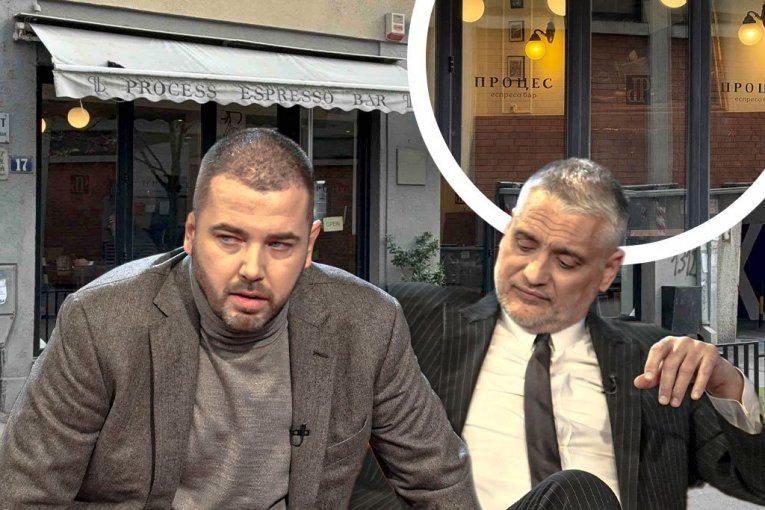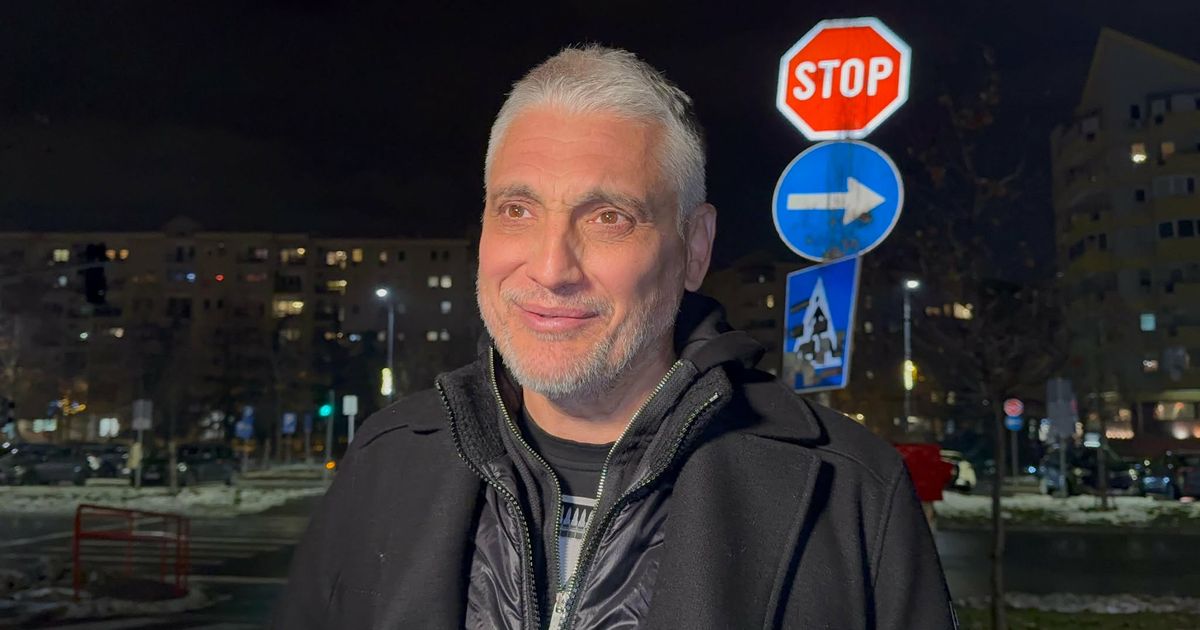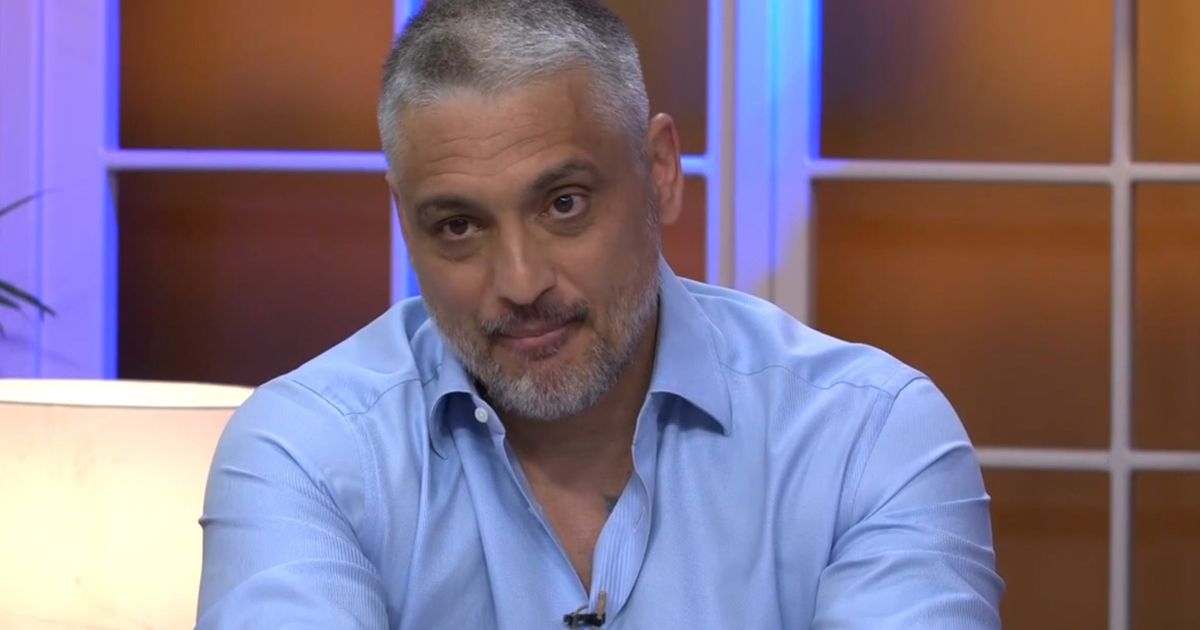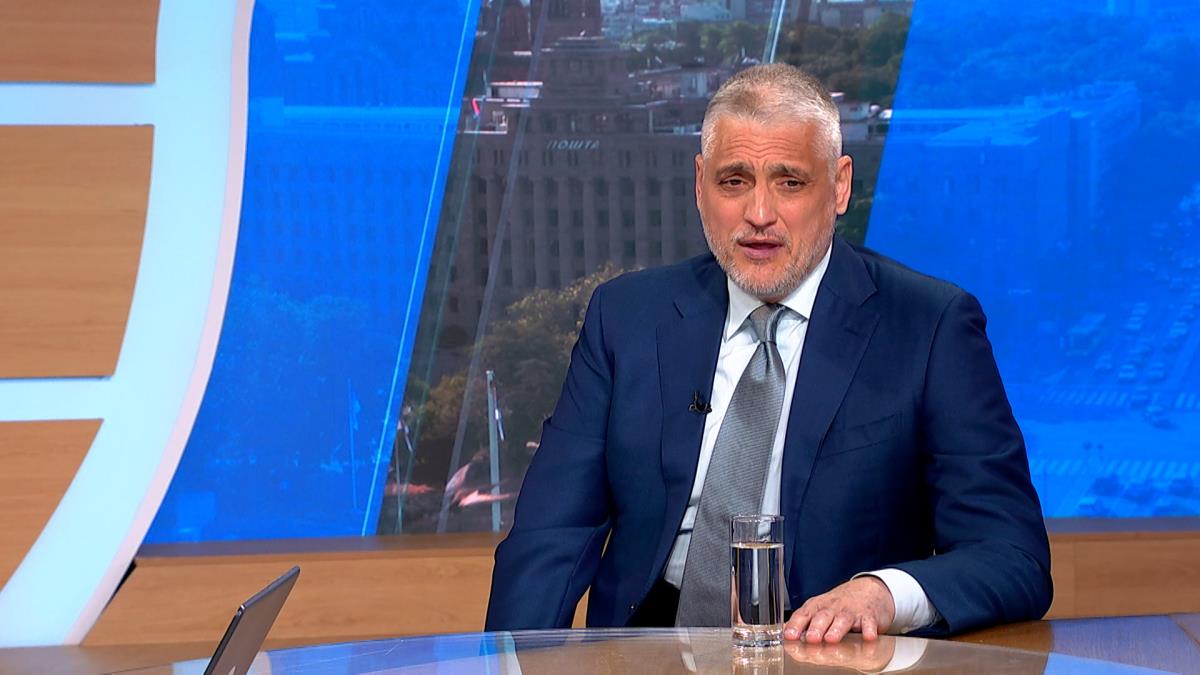



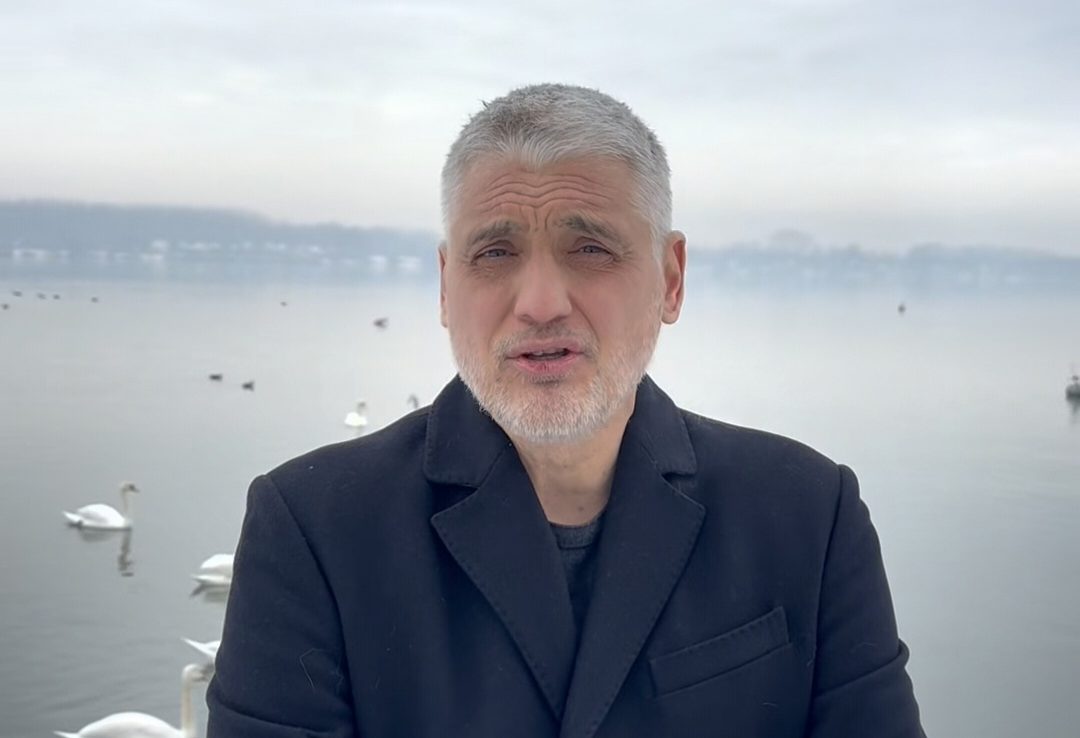
Čedomir Jovanović, a Serbian politician, was involved in a violent altercation in a Belgrade café, described in all outlets as starting with a verbal dispute and escalating into a physical fight that caused visible injuries and property damage. Coverage consistently places the incident on February 19 in a central Belgrade establishment, notes that other people present (including lawyers and business associates) became involved or affected, and that furniture and objects were thrown or overturned, leaving the premises partially demolished. Both sides report that police were called to the scene and that the First Basic Public Prosecutor’s Office has since ordered collection of witness statements, video surveillance footage, and other evidence to determine whether criminal charges will be filed against any participants.
Across outlets, there is agreement that Jovanović and at least one lawyer, most prominently attorney Žarko Mladenović, were central figures in the clash, and that another associate, Aleksandar Kos, was also present and later commented publicly. All reporting acknowledges the existence of security cameras in the café and treats the video as key evidence that should clarify who initiated the physical violence and how the confrontation unfolded. Both opposition and pro-government sources frame the incident against Jovanović’s broader public profile as a controversial, high‑visibility figure, and they note that his conduct and public statements after the event—particularly interviews given to the media and his formal police complaint—will be evaluated within the institutional framework of the police investigation and prosecutorial oversight.
Points of Contention
Initiation of violence. Opposition-aligned coverage largely relays Jovanović’s narrative that he was first subjected to harsh verbal insults targeting him and his family by an unknown man, and that he only reacted after sustained provocation. Pro-government outlets, however, amplify Mladenović’s claim that Jovanović was the one who provoked the situation, approached their table, and then escalated it by allegedly throwing a chair and striking the lawyer. While both sides accept that words and insults preceded any blows, opposition reports emphasize Jovanović’s attempt to ignore or de-escalate, whereas pro-government pieces foreground testimonies that describe him as the primary aggressor who “mauled” a lawyer.
Characterization of injuries and brutality. Opposition sources downplay graphic detail and focus more on Jovanović’s emotional state, describing him as shaken and disturbed by the attack, with minimal elaboration on the extent of others’ injuries. Pro-government outlets instead highlight sensational descriptions of a “brutal fight,” “bloody head,” a “torn temple,” and chilling scenes, repeatedly stressing the seriousness of Mladenović’s head injuries and the fear in the café. In this framing, Jovanović’s actions are portrayed as disproportionately violent, while opposition-friendly narratives implicitly question the severity or one-sidedness of the harm described in pro-government media.
Portrayal of motives and moral standing. Opposition-leaning reporting frames the attacker as a nationalist-tinged provocateur “defending Serbia” from Jovanović, casting the politician as a victim of political or personal hatred who resists living under permanent security protection. Pro-government coverage gives more space to Mladenović’s account of a routine business meeting disturbed by Jovanović’s alleged ego and aggression, suggesting the conflict stemmed from the politician’s temperament rather than political victimhood. Thus, opposition narratives present Jovanović as targeted for who he is and what he represents, whereas pro-government narratives present him as a volatile figure whose behavior endangered others.
Use of evidence and media spin. Opposition narratives stress that Jovanović himself called for camera footage to be reviewed and for a thorough police investigation, using this to imply confidence that video will corroborate his version. Pro-government outlets also invoke the surveillance footage and prosecutorial steps, but often in the context of disputing earlier reports they say whitewashed Jovanović’s role, with Mladenović and some witnesses accusing certain media of misrepresentation. Where opposition coverage treats the forthcoming evidence as a path to vindicating Jovanović, pro-government coverage frames it as the mechanism that will expose his alleged violence and correct a distorted media narrative.
In summary, opposition coverage tends to present Čedomir Jovanović as a provoked victim of a politically tinged attack whose reaction must be seen in the context of sustained verbal abuse, while pro-government coverage tends to cast him as a primary aggressor whose violent outburst gravely injured a lawyer and will be scrutinized by prosecutors using video and witness evidence.
Story coverage