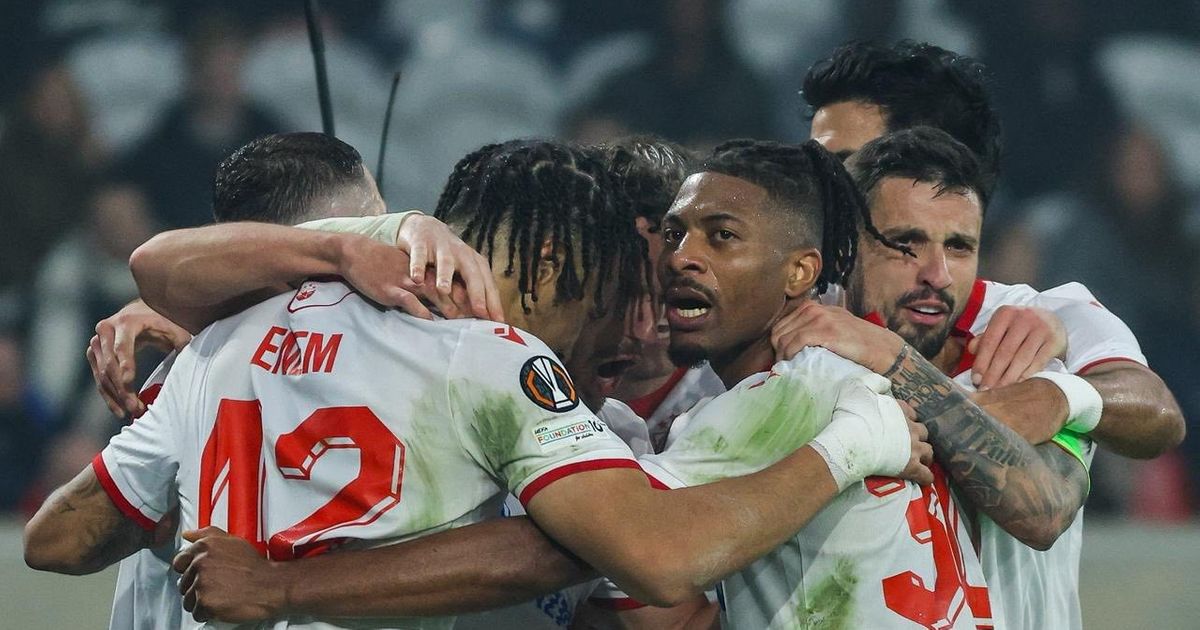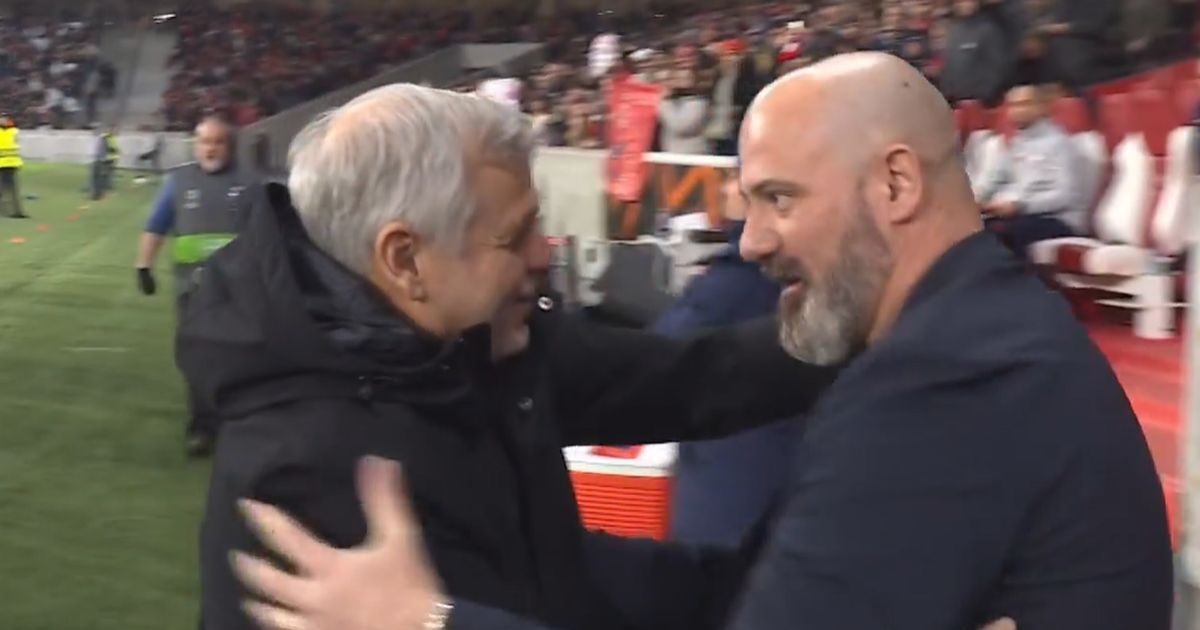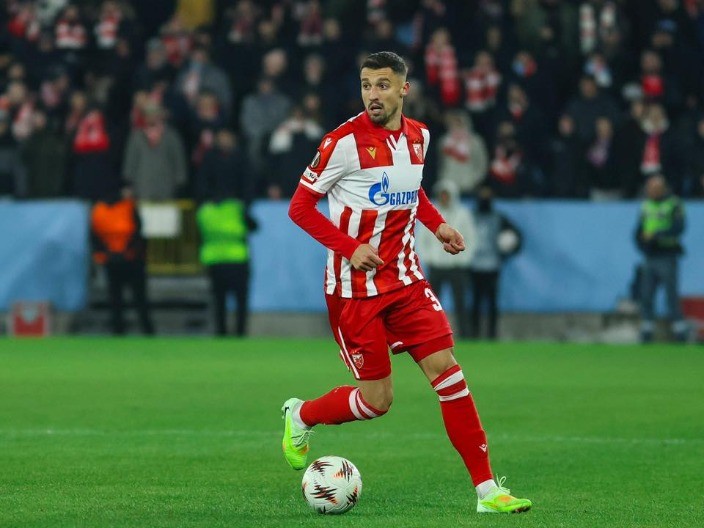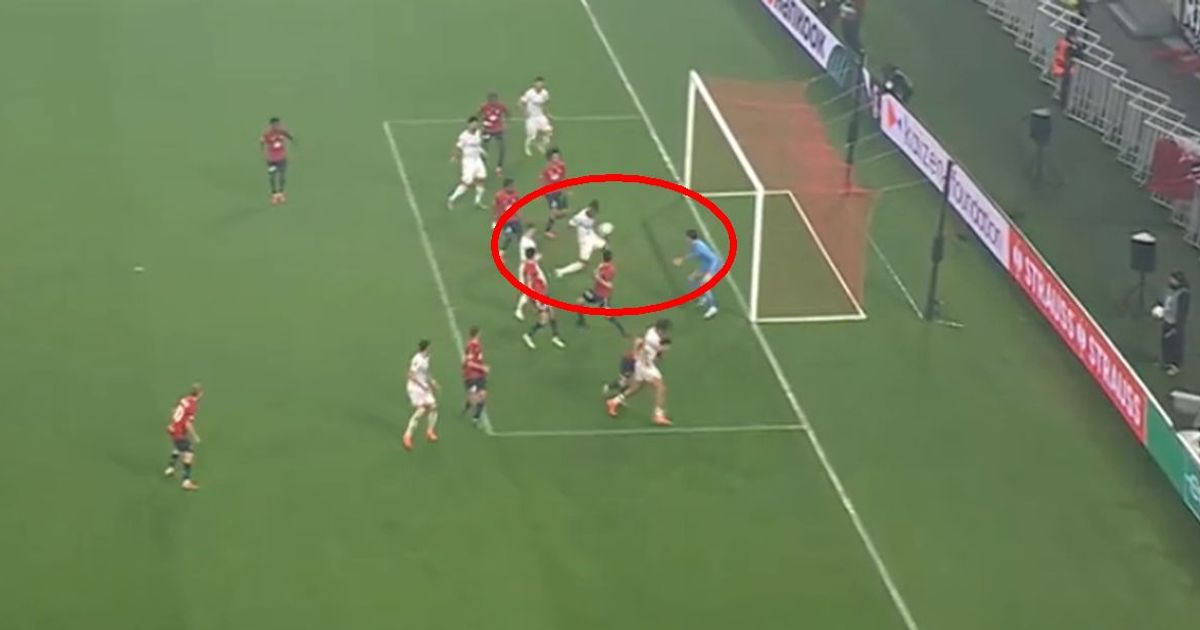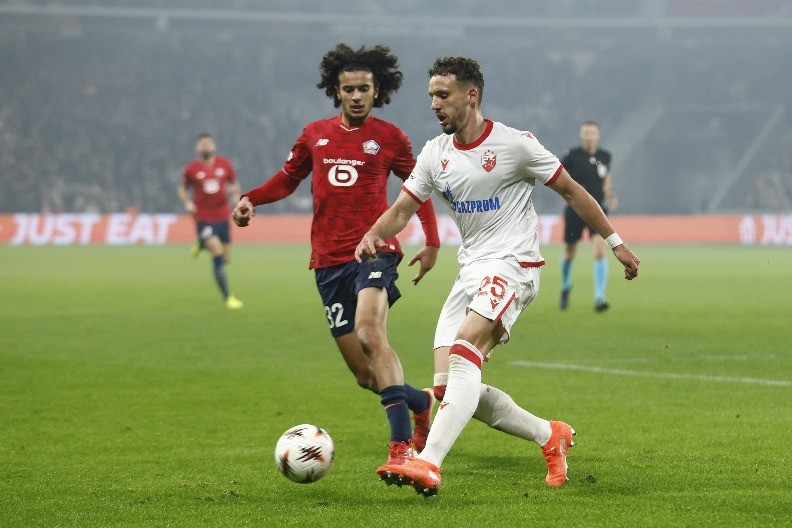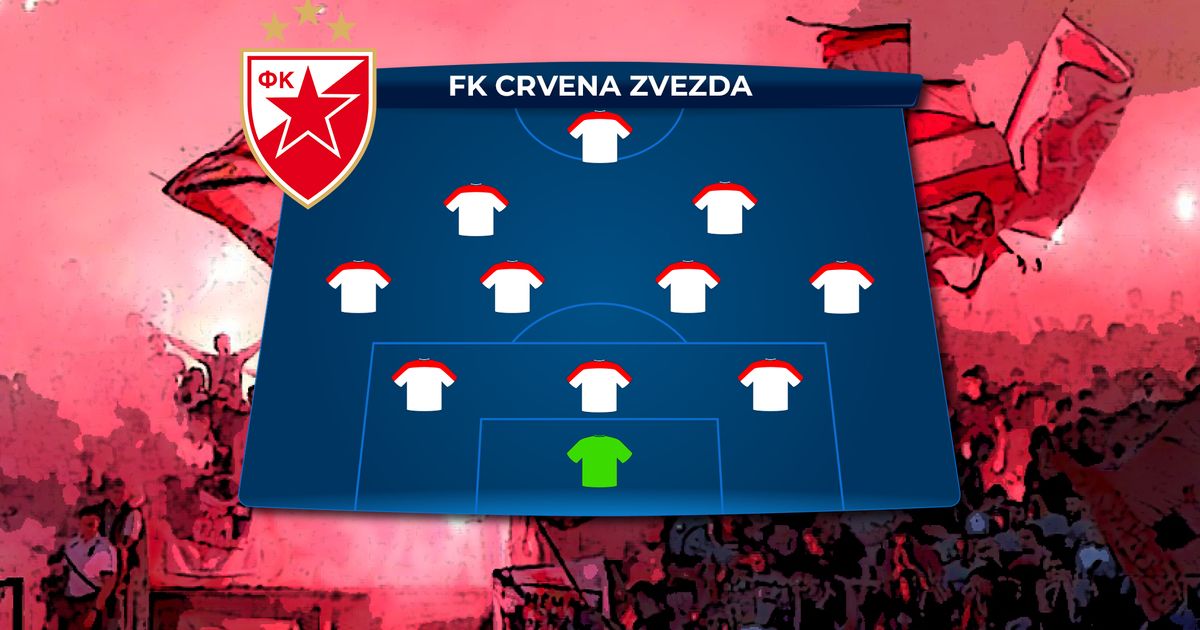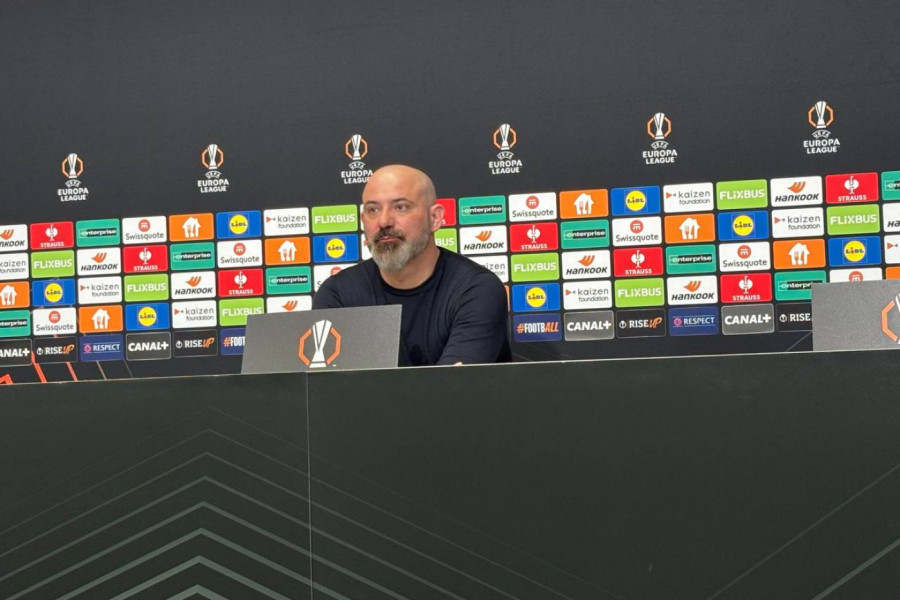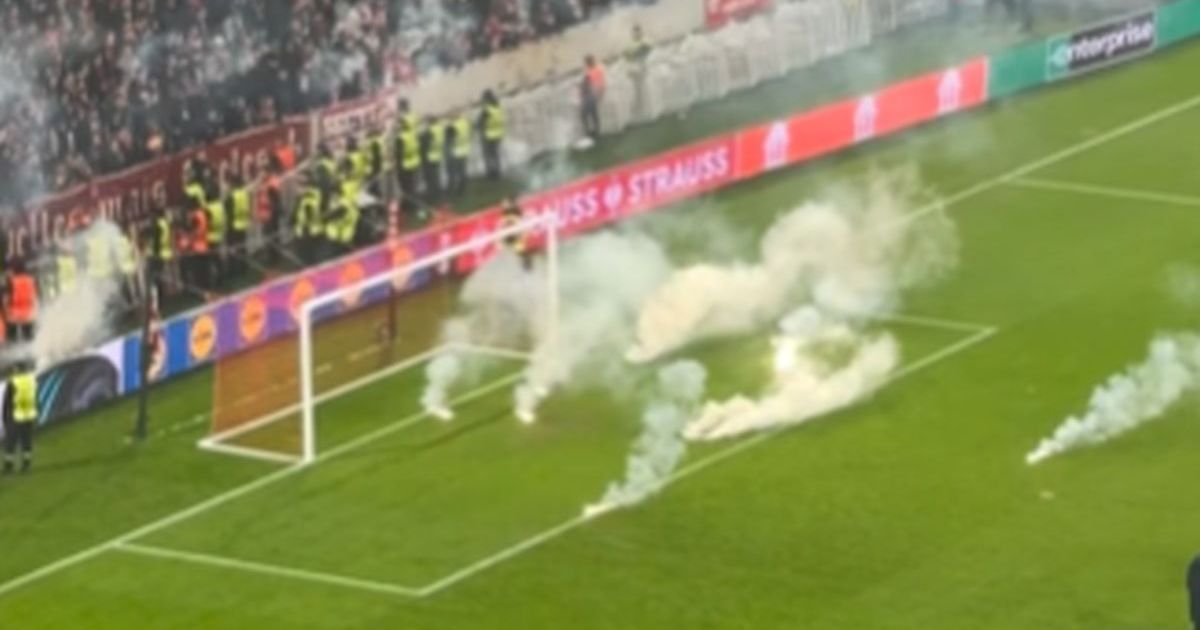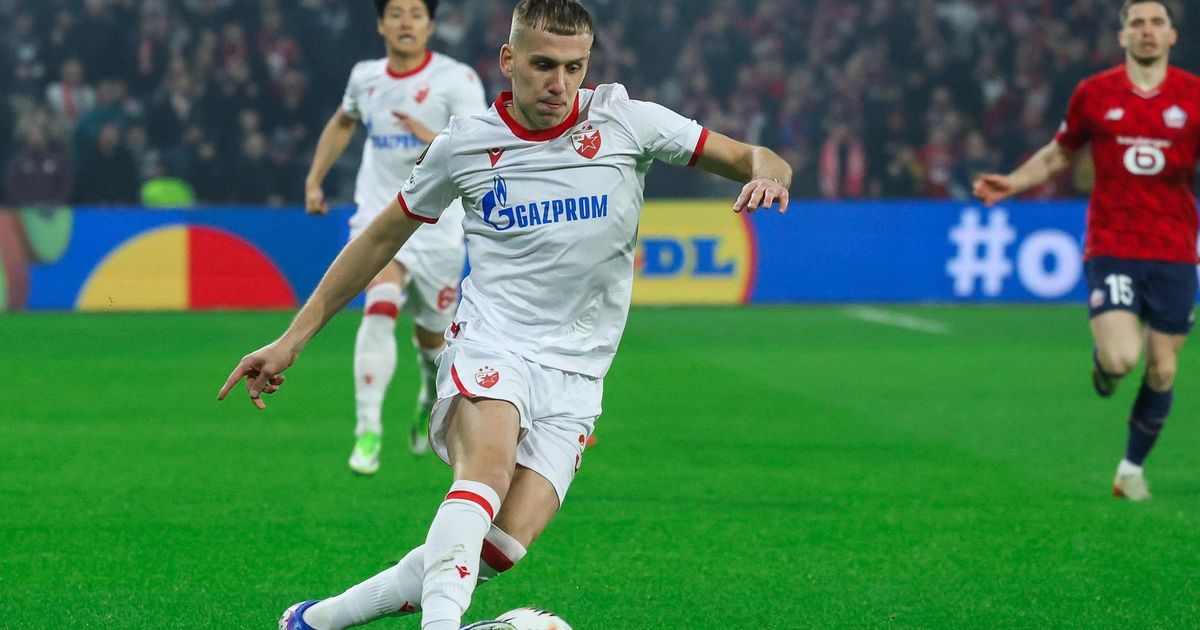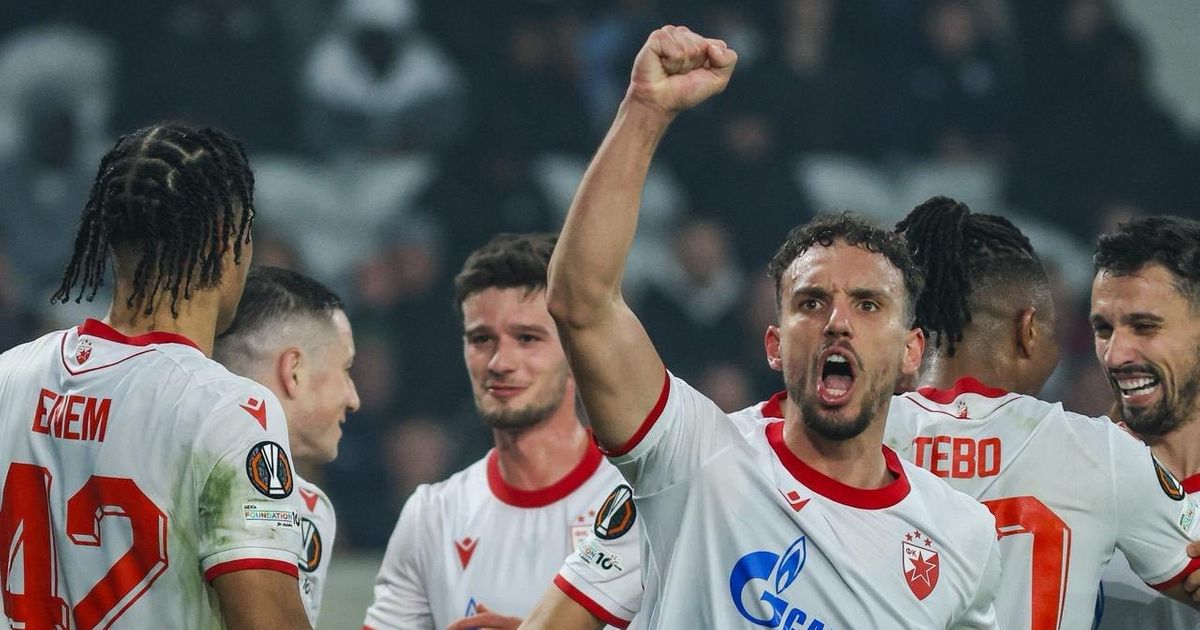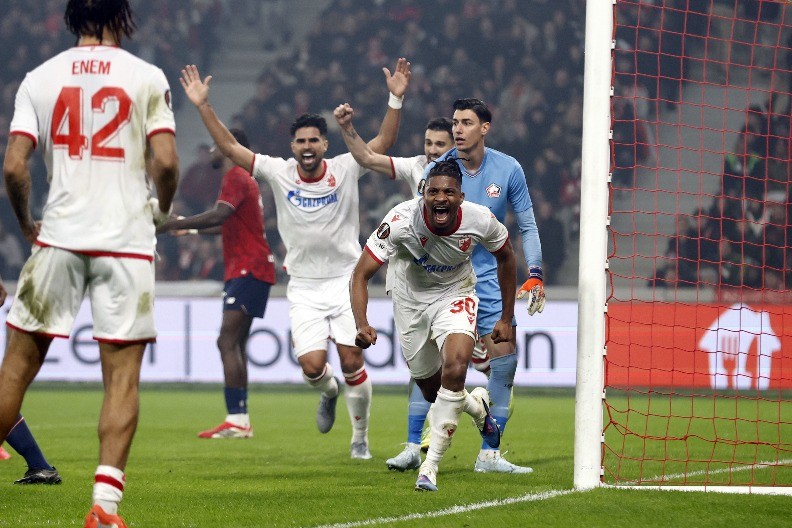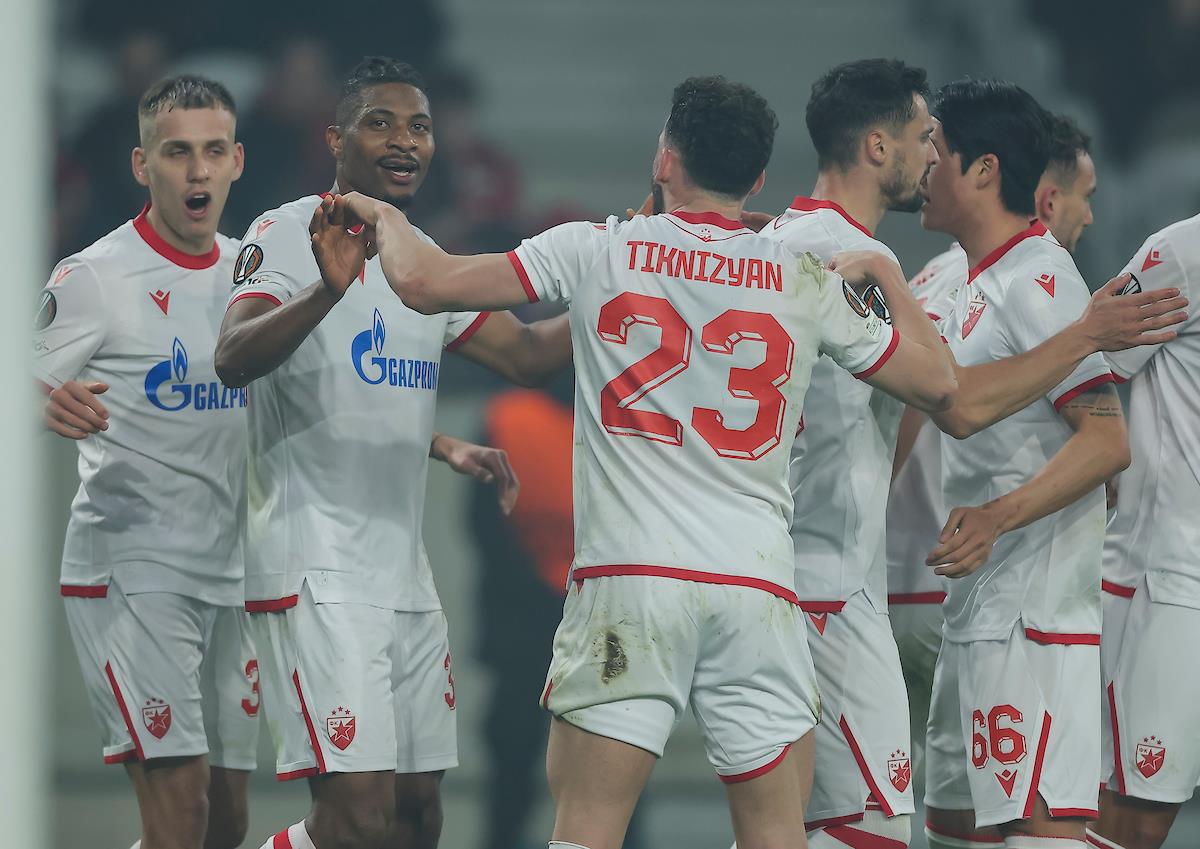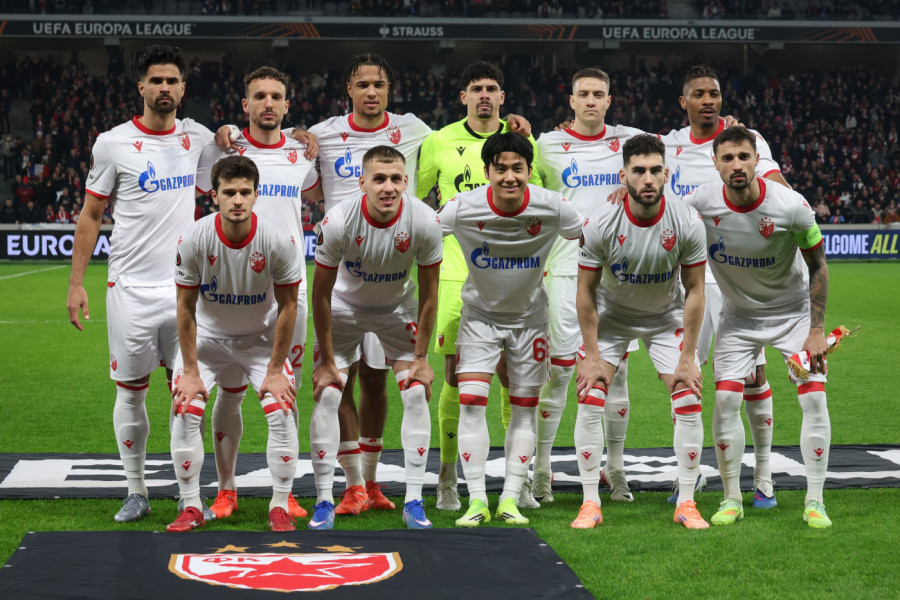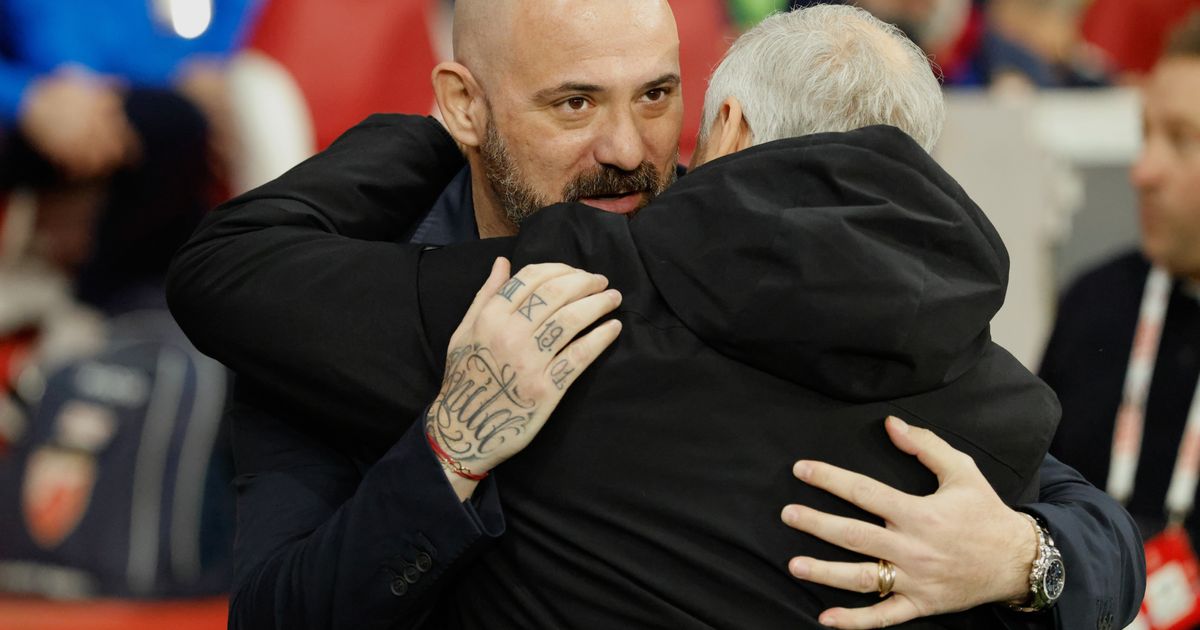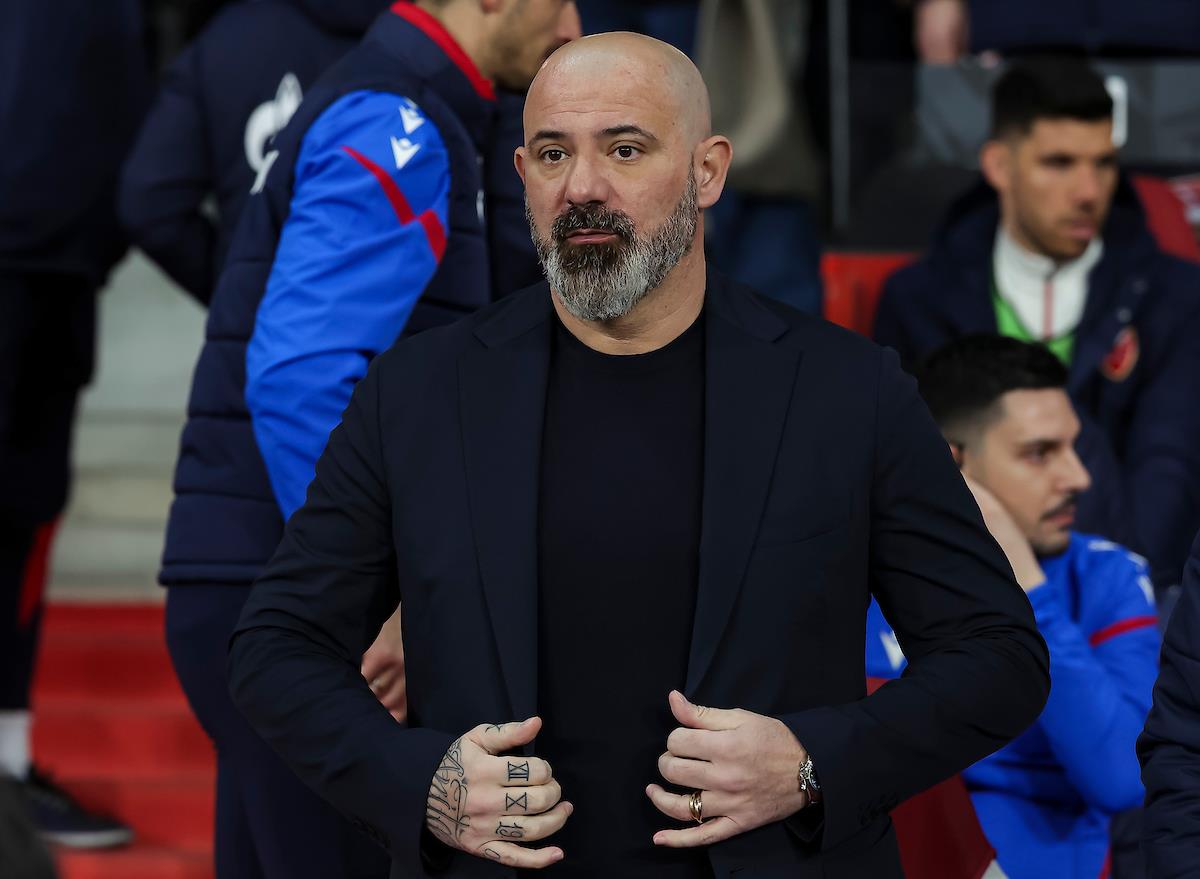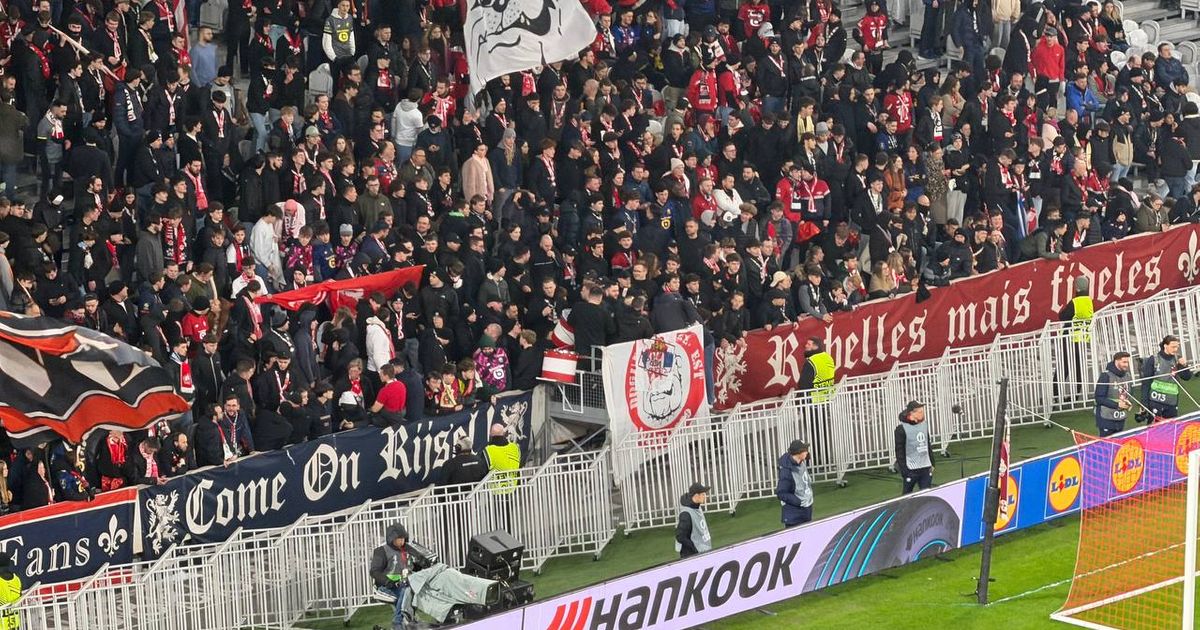



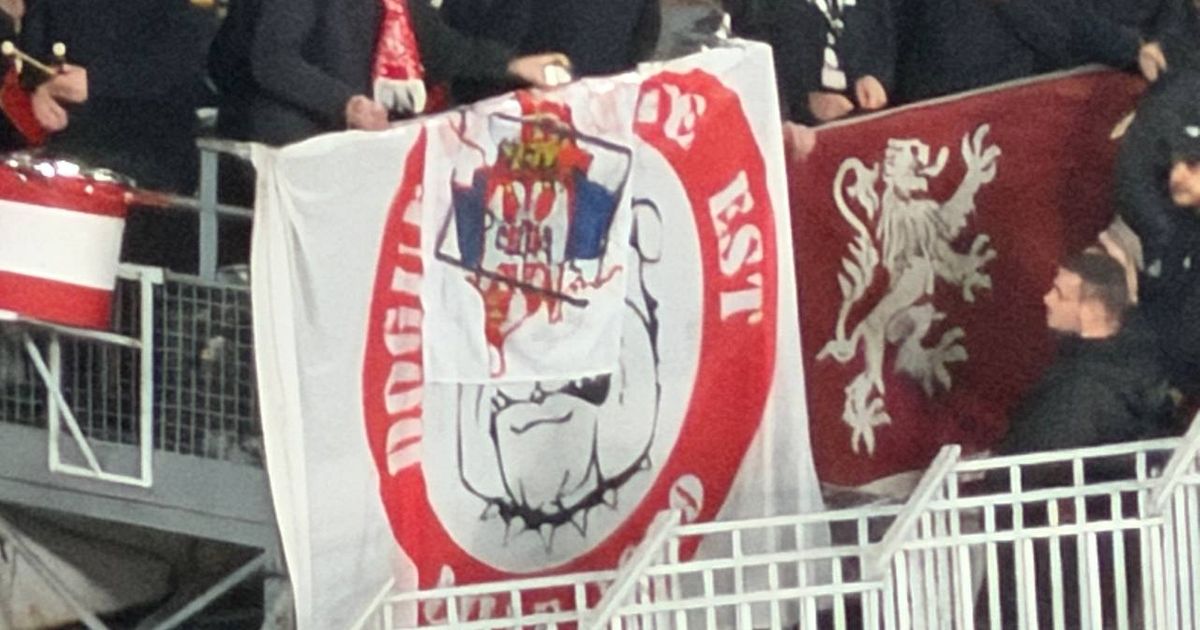
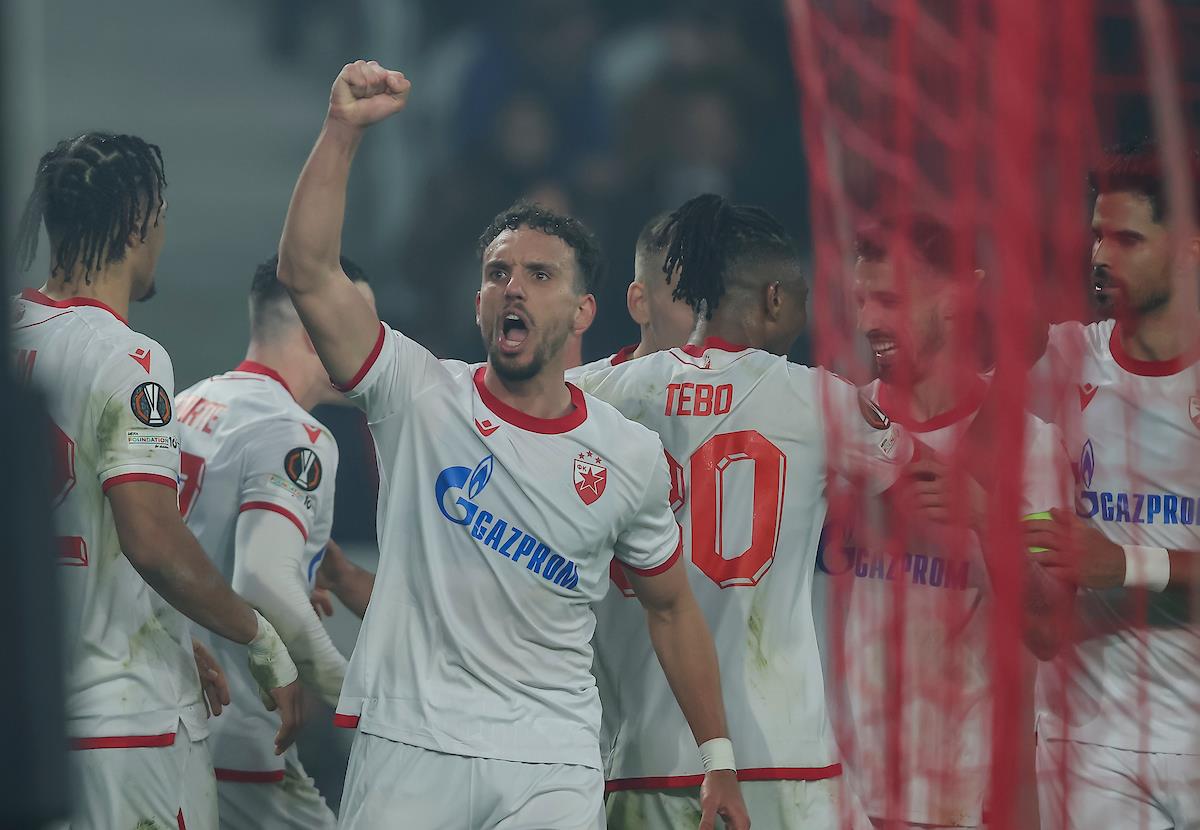
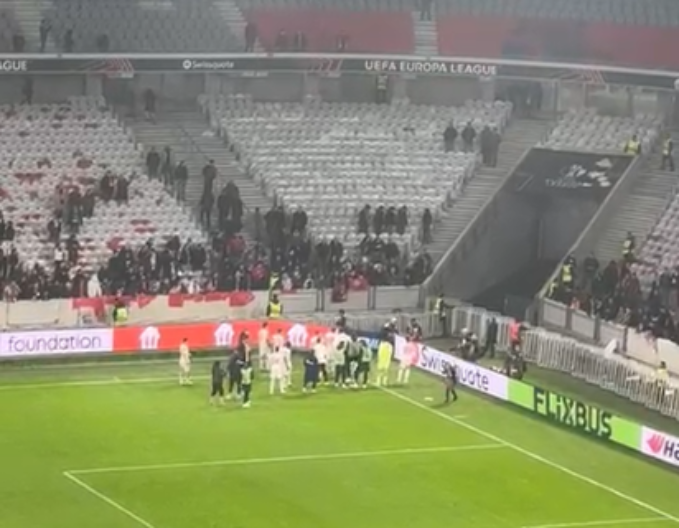
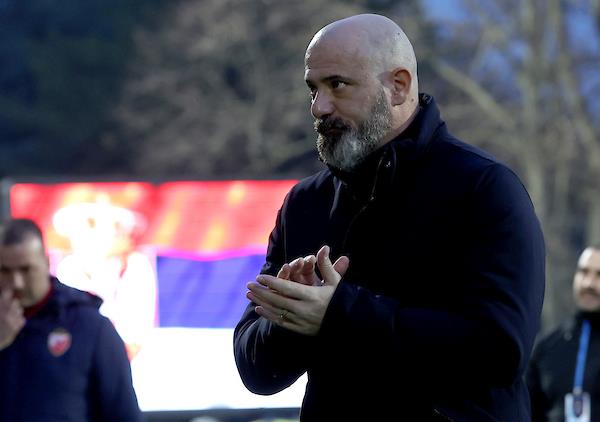
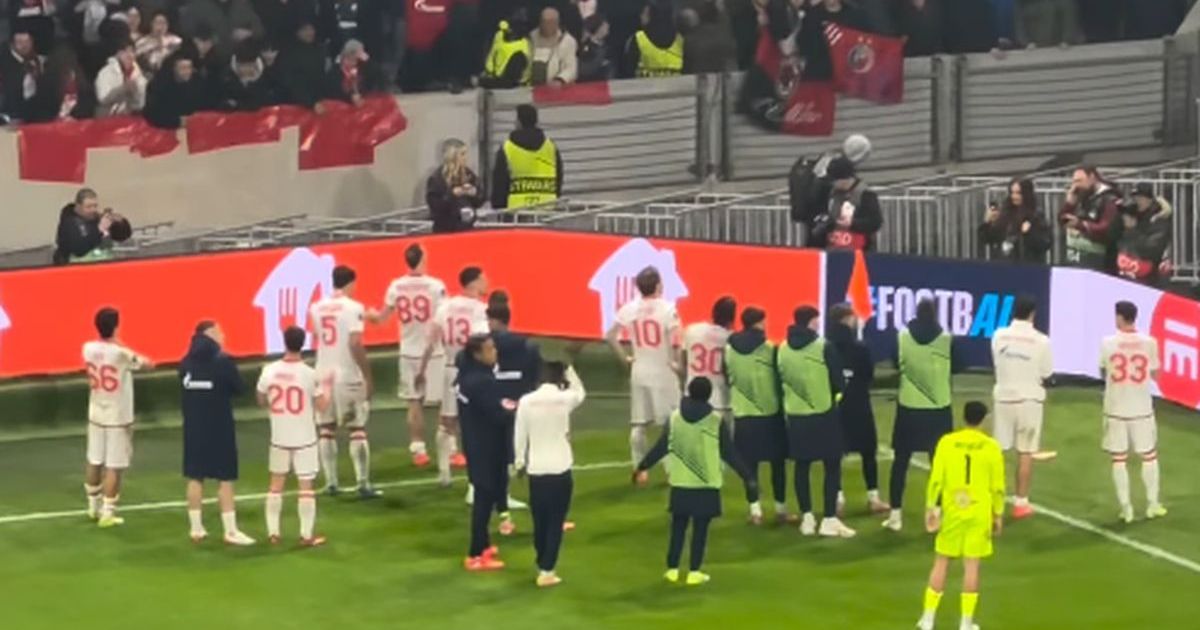
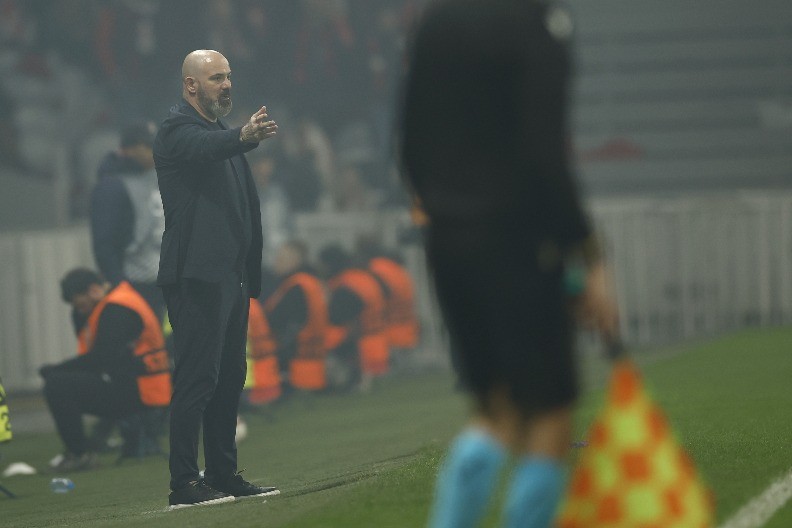
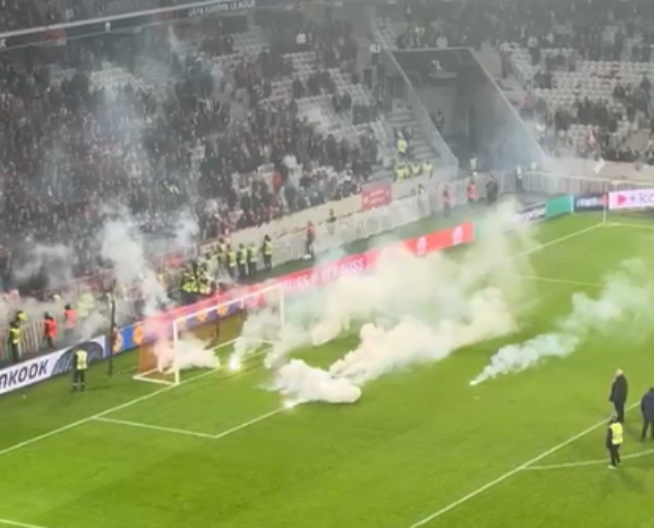
Crvena zvezda’s 1-0 away win over Lille in the first leg of their Europa League playoff tie in France is reported across the spectrum as a historic result: their first victory on French soil and a major step toward the round of 16. Coverage agrees that the only goal came in first-half stoppage time from Franklin Tebo Učena after a corner, that Lille failed to create serious chances or a shot on target, and that Red Star looked tactically disciplined and physically superior. Both sides note that Dejan Stanković surprised with his starting lineup and three-centre-back system, that several players delivered standout performances in midfield and defense, and that the result gives Red Star a slim but significant lead ahead of the return leg in Belgrade. There is also common acknowledgment of post-match unrest among Lille supporters, including flares and objects thrown toward their own players, and of the visible joy and celebrations of Red Star fans and players.
Outlets on both sides also present similar background context: Red Star are reigning Serbian champions aiming not only to participate but to be competitive deep into European competitions, and this match is framed as part of a longer-term European resurgence for both the club and Serbian football. Reports emphasize that Stanković has tried to build a side capable of matching Western European teams in intensity and pressing, and that this win fits into that strategic arc. It is likewise broadly agreed that the schedule is congested, with the eternal derby against Partizan coming immediately after Lille, and that both players and staff are already publicly shifting some focus toward that domestic showdown. Both camps also mention the emotional and political dimension around Kosovo-related banners in the stadium, though usually as a side note to the footballing story.
Points of Contention
Significance of the victory. Opposition-aligned sources are more likely to frame the win as impressive but not epochal, stressing that Lille is a struggling side this season and warning against overhyping a single result as proof of systemic success. Pro-government outlets, by contrast, describe the match as a “historic success” and a milestone for Serbian football, frequently presenting it as evidence that Red Star is now on par with established Western European clubs and treating the triumph as validation of the club’s and state’s broader sporting ambitions.
Credit and responsibility. Opposition coverage tends to distribute credit more evenly—highlighting individual player quality, Lille’s poor performance, and broader European experience—while also pointing out structural issues in Serbian football that one win cannot fix. Pro-government media heavily personalize the achievement, spotlighting Stanković’s “doctoral dissertation” in tactics, praising club director Zvezdan Terzić’s “visionary” long-term planning, and casting the squad as “20 lions,” thereby tying success to current club management and, implicitly, to the political environment backing them.
Narrative around institutions and politics. Opposition-aligned outlets usually separate the footballing feat from domestic politics, presenting Red Star’s win as a sporting achievement that should not be instrumentalized to gloss over governance, corruption, or broader social problems. Pro-government coverage, however, frequently links the result to institutional progress, portraying Red Star as a flagship of a resurgent Serbian brand abroad and weaving in themes of national pride, unity around Kosovo symbolism, and the benefits of “stability” under current leadership, even when not naming political actors directly.
Framing of fans and atmosphere. Opposition media are more inclined to contextualize fan scenes—both Delije’s celebrations and Lille supporters’ unrest—as part of wider European ultra culture, sometimes noting uncomfortable nationalist overtones and potential UEFA repercussions. Pro-government outlets largely romanticize the atmosphere, glorifying Delije’s songs, emphasizing respectful gestures like the “No Surrender” Kosovo banner from Lille fans as a moral victory for Serbia, and downplaying any problematic aspects or security concerns in favor of a narrative of mutual respect and patriotic emotion.
In summary, opposition coverage tends to treat the 1-0 in Lille as a big but bounded sporting success, keeping it separate from political credit-claiming and warning against triumphalism, while pro-government coverage tends to elevate the match into a symbol of national and institutional renaissance, closely associating the result with current club leadership, patriotic narratives, and the broader political status quo.
Story coverage
pro-government
CRAZY SCENES Lille Fans Threw Flares at Their Own Footballers
Turbulent scenes in France
24 days ago