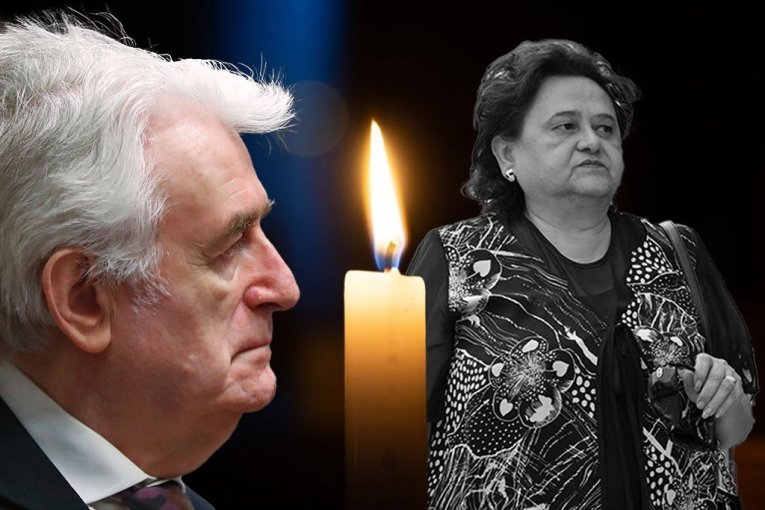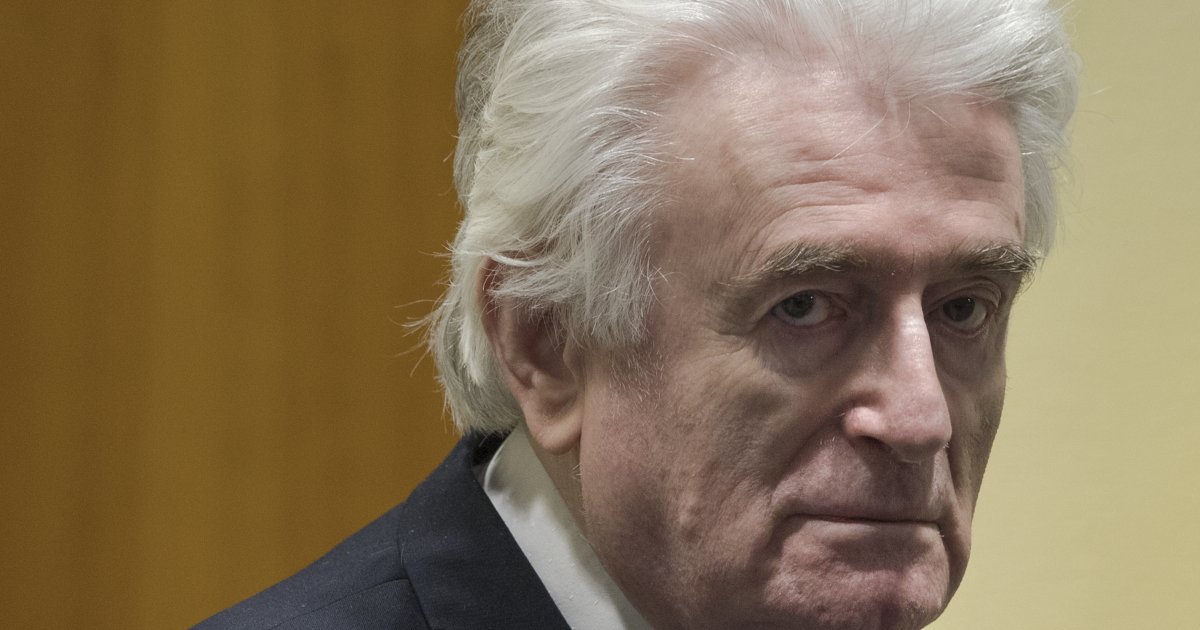

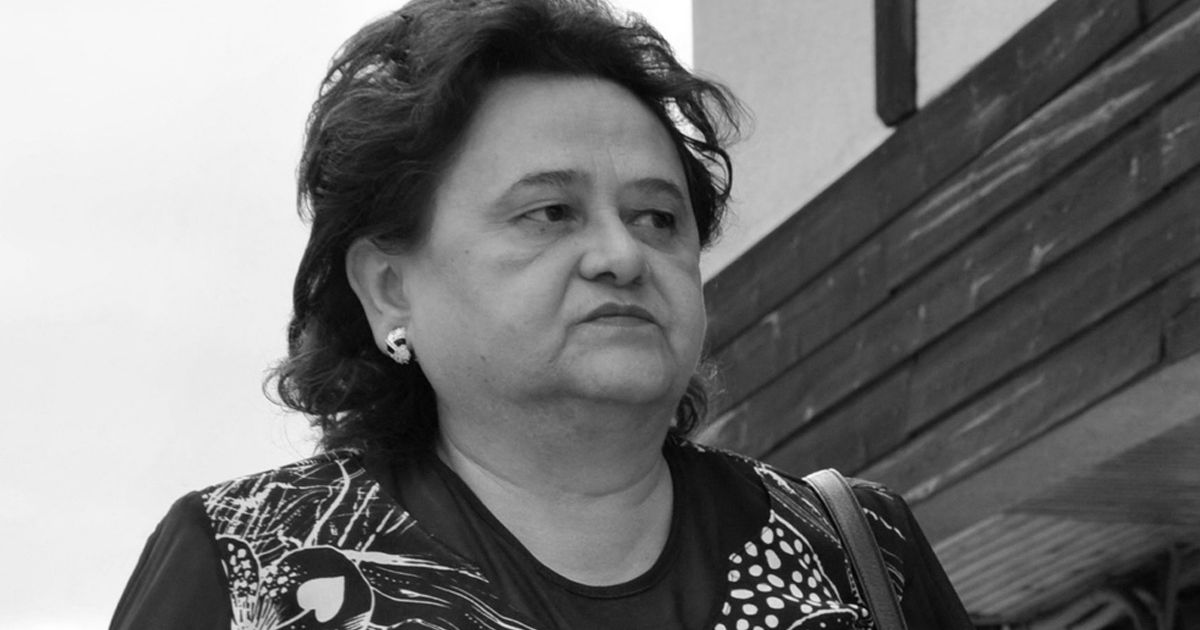
Ljiljana Zelen Karadžić, the wife of former Republika Srpska president Radovan Karadžić, has died at the age of 81 in Istočno Sarajevo. Both opposition and pro-government outlets agree that she was a trained neuropsychiatrist and that she served as president of the Red Cross of Republika Srpska during the 1990s and early 2000s, generally cited as 1993 to 2002. Coverage on all sides notes that details of her funeral arrangements were initially pending and that her death has prompted questions about whether Radovan Karadžić, currently serving a life sentence in the United Kingdom for war crimes following his conviction by international tribunals, might be allowed to attend the funeral.
Across the spectrum, outlets describe Ljiljana as a long-time partner who met Radovan Karadžić while they were students and who remained an important figure in his life through his political rise, period as a fugitive, and eventual trial. Media on both sides reference the institutional framework around his imprisonment, pointing to the role of the International Residual Mechanism for Criminal Tribunals in The Hague and its procedures for any temporary release. There is shared acknowledgment that the tribunal has declined public comment on the possibility of his attendance at the funeral, emphasizing that such decisions follow a confidential, case-by-case process governed by international legal rules and cooperation with the UK authorities.
Points of Contention
Framing of Ljiljana’s public role. Opposition-aligned outlets are likely to portray Ljiljana’s positions in the Red Cross of Republika Srpska and her proximity to power as part of a broader wartime political network that benefitted from the conflict and post-war patronage. Pro-government outlets emphasize her medical background and humanitarian leadership, presenting her primarily as a doctor and Red Cross official devoted to helping Serb civilians during and after the war. While opposition pieces stress how such roles intertwined with the wartime apparatus and nationalist project, pro-government media downplay political implications and highlight personal modesty and discretion.
Association with war crimes legacy. Opposition sources tend to foreground Radovan Karadžić’s conviction for genocide and other war crimes when reporting on her death, using the story to remind readers of the human cost of his policies and to question any sympathetic framing of his family. Pro-government outlets mention his conviction as a formal fact but generally treat it as background, focusing on his status as the first president of Republika Srpska and on the family’s suffering, including his long imprisonment and now the loss of his wife. Opposition narratives often stress moral responsibility of those close to him, whereas pro-government narratives treat Ljiljana as largely separate from, or at most a loyal spouse to, a controversial historical figure.
Temporary release and funeral attendance. Opposition coverage is inclined to scrutinize any possibility of temporary release for Radovan Karadžić, warning against humanitarian gestures that could be read as relativizing his crimes or giving him a political stage. Pro-government media instead frame the question of his attendance as a matter of basic human and family rights, highlighting procedural opacity in The Hague’s response and suggesting that denying him farewell to his wife would be unnecessarily harsh. The former stresses the primacy of justice and victims’ perspectives in such decisions, while the latter accentuates compassion and the precedent of humanitarian leave granted to other prisoners.
Symbolic meaning for Republika Srpska. Opposition-aligned outlets are likely to treat her death as a relatively private event with limited political significance, or as a reminder of an era they view as burdening the region with isolation and unresolved crimes. Pro-government sources cast her passing as the end of a generation closely linked to the founding of Republika Srpska, emphasizing continuity of identity and sacrifice and inviting public condolences from current officials. In the opposition framing, the symbolism is cautionary and tied to a problematic legacy, whereas in pro-government reporting it is memorial and integrally linked to the state-building narrative of the Serb entity.
In summary, opposition coverage tends to connect Ljiljana Zelen Karadžić’s death to the darker legacy of Radovan Karadžić’s rule and the ethics of commemorating figures around him, while pro-government coverage tends to highlight her personal and humanitarian roles, stress family tragedy, and question whether international institutions will show leniency over her funeral.