
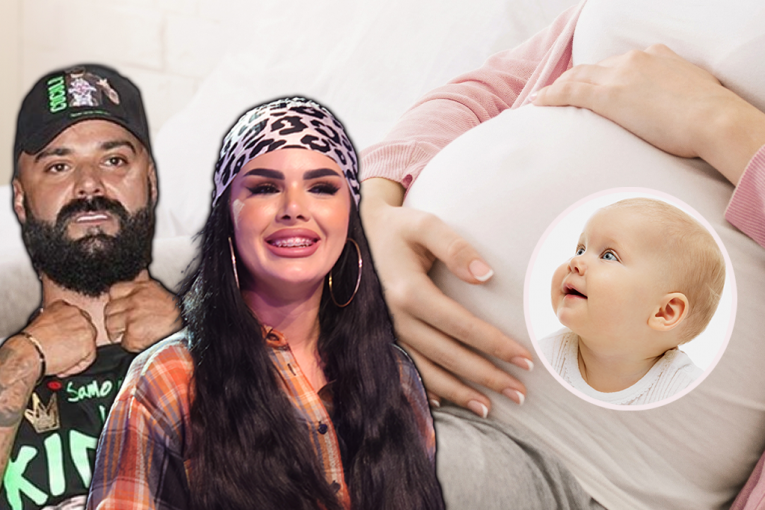
Three contestants on the reality show "Elita 9"—Mina Vrbaški, Luka Vujović, and Anita Stanojlović—have been penalized for rule violations related to a task and conduct in the house. Across outlets, it is reported that the penalties took the form of docking or fully forfeiting their monthly fees, with Mina and Luka sanctioned for refusing to participate in the "Destiny's Handcuffs" (or "Destiny Cuffs") task, and Anita additionally punished for statements the production characterizes as lies about the show and its organizers. The incidents center on Luka’s refusal to be handcuffed to fellow contestant Aneli Ahmić for the task, reportedly under pressure from his partner Anita, which the production treated as a serious breach of obligations. Coverage also agrees that these sanctions were imposed directly by the production, framed as an urgent or strong reaction by the "Big Boss" of the show, and that the rule-breaking is part of a larger pattern of turbulence in Luka and Anita’s relationship on air.
Reports further concur that the disciplinary measures come against a backdrop of ongoing relationship drama between Luka and Anita, which has become a central storyline of "Elita 9". Both sides describe that Luka and Anita’s conflicts have escalated to extreme emotional reactions, including Anita’s intense jealousy over Luka’s association with Aneli and at least one incident of property damage in the house. Media of all alignments also highlight the broader context of the show’s format: contestants are contractually bound to complete production-devised tasks, and financial penalties are a standard enforcement tool when they refuse or undermine those tasks. There is shared acknowledgment that the pregnancy narrative—Luka’s claim that Anita might leave the show pregnant, despite their unstable relationship—intertwines with the disciplinary story, raising questions about the couple’s future while underscoring the show’s reliance on highly charged personal drama.
Points of Contention
Framing of the penalties. Opposition-aligned outlets tend to portray the financial sanctions as heavy-handed instruments used by the broadcaster and production to assert control, suggesting the penalties may be disproportionate and designed to intimidate contestants. Pro-government outlets, by contrast, emphasize that the sanctions are a necessary, rules-based response to clear violations, stressing that Mina, Luka, and Anita knew the task obligations and chose to defy them. Opposition coverage is more likely to question whether the punishment fits the offense and to hint at an underlying power imbalance, while pro-government sources focus on the deterrent function of fines and present them as standard practice in reality formats.
Characterization of contestants and motives. Opposition sources are more inclined to humanize the three penalized contestants, depicting them as emotionally overwhelmed individuals navigating a manipulative environment, with Anita’s jealousy and Luka’s hesitation framed as understandable reactions to provocation. Pro-government coverage instead leans into moralizing language, casting Anita’s statements as lies against the network, Luka’s refusal as unprofessional, and Mina’s non-compliance as a straightforward breach of contract. Where opposition outlets might stress vulnerability and psychological pressure as partial excuses, pro-government outlets stress personal responsibility and the need for discipline.
Role and conduct of the production. Opposition-aligned reporting typically raises doubts about the neutrality and transparency of the production, implying that tasks like "Destiny's Handcuffs" are engineered to inflame conflict and then punished selectively to drive ratings, with the broadcaster shielded from scrutiny. Pro-government outlets laud the production’s "urgent" reaction, insisting that the Big Boss is protecting the show’s integrity and the network’s reputation against defamatory claims and task sabotage. The former tends to frame production as a powerful actor that may be overreaching or exploiting contestants’ private lives, while the latter frames it as a necessary authority figure ensuring order.
Use of pregnancy and family themes. Opposition coverage, where it engages this angle, is more likely to treat the pregnancy narrative and talk of Anita leaving the show pregnant as a sensationalized storyline that raises ethical concerns about exploiting family planning and a child’s future for entertainment. Pro-government outlets highlight Luka’s pregnancy comments as shocking but compelling television, folding them into the romantic-drama framing and linking them to the couple’s penalties only as evidence of their volatile yet marketable relationship arc. Opposition voices question whether these intimate topics are being weaponized in tandem with financial penalties, while pro-government sources present them as organic developments within the show’s accepted boundaries.
In summary, opposition coverage tends to cast the penalties as potentially excessive tools of control within a manipulative reality-show structure and to foreground contestants’ emotional vulnerability, while pro-government coverage tends to justify the sanctions as rule-based, emphasize contestant culpability, and defend the production as an authority maintaining the show’s integrity.
Story coverage