

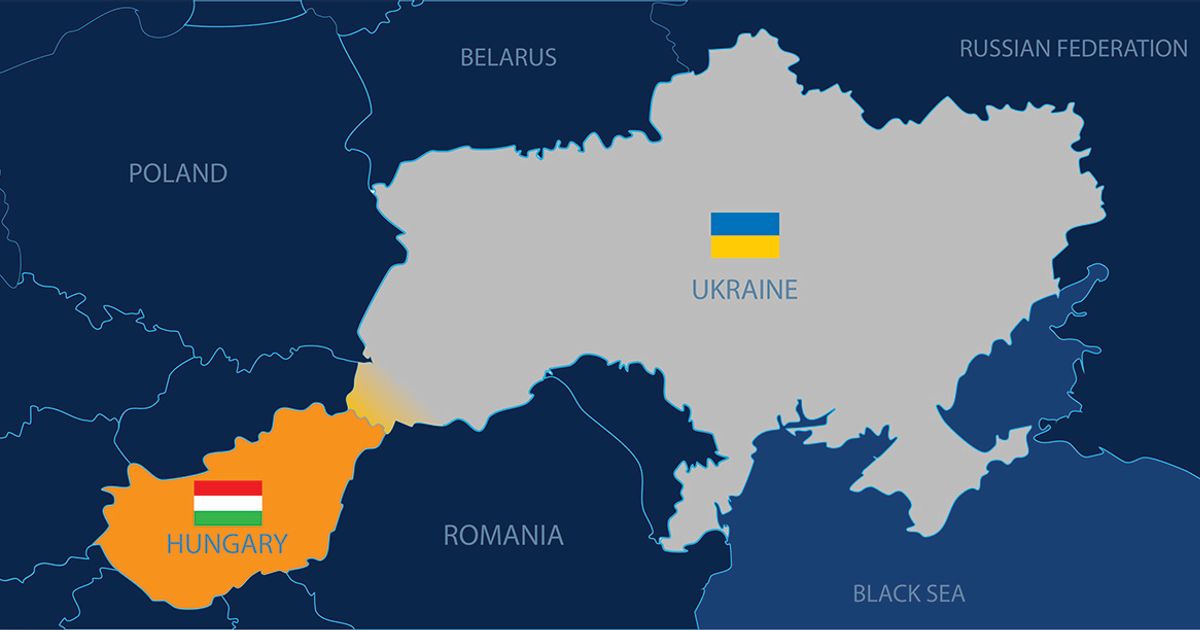
Hungary has halted diesel fuel supplies to Ukraine, with officials stating that deliveries will resume only once crude oil shipments to Hungary via the southern branch of the Druzhba pipeline are restored. The move was announced by Foreign Minister Péter Szijjártó and echoed by Prime Minister Viktor Orbán, who linked it directly to Ukraine’s earlier stoppage of Russian crude transiting its territory toward Hungary. Both opposition and pro-government coverage agree that Hungary is a key consumer of Russian oil delivered through Druzhba, that the interruption has forced Budapest to rely more heavily on strategic reserves, and that the dispute centers on cross-border energy flows amid the ongoing war in Ukraine. They also concur that the public justification from the Hungarian government is framed around energy security and the need to protect domestic supply for several months using existing reserves.
Across the spectrum, outlets describe the same institutional and geopolitical framework: Hungary’s heavy dependence on Russian crude, the role of Ukraine as a transit state, and the backdrop of EU sanctions and broader tensions over the war. There is shared acknowledgment that the Druzhba pipeline remains one of the few major channels through which Russian oil reaches the EU, that Hungary has been granted certain exemptions within EU sanctions policy, and that this energy relationship has long been a source of friction between Budapest and many European partners. Both opposition and pro-government sources situate the episode within a pattern of recurring disputes over transit fees, political pressure, and Hungary’s resistance to aligning fully with harder-line EU and NATO policies toward Russia. They also agree that the current standoff has implications beyond bilateral ties, touching on EU cohesion, regional energy security, and the balance between national sovereignty and common European policy.
Points of Contention
Responsibility and blame. Opposition-aligned sources tend to frame the halt in fuel supplies as a consequence of the Orbán government’s long-standing dependence on Russian energy and strained relations with Kyiv, suggesting Budapest bears significant responsibility for provoking or mishandling the dispute. Pro-government outlets, by contrast, present Ukraine as the primary culprit, accusing Kyiv of politically motivated blackmail by stopping Druzhba oil flows and forcing Hungary to tap its reserves. While opposition media highlight Hungarian policy choices and isolation within the EU as root causes, pro-government media emphasize Ukraine’s decisions and alleged attempts to coerce Hungary into a pro-war stance.
Characterization of Ukraine’s actions. Opposition coverage generally portrays Ukraine’s move as a harsh but understandable reaction within a broader conflict context, sometimes linking it to legitimate security, financial, or sanction-related considerations. Pro-government reporting labels the same step explicitly as blackmail, describing it as an illegitimate attempt to interfere in Hungary’s sovereignty and energy policy. Where opposition outlets are more likely to stress the complexities of wartime transit politics and EU expectations on Kyiv, pro-government outlets simplify the narrative into an aggressive Ukrainian tactic against a peaceful, autonomy-seeking Hungary.
Framing of Hungary’s response. Opposition media often depict Hungary’s suspension of diesel supplies to Ukraine as a retaliatory measure that risks further isolating the country diplomatically and morally within the EU and NATO, and potentially undermines support for Ukraine. Pro-government media instead cast the decision as a measured, defensive step necessary to safeguard Hungarian energy security and protect citizens from higher costs and war-related risks. While opposition outlets question whether the response is proportionate or strategically wise, pro-government outlets present it as a firm but justified counter-move that proves Hungary will not bow to external pressure.
Domestic political implications. Opposition-aligned sources tend to connect the dispute to internal governance issues, arguing that the government’s Russia-friendly stance and confrontational rhetoric serve domestic political narratives at the expense of Hungary’s long-term interests and alliances. Pro-government outlets use the episode to reinforce a narrative of a besieged Hungary, where the leadership stands up for national sovereignty against foreign pressure, including from Ukraine and certain EU partners. Thus, opposition media frame the crisis as evidence of policy failure and international marginalization, while pro-government media frame it as proof of principled leadership resisting a pro-war European mainstream.
In summary, opposition coverage tends to view the fuel cutoff as a self-inflicted and diplomatically costly consequence of Hungary’s Russia-centric energy policy and confrontational posture, while pro-government coverage tends to portray it as a justified, sovereignty-defending response to Ukrainian blackmail and external pressure.

