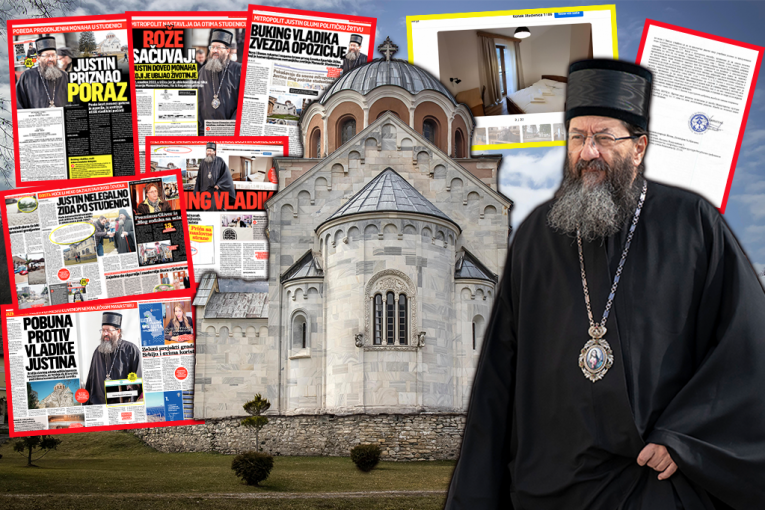


The Holy Synod of Bishops of the Serbian Orthodox Church has removed Bishop (Metropolitan) Justin from the administrative leadership of the Diocese (Eparchy) of Žiča, announcing that he is dismissed from managing the eparchy and that proceedings have been initiated to determine his canonical responsibility. Both opposition- and pro-government-aligned coverage agree that this is a formal Synod decision, that it concerns Justin’s handling of diocesan affairs, and that the church leadership has publicly responded to public speculation by insisting that the matter falls within internal church competence. Reports converge on the basic sequence: Synod deliberation, a formal act of dismissal from administrative authority, and the opening of a canonical-legal process whose outcome is yet to be determined.
Across outlets there is also broad agreement that the case is institutionally significant for the Serbian Orthodox Church, touching on the governance of diocesan property, financial management, and how bishops are held accountable under church canons. The shared context emphasizes that the Synod is the top decision-making body for bishops’ discipline and that any final outcome will come through canonical proceedings rather than state courts or direct political intervention. Both sides reference wider public debate about whether the decision is driven by internal governance concerns or outside pressures, while acknowledging that the church officially frames it as part of ongoing efforts to address alleged irregularities and preserve institutional integrity.
Points of Contention
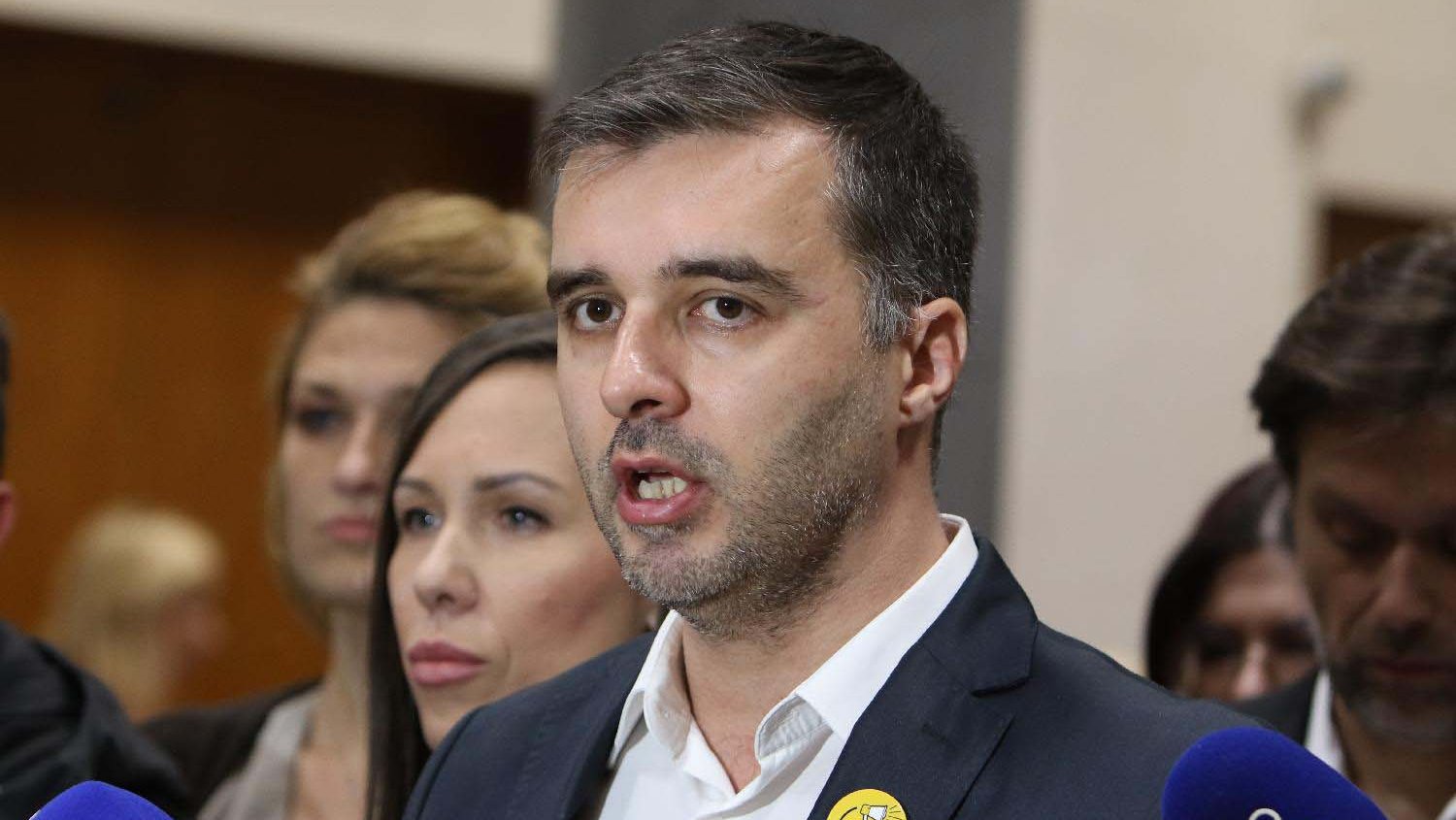
Nature of offenses and evidence. Pro-government outlets describe the case in highly concrete, accusatory terms, listing alleged transgressions such as unauthorized establishment of several companies, concealment of business operations, illegal or harmful sales of church property, and financial misuse, often framing these as numerous, serious canonical and ecclesiastical offenses. Opposition-aligned coverage centered on Savo Manojlović, by contrast, largely avoids enumerating specific financial or administrative charges and instead foregrounds Justin’s perceived moral integrity, his alignment of faith and action, and his past defense of persecuted and marginalized groups, implicitly casting doubt on or downplaying the alleged offenses.
Political versus internal-church framing. Pro-government media emphatically repeat the Synod’s line that this is an internal church matter, insisting there is no political persecution and depicting the dismissal as a necessary application of canonical norms to protect the church and its believers. Opposition-aligned commentary treats the move as embedded in broader political dynamics, presenting Justin as a figure who stands with the oppressed and suggesting, through strong public support for him, that his removal may not be purely administrative, thus leaving space for the interpretation that informal political pressures or power struggles could be at play.
Portrayal of Bishop Justin’s character and legacy. In pro-government reporting, Justin is primarily portrayed through the lens of alleged mismanagement, with language that stresses shock, scandal, and the gravity of his supposed financial and administrative abuses, while personal virtues or pastoral record receive little or no attention. Opposition-aligned sources, especially through Manojlović’s statements, highlight Justin’s openness to people of different beliefs and his solidarity with persecuted individuals, constructing him as a principled cleric whose actions are consistent with his preaching and who is therefore seen as deserving of public defense rather than removal.
Role of media and public opinion. Pro-government outlets present themselves as watchdogs that helped expose irregularities, celebrating the dismissal as a victory in a “fight for truth” and implying that investigative work by loyal media contributed to the Synod’s decision. Opposition-aligned narratives, by contrast, position civil activists and segments of the public as guardians of moral and social justice rallying around Justin, and implicitly cast pro-government media campaigns and sensational headlines as part of a broader pattern of targeting independent or socially engaged figures.
In summary, opposition coverage tends to question the motives behind Justin’s dismissal and recast him as a morally consistent defender of the persecuted who may be suffering from broader power or political games, while pro-government coverage tends to emphasize detailed allegations of financial and administrative wrongdoing, validate the Synod’s decision as a canonical necessity, and frame the episode as an internally driven clean-up within the church.
Story coverage