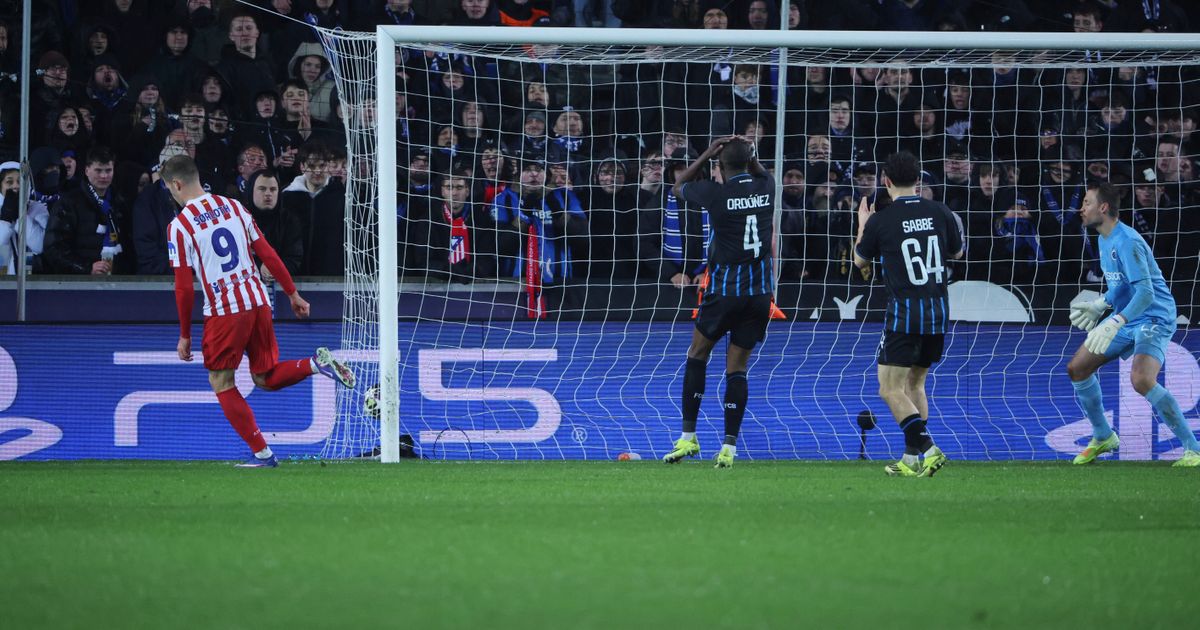

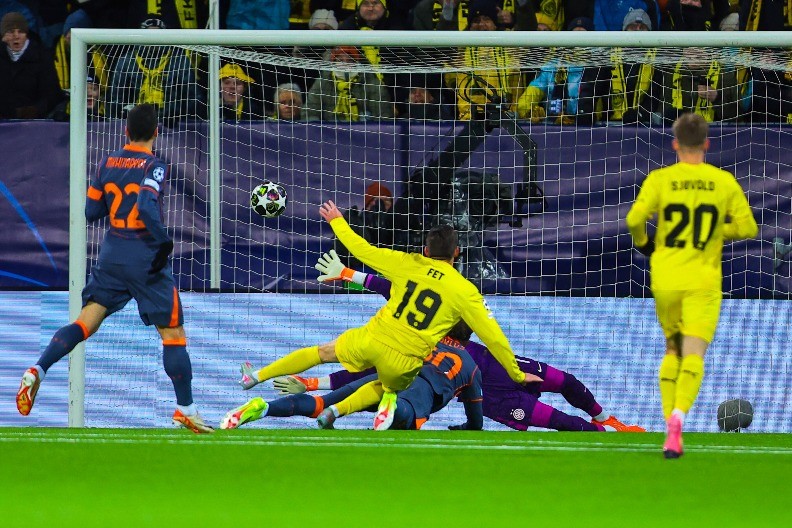
Bodo/Glimt’s 3-1 victory over Inter and Club Brugge’s 3-3 draw with Atletico Madrid are presented across both opposition and pro-government coverage as the standout results of a dramatic Champions League playoff night. There is broad agreement on the core facts: Bodo/Glimt beat Inter 3-1, Inter were considered clear favorites going in, Brugge drew 3-3 with Atletico after a major comeback, and Bayer Leverkusen won 2-0 away to Olympiacos with Patrik Schick scoring twice. Reports from both sides note that these are playoff matches for progression toward the round of 16, emphasize the high number of goals and the late twists, and situate Bodo/Glimt and Brugge as underdogs facing established giants in Europe’s top club competition.
Shared context across the spectrum underscores the Champions League’s reputation for unpredictability and drama, framing this matchday as another example of smaller clubs challenging traditional powerhouses. Both opposition and pro-government outlets highlight the institutional weight and recent form of teams like Inter and Atletico, the financial and historical gap between them and sides like Bodo/Glimt and Brugge, and the broader narrative of emerging clubs disrupting established hierarchies in European football. Coverage also converges on viewing these results as potentially significant for club finances, national league prestige, and coaching reputations, while situating them within the wider storyline of Champions League reform debates, congested calendars, and the tactical evolution of high-press, high-intensity play used effectively by the underdogs.
Points of Contention
Framing of the upset. Opposition-aligned outlets tend to frame Bodo/Glimt’s win as evidence of systemic complacency and mismanagement at big clubs like Inter, stressing tactical failures, transfer policies, and domestic structural issues that leave giants vulnerable. Pro-government outlets, by contrast, lean into the romance of the cup-upset narrative, highlighting Bodo/Glimt’s courage, efficiency, and tactical discipline while soft-pedaling deeper criticism of Inter’s leadership, instead casting the result as a one-off shock in an otherwise stable ecosystem.
Interpretation of Brugge vs Atletico. Opposition coverage usually underscores Atletico’s collapse and La Liga elites’ inconsistency, emphasizing squandered leads and mental fragility, and portraying Brugge’s comeback as symptomatic of a broader erosion of dominance by wealthier leagues. Pro-government coverage gives more narrative weight to Brugge’s resilience and coach Dejan Stankovic’s adjustments, treating Atletico’s failures as secondary and describing the match as a spectacular advertisement for the competition rather than a sign of deeper decline among top-tier clubs.
Domestic implications and blame. Opposition sources tend to link Inter’s defeat and Atletico’s draw to national football governance, arguing that league scheduling, financial regulation, and club ownership models leave teams ill-prepared for intense European nights and implicitly blaming federations and big-club boards. Pro-government outlets instead minimize institutional culpability, framing the results as natural fluctuations in sport and emphasizing individual players’ form or match-specific decisions, thereby shielding domestic structures and high-profile executives from sustained scrutiny.
Significance for European balance of power. Opposition reporting often interprets Bodo/Glimt’s and Brugge’s performances as proof that the financial stratification of European football is cracking at the margins, warning that traditional powers risk long-term decline if they do not reform scouting, youth development, and wage structures. Pro-government coverage generally treats the results as exciting but ultimately contained anomalies within an otherwise stable hierarchy, suggesting that while smaller clubs can shine on individual nights, the overarching balance of power in the Champions League remains fundamentally unchanged.
In summary, opposition coverage tends to treat these matches as symptomatic of structural problems and shifting power dynamics in European football, while pro-government coverage tends to emphasize the spectacle, celebrate underdog heroics, and downplay any deeper institutional or political ramifications.