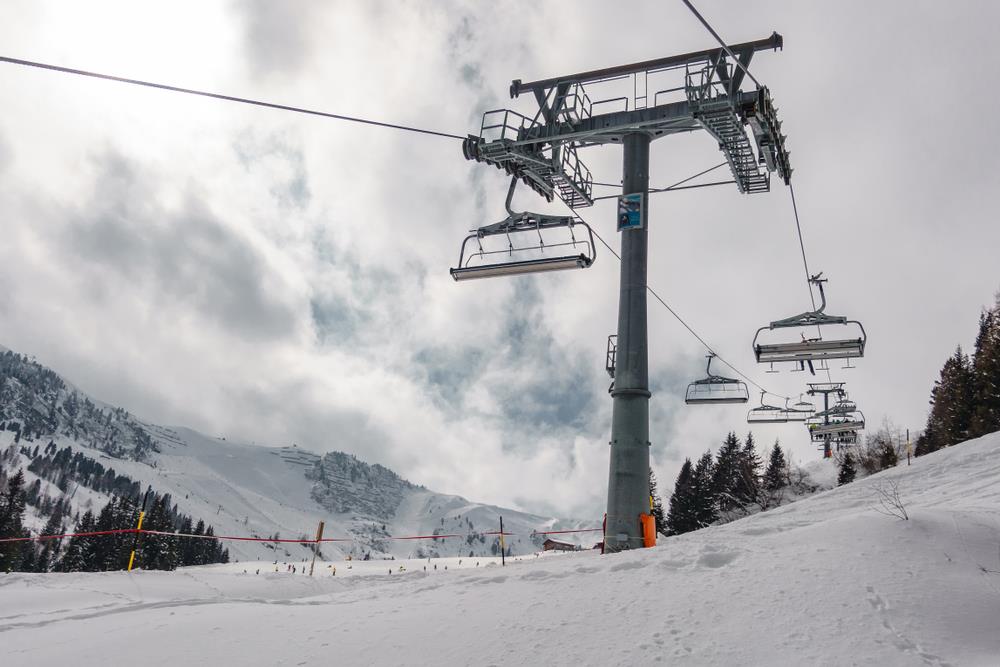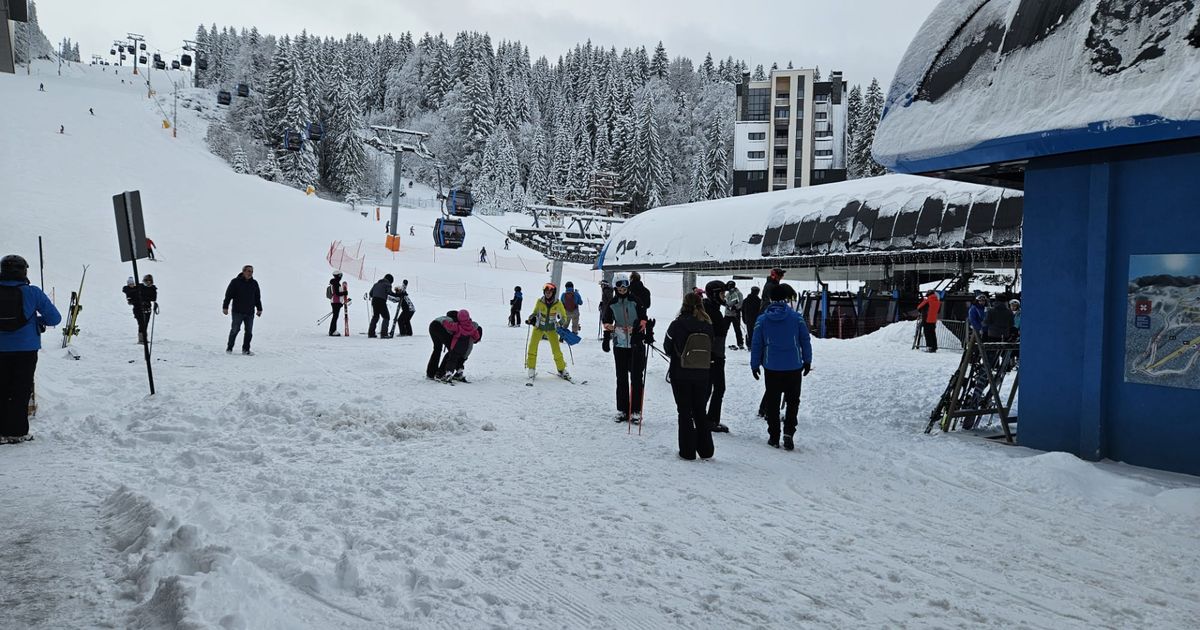


A child fell from a ski lift/cable car at the Jahorina ski resort after hanging for some time from the chair or gondola before losing grip and plunging to the snow below. Video circulating on social media, cited widely by both opposition and pro-government outlets, shows skiers underneath trying to position themselves to catch the child but failing to fully break the fall. All sides report that the child survived, sustained mainly a leg injury, and was transported from the slope by emergency services to hospital for further examination and treatment, with no immediate confirmation of life‑threatening injuries. The incident happened in full view of other skiers, causing visible shock and distress among witnesses and a broader online audience.
Coverage across the spectrum agrees that the incident raises serious questions about ski‑lift safety practices at Jahorina and potentially at other resorts in the region, with particular attention to how children are secured and supervised on lifts. Media on both sides highlight the presence of ski patrols, rescue services, and bystanders who reacted quickly, noting that their response likely reduced the severity of the outcome. They also concur that an official investigation has either been launched or is expected, involving resort management and relevant inspection or regulatory bodies responsible for cable car safety standards. Common context includes the growing popularity of Jahorina as a winter tourism destination, the heavy use of its ski infrastructure during peak season, and the renewed public debate about maintenance, staff training, and preventive measures to avoid similar accidents.
Points of Contention
Framing of responsibility. Opposition-aligned sources tend to frame the fall primarily as a systemic failure, emphasizing possible negligence by resort operators, lift staff, and safety regulators, and implicitly linking the problem to what they portray as a broader pattern of state mismanagement. Pro-government outlets, by contrast, present the event more as a tragic but isolated accident, focusing on the unforeseeable nature of the child slipping and avoiding definitive statements about institutional fault pending the official investigation. Where opposition media stress that such incidents are predictable outcomes of weak oversight and poor enforcement of standards, pro-government media stress that lift systems are generally safe and that initial information does not confirm any major technical malfunction.
Institutional accountability and politics. Opposition coverage is more likely to connect the accident to the political leadership that oversees Jahorina’s management and tourism infrastructure, questioning whether political appointees, underfunding, or corruption have undermined safety protocols. Pro-government coverage tends to downplay any direct political dimension, presenting Jahorina management and state institutions as responsive and professional, and framing the event as an operational issue to be clarified by experts, not a symptom of high-level governance failure. While opposition outlets use the incident to argue for broader personnel changes and independent oversight, pro-government outlets stress continuity, internal reviews, and technical improvements rather than political shake-ups.
Tone toward the resort and authorities. Opposition media typically adopt a sharper and more accusatory tone toward Jahorina resort management, questioning whether staff reacted fast enough, whether prior warnings were ignored, and whether safety instructions to parents and children are routinely enforced. Pro-government media, meanwhile, spotlight the quick reaction of ski patrols, medical teams, and bystanders, casting them as evidence that the system functions when needed and that the resort remains fundamentally safe. Opposition narratives often juxtapose promotional claims about Jahorina as a premier destination with this incident as a symbol of deeper problems, whereas pro-government narratives emphasize that even top international resorts occasionally face rare accidents without this undermining their overall reputation.
Proposed reforms and follow-up. Opposition outlets tend to call explicitly for stricter independent inspections, public disclosure of safety reports, and in some cases legal accountability for those found responsible, presenting the incident as a catalyst for systemic reform. Pro-government outlets usually reference the need to “draw lessons” and possibly update procedures, but frame such steps as fine-tuning an already generally adequate system rather than overhauling it, and they highlight official reassurances that the lifts will continue to operate safely. Opposition reporting suggests skepticism that internal investigations alone will suffice, while pro-government reporting conveys confidence that existing institutions can manage the review and implement any necessary adjustments.
In summary, opposition coverage tends to cast the Jahorina fall as symptomatic of deeper structural and political failures demanding systemic accountability, while pro-government coverage tends to treat it as a rare, tragic accident in an otherwise functioning system, emphasizing individual heroism, institutional responsiveness, and continuity rather than blame.
Story coverage