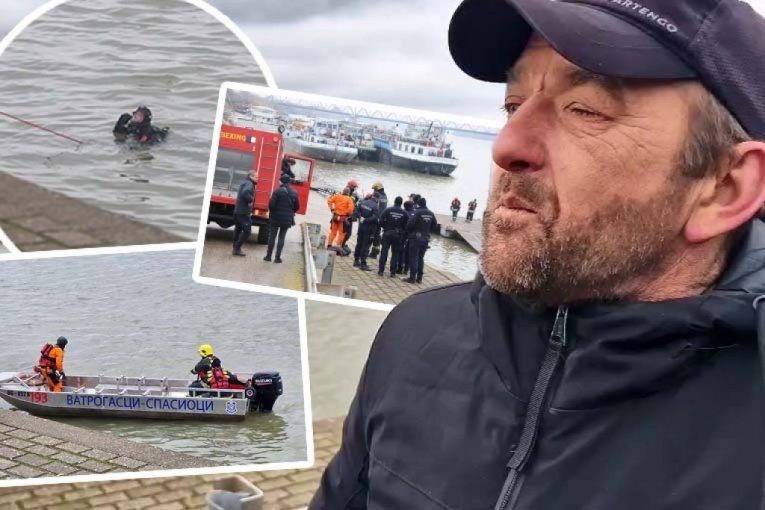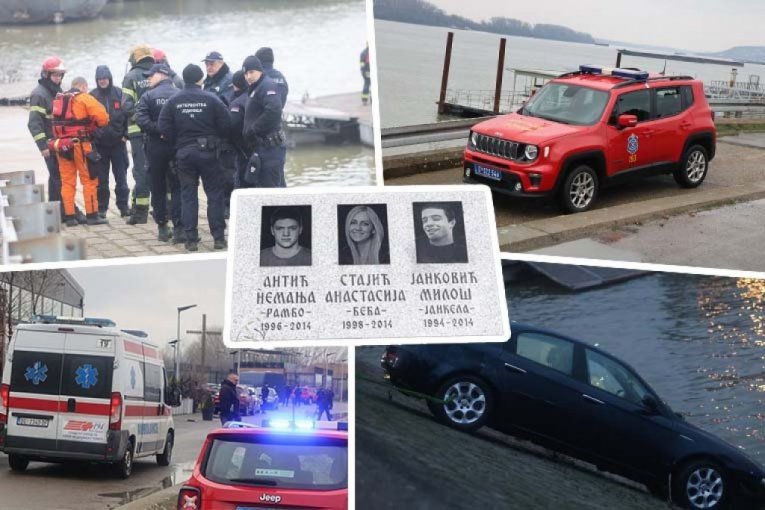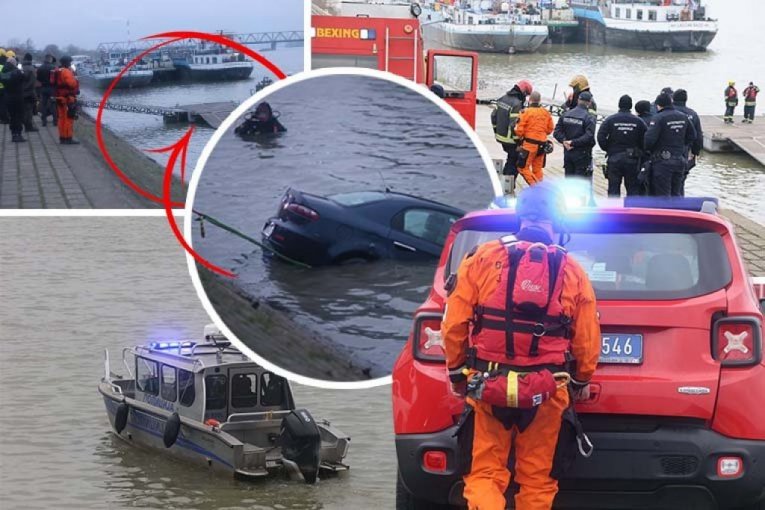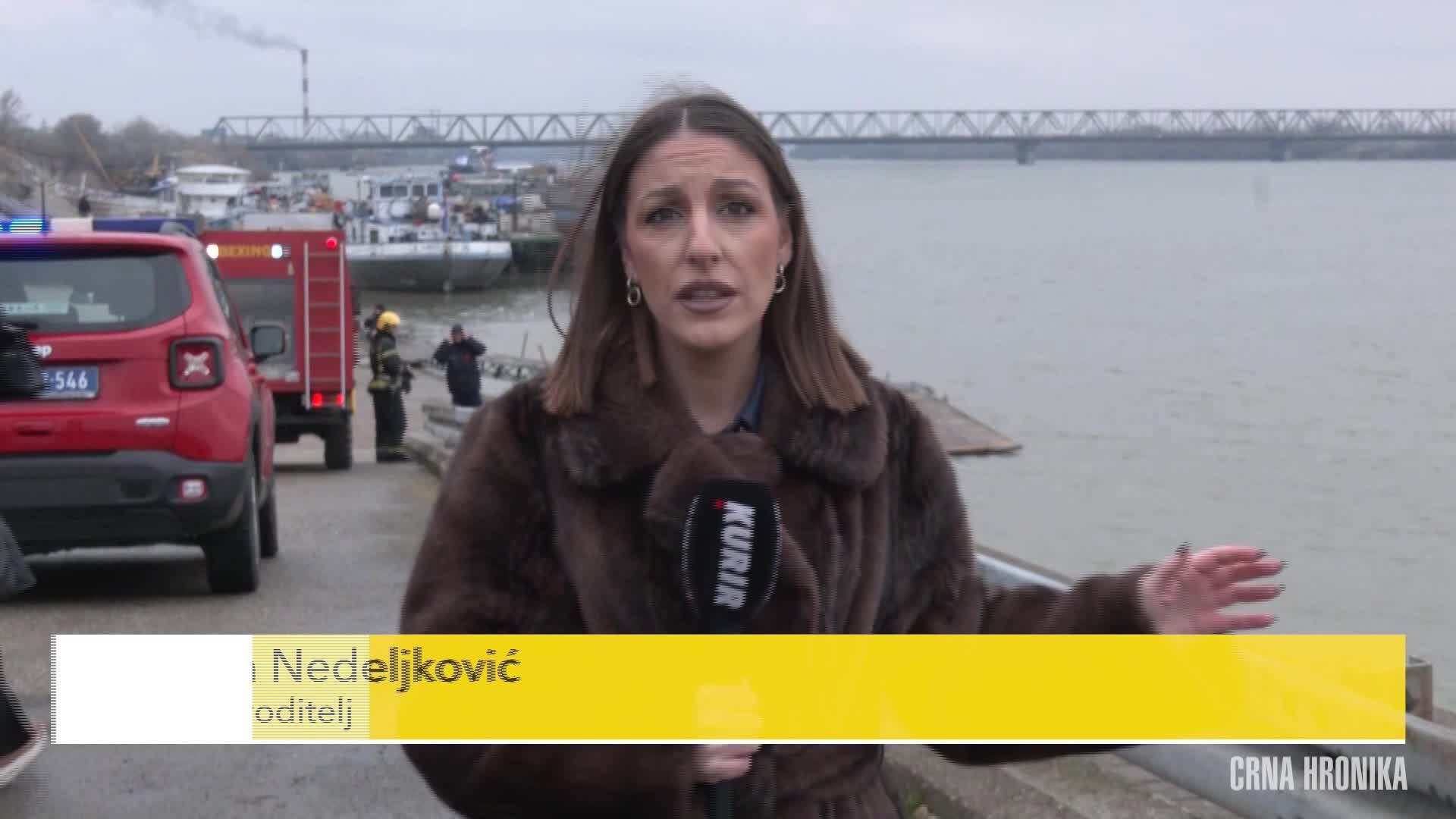


A car accident occurred at Ada Huja in Belgrade when an Alfa Romeo plunged into the Danube near the Vagner restaurant, at the same waterfront spot where a fatal crash involving teenagers happened in 2014. Both opposition and pro-government narratives agree that the young male driver was alone in the vehicle, managed to open the door and jump out before the car fully entered or sank, was visibly terrified but physically unharmed, and that firefighters, police, and rescue services arrived quickly and took roughly two hours to retrieve the car from the river.
Coverage from both sides also agrees on basic contextual elements: this stretch of Ada Huja is a known black spot on the riverbank, previously marked by the 2014 tragedy in which three teenagers died when their BMW fell into the Danube. They concur that the incident raises questions about riverbank safety and traffic conditions in the area but that, in this case, no fatalities occurred and the response of emergency services was timely and procedurally correct, with media on both sides supplementing reports with general guidance on what to do in similar traffic or water-related accidents.
Points of Contention
Framing of the incident. Opposition-aligned outlets tend to frame the plunge as part of a broader pattern of dangerous infrastructure and insufficient safety measures along Belgrade’s riverbanks, using the emotional memory of the 2014 Ada Huja tragedy to suggest systemic neglect. Pro-government outlets frame it more as a dramatic but isolated accident, emphasizing the driver’s survival, the swift intervention of rescuers, and the technical aspects of the recovery operation. While opposition sources highlight continuity between past and present failures, pro-government sources stress luck, individual circumstances, and professional emergency response.
Responsibility and blame. Opposition coverage is more likely to imply that city authorities and relevant ministries share responsibility for not sufficiently securing or redesigning a location already known for a deadly crash, sometimes invoking the earlier teenagers’ deaths as evidence of unlearned lessons. Pro-government coverage, by contrast, avoids direct institutional blame and focuses on the apparent unpredictability of the driver’s maneuver, eyewitness confusion over how the car ended up in the water, and the notion that accidents can occur despite existing measures. This creates a split between a narrative of governance failure and one of unfortunate but essentially individual misjudgment.
Institutional performance and reforms. Opposition sources typically use the incident to question whether any meaningful reforms or safety improvements were implemented after 2014, suggesting that repeated near-identical accidents show cosmetic rather than substantive changes. Pro-government sources portray institutions as functioning effectively on the day of the incident, underscoring coordinated action by firefighters, police, and rescue units and occasionally adding general safety advice to convey institutional competence. In doing so, the opposition stresses long-term policy gaps, while pro-government outlets emphasize operational readiness and the adequacy of current arrangements.
Use of emotion and past tragedies. Opposition-aligned media lean more heavily into emotional testimony and the enduring pain of the 2014 victims’ families, presenting the new accident as reopening wounds and symbolizing a state that fails to protect its citizens from preventable dangers. Pro-government outlets also reference the earlier tragedy but more briefly, primarily as background, and pivot quickly back to the positive outcome that no one died this time and the driver was rescued. Thus, opposition coverage uses emotion to support a critique of governance, whereas pro-government coverage uses it more sparingly, as a backdrop that heightens the sense of relief and institutional competence.
In summary, opposition coverage tends to treat the Ada Huja plunge as proof of ongoing systemic and institutional failures at a known danger spot, while pro-government coverage tends to depict it as an isolated accident that underscores the effectiveness and professionalism of emergency services.
Story coverage