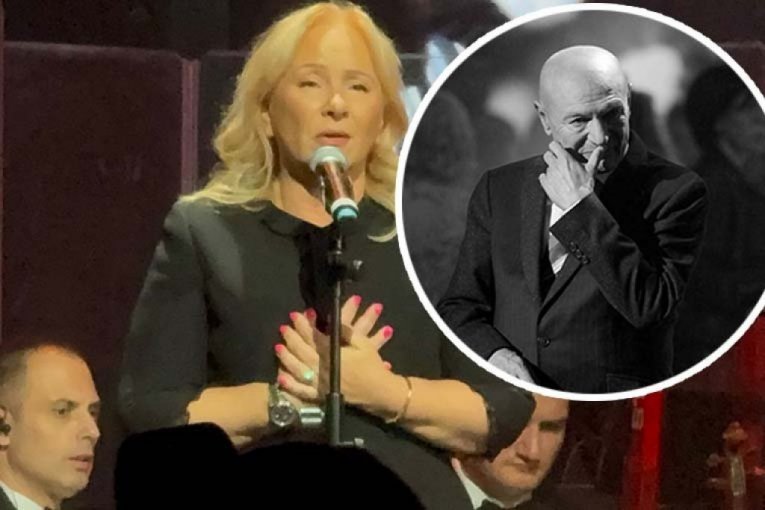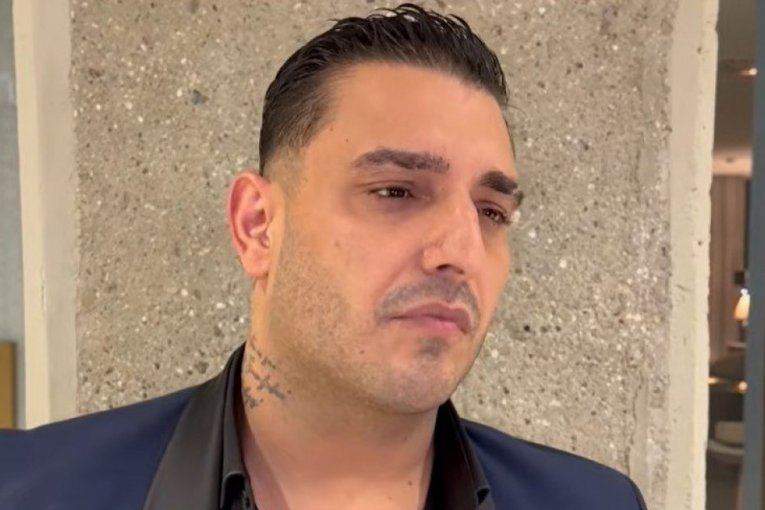



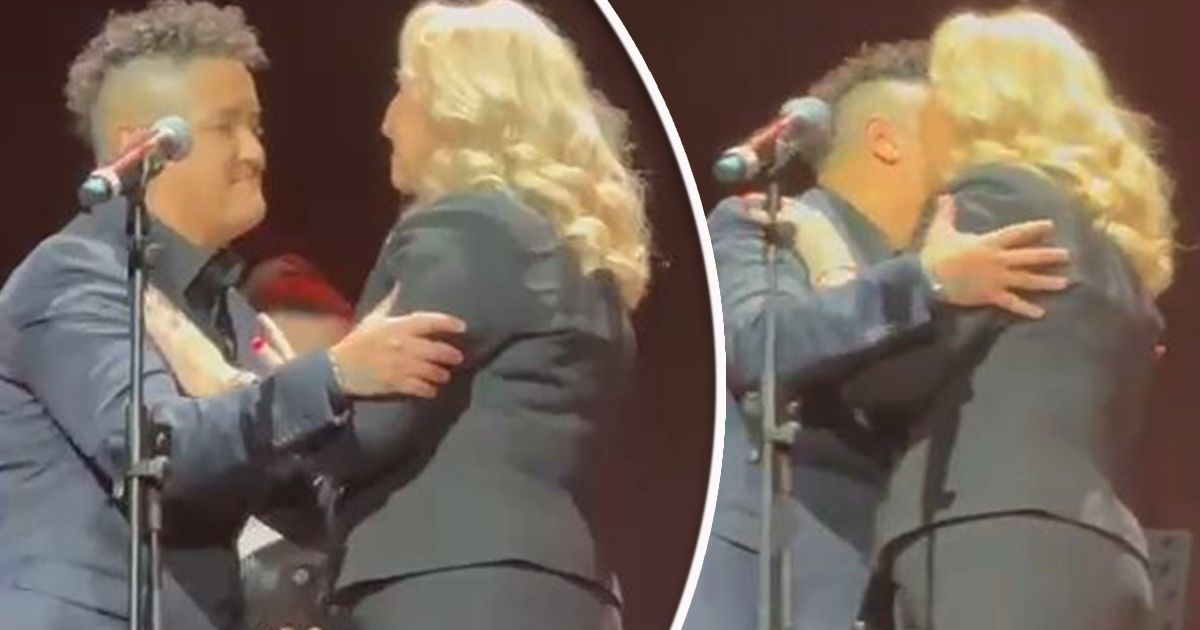
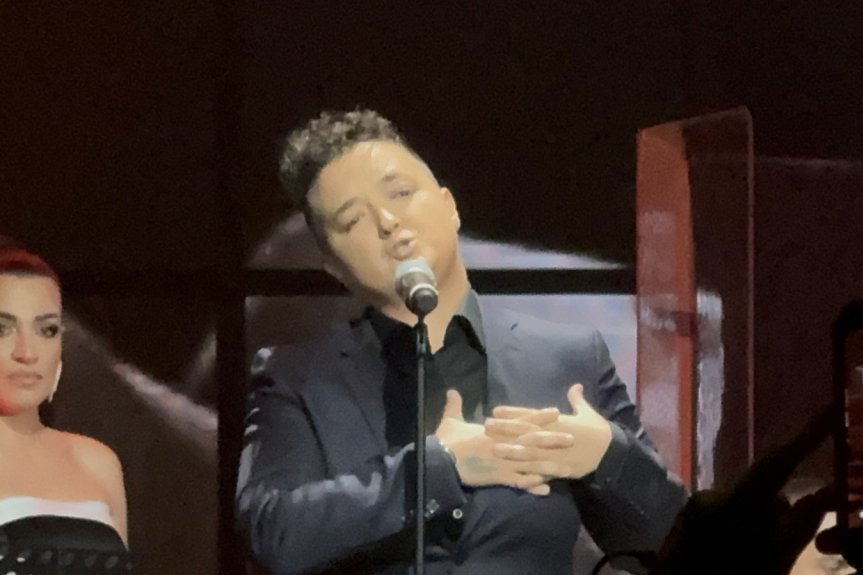
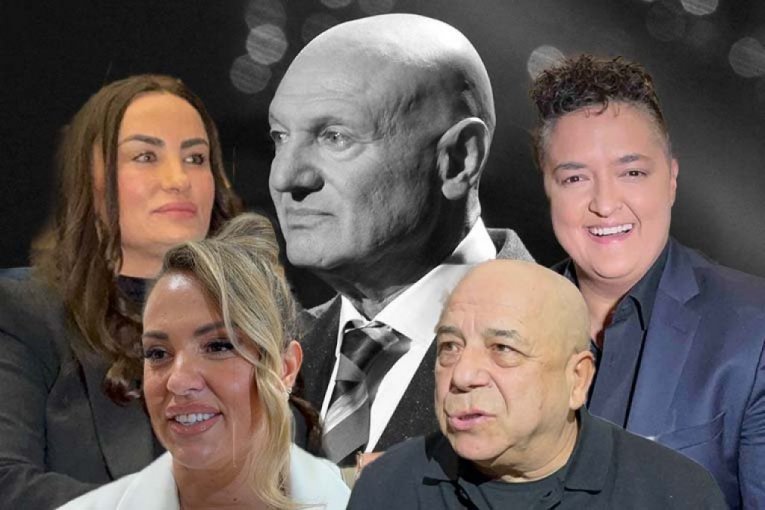
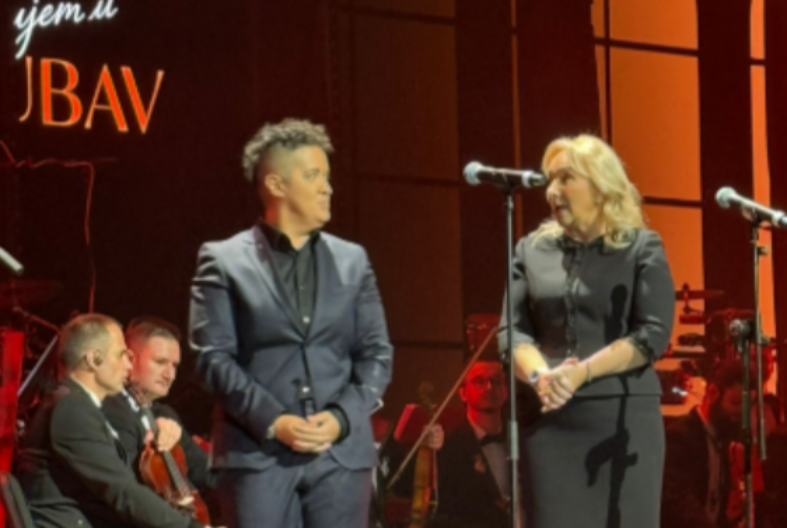
A large tribute and charity concert in honor of the late folk singer Šaban Šaulić was held at Belgrade’s Sava Centar, marking seven years since his death in a car accident in Germany. The event, organized by Šaulić’s family and the Šaban Šaulić Foundation, gathered his widow Gordana, children Ilda, Sanela, and Mihajlo in the front row, alongside numerous stars from the domestic music scene such as Marija Šerifović, Aleksandra Prijović, Darko Lazić, and others. Coverage agrees that the concert aimed both to preserve Šaulić’s musical legacy and to have a humanitarian character, supporting young talents and continuing his charitable work, and that it featured emotional speeches, musical performances of his songs, and moments of collective silence and grief in a packed hall. Reports also coincide that some expected performers were absent due to personal or family circumstances, that older colleagues and friends like Hasan Dudić spoke about their long friendship and current health struggles, and that social media was filled with tributes and memories from the folk music community.
Shared context across outlets presents Šaban Šaulić as a cornerstone of Serbian and regional folk music, whose decades-long career made him a symbol of the genre and a unifying cultural figure beyond everyday politics. The concert is framed as part of a broader pattern of posthumous commemorations—memorial services, social-media tributes, and planned annual concerts—that aim to institutionalize his remembrance and channel public nostalgia into ongoing cultural and humanitarian projects. Sources converge on the importance of family stewardship, highlighting the Šaulić family’s role in shaping his legacy, guiding the Foundation’s work with young artists, and mediating relationships with fellow performers and the broader entertainment industry. They also agree that the event illustrates how the domestic music scene publicly processes loss, with religious rites, concert rituals, and media storytelling combining to keep a popular artist’s image alive as part of a shared cultural canon.
Points of Contention
Framing of the event. Pro-government outlets depict the tribute concert as an almost exclusively cultural and emotional occasion, focusing on packed halls, star appearances, and the unity of the music community in honoring a beloved legend. Opposition-leaning commentary, where it touches on the concert at all, tends to subsume it into a wider narrative about church, state, and elite symbolism, suggesting that high-profile memorials often coexist with moral double standards in institutions that honor some public figures while punishing dissenters. While government-aligned coverage stresses pathos and celebration, critical outlets are more likely to question how such spectacles fit into a broader ecosystem of selective honors and public rituals.
Institutions and symbolism. Pro-government coverage highlights the Šaban Šaulić Foundation and the role of his family as benign, apolitical custodians of memory, presenting institutionalization of his legacy as straightforwardly positive. Opposition sources, writing more broadly about honors and anathemas within influential institutions, imply that ceremonies and decorations in Serbia can be instruments of loyalty and image management, and may implicitly place large, state-adjacent cultural events in that continuum. Thus, while one side treats the concert’s institutional framework as neutral infrastructure for charity and remembrance, the other hints that such frameworks exist within a politicized landscape of who is elevated and who is marginalized.
Use of celebrity narratives. Pro-government media lean heavily on intimate celebrity stories—Marija Šerifović’s decades-long family connection with the Šaulićs, Gordana’s public tears, the visible support of stars—to frame the concert as a human-interest event that transcends politics and showcases solidarity. Opposition-leaning analysis, more attuned to the ways prominent figures are used by power structures, tends to see the mobilization of celebrities and emotional narratives as part of a pattern in which popular culture is instrumentalized to create an atmosphere of unity and distraction from contentious issues. In this way, government-friendly outlets see star power as organic homage, while critics are more likely to interpret it as one piece of a larger spectacle economy.
Role of religion and moral authority. Pro-government reports on the concert largely bracket out religious institutions, focusing instead on music, family, and fans, and treating any memorial services as routine piety surrounding a beloved artist. Opposition sources, in contrast, put the Serbian Orthodox Church under a critical spotlight for simultaneously anathematizing dissenting theologians and decorating controversial political figures, suggesting that religious and moral authority in public life is unevenly applied. This creates a subtle tension in how the concert’s commemorative rituals are interpreted: for loyalist media they are unproblematic expressions of faith and respect, while for critical media they sit uneasily within a landscape where sacral language and honors can be differentially deployed to reward loyalty and punish critique.
In summary, opposition coverage tends to situate the tribute concert—when mentioned at all—within a broader critique of how institutions, honors, and public rituals are selectively used in a politicized society, while pro-government coverage tends to frame it as a purely emotional, unifying cultural event that celebrates Šaban Šaulić’s legacy, his family, and the star-studded music community around him.
Story coverage


pro-government
"GLORY TO HIM" Darko Lazic spoke out about his deceased colleague!
Sadness does not subside
a month ago

pro-government
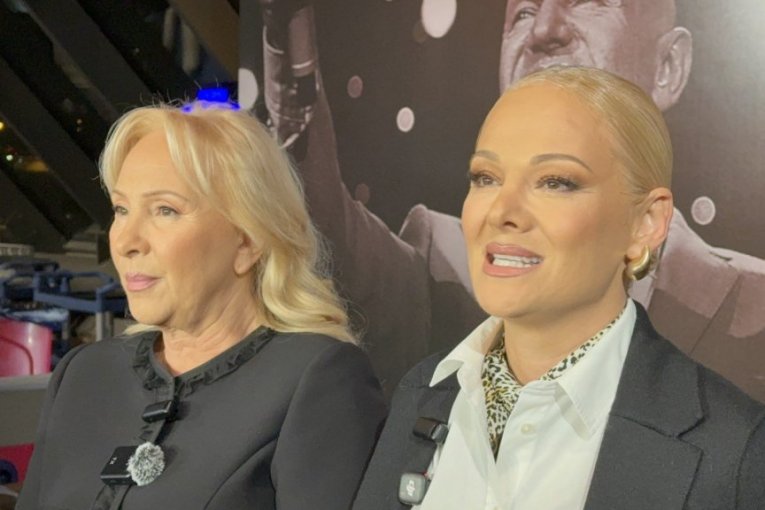
MARIJA ŠERIFOVIĆ REVEALS ŠAULIĆ FAMILY SECRET Singer said on stage what no one else did
Moving
a month ago