
pro-government
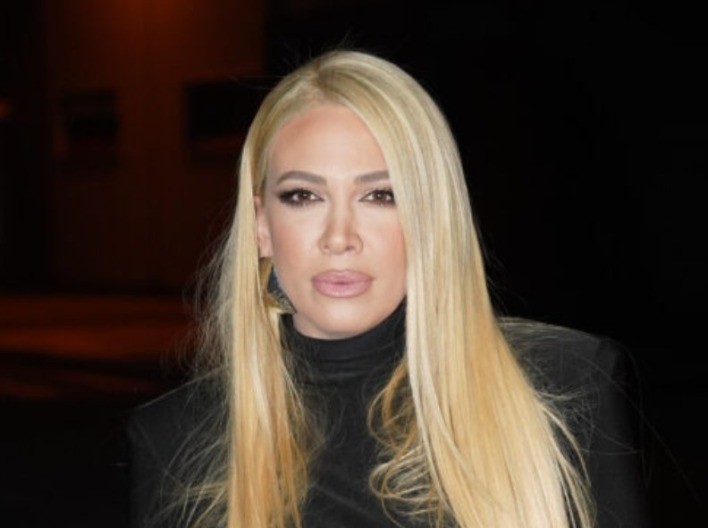
"YOU CRIED NIGHTS, GOD KNOWS WHAT YOU ARE GOING THROUGH!" Milica Todorović BREAKS THE SILENCE Amid Scandal with Married Man
Photo: AstroStar/Shutterstock,Antonio Ahel/ATAImages
2 months ago
Singer Milica Todorović, who recently gave birth to a son named Bogdan, has become the focus of intense public and media attention after a woman came forward claiming to be the wife of the child’s father and alleging that he is married. Both opposition and pro-government outlets agree on the core timeline: the birth, the subsequent appearance of the alleged wife’s accusations in the media, and Todorović’s decision not to give a direct interview but instead to respond via social media. They also concur that her response took the form of a shared or authored emotional post that invokes faith, perseverance through hardship, and solidarity with women enduring difficult circumstances, and that this is the first statement perceived as her reaction to the scandal. Coverage from both sides situates the events primarily in the realm of entertainment and celebrity news, anchored in Serbia’s tabloid-driven media environment and social networks.
Across the spectrum, outlets describe Todorović’s social media message as centered on spiritual language, references to God, and an affirmation that women who cry and struggle through the night can draw strength from their suffering. Both opposition and pro-government sources frame the post as implicitly addressing the controversy about her partner’s alleged marital status, even though she does not explicitly mention names or the scandal. They highlight that the story connects to broader patterns in Serbian celebrity culture, where private family matters, infidelity allegations, and motherhood are heavily scrutinized, and where social media has become a primary arena for crisis communication. There is shared acknowledgment that the case touches on themes of female resilience, public shaming, and the tension between personal life and public persona for high-profile performers.
Moral framing and culpability. Opposition-aligned sources tend to emphasize the allegation that the child’s father is married and question Todorović’s moral responsibility, portraying the social media post as an evasive attempt to rebrand herself as a victim without addressing whether she knowingly entered a relationship with a married man. Pro-government outlets, by contrast, largely downplay or soften the issue of potential adultery, focusing instead on her emotional state after childbirth and presenting the post as a dignified, faith-based response to a smear campaign. While opposition coverage leans on the alleged wife’s perspective to foreground the wrongdoing, pro-government coverage recasts the narrative toward understanding and empathy for the singer.
Victimhood and sympathy. Opposition media often split sympathy between the alleged wife and the newborn child, suggesting that Todorović’s public display of pain competes with, or even overshadows, the suffering of the family allegedly betrayed. These outlets frame her message about nights of crying as a strategic attempt to claim primary victim status in the eyes of the public. Pro-government coverage, however, centers almost exclusively on Todorović’s emotional journey, describing her as a new mother under attack and treating the social media post as an authentic cry from someone enduring unjust humiliation. As a result, the opposition press dilutes audience sympathy for Todorović, while pro-government outlets concentrate it around her.
Role of faith and public image. Opposition-aligned reporting views Todorović’s use of religious and inspirational language as calculated image management, arguing that invoking God and women’s strength is a way to neutralize criticism without engaging with specific accusations. They may imply that the spiritual framing functions as a PR shield that conflates legitimate moral questions with generalized “hate” against women. Pro-government coverage instead interprets the same religious and motivational tone as proof of her sincerity and inner strength, presenting faith as a natural support for a woman who has just given birth and is facing public judgment. Thus, the opposition reads her post as branding, while pro-government sources treat it as testimony.
Media responsibility and scandalization. Opposition media are more likely to criticize the broader tabloid circus but still use the scandal to probe the behavior of celebrities and the social double standards around infidelity, suggesting that such cases warrant uncomfortable scrutiny. They tend to argue that public figures cannot expect privacy when their actions affect others’ families, and that critical coverage serves a watchdog function. Pro-government outlets, meanwhile, cast the scandal primarily as an example of media cruelty and sensationalism directed at a successful artist, condemning rival tabloids and social networks for exploiting a new mother’s vulnerability. In this framing, the real problem is less the alleged affair and more the relentless exposure and judgment that follow.
In summary, opposition coverage tends to foreground alleged moral failings, question Todorović’s victim narrative, and treat her faith-laden post as strategic image repair, while pro-government coverage tends to highlight her emotional hardship as a new mother, frame her message as sincere and dignified, and blame sensationalist media for amplifying the scandal.