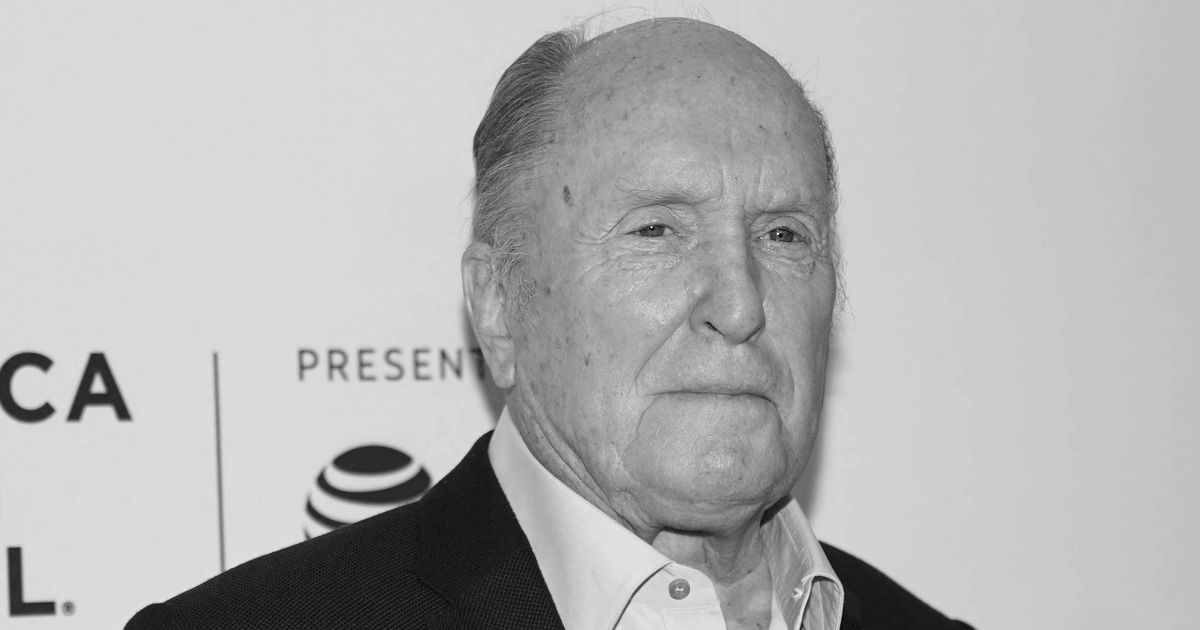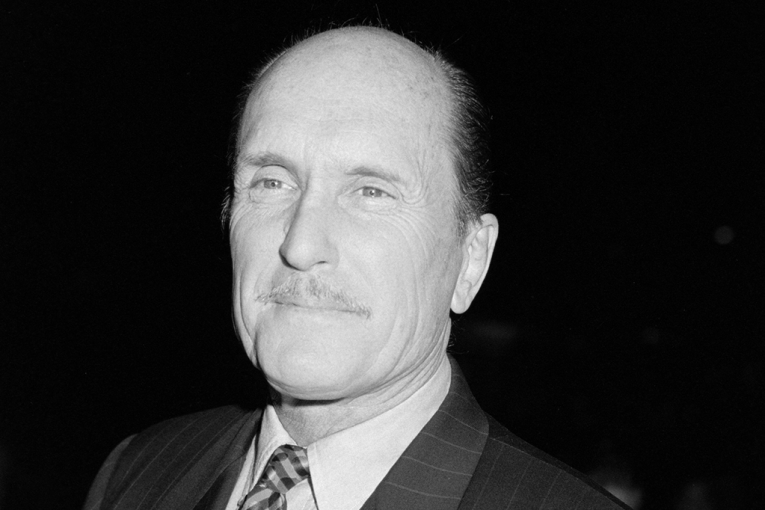

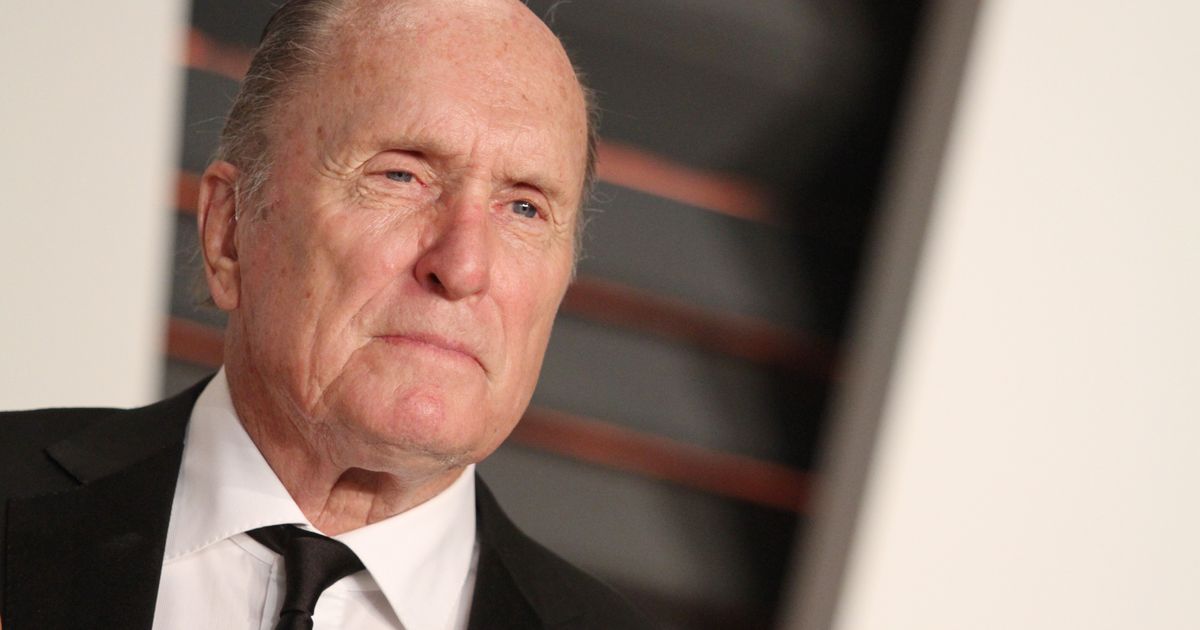
Robert Duvall, the American actor widely described across outlets as a legendary, Oscar-winning figure in Hollywood, has died at the age of 95. Reports agree that he died peacefully at home, with confirmation coming from his wife, who emphasized that he was surrounded by loved ones. Both opposition and pro-government-leaning coverage highlight his status as a towering presence in cinema and concur that his passing represents the end of an era for iconic screen performances.
Across the spectrum, outlets stress Duvall’s six-decade career, his Academy Award for "Tender Mercies," and his defining roles in films such as "The Godfather" and "Apocalypse Now." They agree that he was celebrated for a raw, naturalistic acting style, deep dedication to his craft, and contributions that extended beyond acting into directing and television. Coverage on both sides frames his life’s work as part of the broader history of American and global cinema, emphasizing his enduring influence on generations of filmmakers and audiences.
Points of Contention
Emphasis on legacy. Opposition-aligned sources are more likely to balance discussion of Duvall’s acting achievements with broader reflections on how his work intersected with changing social and political currents in film. Pro-government outlets, by contrast, concentrate on his star power and iconic roles, presenting him primarily as a symbol of classic Hollywood and national cultural pride. While both sides praise his talent, opposition coverage tends to situate his legacy within debates about the evolution of American cinema, whereas pro-government reports keep the focus on celebratory remembrance and nostalgic appreciation.
Tone and framing of his passing. Opposition coverage typically employs a more restrained, reflective tone, using his death as an opportunity for critical appraisal of his body of work and how it aged over time. Pro-government sources use more emotive and emphatic language, calling him a towering figure and underlining that the world has lost a legendary actor, placing emphasis on collective mourning and loss. As a result, opposition pieces often read like critical retrospectives, while pro-government articles resemble tributes or eulogies.
Selection of career highlights. Opposition outlets are more inclined to highlight a wider range of Duvall’s filmography, including smaller, character-driven projects and television work, to showcase his versatility and evolution as an artist. Pro-government coverage gravitates to a concise canon of universally recognized titles, especially "The Godfather," "Apocalypse Now," and his Oscar-winning turn in "Tender Mercies," framing these as definitive proof of his greatness. The former thus presents a more curatorial survey of his career, while the latter simplifies his body of work into emblematic milestones.
Cultural and institutional context. Opposition-leaning reporting is more likely to link Duvall’s career to shifts in the film industry, referencing how directors, studios, and awards institutions shaped his opportunities and reputation. Pro-government outlets, however, tend to foreground national and cultural symbolism, portraying him as a pillar of American cinema without delving deeply into institutional dynamics. Consequently, opposition narratives emphasize industry context and structural change, whereas pro-government narratives emphasize stable cultural icons and shared heritage.
In summary, opposition coverage tends to frame Robert Duvall’s death as a moment for nuanced reflection on his artistic legacy, industry context, and the evolution of cinema, while pro-government coverage tends to present an emotionally charged tribute that highlights national pride, iconic roles, and a more streamlined, celebratory view of his career.