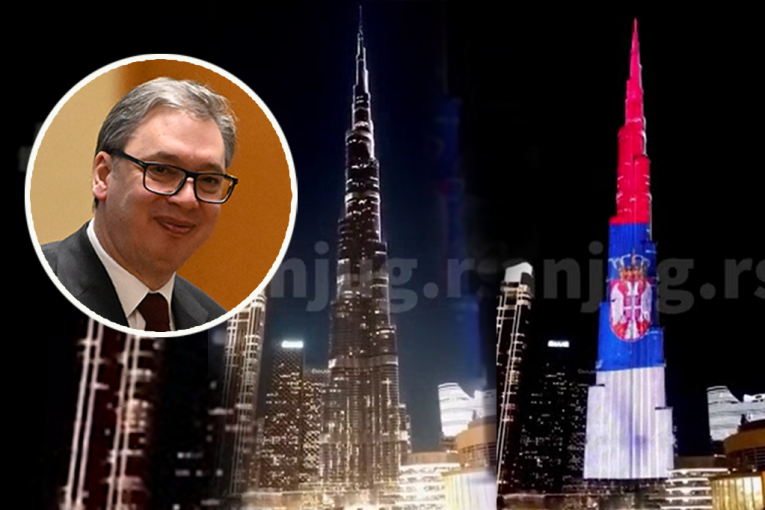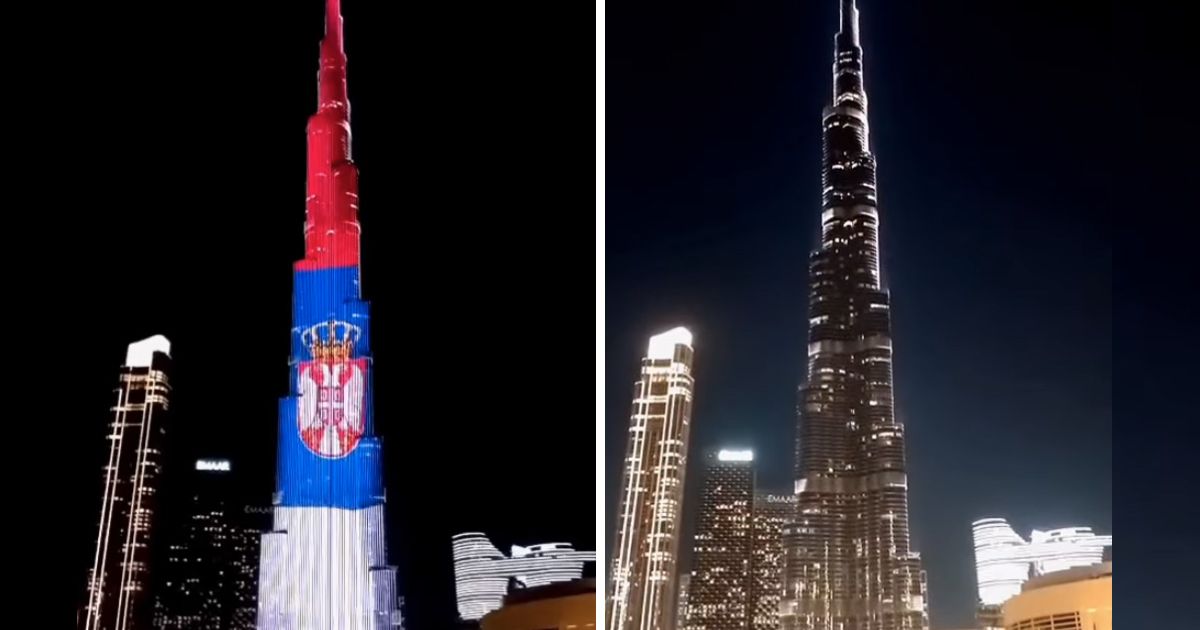


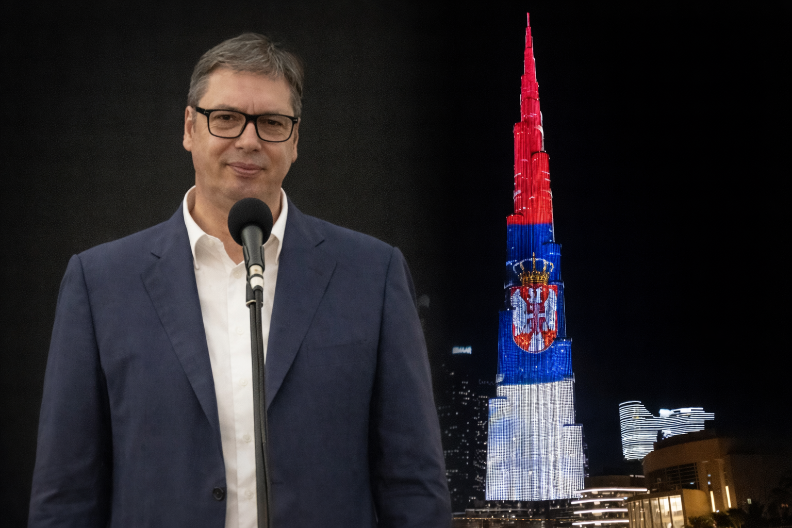
The Burj Khalifa in Dubai, the world’s tallest building, was illuminated in the colors of the Serbian flag to mark Serbia’s Statehood Day, celebrated on February 15. Serbian President Aleksandar Vučić shared video and images of the light display on Instagram, thanking what he called Serbia’s “dear friends” in the United Arab Emirates for the gesture, which coincided with official state ceremonies and wreath-laying in Serbia and the Republika Srpska.
Across outlets, Statehood Day is described as a holiday that commemorates both the First Serbian Uprising against Ottoman rule in 1804 and the adoption of the first Serbian constitution in 1835. Media from different sides underline the symbolic importance of these historical milestones and note that the Burj Khalifa illumination was timed to align with the broader calendar of state events, reinforcing Serbia’s national identity and international visibility through a highly recognizable global landmark.
Points of Contention
Diplomatic significance. Opposition-aligned sources say the Burj Khalifa display is largely a paid-for or protocol-level branding gesture that should not be overstated as diplomatic success, while pro-government outlets frame it as clear proof of Serbia’s growing international standing and strong ties with key partners like the UAE. Pro-government coverage highlights personal relationships between Vučić and Gulf leaders as instrumental, whereas opposition narratives tend to downplay personal diplomacy and stress that such illuminations are common and commercially arranged. These contrasting angles turn a symbolic event into either a major foreign-policy achievement or a routine PR exercise.
Role of Vučić personally. Opposition media portray the illumination as a state or commercial arrangement that is being personalized and monopolized by Vučić for political gain, emphasizing that such gestures should belong to the entire nation, not a single leader. Pro-government coverage centers Vučić almost exclusively, using his Instagram post, his message of thanks, and imagery of him as the face of the event to underscore his leadership and international clout. This divergence leads opposition outlets to criticize what they see as one-man branding, while pro-government narratives present the president as the indispensable architect of Serbia’s global visibility.
Domestic political framing. Opposition outlets, where they cover the event, tend to place it alongside concerns about governance, media control, and economic conditions, arguing that symbolic displays abroad distract from unresolved domestic problems. Pro-government media instead embed the story within a positive narrative of national pride, regional solidarity with the Republika Srpska, and the continuity of statehood, rarely linking it to current controversies. The result is that opposition coverage often comes with a note of skepticism or irony, while pro-government stories are celebratory and tightly aligned with official state messaging.
Use of national symbolism. Opposition-aligned reporting questions whether frequent use of national symbols in international PR campaigns risks cheapening them and serving partisan image-building rather than inclusive patriotism. Pro-government outlets argue that projecting the Serbian flag on an iconic global structure is a powerful, unifying signal that honors the historical struggle marked by Statehood Day and boosts Serbia’s brand abroad. While opposition voices warn about instrumentalizing national holidays for electoral advantage, pro-government narratives present the same imagery as an unambiguously positive expression of shared identity.
In summary, opposition coverage tends to treat the Burj Khalifa illumination as an over-politicized PR spectacle with limited substantive diplomatic value, while pro-government coverage tends to present it as a major affirmation of Serbia’s international stature, national unity, and the personal success of President Vučić’s leadership.