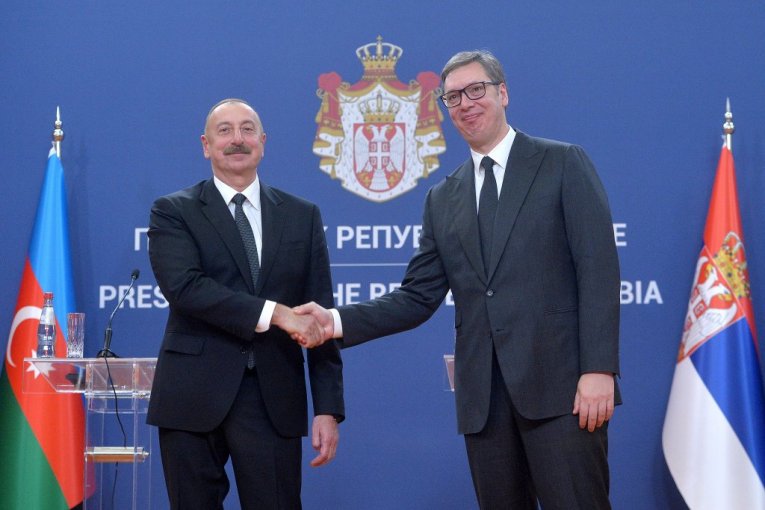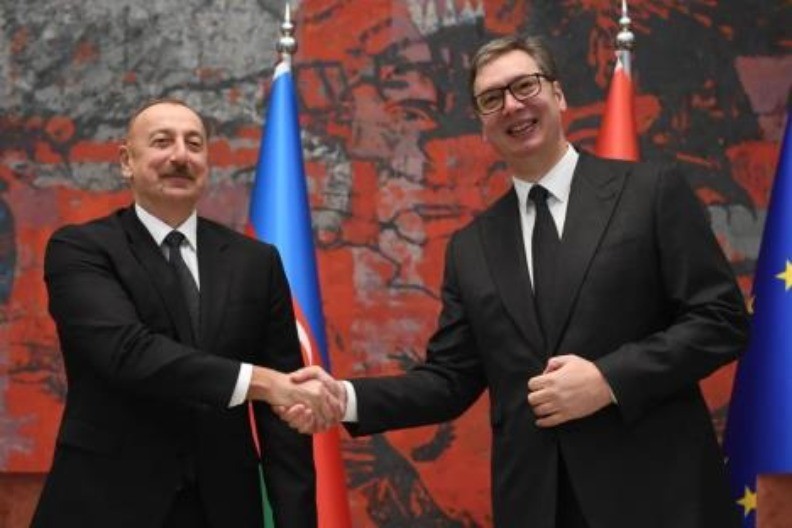

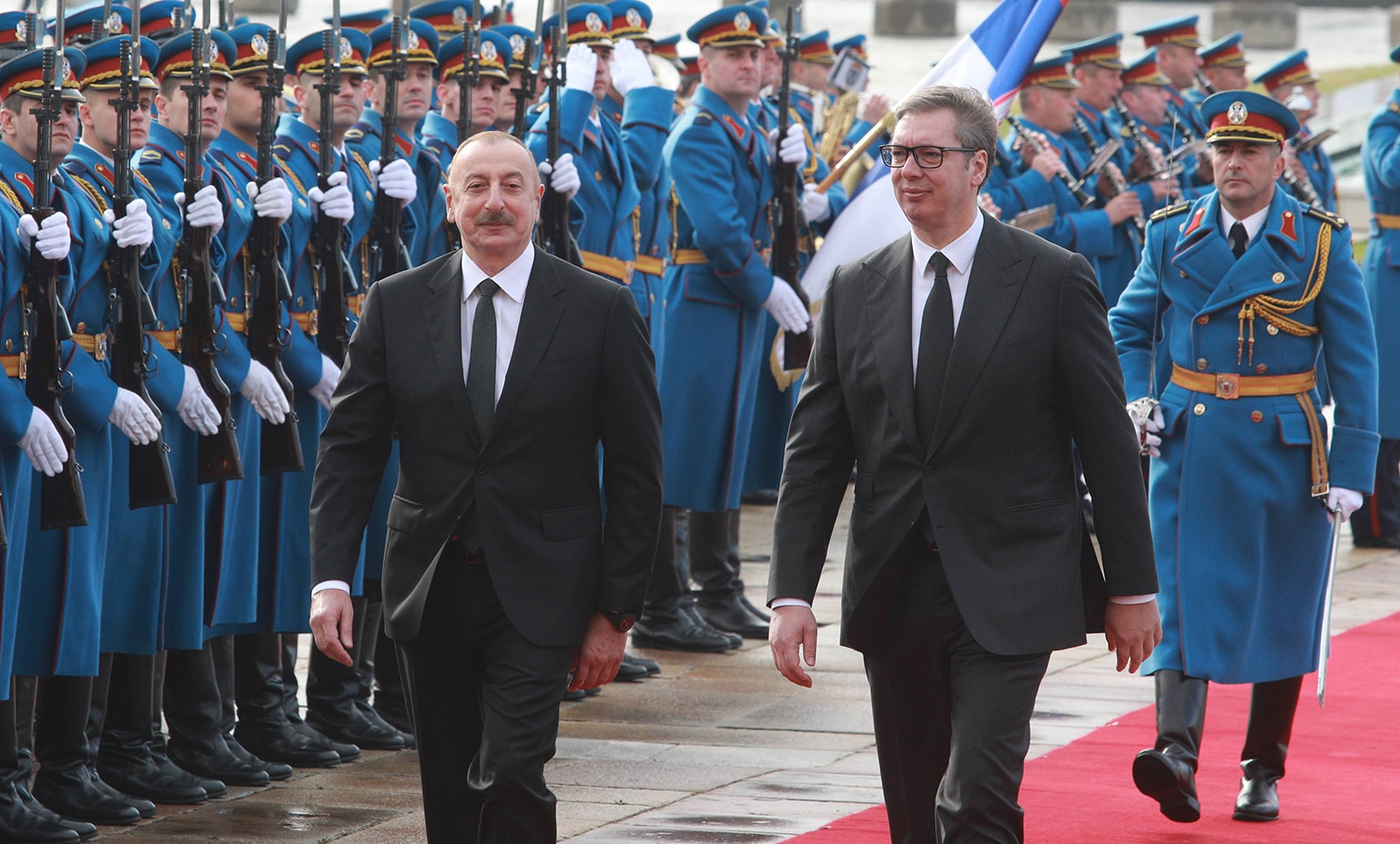
Serbian President Aleksandar Vučić is set to host Azerbaijani President Ilham Aliyev in Belgrade on February 15, 2026, for an official visit that both opposition and pro-government outlets present as a high-level bilateral event. Coverage agrees that the program includes a formal meeting between the two leaders, the first session of the Serbia-Azerbaijan Strategic Partnership Council, the signing of several bilateral documents, and a joint press conference. Both sides report that energy cooperation is a central theme, with particular attention to gas-related projects and the possibility of expanding imports of Azerbaijani gas to Serbia. They also converge on the idea that the visit is intended to deepen political and economic ties, and that it is being framed diplomatically as a step toward a more structured, long-term partnership between Belgrade and Baku.
Shared context across outlets emphasizes that Serbia and Azerbaijan have been steadily upgrading relations in recent years, culminating in the creation of the Strategic Partnership Council as an institutional framework for closer cooperation. Media on both sides highlight that energy security, diversification of gas supplies, and balancing renewable energy sources with flexible gas capacity are key policy concerns for Serbia, into which Azerbaijani gas and related infrastructure would fit. There is also agreement that Serbia is seeking to position itself as a regional energy hub while maintaining a foreign policy that stresses stability and independent decision-making, and that cooperation with Azerbaijan is part of a broader strategy to strengthen ties with non-EU partners alongside ongoing dialogue with Western actors.
Points of Contention
Purpose and framing of the visit. Opposition-aligned outlets frame the visit primarily through a concrete economic lens, zeroing in on the potential €600 million gas power plant near Niš as the main substance of Aliyev’s trip and questioning how it fits Serbia’s broader energy mix. Pro-government outlets instead foreground the ceremonial and strategic dimensions, describing the visit as historic and anchored in the inaugural session of the Strategic Partnership Council and a slate of bilateral documents. While opposition media treat the power plant and gas import talks as the practical driver of the visit, pro-government coverage portrays these as components of a much grander statecraft narrative centered on Vučić’s role in elevating Serbia-Azerbaijan relations.
Energy policy and economic impact. Opposition coverage stresses the scale and implications of the planned gas power plant, underlining its estimated €600 million cost and its role in electricity production, district heating, and stabilizing renewables, which implicitly raises questions about long-term dependency on gas and project transparency. Pro-government sources refer more generically to energy cooperation and diversification, highlighting new opportunities for gas imports and infrastructure without dwelling on financial details or cost-benefit scrutiny. Thus, opposition outlets use the project’s specifics to open space for debate on economic priorities and governance, whereas pro-government media emphasize prospective benefits and investment flows while keeping critical examination to a minimum.
Geopolitical signaling and Vučić’s positioning. Opposition-aligned media largely confine themselves to the bilateral and sectoral aspects of the visit, mentioning new gas supplies and potential direct flights like Belgrade-Baku as pragmatic arrangements rather than geopolitical maneuvers. Pro-government outlets connect Aliyev’s visit with Vučić’s parallel meetings with US senators in Munich and his rhetoric about global security, the Western Balkans, and independent decision-making, portraying him as a leader skillfully balancing East-West relations. In this way, opposition coverage treats the visit as one important, but essentially transactional, foreign-policy episode, whereas pro-government coverage embeds it in a broader narrative of Vučić’s international stature and Serbia’s autonomous diplomatic course.
Communication priorities and symbolism. Opposition sources emphasize concrete deliverables such as the gas plant, expanded gas imports, and a potential new air route, giving relatively little attention to ceremony, protocol, or symbolic language. Pro-government outlets devote substantial space to the detailed program of Aliyev’s stay, the formal session of the Strategic Partnership Council, and the joint press conference, treating these as markers of elevated strategic ties and diplomatic prestige. Consequently, opposition media present the visit in functional terms focused on the material outcomes for citizens and the energy sector, while pro-government media stress symbolism, protocol, and the image of deepening "strategic partnership" under Vučić’s leadership.
In summary, opposition coverage tends to focus on the concrete energy projects, financial scale, and practical implications of Aliyev’s visit, leaving implicit questions about transparency and long-term dependency, while pro-government coverage tends to present the visit as a milestone in strategic partnership that showcases Vučić’s diplomatic skill, Serbia’s geopolitical balancing, and the broader prestige of high-level bilateral engagement.
Story coverage