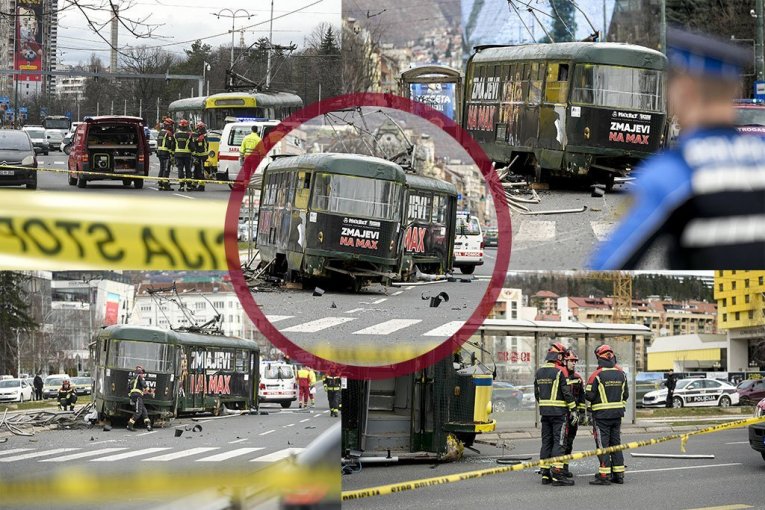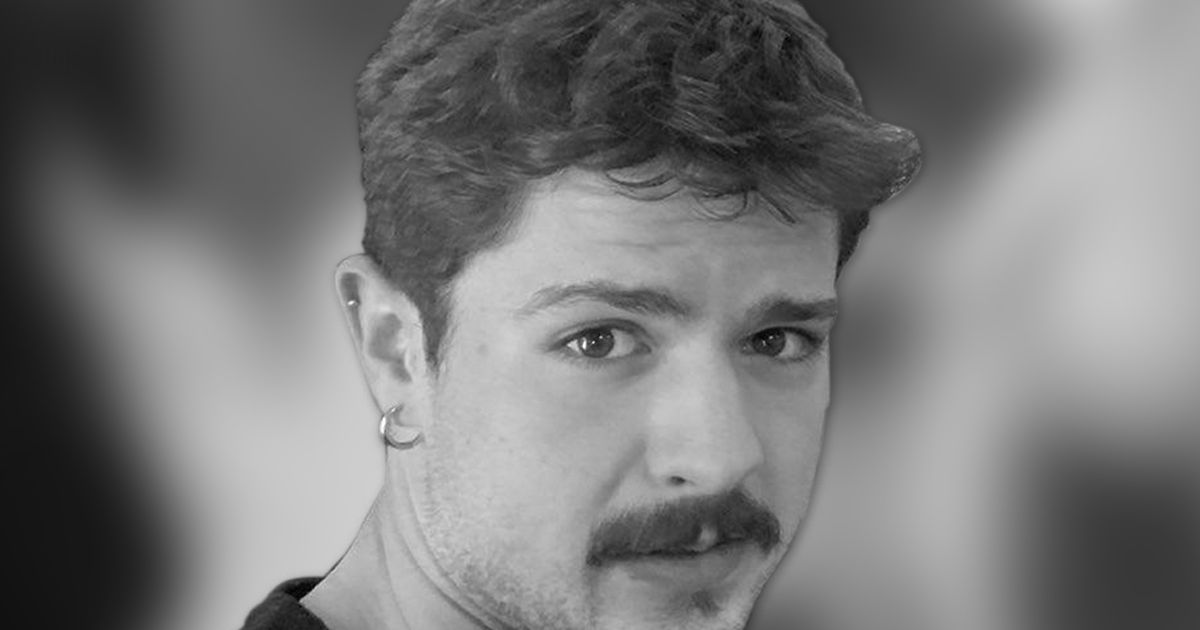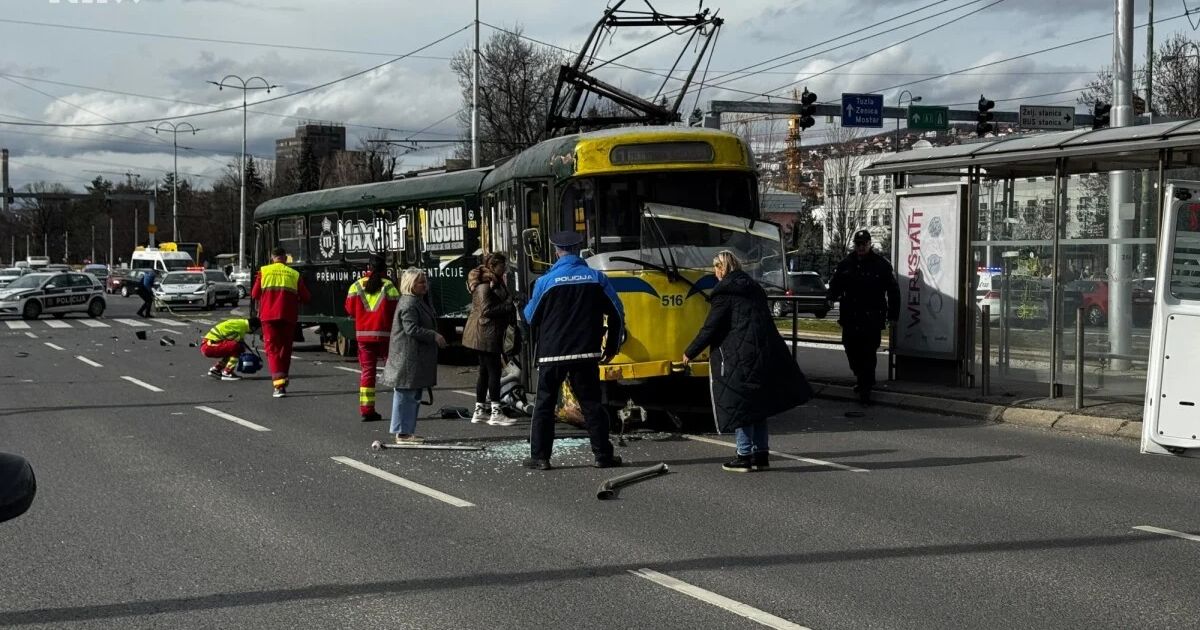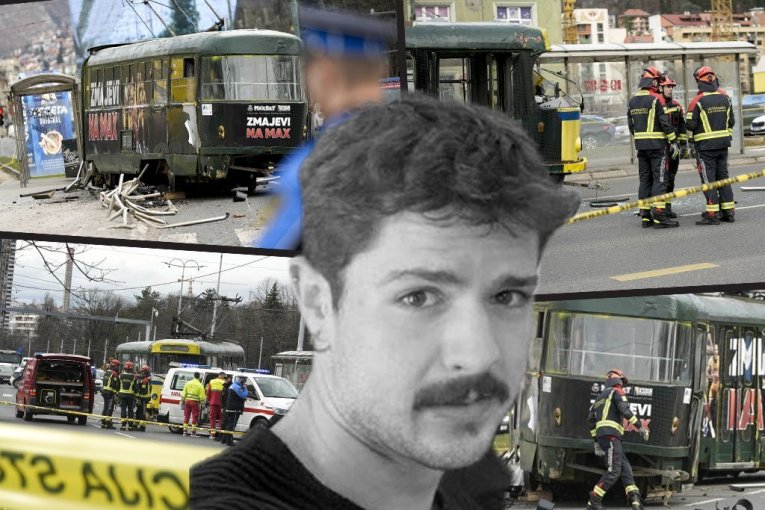



A fatal tram accident in Sarajevo claimed the life of 23-year-old student and young artist Erdoan Morankić from Brčko, a twin and student at the Academy of Fine Arts, and left four others injured, including a 17-year-old girl who had a leg amputated. The accident occurred when a tram derailed, leading to severe injuries that proved fatal for Morankić; emergency services and police intervened on the scene, and the case has since entered formal investigation. The driver, identified as A.K. (born 1978), was arrested on suspicion of causing the accident and faces a prosecution request for one month of custody due to the seriousness of the event and concerns about public unrest, while courts and investigators await expert findings on the technical state of the tram and infrastructure.
Across outlets, reports identify Erdoan as a promising art student and dorm resident in Sarajevo, originally from Brčko, who had recently mounted his first solo exhibition and was part of a close-knit family in which his twin brother played a central emotional role. Both opposition and pro-government coverage align in describing a wave of grief in Sarajevo and the wider region, highlighting tributes from professors, friends, and relatives, and emphasizing the human dimension of the tragedy rather than only its procedural-legal aspects. All sources acknowledge that the investigation is still ongoing, that the full causal chain (including any potential technical malfunction and institutional responsibility) has not yet been definitively established, and that the outcome will depend on expert analyses of the tram system and documentation from the urban transport company GRAS.
Points of Contention
Framing of responsibility. Opposition-aligned outlets largely omit detailed discussion of blame, focusing instead on the father’s loss and personal testimonies, and implicitly suggesting a broader sense of societal failure without naming specific institutions. Pro-government outlets, by contrast, foreground the driver’s arrest and legal status, but also stress early claims that a malfunction and not human error may be to blame, thereby distributing responsibility away from an individual operator. While both sides accept that the investigation is ongoing, pro-government coverage more clearly positions the driver as potentially less culpable, whereas opposition pieces leave the question of responsibility open and morally diffuse.
Institutional performance and GRAS. Opposition coverage pays virtually no attention to GRAS or systemic transport issues, using the accident more as a lens on human tragedy and the fragility of life than as a case study of infrastructure governance. Pro-government outlets explicitly cite GRAS statements that point to likely technical failure and highlight the company’s cooperation with investigators, which subtly defends the public transport system by presenting it as responsive and engaged. This leads to a divergence in perceptions: opposition sources sidestep institutional narratives, while pro-government sources actively incorporate official voices and technical explanations that may mitigate institutional blame.
Emotional narrative and public mood. Opposition media dwell on intimate grief, quoting the father’s earlier public comments about his sons and the professor’s tribute, and emphasizing a sense of irrevocable loss and the moment when loved ones realize they could not protect him. Pro-government outlets are also emotional but weave that sentiment into a quasi-documentary account of the accident, including the twin brother’s premonition and the driver’s statement of sorrow, thus balancing pathos with procedural detail. As a result, opposition narratives come across as more elegiac and accusatory in a diffuse, moral sense, while pro-government narratives blend human interest with a structured account of events and official reactions.
Legal process and public order. Opposition-aligned coverage barely touches the detention request or legal mechanisms, treating the accident less as a judicial proceeding and more as a personal catastrophe resonating across society and the arts community. Pro-government sources, however, stress the prosecution’s move for one-month custody and the rationale of preventing public unrest, underscoring the state’s role in managing social tensions and ensuring that due process proceeds calmly. This creates a contrast in emphasis: opposition media implicitly channel public sorrow and anxiety without legal framing, whereas pro-government media underline state-led procedural responses meant to contain that same unrest.
In summary, opposition coverage tends to center the intimate grief of the family and artistic community while leaving responsibility structurally vague, while pro-government coverage tends to embed the tragedy within official narratives about technical causes, legal procedure, and the responsiveness of institutions.
Story coverage