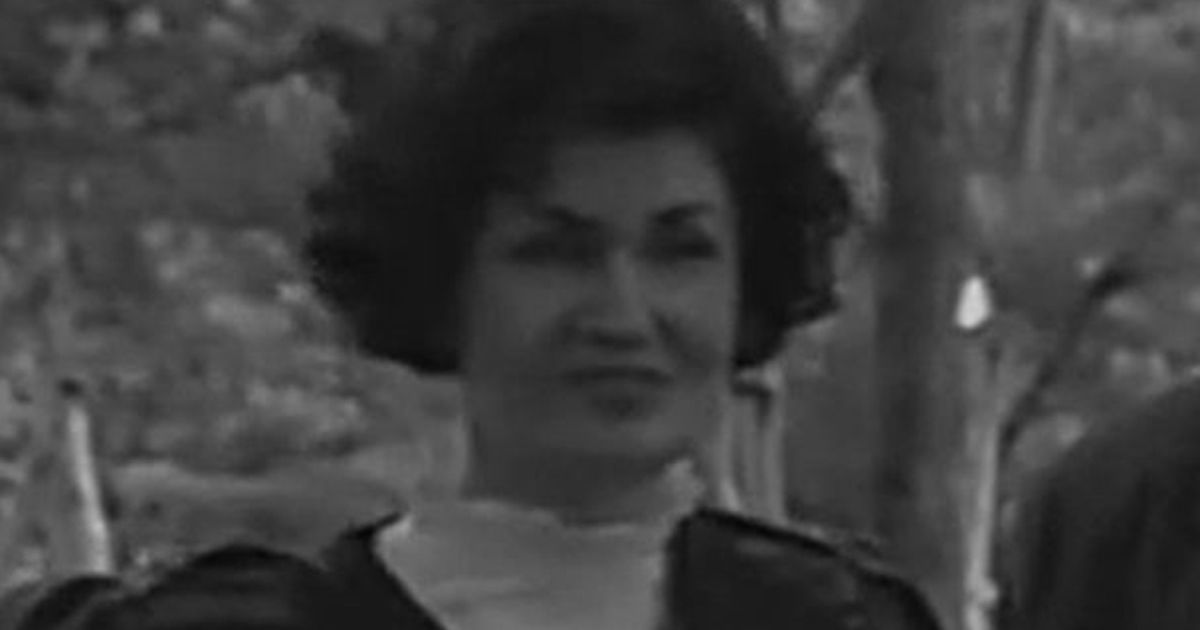

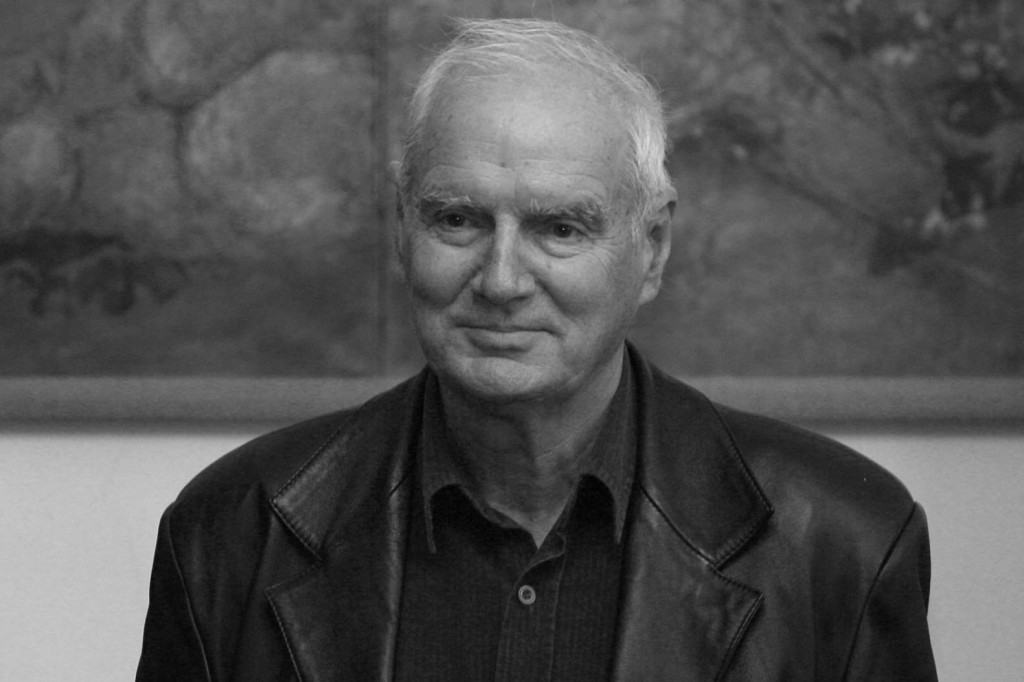
Ljiljana Pavić is reported across the spectrum as a prominent Serbian and Yugoslav screenwriter and lyricist, best known for her decades-long creative partnership and marriage with fellow screenwriter Siniša Pavić. All outlets agree that she co-authored some of the most beloved domestic series, such as “Vruć vetar,” “Diplomci,” and other classic TV sagas, and that she wrote memorable song lyrics that became closely tied to these shows, often cited through the iconic “Topolska 18.” Both opposition and pro-government media emphasize her central role in character development—especially female characters—and her contribution to the emotional tone and musical dimension of series that now form part of the shared cultural heritage of Serbia and the former Yugoslavia. They also concur that her work was deeply shaped by her origins and life experience and that her death prompted tributes from colleagues and friends who considered her an essential, if sometimes understated, creative force.
Opposition and pro-government outlets alike present a compatible biographical context: Pavić was born in Vlasotince, came from a notable local family, studied law in Belgrade, and met Siniša Pavić in the legal profession before they jointly turned to screenwriting. Both sides describe their relationship as a fusion of life and art, where their marriage and everyday experiences fed into the storylines and characters of their series, and highlight that their creations have become a lasting part of national television history. They likewise agree that her influence extended beyond individual scripts to shaping realistic portrayals of everyday life, regional speech and mentality—especially the spirit of southern Serbia—thus giving their series authenticity and warmth. The shared narrative across the media is that her passing marks the loss of a quiet but decisive architect of much-loved television worlds whose impact will endure through reruns, songs, and the memories of viewers and collaborators.
Points of Contention
Age and visibility. Opposition-aligned outlets typically report Ljiljana Pavić’s age at death as 86 and foreground how she spent much of her career in the shadow of her more famous husband, stressing that her contribution was under-recognized. Pro-government media consistently state she died at 91 and place stronger emphasis on her existing reputation as a renowned and beloved author, suggesting she was already widely appreciated. While the opposition frame implies a corrective—finally naming her as a pillar of Pavić’s oeuvre—the pro-government press portrays her as an established cultural figure whose status was never really in doubt.
Framing of legacy. Opposition sources focus on her artistic craftsmanship and the specific ways she shaped female characters, regional flavor, and narrative realism, often linking this to broader discussions of undervalued creative labor and the collective nature of television authorship. Pro-government outlets, by contrast, frame her legacy more in terms of national pride and cultural heritage, repeatedly describing the Pavić body of work as something that “obligated” or ennobled Serbia and Vlasotince. The opposition thus leans toward a nuanced professional appreciation, whereas pro-government coverage blends biography with an emotive, patriotic register.
Personal life and emotional narrative. Opposition coverage tends to keep her private life in the background, mentioning her marriage mainly to illuminate how their collaboration functioned inside the writers’ room and in character construction. Pro-government reporting dwells much more on the romance and emotional bond between Ljiljana and Siniša—how they met, how their love allegedly inspired particular scenes, and even claims that she “couldn’t live without” him and followed him “to heaven.” This creates a contrast in tone, with opposition outlets stressing creative partnership and structure, while pro-government media favor melodramatic storytelling and intimate confessions from friends and colleagues.
Individual vs. couple-centric focus. Opposition-aligned media make a point of isolating Ljiljana’s own authorship, arguing that she was a “quiet pillar” who significantly shaped plots, characters, and lyrics, even if the public mostly saw Siniša’s name. Pro-government coverage, though it acknowledges her skill and calls her an important writer, more often centers the couple as a unit and even folds news about her into broader narratives about Siniša’s life and death. As a result, opposition coverage implicitly challenges the hierarchy within the famous duo, whereas pro-government coverage reinforces the iconic status of the Pavić pair as a joint cultural brand.
In summary, opposition coverage tends to correct for Ljiljana Pavić’s historical invisibility by emphasizing her individual authorship, under-recognized labor, and precise artistic contributions, while pro-government coverage tends to celebrate her as part of a beloved creative couple within a patriotic narrative of national cultural heritage and emotional remembrance.
Story coverage