

pro-government
"WHAT HAPPENED HAPPENED" Shameful statement by the tram driver after the death of a young man (VIDEO)
The tram was moving from the train station towards Baščaršija when the accident occurred
2 months ago
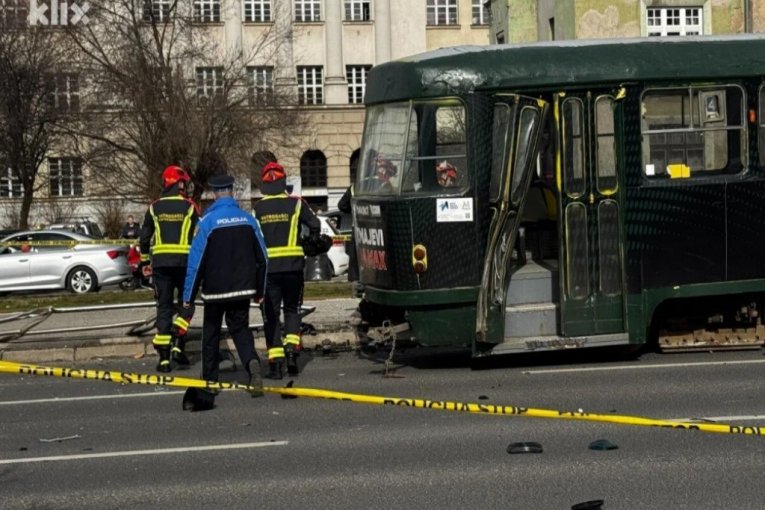
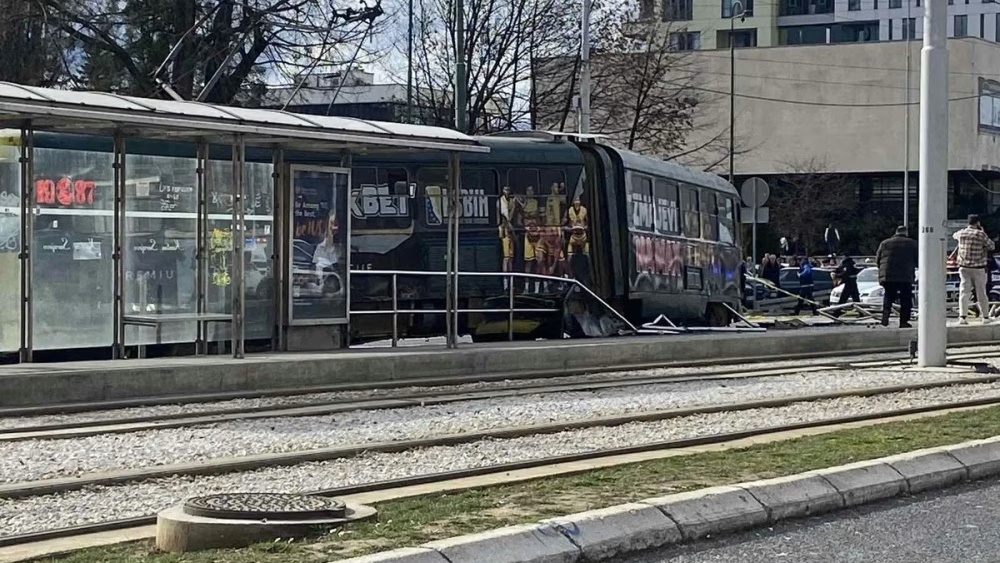
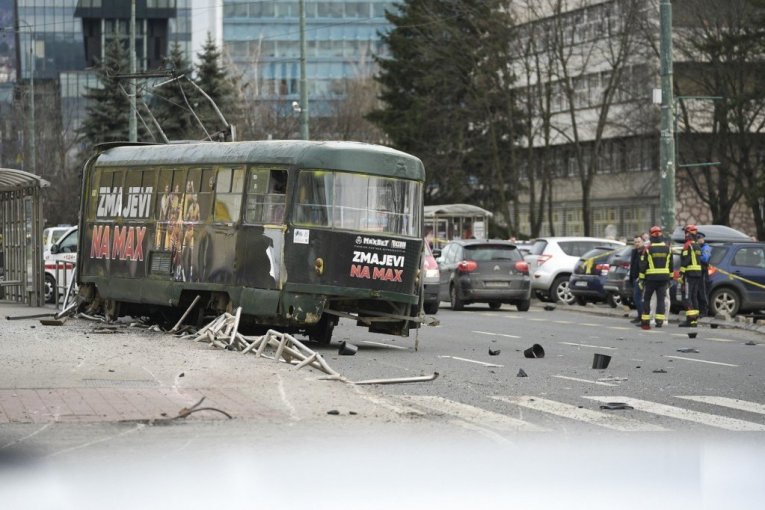
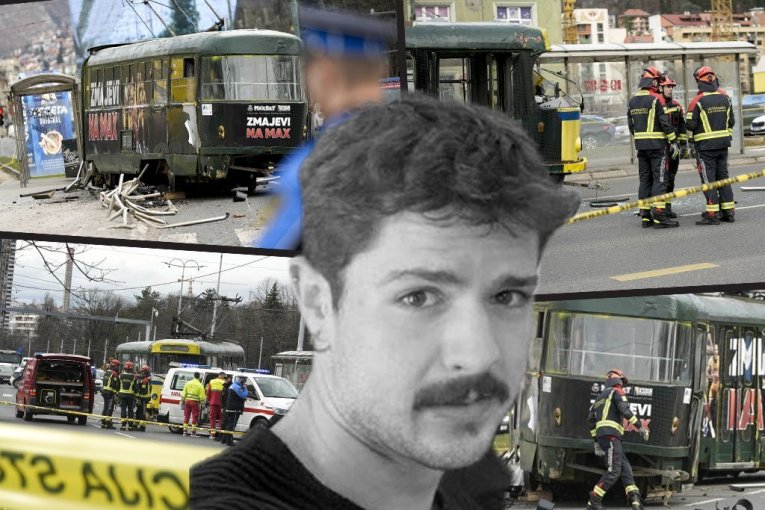
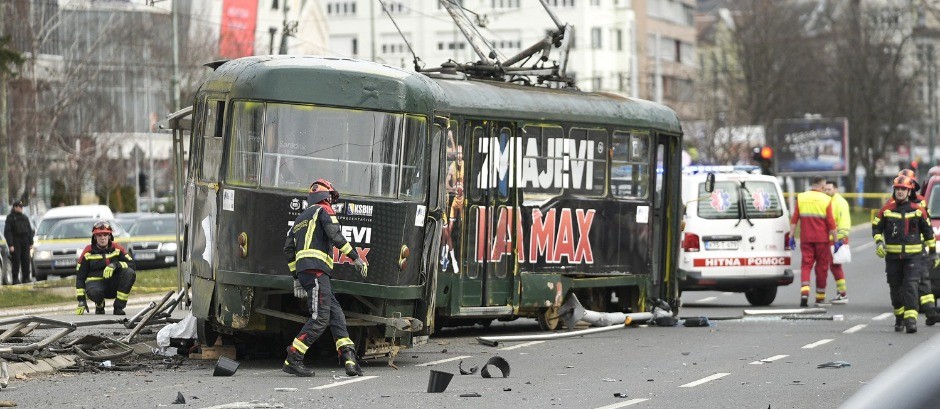
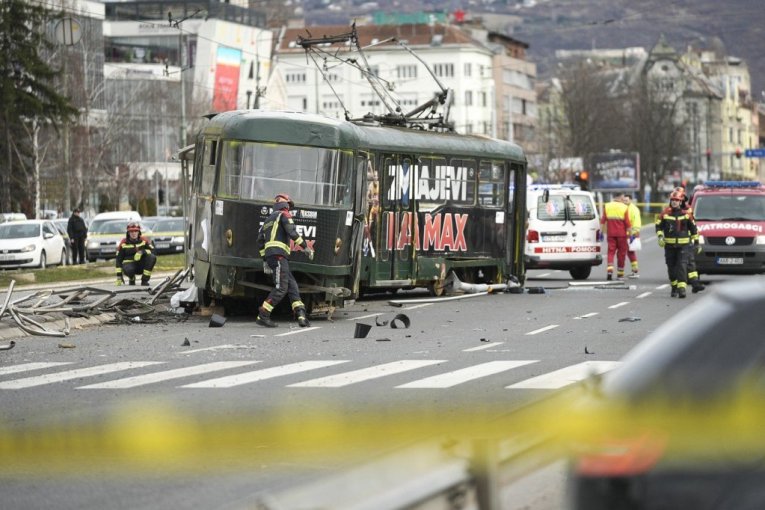
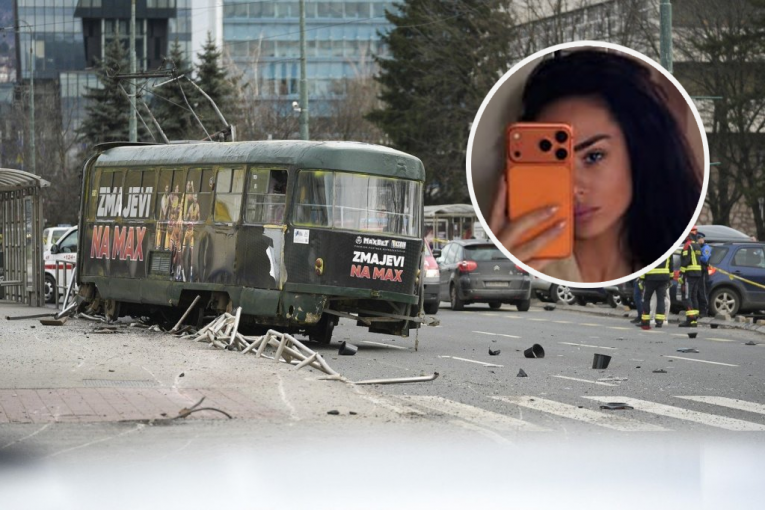
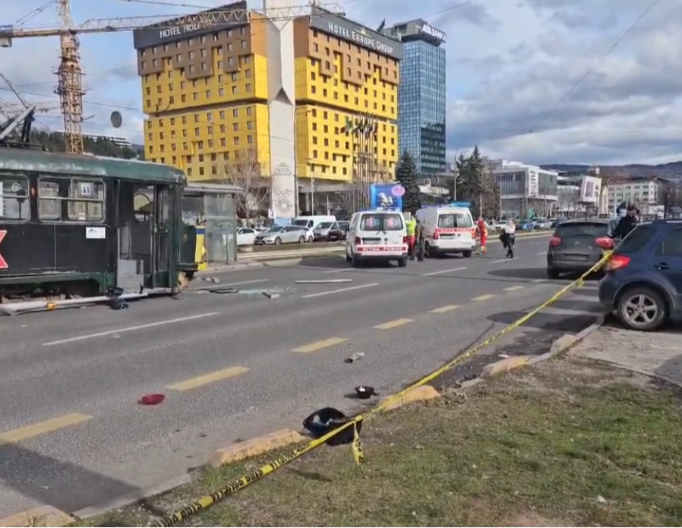
A tram accident in Sarajevo on February 12 led to the derailment of a city tram near the National Museum and Mašinska škola, where it left the tracks, plowed through a tram stop, and came to rest on the roadway. Across both opposition and pro-government outlets, reports converge that one young man, identified as art student Erdoan Morankić from Brčko (born in 2003), was killed, and that four other people were injured, including a teenage girl born in 2008/2009 who required a leg amputation and remains in critical condition. Coverage agrees that emergency services cordoned off the area, suspended traffic while an investigation began, and that officials and public figures expressed condolences to the victim’s family and solidarity with the injured and the citizens of Sarajevo. Both sides also note that video footage from the scene shows the tram swaying before derailing, and that the incident caused widespread public shock.
Outlets on both sides cite institutional actors and procedural steps in broadly similar terms: the tram operator GRAS states that a technical malfunction is the most likely cause, police have opened an investigation and detained the driver on suspicion of endangering public traffic safety, and prosecutors will determine formal charges once expert analyses are complete. They agree that the accident has intensified attention on public transport safety, technical condition of the tram network, and the responsibilities of operators and regulators. Both opposition and pro-government sources present the tragedy as a serious systemic warning, emphasize the youth of the victims, and mention that cultural events and performances in the city were canceled or toned down in mourning. There is shared acknowledgment that the final explanation for the derailment will depend on expert findings and that families and the broader community are experiencing profound grief.
Cause and responsibility. Opposition-aligned outlets emphasize the driver’s arrest, quoting the criminal suspicion of endangering public traffic safety and highlighting his questioning, which implicitly focuses attention on individual accountability and possible human error. Pro-government outlets, while noting the driver’s statement, foreground GRAS’s claim that a malfunction is the most likely cause and repeatedly stress that the final word awaits technical expertise, softening immediate blame on the operator and institutions. Opposition reporting tends to treat the arrest as a logical consequence of a preventable failure within a fragile system, whereas pro-government pieces more often frame the derailment as a tragic anomaly within an otherwise functioning network.
Systemic failures vs isolated tragedy. Opposition coverage uses the accident to hint at broader structural neglect of public infrastructure, suggesting that this is symptomatic of deeper governance and safety problems, even when not spelled out in detail. Pro-government outlets mostly avoid systemic critique, framing the accident as a rare but devastating event and steering the narrative toward human stories, celebrity reactions, and mourning rituals. Where opposition sources implicitly link the crash to regulatory oversight and long-term maintenance issues, pro-government narratives emphasize that investigations are ongoing and caution against premature judgments about systemic culpability.
Focus of outrage and public reaction. Opposition-aligned reports center their outrage on the circumstances of the crash itself and institutional performance, paying less attention to social-media scandals. Pro-government coverage devotes extensive space to condemning influencers who trivialized the tragedy with insensitive posts and photo shoots, amplifying celebrity rebukes and public shaming. In doing so, pro-government outlets redirect much of the moral anger toward perceived individual callousness on social networks, while opposition outlets reserve their critical tone more for state-linked actors and the transport system.
Tone toward authorities and institutions. Opposition sources describe police actions and GRAS statements in a matter-of-fact but implicitly skeptical way, underscoring the arrest and questioning of the driver and leaving room for the idea that official narratives may be incomplete. Pro-government outlets, by contrast, highlight institutional responsiveness, from quick police cordons to GRAS’s cooperation with investigators and public condolences by notable figures, presenting authorities as engaged and compassionate. This yields a tonal split where opposition media imply that institutions are under scrutiny, while pro-government media depict the same institutions as doing their best under tragic circumstances.
In summary, opposition coverage tends to foreground questions of accountability, potential systemic negligence, and the legal treatment of the driver, while pro-government coverage tends to frame the accident as an unfortunate anomaly, emphasize institutional cooperation and public mourning, and channel much of the indignation toward insensitive influencers rather than state or operator failings.


pro-government
This tragic case has shaken many
2 months ago