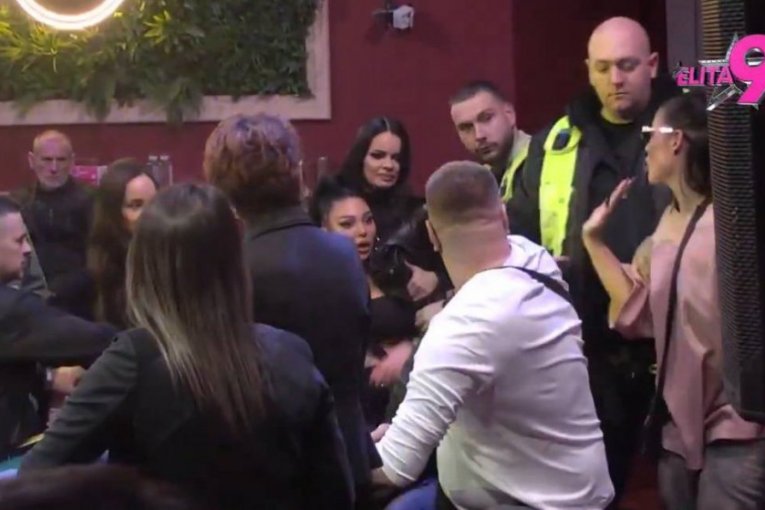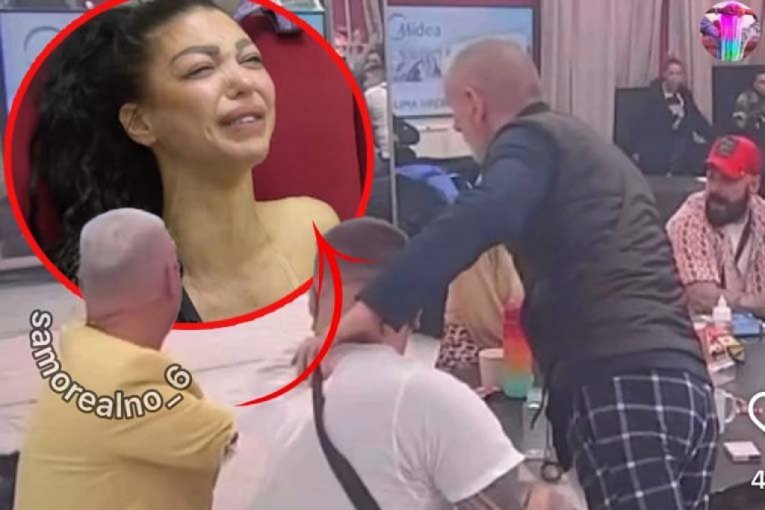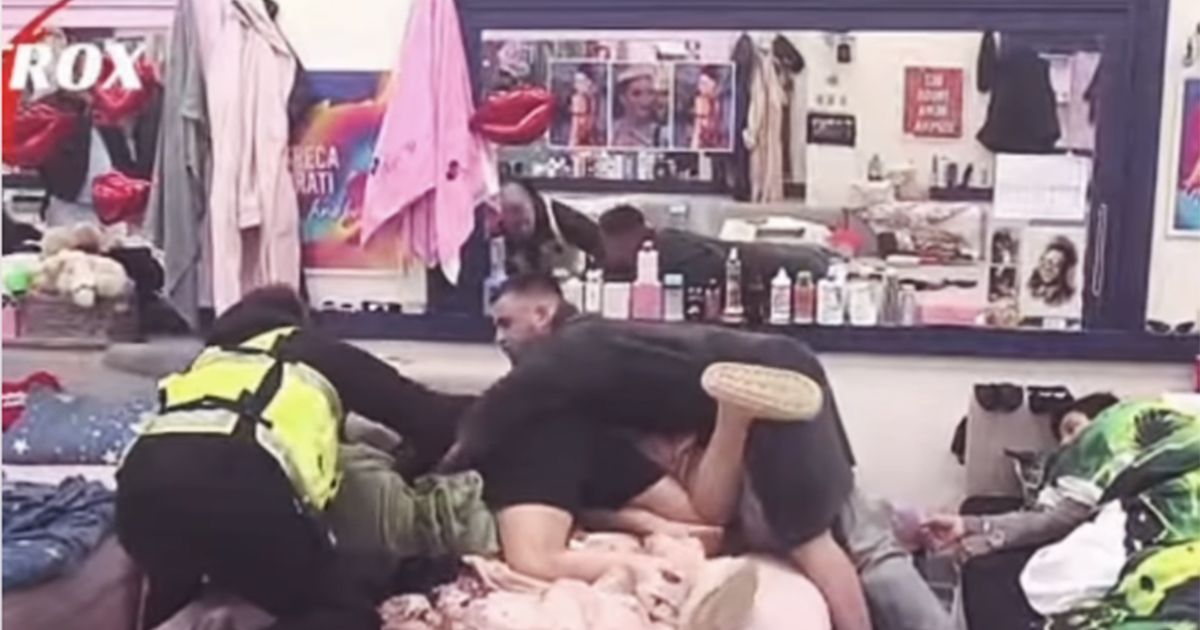


A physical altercation on the reality show “Elita 9” involved contestants Maja Marinković and Tanja Stijelja (Boginja), taking place after a party and later spilling over into segments such as the “Radio Amnezija” broadcast. Both opposition and pro-government outlets agree that the clash turned physical, that Maja was the one who inflicted visible facial injuries and scratches on Tanja, and that security had to intervene to separate them. Reports coincide that the incident occurred in shared spaces such as the casino and the so‑called White House, that uncensored or disturbing footage of Tanja’s injured face circulated publicly, and that other contestants like Filip Đukić, Bora Santana, and Uroš Stanić were present in the broader narrative around the conflict. They also align on the fact that a love triangle or at least overlapping romantic interests involving Filip Đukić (and in some accounts, the influence of other male contestants such as Filip Car) is a central trigger, and that Tanja’s friends later addressed production with complaints about how her injuries and image were handled.
Coverage from both sides situates the incident within the long‑running pattern of aggressive confrontations and sensationalized content on Serbian reality shows, particularly the “Zadruga/Elita” franchise. Both opposition and pro-government media describe a production environment that thrives on escalating interpersonal conflicts into televised scandals, using talk‑show formats like “Radio Amnezija” to rehash fights and extract more drama from participants’ testimonies. They concur that the show’s production exercises strong editorial control over what is aired and when, including selective release of uncensored video and follow‑up segments where the participants, such as Maja and Tanja, are invited to explain or justify their behavior. There is shared acknowledgement that such incidents fuel public outrage, prompt discussions of contestant safety and mental health, and are used to boost ratings by repeatedly replaying violent or humiliating scenes under the guise of audience “interest.”
Points of Contention
Framing of the violence. Opposition-leaning outlets tend to frame the incident as symptomatic of a toxic, violence‑normalizing media ecosystem closely linked to the ruling structures, emphasizing the brutality of Maja’s attack and the voyeuristic replay of Tanja’s mutilated face as evidence of systemic decay. Pro-government outlets, while describing the injuries in graphic terms, more often couch the fight as an extreme but isolated reality‑show scandal driven by interpersonal jealousy and love‑triangle drama. Opposition coverage stresses societal harm and institutional responsibility, whereas pro-government coverage foregrounds the personal feud and the entertainment value of the “skandal” format.
Responsibility of production and regulators. Opposition media typically argue that the “Elita 9” production and state-aligned regulators bear primary responsibility for allowing violence to occur and then monetizing it, suggesting that such content persists because the broadcaster enjoys political protection. Pro-government outlets largely depict production as reactive—intervening through security, summoning medics, and giving both women airtime to “tell their side”—and portray regulatory issues, if mentioned, as secondary to the immediate storyline. In opposition narratives, the incident is a case study in regulatory failure and cynical exploitation, while in pro-government narratives it is framed as a mishap in a high‑pressure format that production managed within acceptable bounds.
Portrayal of participants. Opposition-aligned sources are more likely to stress that both Maja and Tanja are products and victims of a manipulative reality‑show machinery, portraying Maja’s aggression and Tanja’s suffering as outcomes of a deliberately inflamed environment that rewards extreme behavior. Pro-government outlets dwell more on Maja’s personality, past scandals, and provocative actions, casting her as a volatile starlet whose jealousy over Filip Đukić or alleged provocations by Tanja led to an explosive but personalized confrontation. While opposition coverage emphasizes structural victimhood and questions the ethics of putting such individuals in these conditions, pro-government coverage individualizes blame and characterizes the women as willing players in a sensational spectacle.
Political and cultural implications. Opposition coverage often links the brawl to a broader critique of the cultural climate under the current government, arguing that the mainstreaming of such violent reality content reflects moral erosion and deliberate distraction from social and political problems. Pro-government outlets generally avoid explicit political readings, treating the incident as pop‑culture news and, at most, a topic for moralizing commentary about personal behavior and celebrity excess. Thus, where opposition media read the altercation as a symptom of state‑backed cultural degradation, pro-government media present it primarily as a self‑contained entertainment scandal with limited broader significance.
In summary, opposition coverage tends to treat the Marinković–Stijelja altercation as proof of a politically enabled, exploitative media system that normalizes violence and degrades public culture, while pro-government coverage tends to frame it as a sensational but essentially apolitical reality‑show scandal rooted in personal jealousy and contestant temperament.
Story coverage