

pro-government
JANKO STABBED HIS MOTHER TO DEATH OVER DRUGS?! Neighbors horrified by tragedy in Kruševac center, revealed a chilling detail! (PHOTO, VIDEO)
Biljana was a mother of three and worked as a nurse.
2 months ago
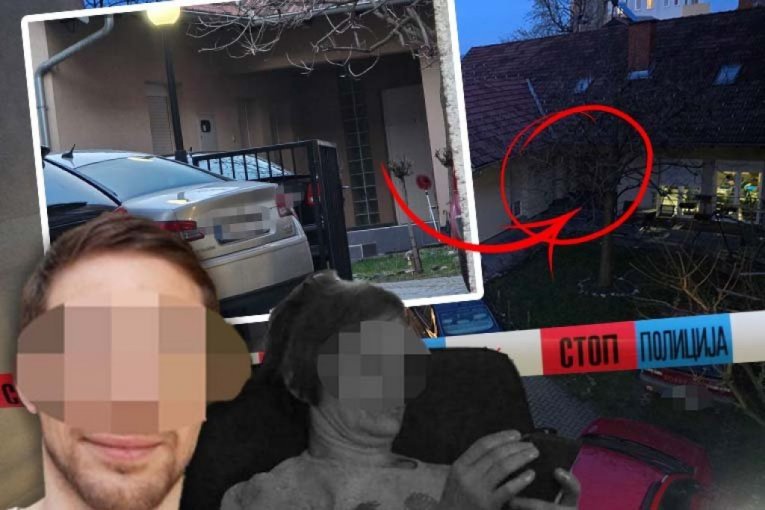
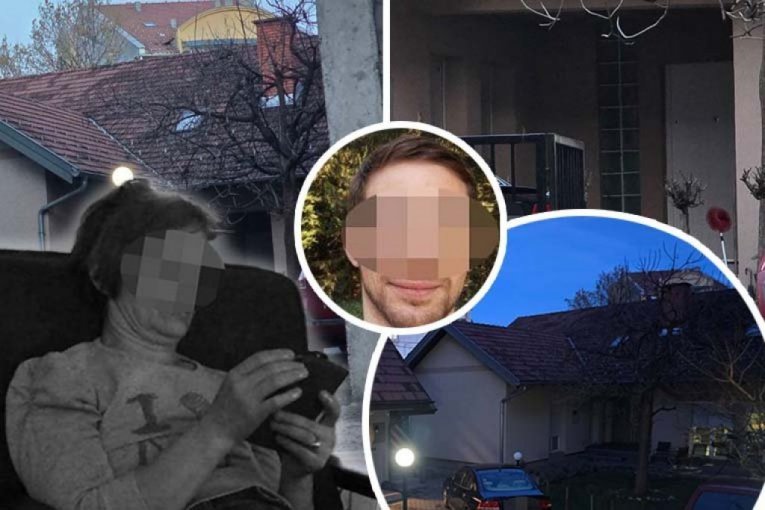
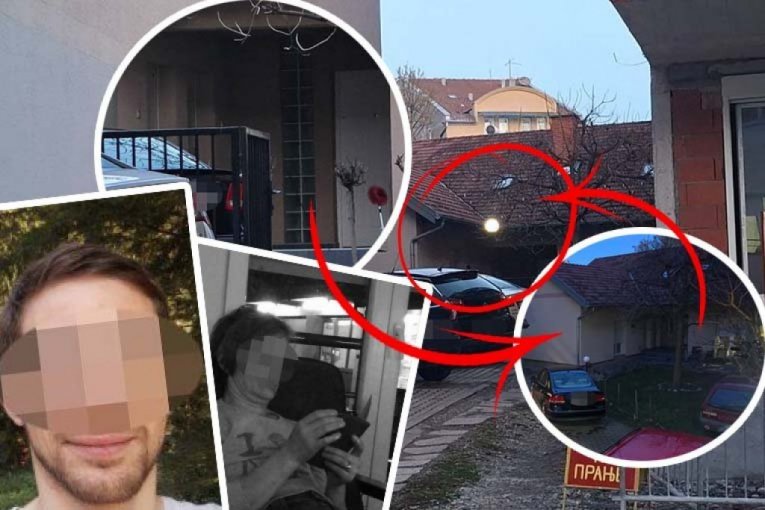
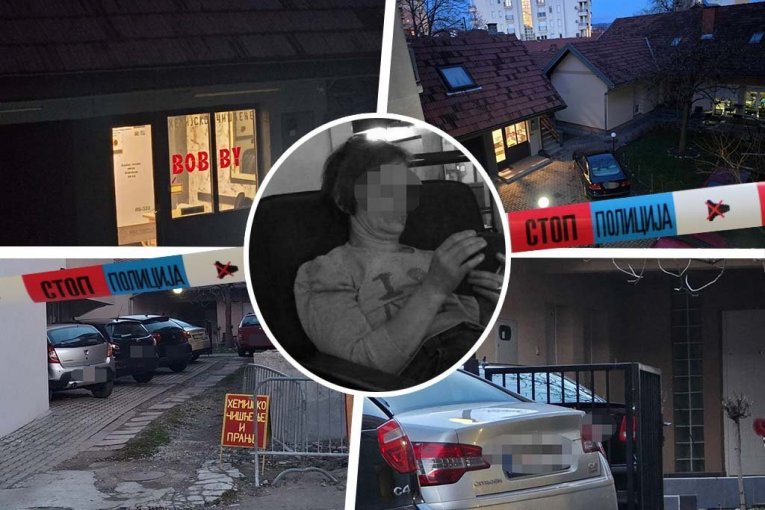
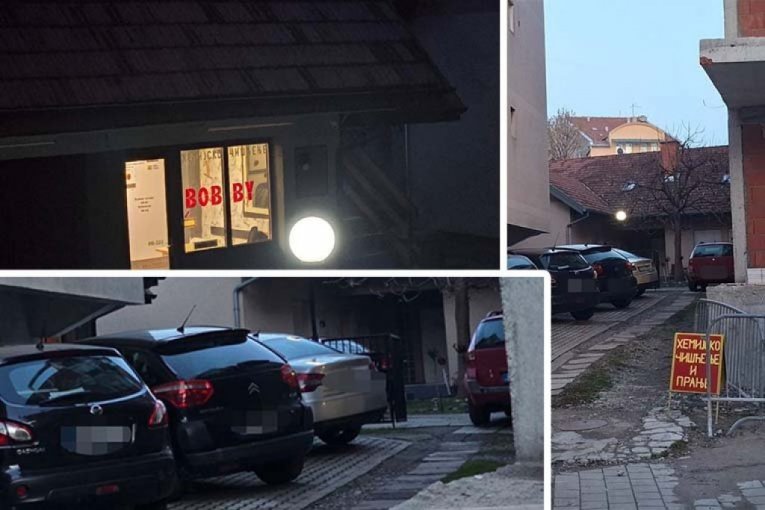
A middle-of-the-day killing in a family home in Kruševac is reported similarly by both opposition and pro-government outlets: a 32-year-old man, identified as Janko B. or J. B., was arrested on suspicion of fatally stabbing his mother, Biljana B., a woman in her late fifties or around 60, in their house in Drinčićeva Street. The incident occurred around early afternoon, with police quickly cordoning off the area and detaining the suspect for an initial 48 hours while a murder investigation is opened, and all sources agree that the victim died at the scene from multiple stab wounds, described as being to the torso and neck, in what neighbors and local residents depict as a brutal domestic tragedy.
Both sides also concur that the killing followed a verbal argument inside the house, and that the case fits into a broader pattern of domestic and family violence that has shocked the local community. They draw on neighbors’ testimony that the mother was a well-regarded nurse and small business owner, that the son had a troubled history including alleged drug problems and prior threats against his parents, and that the family had recently been preparing for or celebrating a daughter’s wedding, heightening the sense of tragedy; common institutional context includes references to standard police procedure, prosecutorial oversight, and the expectation of a judicial process to clarify the exact sequence of events and motives.
Framing of the tragedy. Opposition-aligned outlets tend to frame the killing as part of a systemic crisis of domestic violence and social decay, using the Kruševac case as an illustration of broader insecurity and institutional failure. Pro-government outlets emphasize the uniqueness and horror of this individual crime, highlighting shocked neighbors, grieving relatives, and dramatic scenes at the cordoned-off crime scene to underscore it as an isolated family catastrophe. While opposition coverage more often situates the murder within statistics or prior cases, pro-government pieces are more focused on human-interest storytelling and emotional impact. Both, however, rely heavily on witness accounts to shape the narrative.
Institutional responsibility. Opposition media generally question whether social services, health institutions, and the police adequately monitored or intervened given the son’s alleged drug problems and prior threats toward his parents, implicitly or explicitly blaming state structures for not preventing the killing. Pro-government coverage either omits such criticism or presents the authorities as fully responsive, stressing the rapid police arrival, the “state of siege” around the house, and the formal 48-hour detention as proof that institutions are functioning. Where opposition voices may call for accountability and reform, pro-government outlets lean toward portraying the case as beyond the reasonable reach of preventive mechanisms, something that could not have been foreseen in time.
Political and social context. Opposition-aligned sources are more likely to place the Kruševac murder in a broader political and socio-economic context, linking it to issues like drug availability, youth despair, and what they see as government neglect of mental health and addiction treatment. Pro-government outlets largely de-politicize the event, focusing instead on biographical details about Biljana as a nurse and business owner, the family’s recent wedding preparations, and the personal drama of the grieving father. While opposition coverage can implicitly connect the tragedy to governance and policy shortcomings, pro-government reporting tends to avoid overt structural critique and keeps the story on the level of private misfortune.
Use of speculation and motive. Opposition media are more inclined to question early claims about motives—such as an argument over money for drugs—by emphasizing that details remain to be confirmed by investigators and that premature conclusions could obscure deeper causes. Pro-government outlets, by contrast, often foreground the alleged drug-related dispute as the primary trigger, quoting neighbors about the son’s addiction and past threats and treating this angle as the most plausible explanation. Opposition sources may highlight the risks of sensationalizing the suspect’s drug use without addressing treatment gaps, whereas pro-government coverage tends to crystallize the narrative around personal vice and family conflict rather than systemic drivers.
In summary, opposition coverage tends to embed the Kruševac matricide in a wider narrative of institutional failure, social crisis, and inadequate responses to domestic violence and addiction, while pro-government coverage tends to present it as a shocking but individual family tragedy, emphasizing emotional eyewitness detail and swift police action while downplaying structural or political implications.