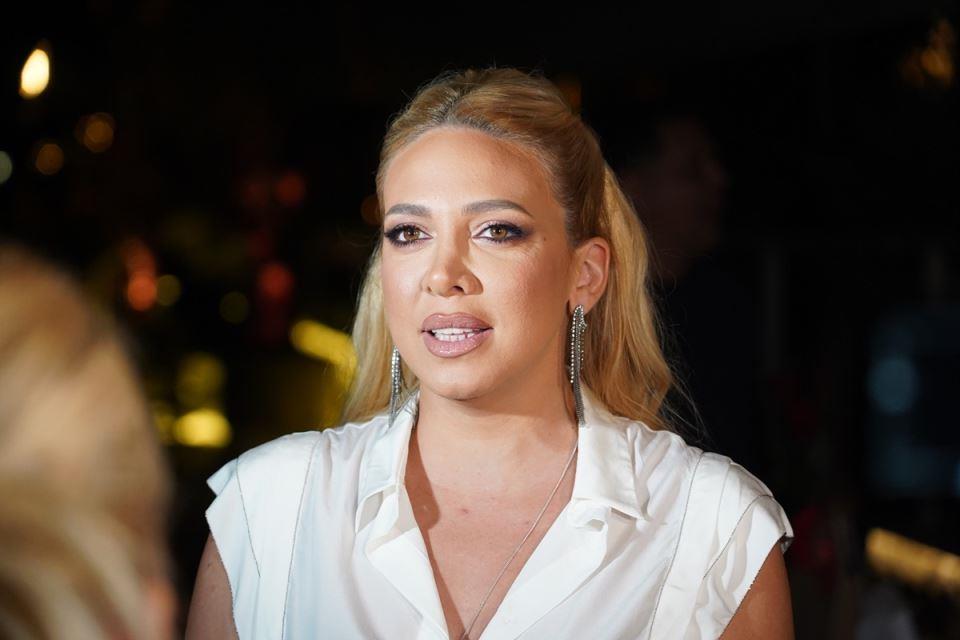


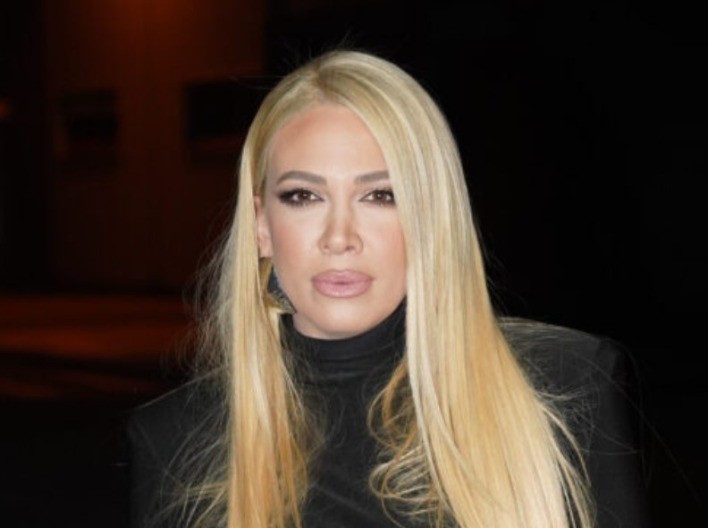
Singer Milica Todorović, who reportedly gave birth about a week ago, has shared the first public photo featuring her newborn son Bogdan, posting it on Instagram from her home. The image shows an intimate close-up of the baby’s hand holding her finger, accompanied only by his name and a blue heart, and in some accounts underscored by the song “Naša ljubav.” Coverage notes that the post quickly drew attention from fans and colleagues in the entertainment industry, with many public figures sending brief messages of support and admiration. Several outlets also highlight that Todorović limited or restricted comments on the post, allowing only selected individuals to respond.
Across outlets, the story is framed within a broader backdrop of personal and relational turbulence surrounding Bogdan’s paternity and the alleged parallel relationship of the child’s father, which another woman publicly claims has pushed her “through hell” and toward divorce. Both opposition and pro-government reporting reference or acknowledge that accusations and scandal have preceded the photo’s publication, even as they agree that Todorović herself has not provided a detailed public statement beyond the minimalist caption. There is shared recognition that the episode sits at the nexus of celebrity culture, social media exposure, and intense tabloid scrutiny, and that institutional actors (such as courts or welfare authorities) have not, at least so far, visibly intervened. All sides also appear to accept that the central, verifiable elements remain the birth of Bogdan, the timing and content of the Instagram post, and the existence of public allegations from the alleged estranged wife of Bogdan’s father.
Points of Contention
Framing of the scandal. Opposition-leaning outlets tend to foreground the scandal aspect, emphasizing the alleged love triangle, the suffering of the purported wife, and the moral implications of Todorović’s relationship with the child’s father. Pro-government outlets, by contrast, mention the accusations but quickly pivot to the emotional and tender portrayal of motherhood, treating the scandal as background rather than the main narrative. Opposition sources are more likely to use strong language about betrayal and family breakdown, while pro-government sources emphasize the joy of birth and the warmth of public support.
Portrayal of Milica Todorović. Opposition coverage typically casts Todorović as a central participant in a morally dubious situation, stressing the claims that she sustained a relationship with a married man for a year and raising questions about her choices. Pro-government outlets instead frame her primarily as a new mother under pressure, focusing on her emotional state, the intimacy of the photo, and the supportive comments from colleagues. While opposition narratives hint at personal responsibility and potential culpability, pro-government reporting leans toward sympathy and a protective tone, suggesting she is being unfairly judged amid a personal crisis.
Weight given to the alleged wife’s testimony. Opposition-aligned sources are inclined to amplify the alleged wife’s statements, detailing her claim that she is “going through hell,” expects a divorce, and has directly spoken with Todorović, thereby treating her as a key witness and moral reference point. Pro-government outlets, when they mention her at all, typically summarize her statements briefly and avoid expanding on her emotional appeals or legal threats. For opposition media, her perspective anchors the story as one of marital breakdown and injustice, whereas pro-government coverage keeps her in the periphery, subordinating her narrative to that of the celebrity mother and her newborn.
Use of social media details. Opposition reporting tends to interpret Todorović’s decision to restrict Instagram comments as a sign of controversy management or an attempt to shield herself from a wave of criticism. Pro-government outlets, in contrast, present the same detail as a routine privacy measure, often highlighting that selected supportive comments from colleagues still appear and are warmly received. Thus, opposition sources read social media curation as evidence of reputational damage, while pro-government sources portray it as a reasonable boundary-setting in a sensitive moment.
In summary, opposition coverage tends to stress the scandal, moral conflict, and the pain of the alleged wife surrounding Milica Todorović’s first photo with her son, while pro-government coverage tends to foreground the emotional significance of motherhood, public support, and Todorović’s efforts to maintain privacy amid controversy.