


pro-government
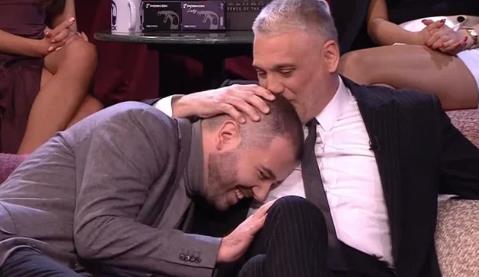
ČEDA AND ACA KOS ADMITTED EVERYTHING, A KISS HAPPENED: "This between us has been going on for 20 years"
Revealed details of their meeting
2 months ago
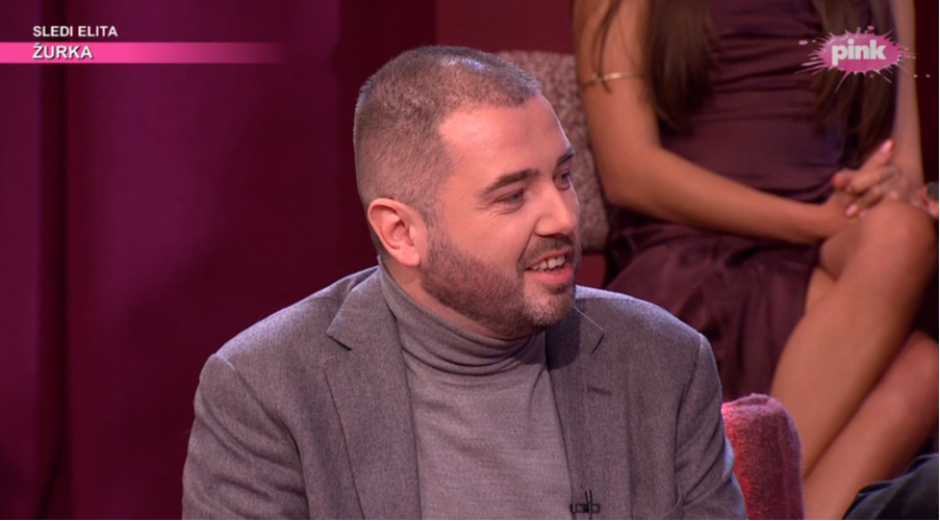
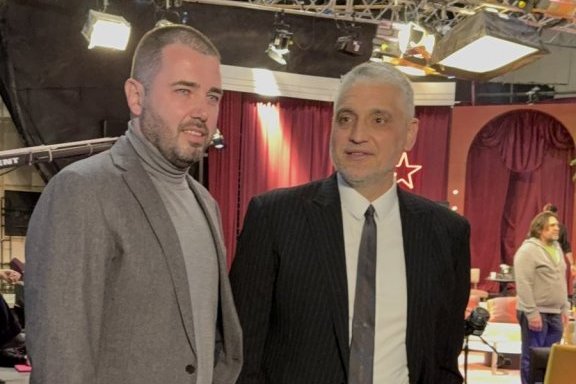
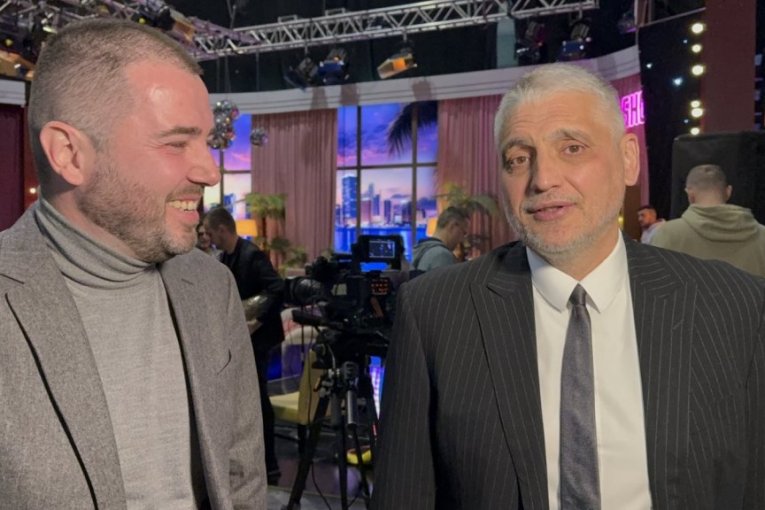
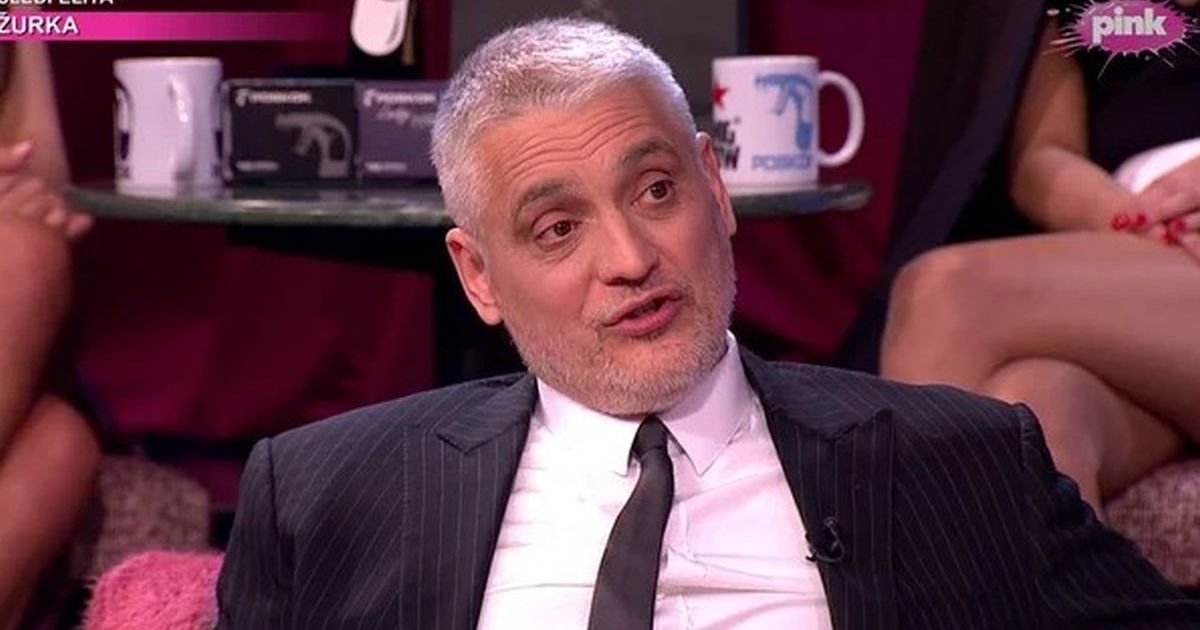
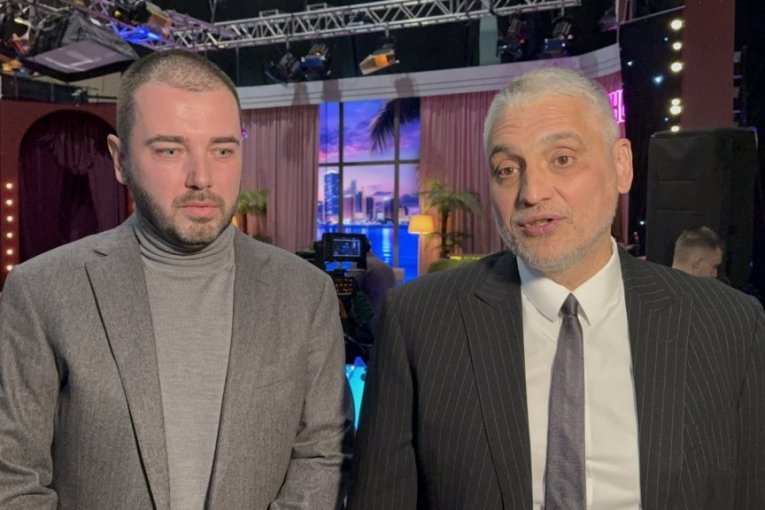
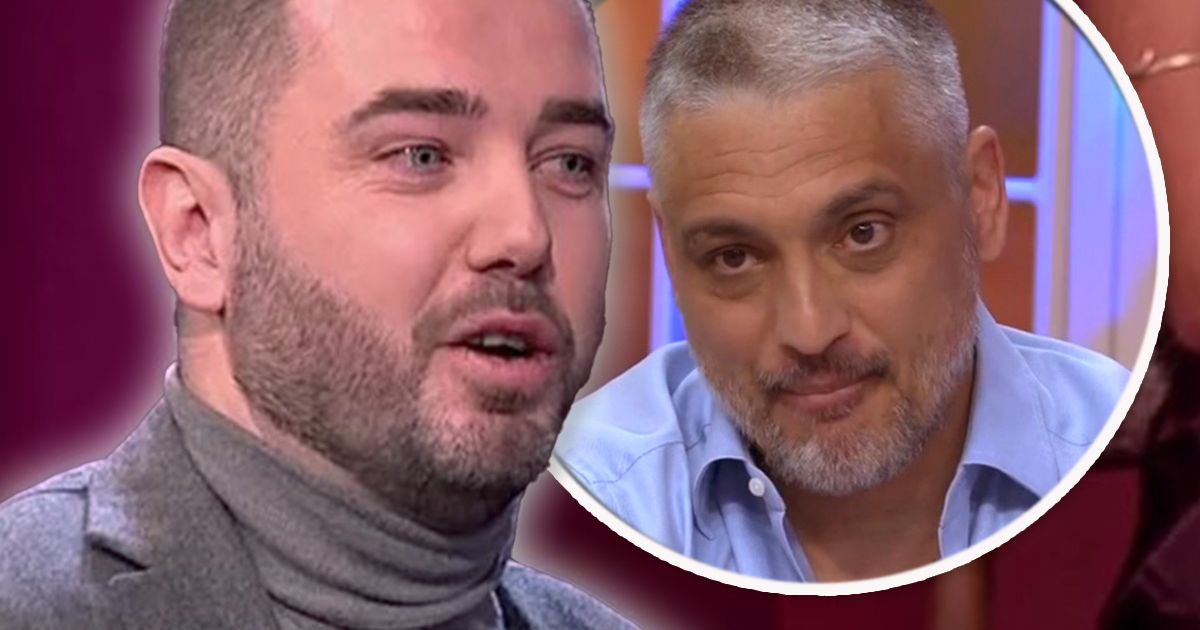
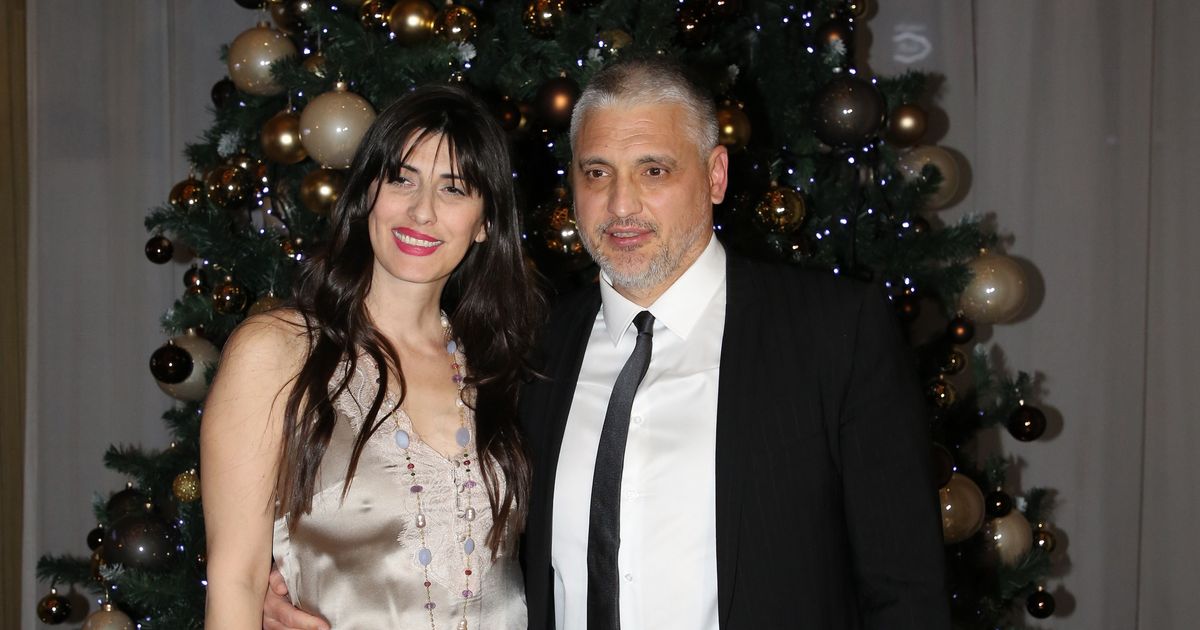
Čedomir Jovanović and Aleksandar (Aca) Kos appeared together as guests on Pink TV’s entertainment talk show “Amidži šou,” where they openly discussed the nature and history of their relationship. Both opposition and pro-government accounts agree that the two men described a bond spanning roughly two decades, with Jovanović emphasizing that Kos was his key support during a period when he was immobilized by serious spinal injuries and needed help walking, sometimes holding hands for physical support. They also concur that Kos has close relations with Jovanović’s ex‑wife Jelena and children, that he has at times lived with or spent extended time with the family, and that he admits to being possessive and jealous when women approach Jovanović for photos or physical contact. Across outlets, it is consistently reported that Kos checks Jovanović’s phone and knows his password, that the two frequently appear together on social media, and that in the show’s more provocative segments Jovanović joked about kissing male friends daily, clarified as platonic affection, while also voicing support for the legalization of gay marriage in Serbia.
Opposition- and government‑aligned coverage alike place the discussion within the broader context of Jovanović’s trajectory as a former high‑profile politician who has shifted into a more media‑centric and personality‑driven public role. They agree that “Amidži šou” is a light, sensationalist entertainment format on Pink TV, designed to blend personal confessions with tabloid‑friendly provocation, and that Jovanović’s comments on same‑sex affection and gay marriage legalization intersect with ongoing debates over minority rights and social conservatism in Serbia. Both sides frame the relationship as unusually intense for Serbian public life, touching on themes of loyalty, caregiving during illness, and blurred lines between private and public identity for a once‑prominent political leader. There is shared recognition that the pair’s joint social‑media presence and repeated TV appearances are part of an intentional cultivation of a public image, even as interpretations differ over whether this primarily reflects genuine intimacy, strategic rebranding, or broader shifts in the media culture surrounding ex‑politicians.
Nature of the relationship. Opposition-aligned sources tend to cast the Jovanović–Kos bond as implicitly romantic or at least ambiguously queer, highlighting language like “more than a friend,” jealousy, and phone‑checking as evidence that the relationship exceeds conventional friendship. Pro-government outlets, especially those close to Pink, generally frame it as deep but ultimately platonic male affection, stressing caregiving during illness, family integration with Jelena and the children, and cultural discomfort with overt emotional expression between men. While critics hint that talk of “20 years” and nightly reading from “Hadrian’s Memoirs” signals a hidden same‑sex partnership, supportive coverage normalizes these details as signs of loyalty and sacrifice rather than sexual intimacy.
Framing of Jovanović’s image. Opposition coverage often portrays the show as another step in Jovanović’s long descent from serious political actor to tabloid personality, using the Amidži šou appearance to underline his marginalization and alleged opportunism. Pro-government media instead leverage the same appearance to rebrand him as a more relatable, emotionally open public figure whose vulnerability and unconventional friendship humanize him beyond past political controversies. Where critical outlets see a spectacle that trivializes politics and confirms his irrelevance, supportive outlets see a savvy adaptation to modern media logic and a softening of his earlier combative image.
Gay marriage and social values. Opposition-oriented reporting typically emphasizes Jovanović’s call for legalizing gay marriage as either a sincere, long‑standing liberal position or a late, symbolic gesture that exposes the ruling camp’s conservative stance and Pink TV’s willingness to sensationalize sensitive issues. Pro-government coverage tends to treat his statement as a shocking but isolated “bomb” that spices up a talk show, downplaying ideological stakes and avoiding sustained discussion of legal reforms or minority protections. In this framing, opposition media use the moment to connect the conversation to structural rights debates, while pro-government outlets keep it in the realm of personal opinion and entertainment.
Privacy, control, and jealousy. Opposition sources are more likely to spotlight Kos’s admissions about knowing passwords, deleting content, and reacting jealously to women as troubling signs of possessiveness and blurred boundaries, sometimes suggesting a toxic or unhealthy dynamic. Pro-government coverage presents the same details more playfully, as quirky proof of devotion and an amusing human‑interest angle that reinforces their closeness and Kos’s protective role. Thus, what one side reads as a red flag about control and dependency, the other packages as sitcom‑like banter fitting the light tone of Amidži šou.
In summary, opposition coverage tends to interpret the Jovanović–Kos revelations as confirmation of his political and personal drift into tabloid spectacle, raising questions about hidden intimacy, power imbalance, and the seriousness of his stance on gay rights, while pro-government coverage tends to treat the same material as colorful entertainment that humanizes a former politician, normalizes intense male friendship, and avoids deeper structural or ideological critiques.