

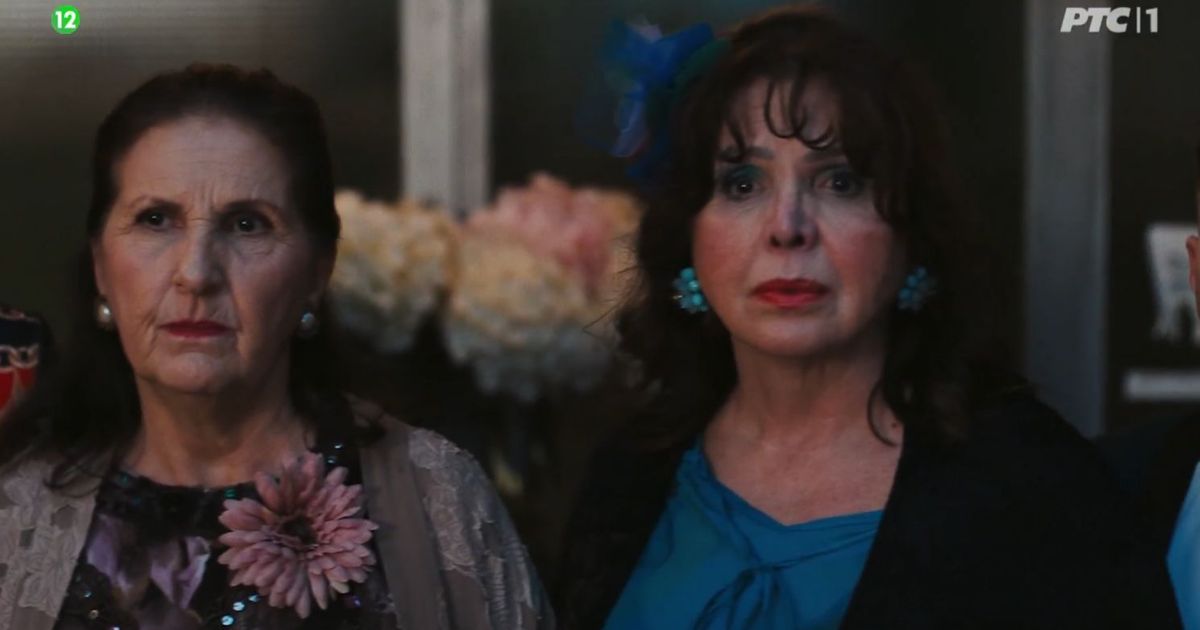
The final episode of the Serbian TV series "Radio Mileva" has aired, with both opposition- and pro-government-leaning outlets agreeing on the core plot events and structure of the finale. The story centers on the tenants of an old Belgrade building threatened with demolition by an investor named Gojko, juxtaposed with the joyful wedding of Natalija and Mikica in the same community. In the climactic sequence, the residents physically stand in front of the bulldozer to prevent the destruction of their home, and the episode ends on an open note without clearly showing whether the building is ultimately saved. Across coverage, the finale is described as emotionally charged, combining sadness, bravery, and dignity, and leaving viewers in suspense and, in some reports, "speechless" due to the unresolved outcome.
Shared context in both opposition and pro-government accounts situates "Radio Mileva" as a character-driven, popular domestic series focused on everyday people, neighborly solidarity, and the pressures of contemporary urban life, particularly real-estate–driven redevelopment. Media from both camps emphasize that the series has used humor and drama to highlight social inequality, the vulnerability of ordinary tenants, and generational tensions, all framed through a familiar Belgrade milieu. The finale is commonly framed as the culmination of long-running storylines about community cohesion and resistance to powerful outside interests, with critics from all sides noting that the open-ended conclusion invites viewers to draw parallels to real-life disputes over urban development and to reflect on the broader social climate in Serbia. Although interpretations diverge, coverage broadly agrees that the ending functions as a symbolic mirror of current anxieties about displacement, corruption, and the erosion of traditional communal bonds.
Points of Contention
Political symbolism and allegory. Opposition-aligned sources say the showdown with the investor and bulldozers is a thinly veiled allegory for government-backed oligarchic urban projects and broader abuses of power, casting the tenants as stand-ins for citizens resisting an unaccountable regime. Pro-government outlets, by contrast, present the conflict more as a universal story about the little man versus cold capital, downplaying direct political references and framing the investor as an individual villain rather than a system-level proxy. Opposition coverage highlights specific real-world parallels to controversial developments and protests, while pro-government coverage keeps the focus on personal courage and emotional resonance instead of explicit political critique.
Portrayal of institutions. Opposition media tend to stress the near-total absence or impotence of formal institutions in the finale, arguing that the need for tenants to face down bulldozers alone reflects a judiciary, inspection system, and city administration captured by private interests. Pro-government coverage, where it addresses institutions at all, tends to treat them as off-screen background factors and not the core of the drama, emphasizing informal solidarity among neighbors instead. In opposition narratives, the silence of authorities is read as a direct indictment of the current power structure, whereas pro-government narratives are more inclined to treat the conflict as a personal dispute that does not necessarily represent systemic institutional failure.
Interpretation of the open ending. Opposition-leaning outlets describe the unresolved finale as a pessimistic or cautionary gesture, suggesting that in real life the bulldozers usually prevail and that the lack of closure reflects citizens’ uncertainty about justice under the current government. Pro-government outlets more often call the ending "brave" and "dignified," interpreting the frozen moment in front of the bulldozer as a celebration of courage and unity, regardless of the ultimate outcome. Where the opposition sees the ambiguity as a pointed critique of a rigged system, pro-government coverage emphasizes the inspirational, almost romantic quality of the stand itself, avoiding explicit speculation that the tenants will be defeated.
Cultural and media significance. Opposition media frame "Radio Mileva" as part of a broader wave of cultural works that smuggle social criticism into mainstream entertainment, praising the creators for subtly challenging dominant narratives about development and progress. Pro-government media instead highlight ratings, viewer attachment to characters, and the series’ role in promoting domestic production, often mentioning the emotional impact on audiences rather than any subversive cultural agenda. Thus, opposition outlets talk about the show as a rare prime-time space for dissenting sensibilities, while pro-government outlets underscore its value as uplifting, locally rooted family entertainment aligned with national television success.
In summary, opposition coverage tends to treat the "Radio Mileva" finale as a pointed, if coded, critique of government-enabled investor power and institutional failure, while pro-government coverage tends to portray it as an emotionally powerful but essentially apolitical story of ordinary people’s courage, community, and love.