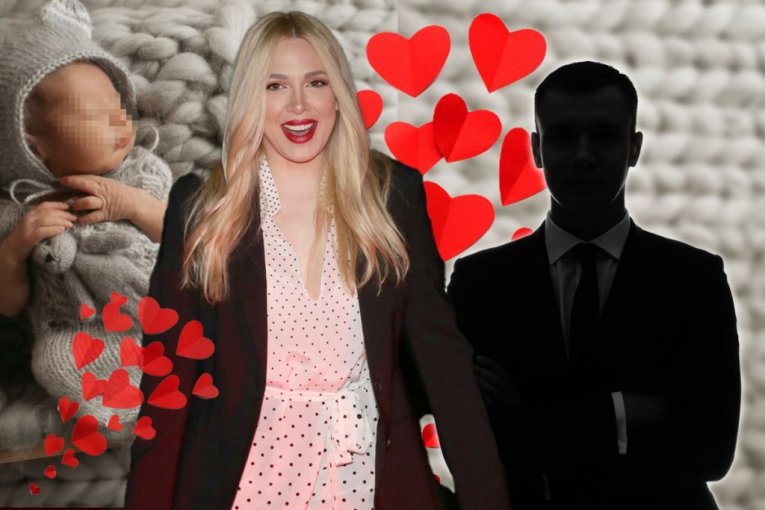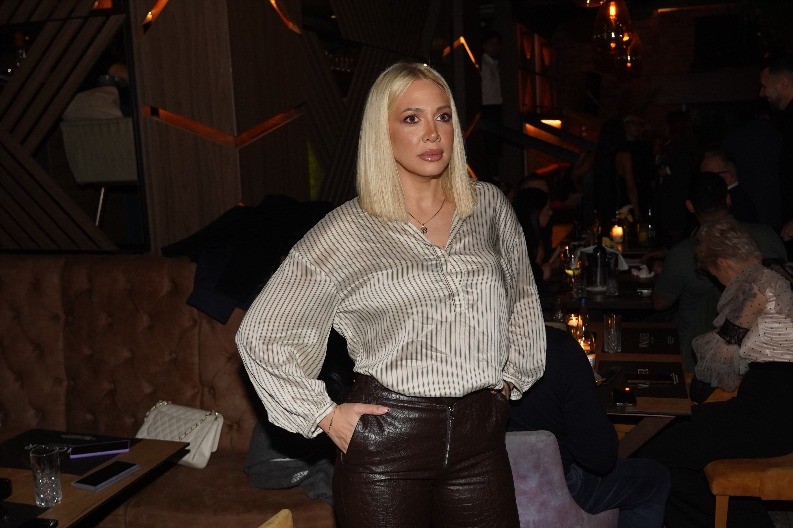




Singer Milica Todorović recently gave birth to a son named Bogdan on February 3, with a large celebration attended by friends, family and fellow performers such as Katarina Živković and Stevan Anđelković. Across the spectrum, outlets report that the baby’s father has been identified as N.M., a Belgrade-based car salesman and car wash owner who is legally married to Ljiljana (Lj.M.) and has two sons from that marriage, and that he attended the baby’s celebration before returning to the family home.
Shared reporting also highlights that N.M. informed his wife about Todorović’s pregnancy roughly a month before the birth and that his wife has now spoken extensively to the media. Coverage agrees that the wife describes herself and her children as going through intense emotional distress, relying on medication due to stress, and that she is focused on protecting her sons amid the public scandal, while emphasizing that her husband continues to live with them and has stated he does not want a divorce.
Points of Contention
Moral framing and scandal. Opposition-aligned outlets tend to frame the story primarily as a symptom of a broader moral and media climate, using the affair to criticize celebrity culture and, indirectly, the values tolerated under the current government. Pro-government outlets, by contrast, sensationalize the private drama but keep it tightly contained as a personal scandal, avoiding any linkage to systemic or political questions and treating it as tabloid entertainment rather than a reflection of wider social decay.
Portrayal of Milica Todorović. Opposition sources are more likely to cast Todorović as an active participant who knowingly entered a relationship with a married man, sometimes using the case to question the privileged status of stars and their impunity. Pro-government coverage, while repeating the wife’s accusations, often softens direct blame on Todorović, presenting her as someone who believed a divorce was imminent and focusing more on her role as a new mother and less on moral responsibility.
Portrayal of the husband and his marriage. Opposition-aligned media typically underscore the husband’s duplicity and the power imbalance within the marriage, stressing his refusal to divorce and the wife’s description of “hell” as emblematic of women’s vulnerability in conservative institutions. Pro-government outlets also highlight his contradictory behavior but lean into melodramatic personal details—his return from the baby’s party to the marital bed, his long marriage of 19 years—emphasizing individual failings over any critique of legal or social protections for spouses.
Privacy, children, and media responsibility. Opposition sources, when they cover such stories, are more inclined to question whether minors and a distressed spouse should be exposed in this way, sometimes using the case to criticize the tabloidization of public discourse. Pro-government outlets largely disregard privacy concerns, publishing extensive, emotional testimony from the wife and detailed descriptions of the children’s distress, and rarely interrogating their own role in amplifying the scandal.
In summary, opposition coverage tends to situate the affair and the revelation of the father’s identity within broader critiques of social norms, media ethics, and power imbalances, while pro-government coverage tends to sensationalize the intimate drama as a self-contained celebrity scandal, personalizing blame and avoiding structural or political implications.
Story coverage