
pro-government
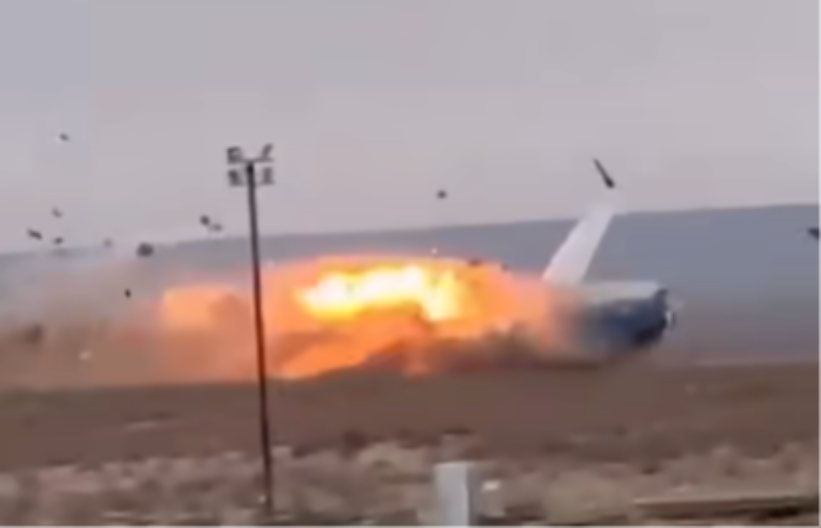
SRUŠIO SE AVION KOD MANČESTERA Poznat broj poginulih
Pratite online najnovija i najvažnija dešavanja u svetu i regionu
2 months ago
Two men were killed when a light aircraft crashed into a field/farmland near Littleborough in the Rochdale area of Greater Manchester. Both opposition and pro-government outlets agree that the victims were the only occupants of the aircraft, that no injuries were reported on the ground, and that the crash occurred in a rural setting rather than near dense housing or critical infrastructure. Coverage on both sides reports that emergency services responded swiftly to the scene, confirmed the deaths on site, and immediately cordoned off the area. They also concur that police statements so far have not identified the victims publicly and that formal identification and post-mortem procedures are pending.
Shared context across outlets emphasizes that the crash involves a small, privately operated light aircraft rather than a commercial flight, and that the incident is being treated as an aviation accident rather than a criminal or terror-related event. Both sides highlight that a joint investigation has been opened, involving local police and specialized aviation authorities to determine the cause, and that officials are appealing for witnesses or anyone with video or flight-tracking information. They also note that such light-aircraft accidents, while relatively rare, have occurred in the UK before and tend to trigger standard safety and regulatory reviews. Across the spectrum, reports frame the event as a tragic but contained incident within established aviation oversight and emergency-response procedures.
Framing of state competence. Opposition-aligned outlets tend to question how effectively aviation safety regulations are being enforced, hinting that under-resourced oversight bodies may have allowed potential maintenance or inspection gaps to go unchecked. Pro-government coverage, by contrast, stresses that all relevant agencies responded promptly and according to protocol, portraying the crash as an unfortunate but isolated event within an otherwise robust safety system. Where opposition pieces may juxtapose this crash with previous light-aircraft incidents to suggest systemic issues, pro-government reports emphasize that such accidents are statistically rare and not indicative of regulatory failure.
Emphasis on investigation and oversight. Opposition sources generally underscore the need for a thorough, transparent inquiry, sometimes calling for independent scrutiny beyond routine aviation investigations and demanding that findings be made fully public. Pro-government outlets largely confine themselves to relaying official statements that an investigation is underway, focusing on procedural language and avoiding speculation about oversight shortcomings. While opposition narratives may press the question of whether budget cuts or policy choices have weakened inspection capacity, pro-government coverage highlights institutional continuity and expresses confidence that existing mechanisms will clarify the cause.
Human impact and political subtext. Opposition reporting is more likely to weave the tragedy into a broader critique of how the government prioritizes public safety, using the crash to illustrate concerns about infrastructure, emergency funding, or regulatory staffing. Pro-government outlets tend to keep the story tightly focused on the immediate human loss and operational facts, avoiding broader political implications and limiting commentary to condolences and calls for witness cooperation. As a result, the same facts about the two deceased men and the absence of ground casualties are either framed as part of a systemic critique or presented as a strictly apolitical news event.
Risk perception and future reforms. Opposition coverage often raises questions about whether additional measures are needed for small-aircraft operations—such as stricter maintenance schedules, more rigorous pilot checks, or closer monitoring of flight paths near populated areas—and implies the government may have been slow to anticipate these risks. Pro-government coverage instead tends to suggest that it is too early to talk about reforms, arguing that any discussion of changes should await the official investigation’s conclusions and emphasizing that existing rules already align with international standards. Thus, while opposition sources cast the crash as a potential catalyst for tightening regulations, pro-government outlets largely frame it as a case for careful fact-finding rather than policy overhauls.
In summary, opposition coverage tends to treat the crash as a lens on possible regulatory weakness and underinvestment in safety oversight, while pro-government coverage tends to treat it as a contained tragedy managed by competent institutions within an already adequate regulatory framework.