


pro-government
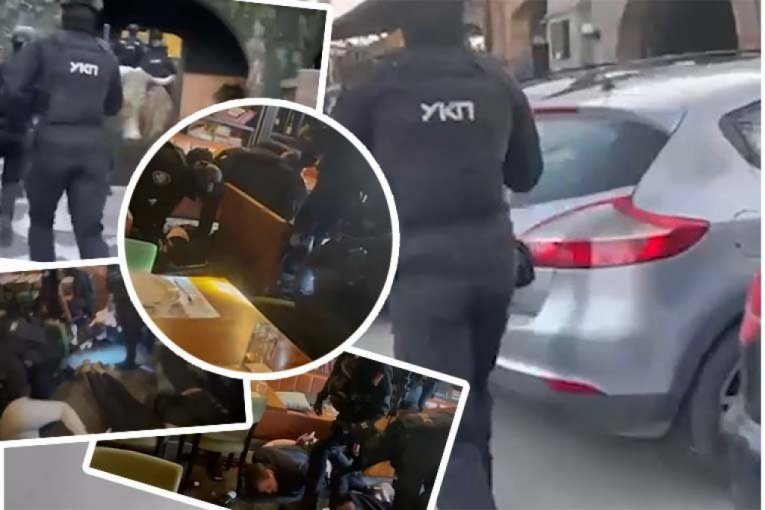
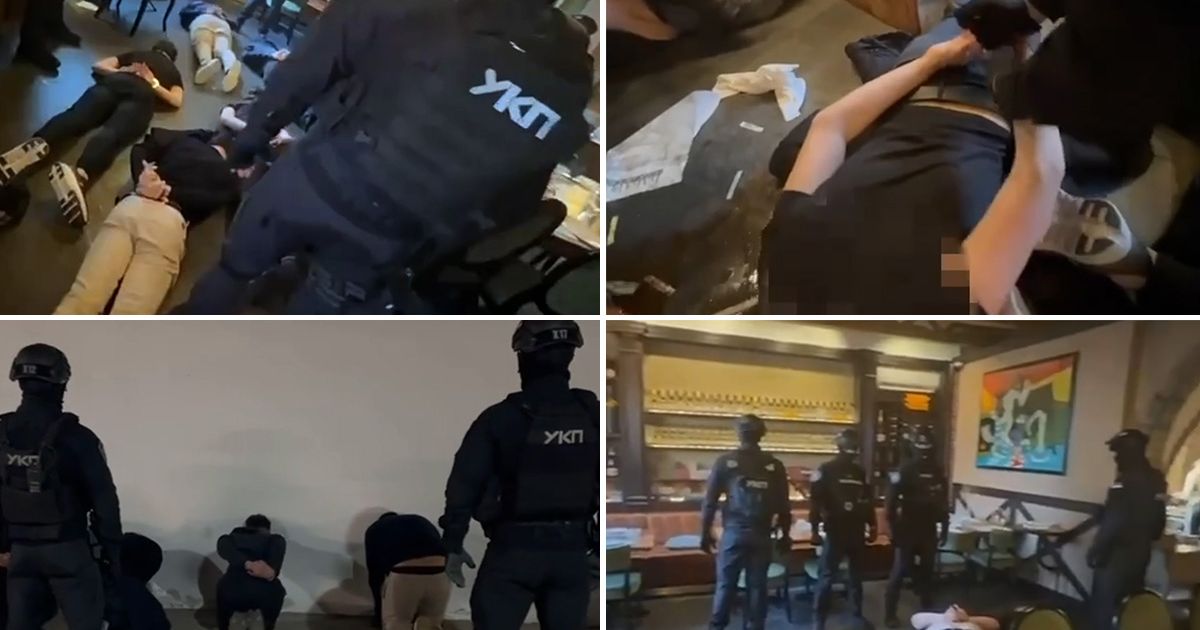
UHAPŠENI PIROMANI IZ BEOGRADA, MEĐU NJIMA "VRAČARCI"! Reketirali vlasnike i palili restorane! Pali u spektakularnoj akciji UKP!
Uhapšeni su zbog podmetanja požara i paljenja lokala širom Beograda u cilju reketiranja.
2 months ago
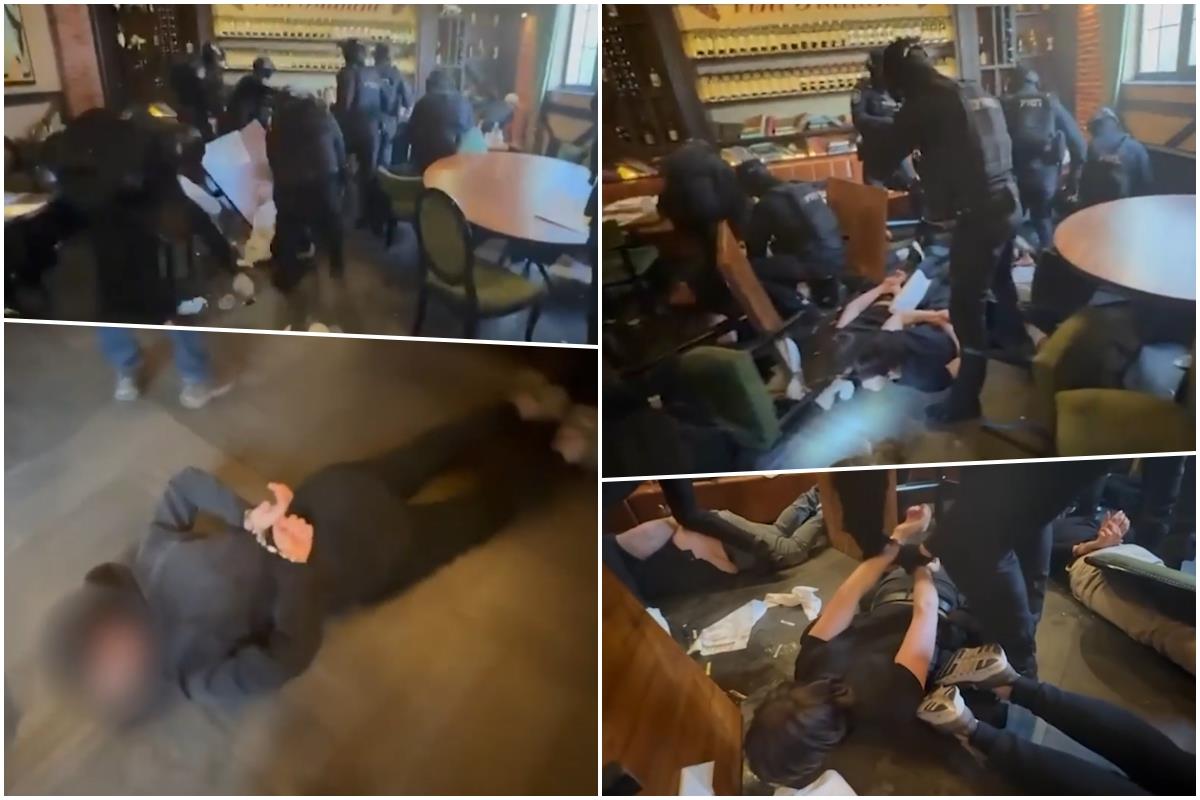
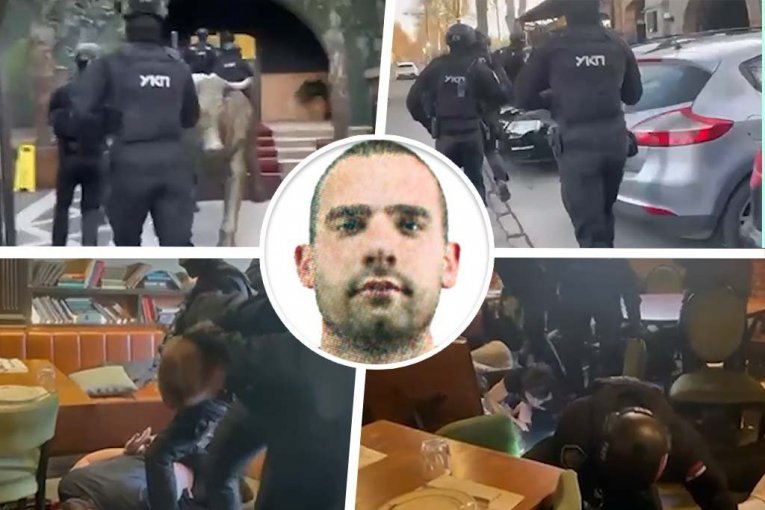
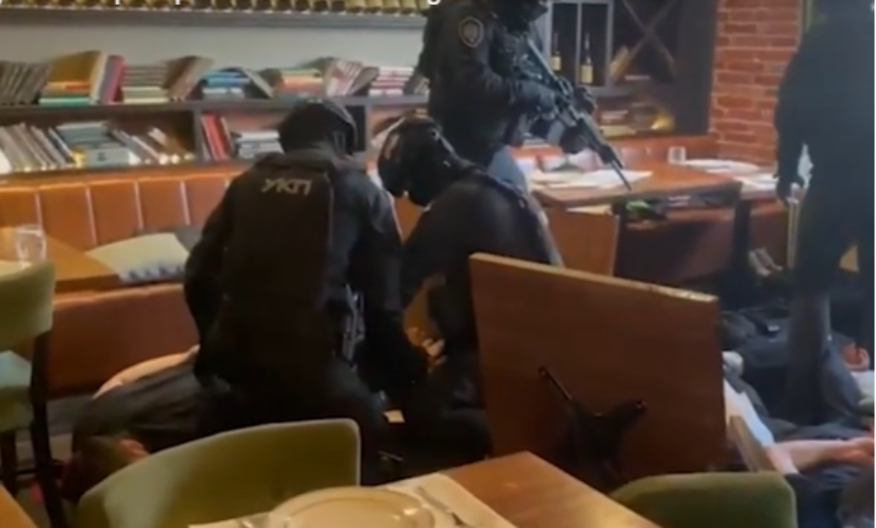
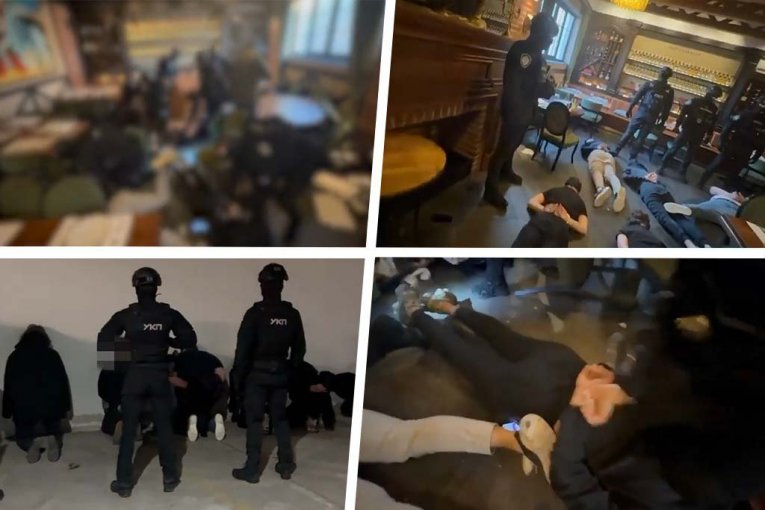
Police in Belgrade arrested eight individuals linked to the so‑called Vračar clan on suspicion of extortion, arson, and attacking police officers, in a coordinated operation led by the Criminal Police Directorate under orders of the Higher Public Prosecutor’s Office. According to both opposition and pro‑government reporting, the group consists of four adults and four minors who allegedly demanded monthly protection payments from restaurant and business owners in areas such as Vračar, Zvezdara, and central Belgrade, and used arson and explosives against those who refused. Several suspects were detained in a well‑known Belgrade restaurant, where two police officers were injured when the group resisted arrest, and at least one of the suspects has been identified publicly as Aleksandar A., known as Kravica, a prominent figure associated with the Vračar criminal network.
Coverage from both sides agrees that this Vračar group is part of a broader organized‑crime infrastructure tied to the Kavač clan, with the Vračar network described as its Belgrade arm. Outlets across the spectrum report that the clan’s alleged criminal portfolio includes extortion, bomb attacks, arson of hospitality venues, and links to previous attempted murders, and that its reputed leader, Nikola Vušović, is serving a 12‑year sentence in Germany for organizing a killing. There is also consensus that the group has increasingly relied on women and minors as operatives, that the latest arrests target this younger “podmladak” wing, and that the case falls within ongoing institutional efforts by the Interior Ministry and prosecutors to curb mafia‑style racketeering in the capital.
Framing of the police action. Pro‑government media portray the arrests as a spectacular, highly professional success of the Criminal Police and Interior Ministry, emphasizing dramatic footage of special units storming a restaurant and underlining the state’s strength. Opposition‑aligned outlets, while acknowledging the arrests, are more likely to question the timing and presentation, suggesting the operation is being used as a public‑relations showcase rather than evidence of a systematic anti‑mafia strategy. They also tend to highlight that similar groups have operated for years, implying that authorities moved decisively only once the case became politically useful.
Political responsibility and state capture. Pro‑government coverage generally treats the Vračar clan as a criminal structure external to the state, stressing that the government is cracking down on all organized crime regardless of connections or status. Opposition reporting more often raises the issue of alleged long‑term links between criminal clans and parts of the security or political apparatus, framing the case as a symptom of deeper state capture. In that narrative, the arrests are presented less as a clean break with crime and more as selective enforcement that leaves intact the political networks that allowed the clan to flourish.
Depth of institutional critique. Pro‑government outlets focus on operational details—names, locations, weapons, and prior incidents—while largely avoiding criticism of the police, prosecutors, or courts, and framing institutions as effective and coordinated. Opposition sources, by contrast, foreground questions about why minors were drawn into such networks, how oversight of youth crime and social services failed, and whether prosecutors will pursue higher‑level organizers rather than just the “youth wing.” They often stress past cases where indictments stalled or sentences were lenient, casting doubt on whether this operation will translate into lasting institutional reform.
Link to broader crime trends and reforms. Pro‑government coverage situates the case within a narrative of ongoing security reforms and prior high‑profile crackdowns on clans tied to the Kavač–Škaljari conflict, suggesting a consistent government policy against mafia structures. Opposition‑aligned media are more inclined to connect the Vračar arrests to persistent urban violence, unresolved bombings, and attacks on businesses, arguing that headline operations have not reduced the overall sense of insecurity. They also frame the episode as evidence that piecemeal raids cannot substitute for transparent, depoliticized reform of the police, judiciary, and intelligence services.
In summary, opposition coverage tends to treat the Vračar clan arrests as a selectively publicized operation that exposes deeper problems of impunity, political protection, and institutional weakness, while pro-government coverage tends to present them as a dramatic and decisive success that confirms the strength and determination of state institutions in the fight against organized crime.