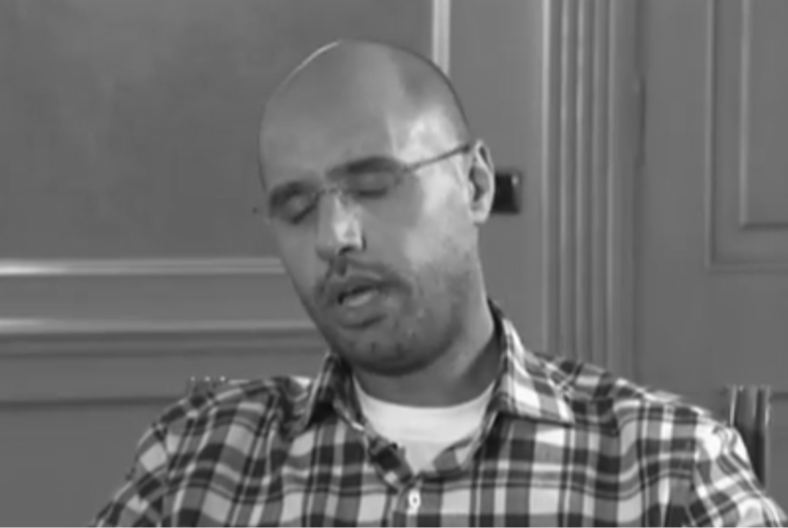
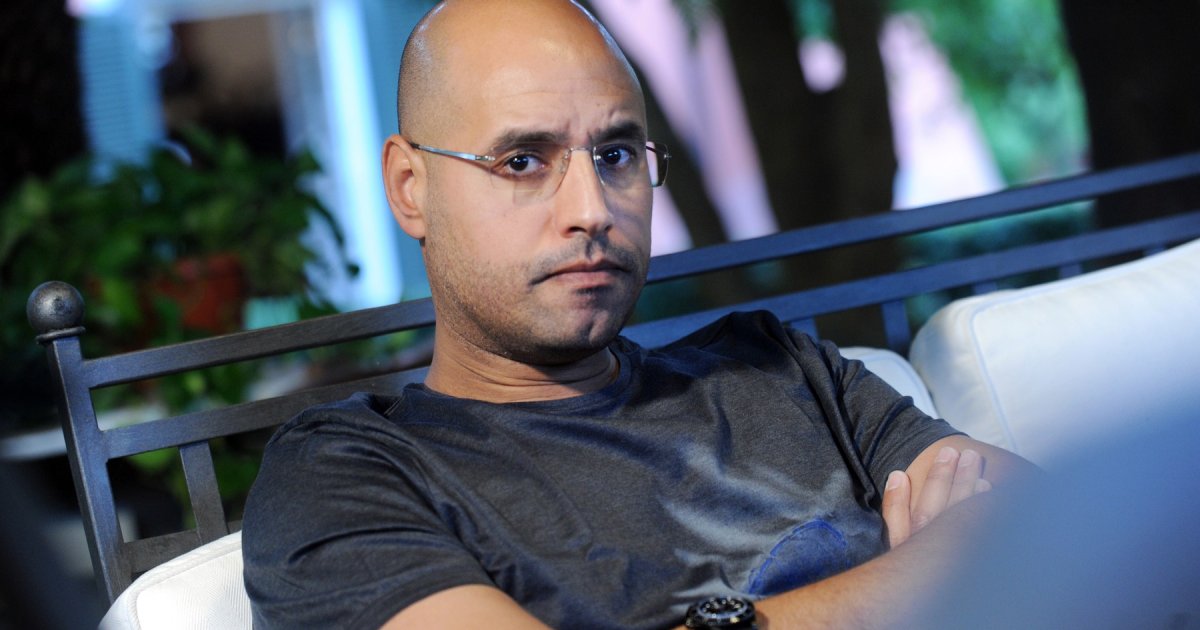
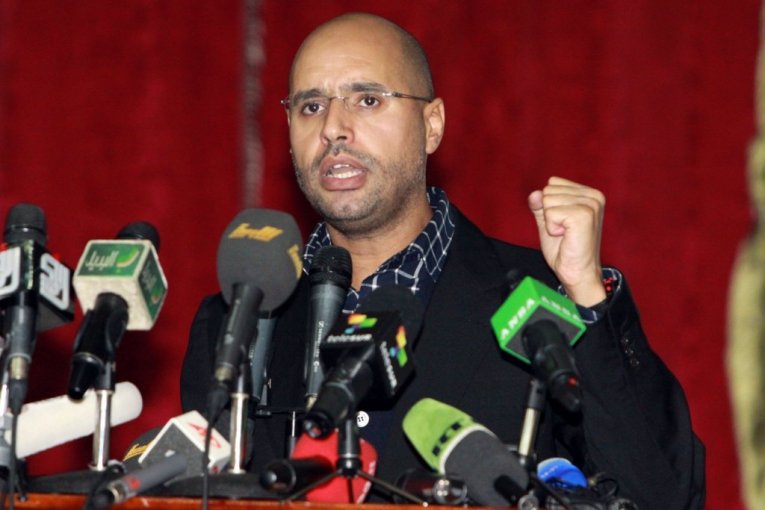
Saif el Islam Gaddafi, son of former Libyan leader Muammar Gaddafi, has reportedly been killed in Libya, with both opposition-aligned and pro-government outlets treating his death as breaking news tied to the country’s ongoing instability. Across the coverage, there is broad agreement that he was long seen as his father’s likely successor and a key intermediary with Western governments before the 2011 uprising, later facing charges of war crimes, a death sentence in absentia, and years of imprisonment and legal limbo. Both sides acknowledge that the reports of his killing are based on claims from people close to him, including his lawyer and certain Libyan media or political associates, and that specific details remain murky, with mentions of possible assassination at or near his home by several assailants.
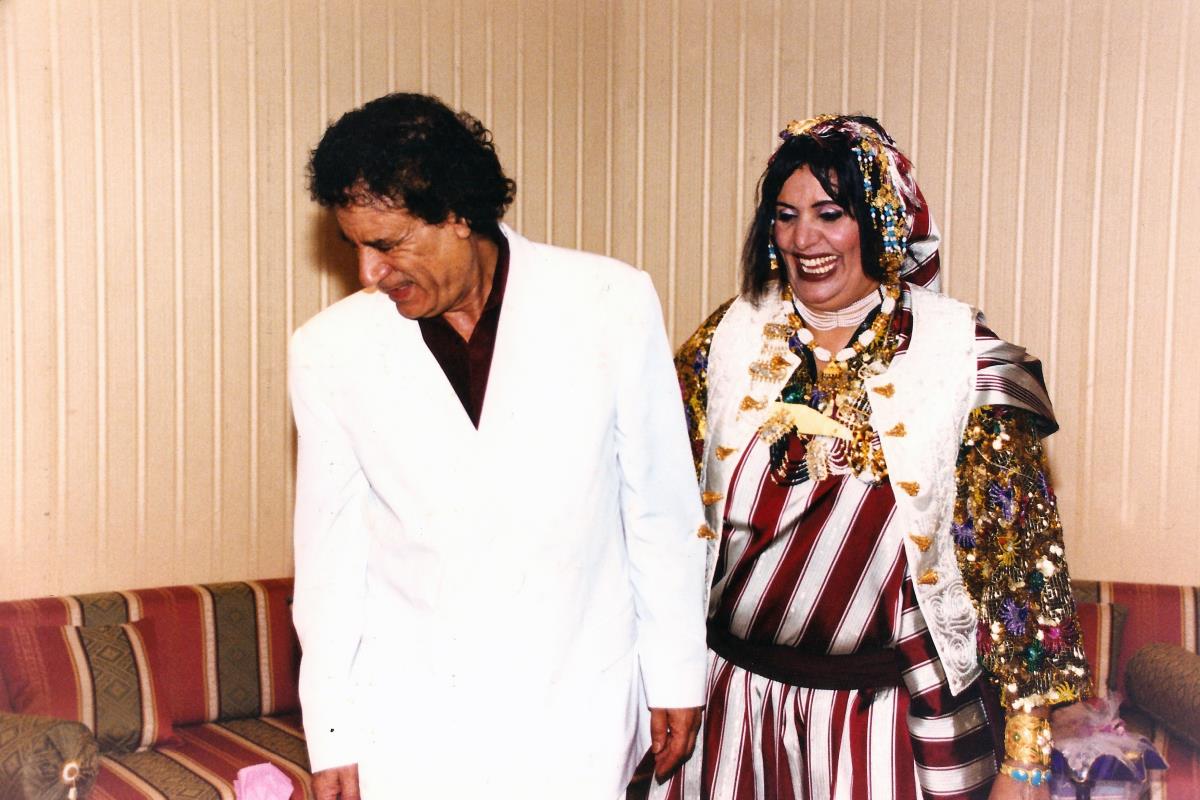
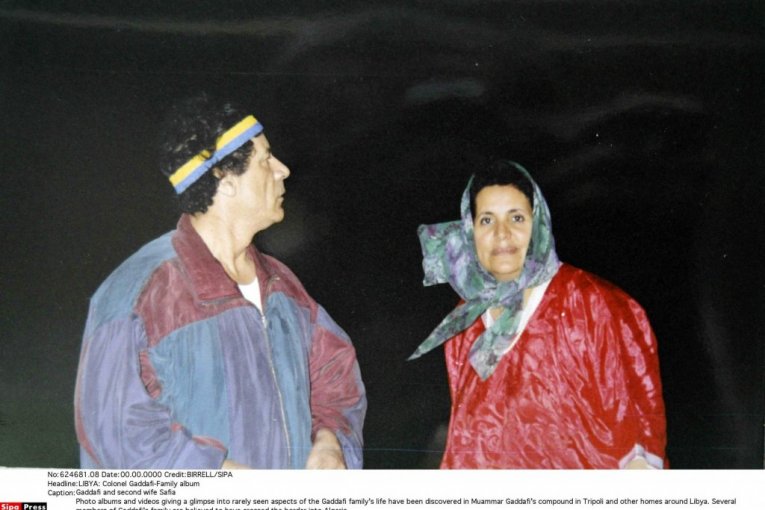
There is consensus that Saif el Islam’s trajectory ran from a carefully cultivated image as a reform-minded modernizer and gateway to the West to a central figure in the violent repression of the 2011 protests and a symbol of Libya’s unresolved post-revolutionary conflicts. Both opposition and pro-government sources situate the news within the broader story of the Gaddafi family’s rise and fall, noting the influential but discreet role of his mother Safia Farkash, the dispersion and partial return of family members after 2011, and the mixed fates of his siblings. Coverage on both sides links his re-emergence in 2021 as a presidential candidate to Libya’s stalled transition, describing his attempted political comeback as a factor in legal disputes and electoral paralysis, and presenting his reported death as another sign of the country’s deep fragmentation and persistent insecurity.
Points of Contention
Credibility of the death reports. Opposition-aligned sources highlight contradictions between statements from Saif el Islam’s sister and his political team, stressing the lack of independently verified evidence and suggesting the possibility of misinformation or intra-elite maneuvering. Pro-government outlets, by contrast, foreground purported confirmations from his lawyer, Libyan media, and unnamed family-adjacent sources, presenting the killing as a settled fact even while conceding that operational details remain undisclosed.
Characterization of Saif el Islam’s role. Opposition coverage leans into his record as a chief architect of brutal repression in 2011, emphasizing war-crimes accusations, his death sentence, and his responsibility for crushing protests rather than his earlier reformist branding. Pro-government narratives more evenly balance his image as a former reform advocate, mediator with the West, and potential stabilizing presidential candidate with later references to his indictment, often framing him as a controversial but significant political figure rather than primarily a perpetrator of atrocities.
Political implications for Libya. Opposition-aligned reporting tends to frame the alleged killing as symptomatic of Libya’s enduring turmoil and the dangers of reviving elements of the old regime, suggesting that his presence in politics deepened divisions and complicated the democratic process. Pro-government sources more often portray his removal as a dramatic blow that could reshape power balances and perhaps close the chapter on a possible Gaddafi comeback, hinting that his candidacy, while polarizing, also represented a recognizable pole of authority in a fragmented landscape.
Portrayal of the Gaddafi family and legacy. Opposition sources largely minimize sympathetic biographical detail, treating the family background as ancillary to a narrative of authoritarianism and accountability, and paying limited attention to Safia Farkash beyond her role within the ruling clan. Pro-government outlets devote substantial space to Safia’s origins, her behind-the-scenes influence, and the personal fates of the couple’s children, constructing a family saga that humanizes Saif el Islam and frames the news of his reported death as part of a broader story of exile, return, and the lingering imprint of the Gaddafi era.
In summary, opposition coverage tends to question the finality of the death reports and foreground Saif el Islam’s responsibility for past repression and his destabilizing political ambitions, while pro-government coverage tends to treat his killing as confirmed, emphasize his and his family’s personal and political significance, and frame the event as a major, almost historic, turn in Libya’s post-Gaddafi trajectory.