


pro-government
Evo ko je posetio Čolinu vilu: Uneo im jednu stvar
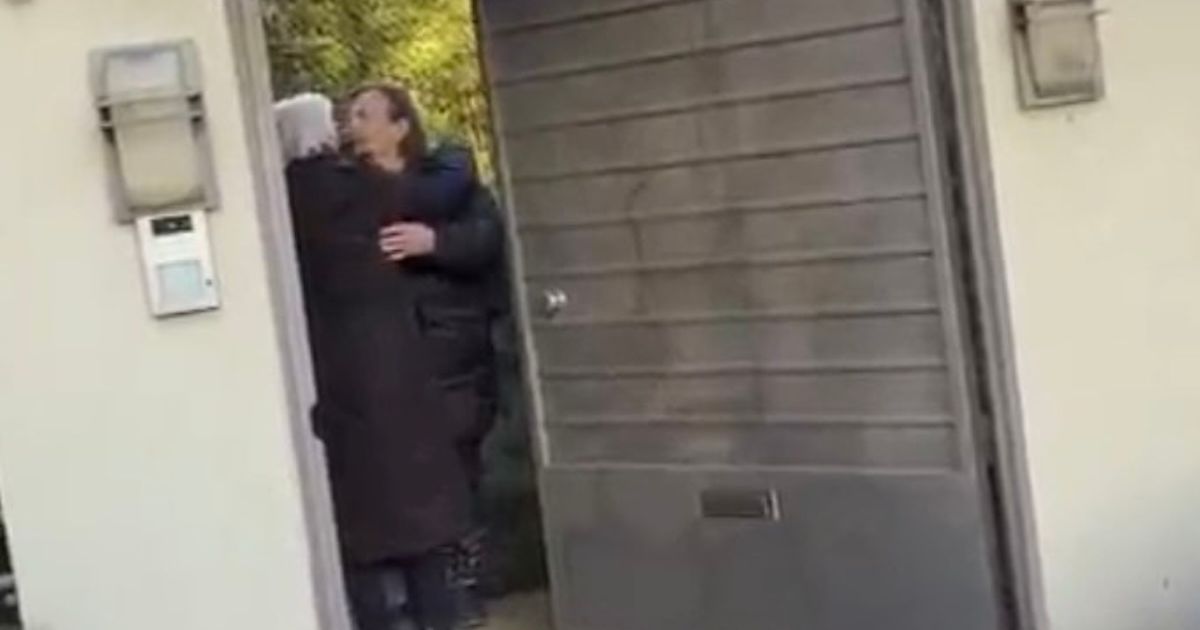
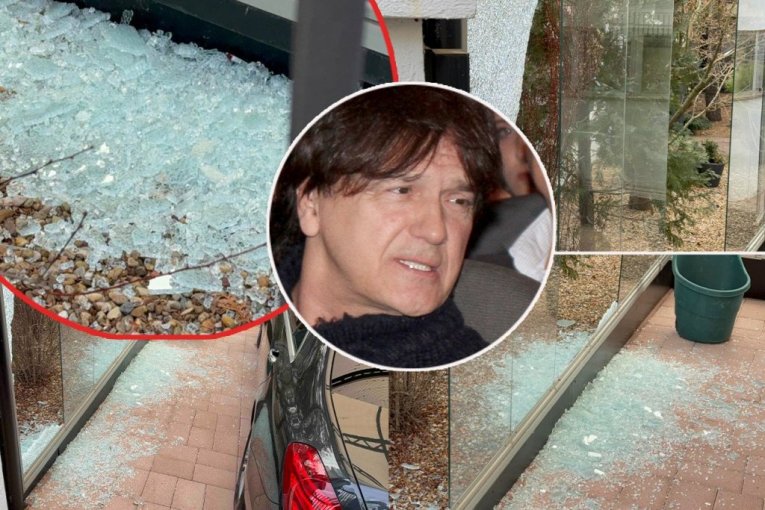
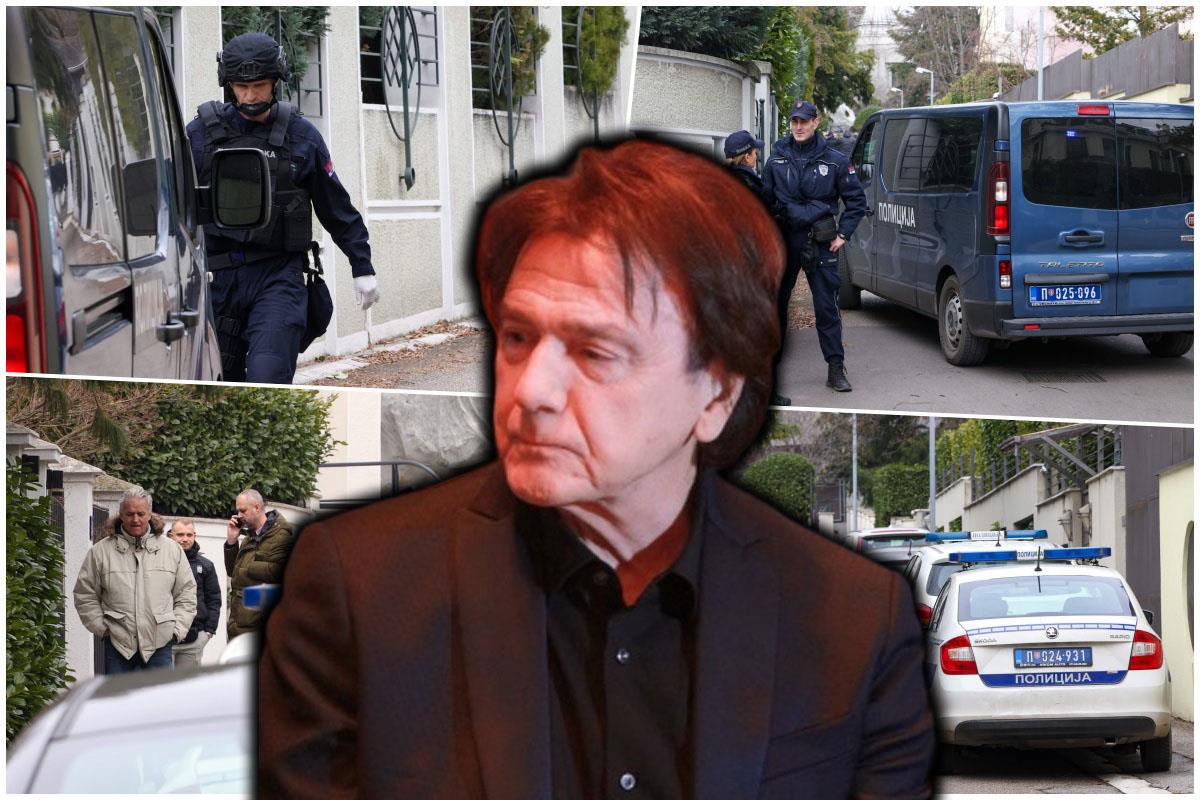
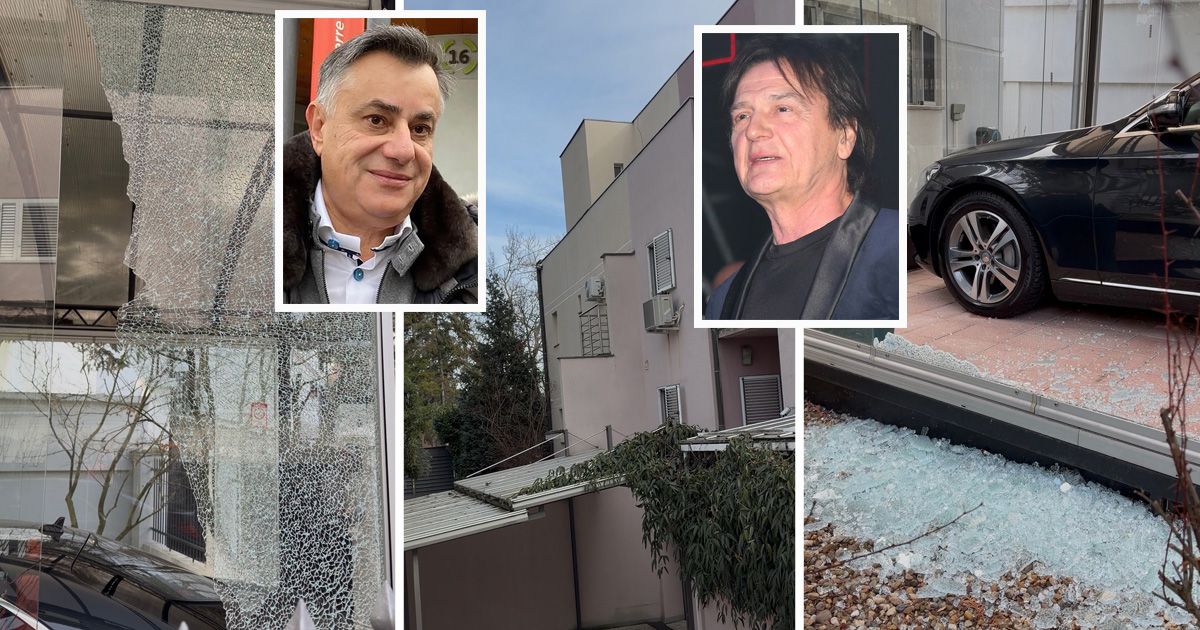
Na vilu našeg čuvenog pop pevača, Zdravka Čolića, na Dedinju, sinoć je bačena bomba.
2 months ago
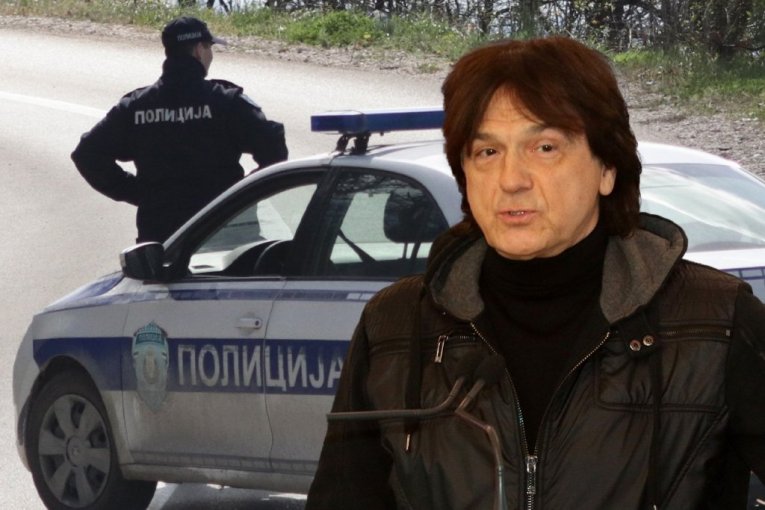
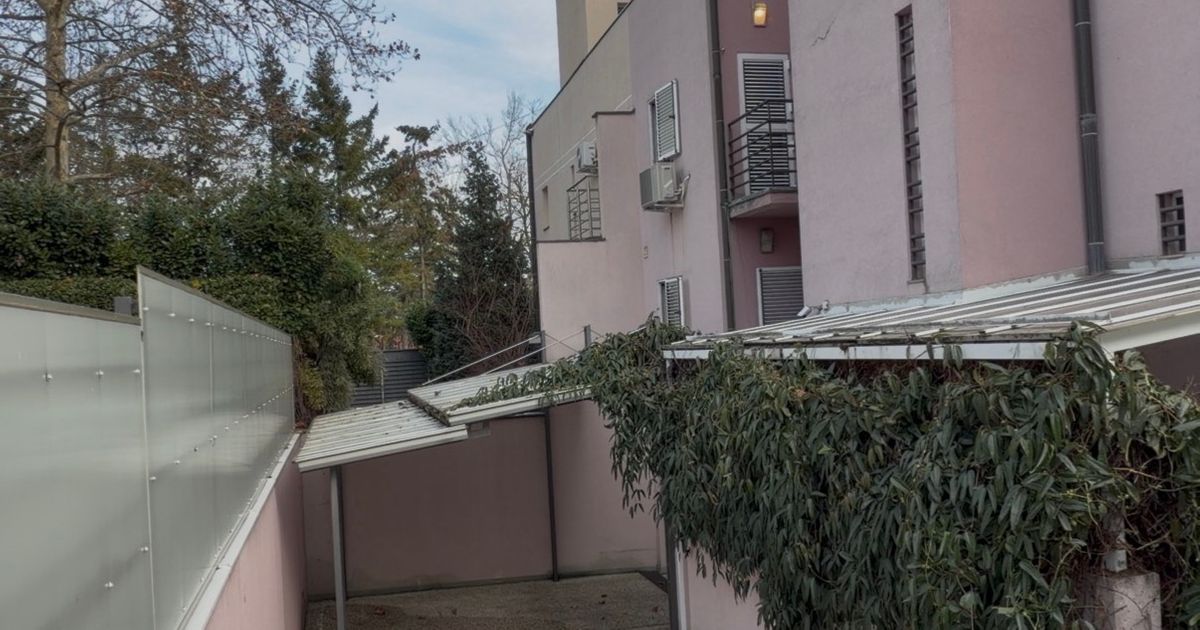
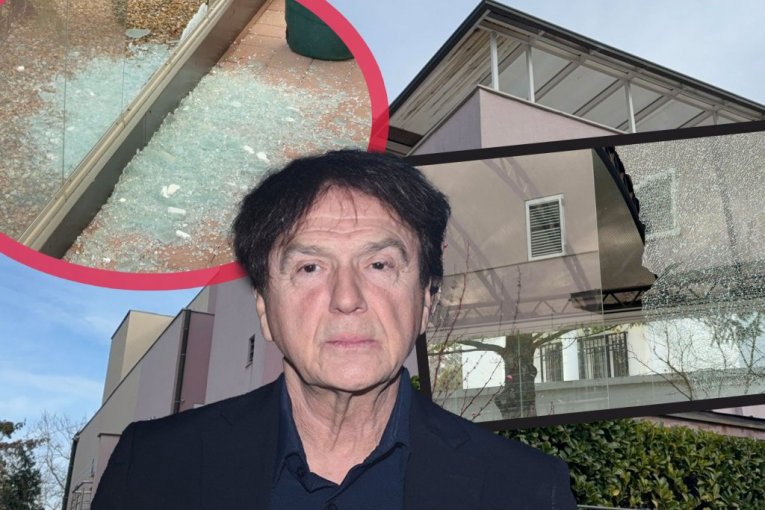
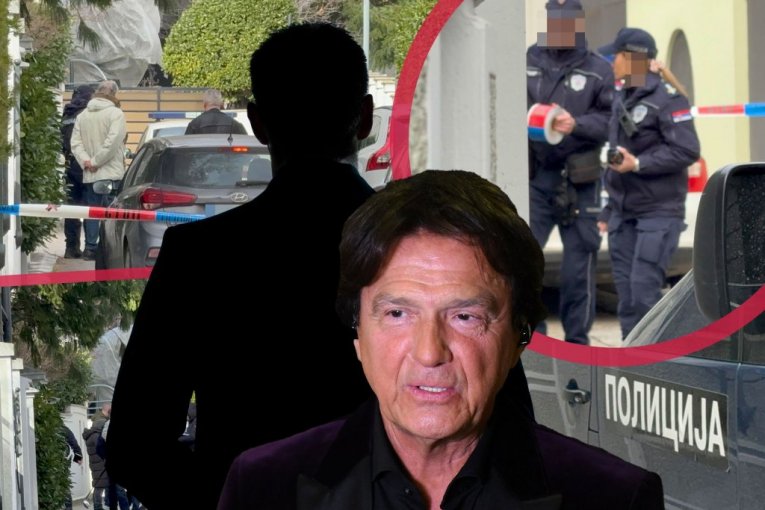
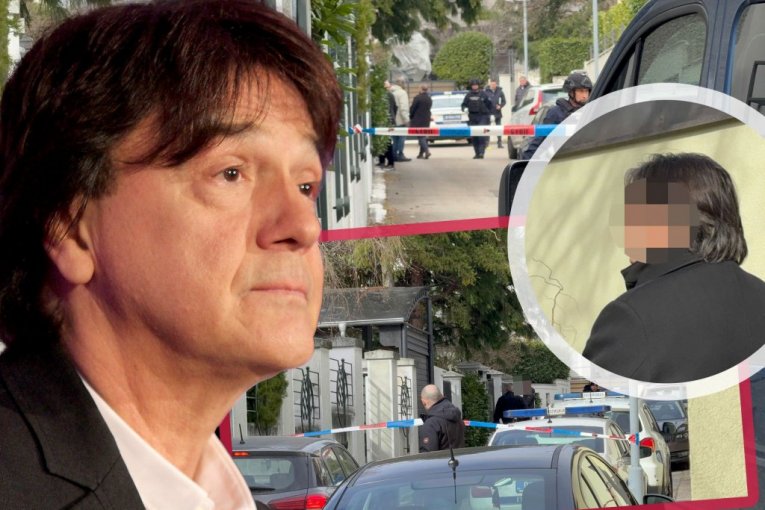
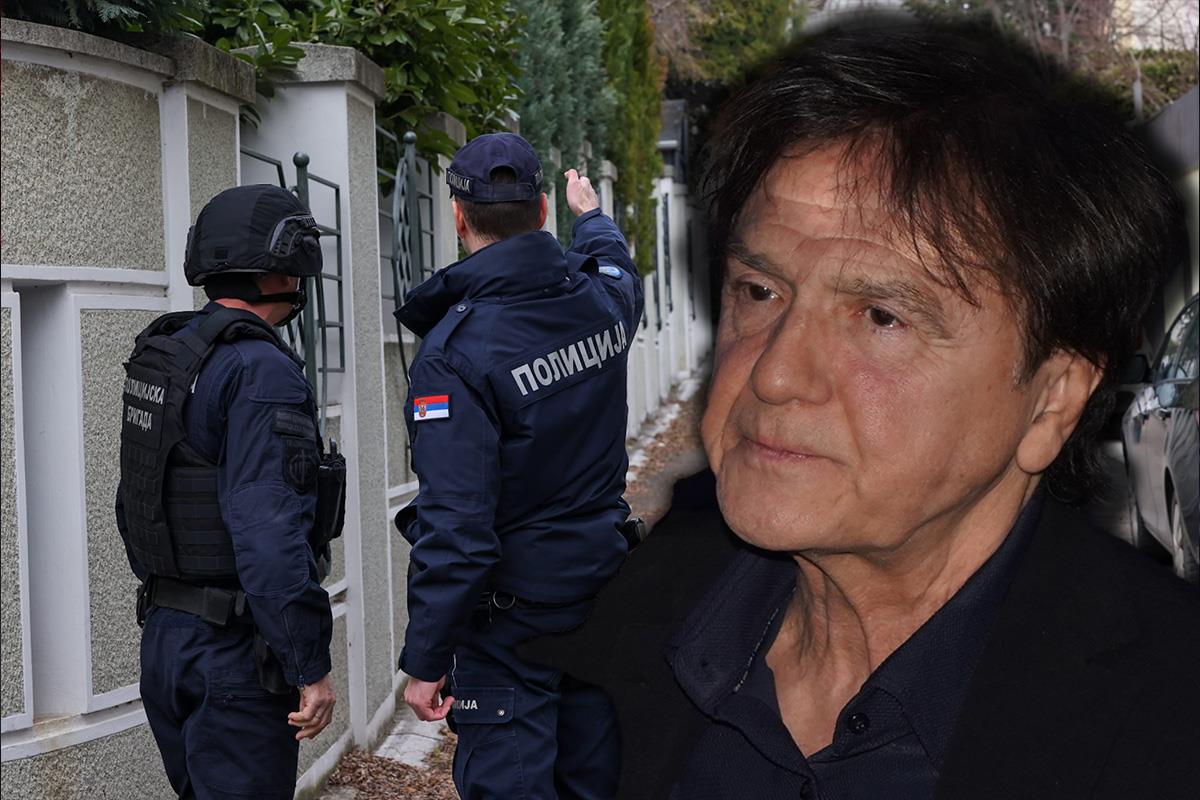
A bomb was thrown at the Belgrade home of singer Zdravko Čolić in the upscale Dedinje neighborhood in the early morning hours of February 3, 2026, causing a strong explosion and significant material damage to his villa and nearby properties, but no injuries. Both opposition and pro-government outlets agree that police and the prosecutor’s office are leading an active investigation, have blocked access to the street, and are collecting forensic evidence and reviewing security-camera footage from the area to identify the perpetrator or perpetrators. Coverage on both sides notes that the blast shattered windows, damaged fences, and affected several vehicles in the vicinity, including luxury cars, and that neighbors and the wider entertainment community reacted with shock, questioning who might target a widely popular performer. Reports converge that Čolić himself was not physically harmed, that his family members were not injured, and that the event has deeply shaken those in and around the household.
Across the spectrum, media agree that the attack took place in one of Belgrade’s most affluent and closely watched neighborhoods, highlighting the seriousness of a bombing in such a high-profile residential area. Outlets from both camps emphasize Čolić’s status as a regional music icon with a long career, substantial fan base, and generally apolitical public image, which makes the incident particularly unsettling for the entertainment scene. There is broad acknowledgment that the case is formally treated as a serious criminal offense rather than a minor incident, with institutions portrayed as obliged to determine whether the motive is linked to personal, business, or entertainment-industry disputes. All sides note that the outcome of the ongoing investigation, including analysis of camera footage and possible links to figures from the music business, is expected to clarify whether the attack was meant for Čolić himself or for someone close to him and could trigger broader scrutiny of security and accountability in elite Belgrade circles.
Target and motive. Opposition-aligned sources are more likely to highlight and speculate on whether the real target was Čolić’s former manager Adis Gojak or another entertainment figure, framing the confusing early narratives (whether Čolić was at home or abroad) as evidence of deeper undercurrents and opaque relationships in the entertainment-business milieu. Pro-government outlets, while also mentioning the possibility that Gojak or another associate was the intended target, lean on police leaks about a suspected music manager and present this primarily as an industry or personal dispute rather than something with wider systemic implications.
Role of state institutions. Opposition media tend to stress prior failures of law enforcement to prevent serious crimes in elite Belgrade areas and may cast doubt on whether police and prosecutors will fully and transparently resolve the case, sometimes invoking past unsolved attacks as a pattern. Pro-government outlets foreground official statements that police are “on the trail” of the bomber, emphasize swift seizure of surveillance footage and technical work on the case, and suggest the suspect will “soon be caught,” thereby underlining institutional efficiency and responsiveness.
Political framing and social climate. Opposition coverage is more inclined to tie the bombing to a broader climate of insecurity, impunity, and normalized violence in Serbia, suggesting that even a beloved, non-political star is not shielded from a deteriorating public order under the current authorities. Pro-government coverage tends to depoliticize the event, presenting it as an isolated criminal attack linked to private or business conflicts, and downplays any connection to the wider governance or security context, often focusing instead on the shock in the entertainment world and Čolić’s personal composure.
Media responsibility and narrative control. Opposition outlets are more apt to spotlight inconsistencies in early reports—such as whether Čolić was at home or in Zagreb—and to question selective leaks about a “well-known manager,” framing these as examples of controlled information flows and sensationalism that obscure structural issues. Pro-government outlets heavily amplify Čolić’s own calls for accurate reporting and reliance on official police information, while simultaneously running highly detailed, personality-driven stories about his family, home interior, and neighbors, thus reinforcing a narrative that the truth will emerge through institutions rather than through investigative or critical media.
In summary, opposition coverage tends to treat the bombing as symptomatic of a wider climate of insecurity, institutional mistrust, and opaque elite networks, while pro-government coverage tends to frame it as a shocking but essentially private or industry-related crime that competent state bodies are swiftly and effectively handling.