
pro-government
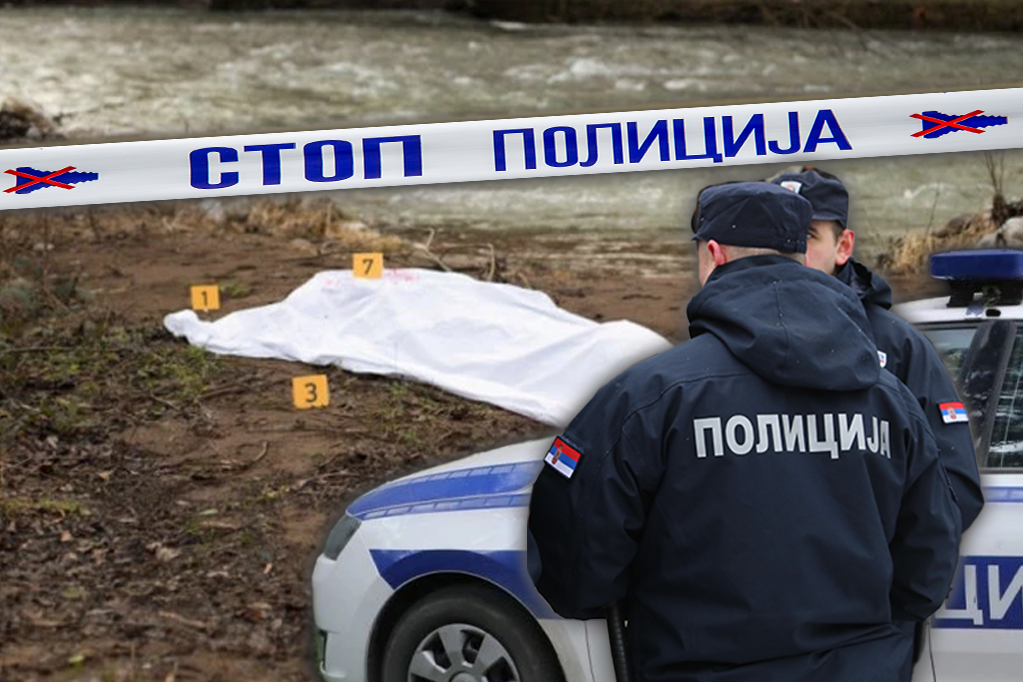
HOROR U SREMSKOJ MITROVICI! Na obali Save PRONAĐENO TELO u plavom radničkom odelu!
Policija je obezbedila mesto događaja, a u toku je uviđaj.
2 months ago
The available reports agree that the body of an unidentified man was found on the bank of the Sava River in Sremska Mitrovica in the afternoon hours, around 4:30 PM. Police and emergency medical teams arrived at the scene, and doctors confirmed that the man was dead upon their arrival. The man was described as wearing blue work clothing or a blue work suit, and there was no immediate public information about his identity. Authorities opened an investigation and a formal on-site inquiry to establish the circumstances and exact cause of death, with all outlets noting that these details remain unknown at this stage.
Coverage also aligns in presenting the case as part of standard police procedure rather than as a confirmed crime, stressing that the investigation will clarify whether there was any foul play. All sides reference the involvement of official institutions such as the local police, emergency medical services, and forensic investigators, and they frame the event within routine public-safety and law-enforcement practice. The shared context emphasizes that it is too early for definitive conclusions, and that further information about the man’s identity, potential relatives, and possible links to missing-person reports will depend on ongoing investigative and forensic work. Overall, the event is depicted as a serious but still incompletely understood incident within the regular functioning of state authorities.
Framing of the incident. Opposition-aligned sources tend to frame such incidents, when they report them, as symptomatic of broader social and institutional problems, often questioning whether neglect, poor safety conditions, or weak policing indirectly contributed, while pro-government outlets describe this case narrowly as a single tragic event with no broader systemic implications until proven otherwise. Pro-government coverage sticks to a strictly factual, incident-report style, avoiding speculation about causes or responsibility, whereas opposition outlets are more likely to ask whether similar cases point to a pattern. Where opposition media frame these deaths as part of a climate of insecurity, pro-government media present them as isolated events still under investigation.
Institutional performance and transparency. Opposition-oriented reporting commonly highlights perceived gaps in police communication and transparency, questioning how quickly the identity will be established and whether the public will be fully informed, while pro-government outlets present the authorities’ response as timely, methodical, and sufficient. In opposition narratives, delays or limited detail are sometimes portrayed as a sign of institutional opacity or incompetence, whereas pro-government stories emphasize that procedures are being followed and that more information will naturally come only after forensic work is complete. Thus the same lack of early detail is interpreted as either problematic secrecy or normal professional caution.
Political and social context. Opposition coverage tends to place such a death within a broader critique of the country’s social and economic conditions, suggesting that precarious work, migration, or lack of social services could lie in the background, while pro-government media generally detach the case from structural or political debates. For opposition outlets, even an unidentified body in work clothes can become a symbol of marginalized or invisible citizens, whereas pro-government sources avoid linking the event to policy failures or governance issues. This creates a split between a context-heavy, meaning-seeking narrative and a deliberately de-politicized, purely informational one.
Use of tone and sensationalism. Opposition media often vary: some use stark or critical language to underscore perceived systemic decay, while others adopt a sober tone to reinforce demands for accountability, whereas pro-government outlets sometimes rely on sensational headlines to attract attention but keep the article text limited to official statements. Pro-government coverage may use dramatic wording in titles yet ultimately reinforce trust in institutions by quoting police and medical sources without challenge, while opposition stories are more likely to question or contextualize those same official lines. As a result, both sides may be emotionally engaging, but for different purposes: critique versus stabilization of the status quo.
In summary, opposition coverage tends to interpret or question such an incident through a wider lens of institutional accountability and social conditions, while pro-government coverage tends to present it as an isolated, well-managed case handled procedurally by competent authorities.