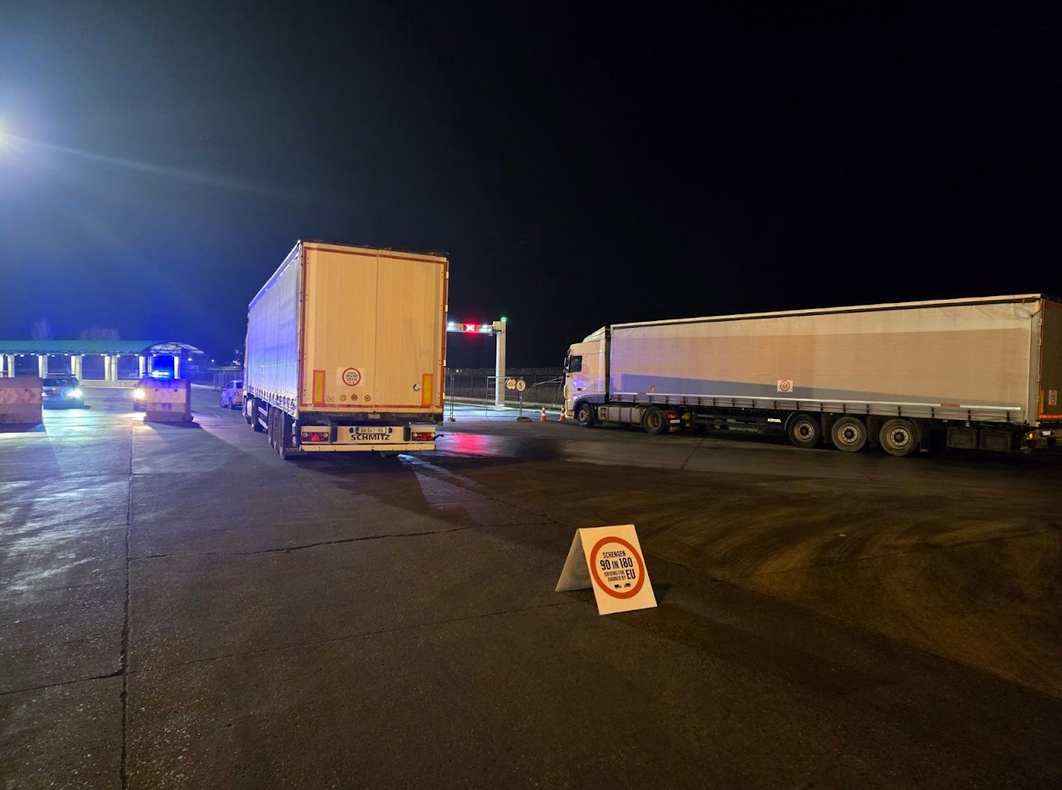
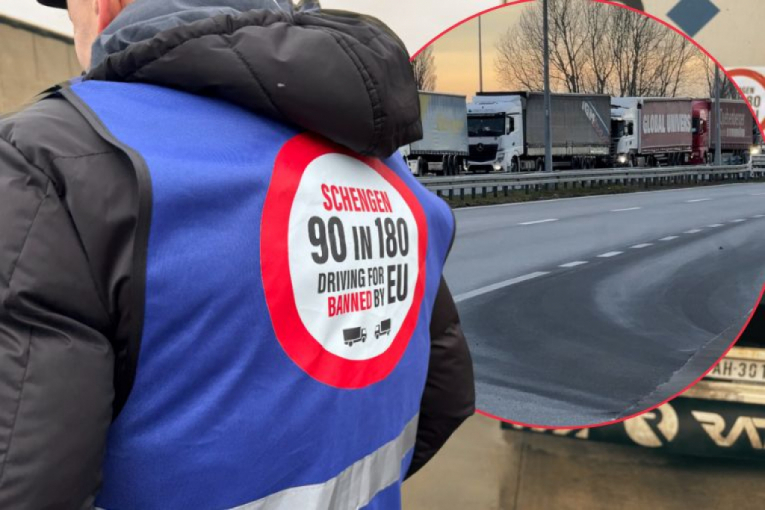
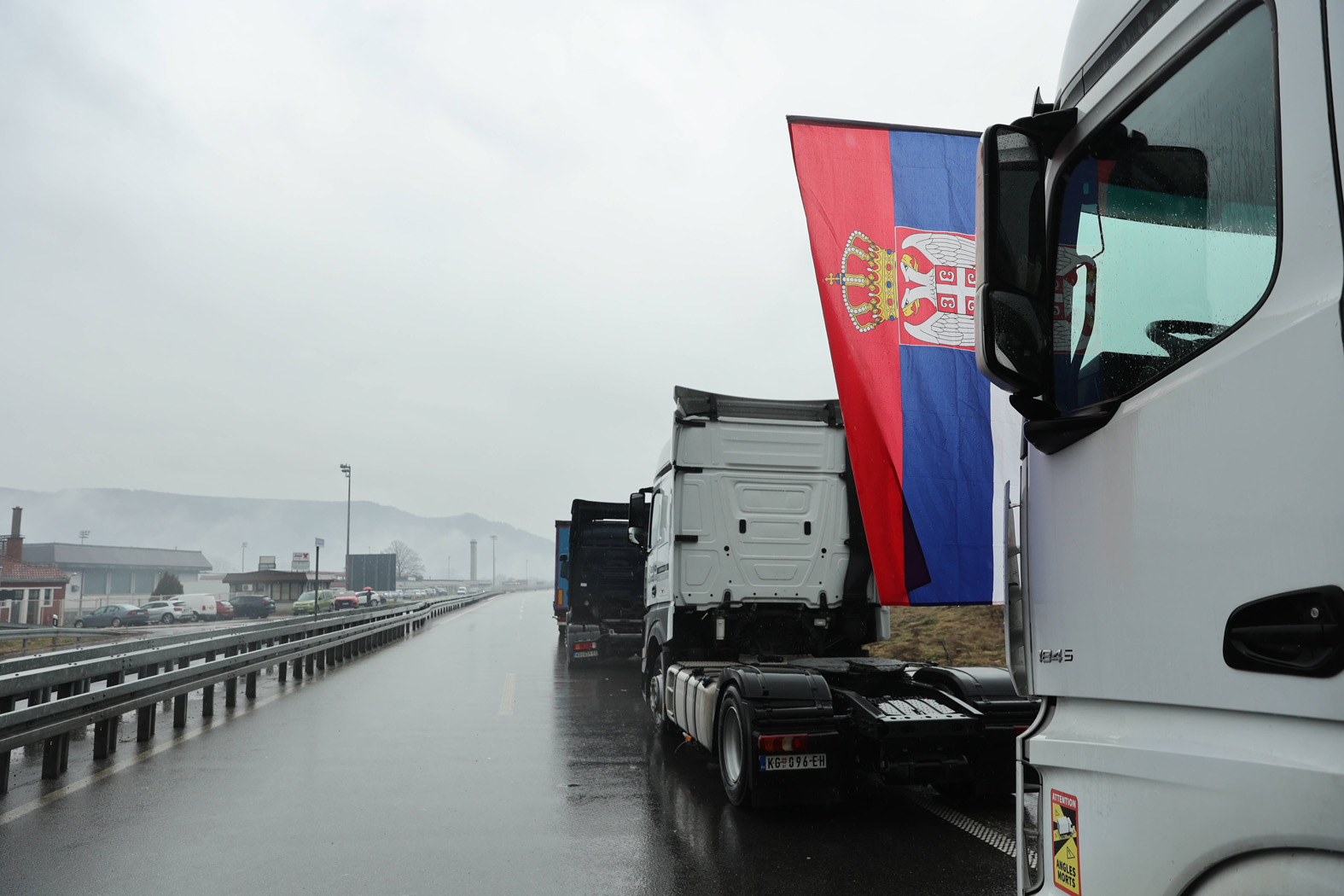
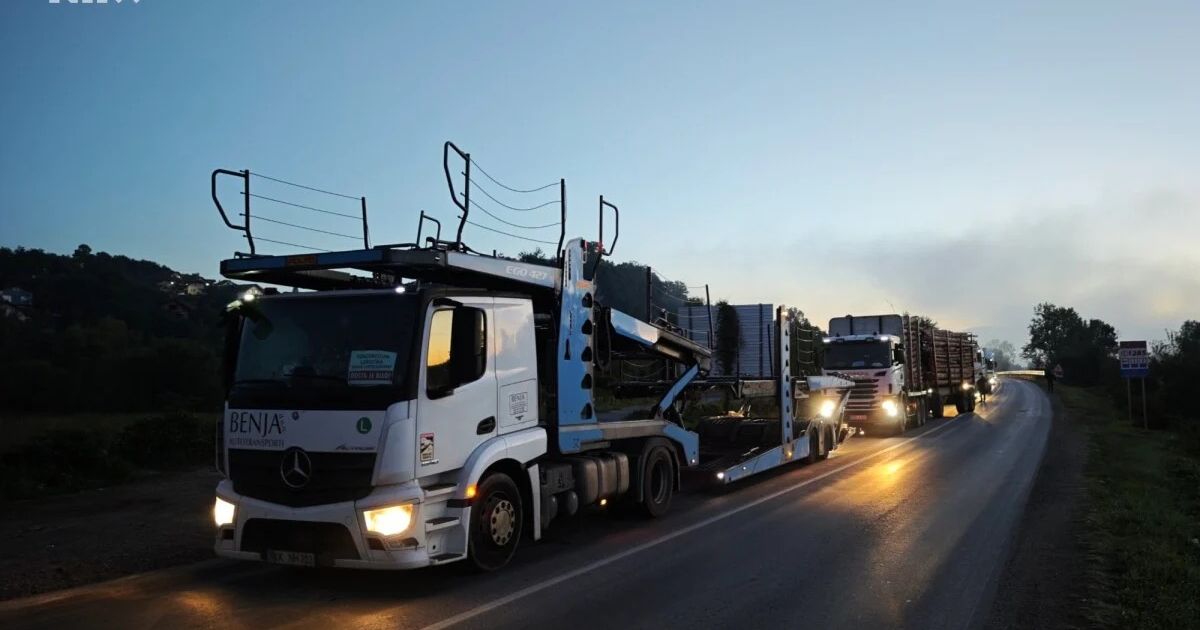
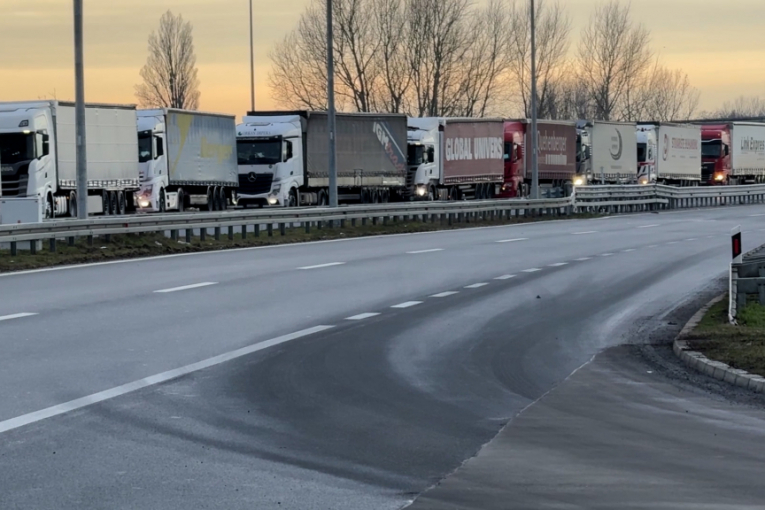
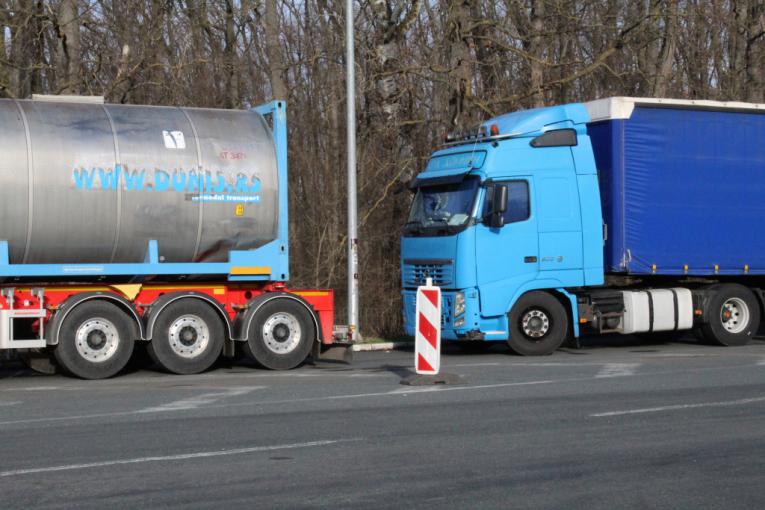
Truckers and transport associations from Serbia, Bosnia and Herzegovina, North Macedonia, and Montenegro have organized coordinated blockades at around 22 freight border crossings with Schengen countries, typically lasting several days and severely slowing international cargo flows. Both opposition and pro-government sources agree that the trigger is the enforcement of Schengen’s 90-days-in-180-days stay rule, reinforced by the Entry/Exit System, which has led to cases of drivers’ trucks being seized, deportations, and fines after they exceeded time limits while working regular international routes. Coverage on both sides notes that the European Commission has now announced a new visa strategy that foresees special regimes or extended short-stay visas for certain professionals, explicitly including truck drivers, and that this has prompted intense consultations among transport associations across the region about whether and when to suspend their blockades. Both camps report that the protests involve continued demands for concrete, operational solutions and that drivers are seeking urgent meetings with regional prime ministers, transport ministers, and the chair of the Council of Ministers, while also trying to leverage support from members of the European Parliament.
Across outlets, the shared context is that current Schengen rules, originally designed for tourists and general short-term visitors, do not match the continuous, cross-border mobility needs of professional drivers from non-EU Balkan states, contributing to wider EU driver shortages and supply chain disruptions. Both opposition and pro-government media highlight that the European Commission’s new visa strategy is a response to long-standing complaints and recent protests by regional drivers, and that Brussels has, for the first time, formally recognized professional drivers as a distinct category requiring tailored rules. They concur that any change will take months to implement, that member states must still agree on legislative details, and that in the interim drivers are pressing domestic governments and EU institutions for transitional relief or special visas. There is also common acknowledgement that the situation affects not only the livelihoods of Balkan drivers and transport firms but also the reliability of European logistics chains, making the issue both a labor rights and a single-market efficiency problem.
Points of Contention
Framing of the EU response. Opposition-aligned sources present the European Commission’s visa strategy as a partial, delayed concession that still lacks binding timelines and concrete protections, stressing that drivers will remain exposed for at least six more months. Pro-government outlets, by contrast, frame the same move as a decisive breakthrough, using triumphant language that Balkan drivers have “forced Brussels to back down” and suggesting that a political victory has already been secured. While opposition coverage dwells on legal and bureaucratic uncertainty around how and when the new regime will function in practice, pro-government articles emphasize announcements and political statements as evidence that the core problem is essentially solved.
Domestic government performance. Opposition sources depict regional governments as reactive and slow, stressing that drivers resorted to blockades only after years of neglect and minimal diplomatic engagement on Schengen constraints, and they underline ongoing risks such as confiscations and deportations that authorities allegedly failed to prevent. Pro-government coverage, however, highlights meetings, phone calls, and public statements by ministers and prime ministers, portraying them as active mediators who pushed the EU toward recognizing drivers’ special status. Whereas opposition pieces question why domestic governments did not anticipate the impact of the Entry/Exit System and negotiate derogations earlier, pro-government outlets spotlight current diplomatic activity and claim that official pressure directly produced Brussels’ shift.
Portrayal of the protests and blockades. Opposition media tend to foreground the drivers’ grievances, worker precarity, and structural labor shortages in Europe, treating the blockades as a justified last resort to protect livelihoods and ensure fair mobility rules. Pro-government outlets more often stress the scale and coordination of the action as a show of strength that delivered quick political gains, focusing on decisions about when blockades will be lifted and presenting them as contingent on final confirmations from Brussels. While opposition reporting lingers on ongoing hardships and the risk that drivers will have to keep protesting until legal changes take effect, pro-government pieces gravitate toward narratives of imminent normalization of traffic and a successful, almost completed protest.
Attribution of leverage and agency. Opposition-aligned outlets attribute the shift in EU policy primarily to years of pressure from drivers’ associations across the Balkans and broader worker mobilizations, describing the new visa strategy as the result of bottom-up organizing rather than diplomatic prowess. Pro-government media instead spotlight specific national actors—such as transport ministers, ruling-party–aligned officials, and coordinated delegations from Serbia and Bosnia and Herzegovina—as key architects of the outcome, suggesting they “jointly broke” rigid Schengen rules. As a result, opposition coverage tends to credit transnational union-like organizing and continued blockades as the main source of leverage, whereas pro-government accounts emphasize national leadership and official negotiations as the decisive factor.
In summary, opposition coverage tends to stress continued uncertainty, structural neglect of drivers, and the incomplete, long-term nature of the EU’s promised reforms, while pro-government coverage tends to present the same developments as a swift diplomatic and protest victory that validates current leaders and foreshadows a near-term resolution of the crisis.