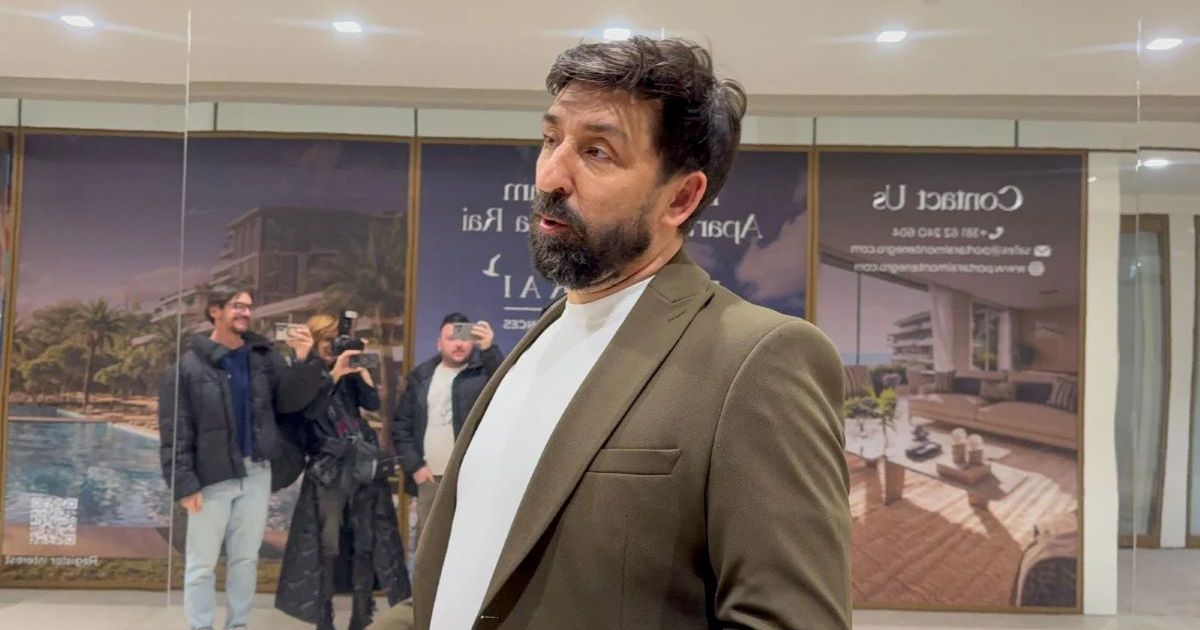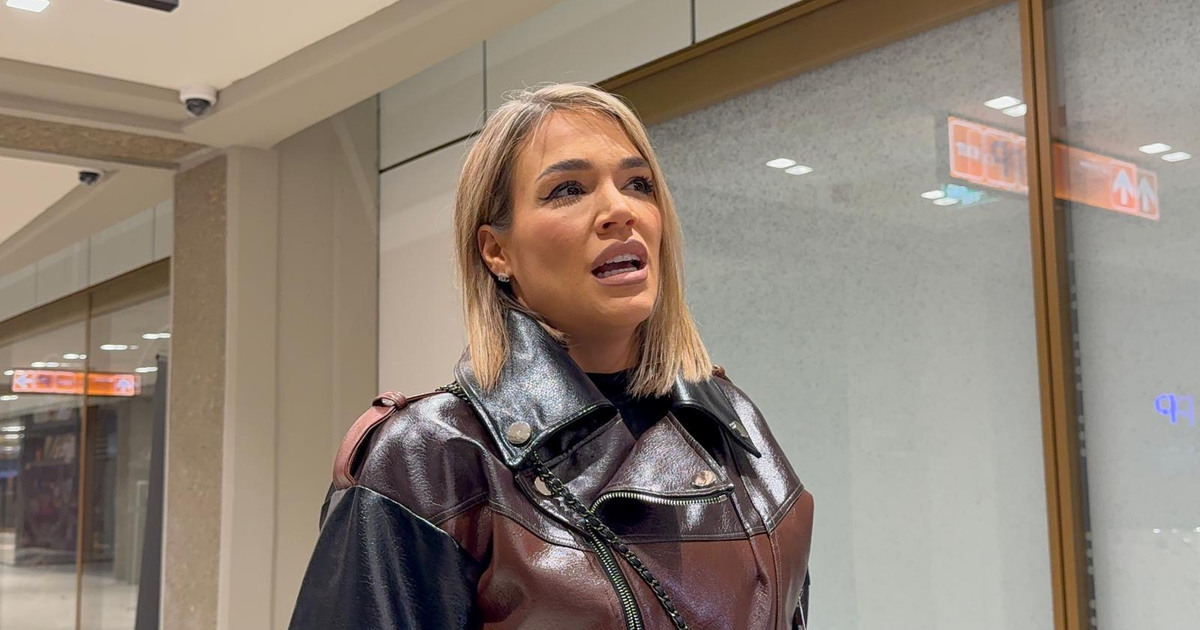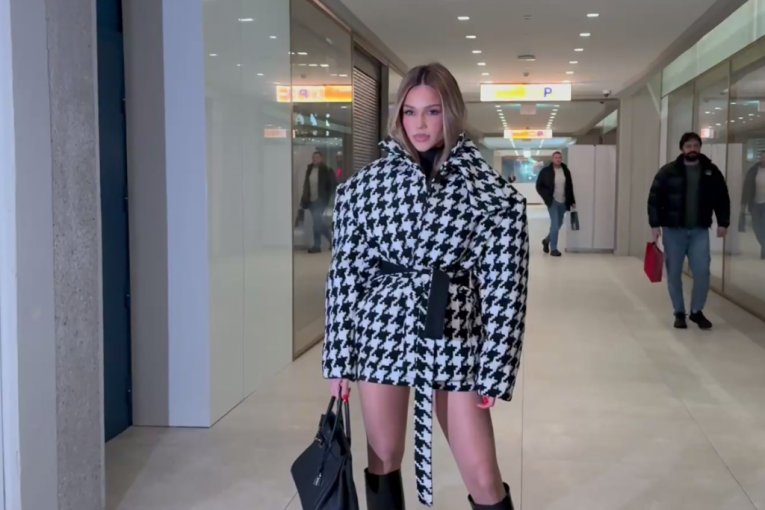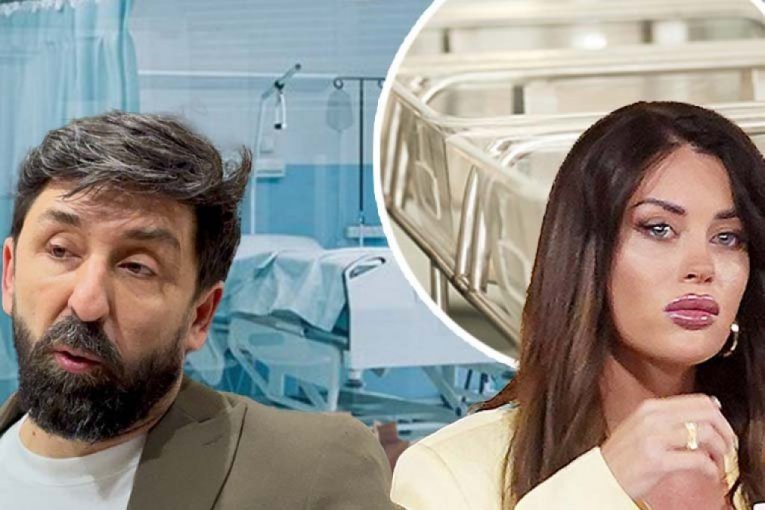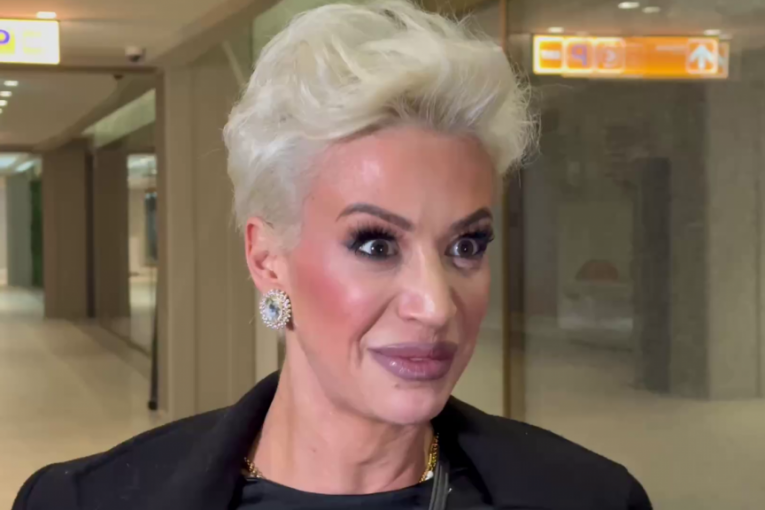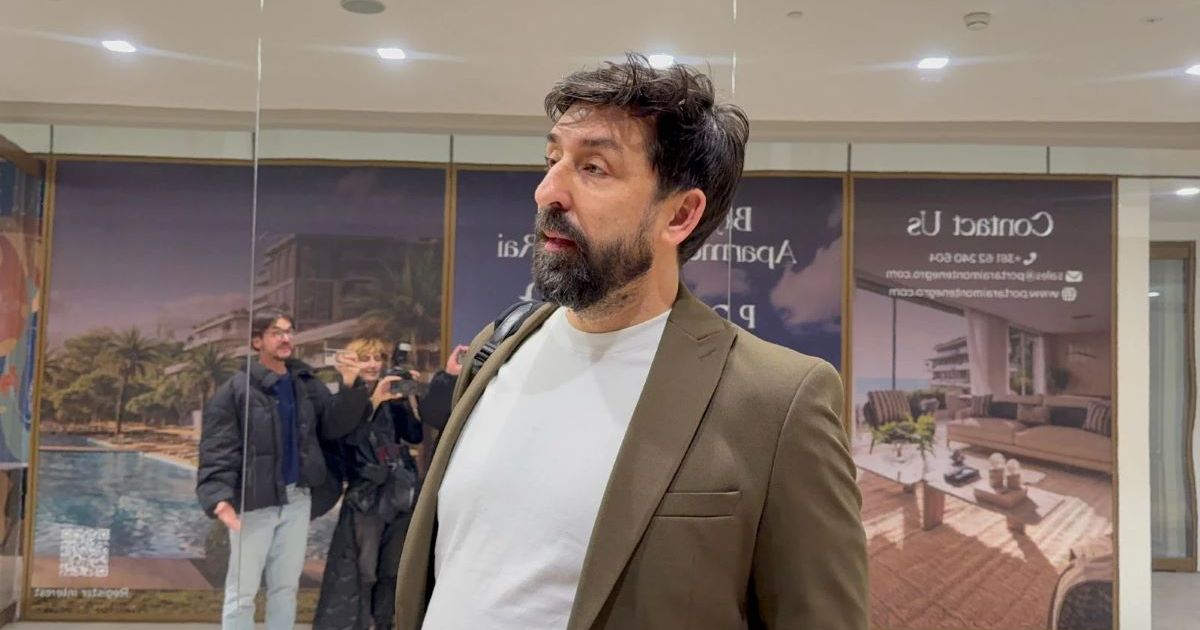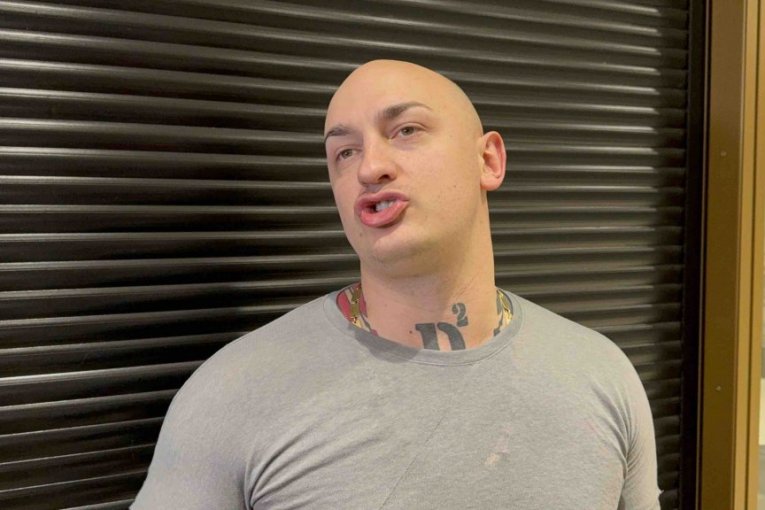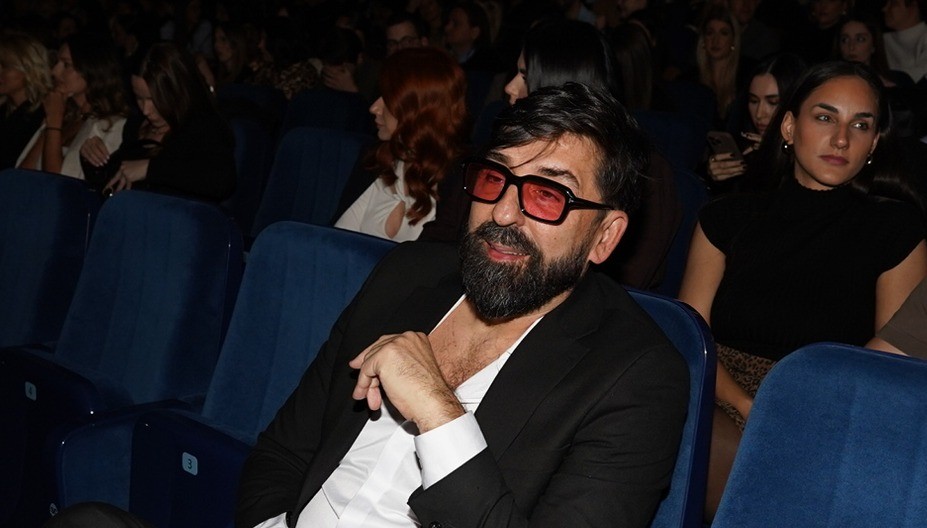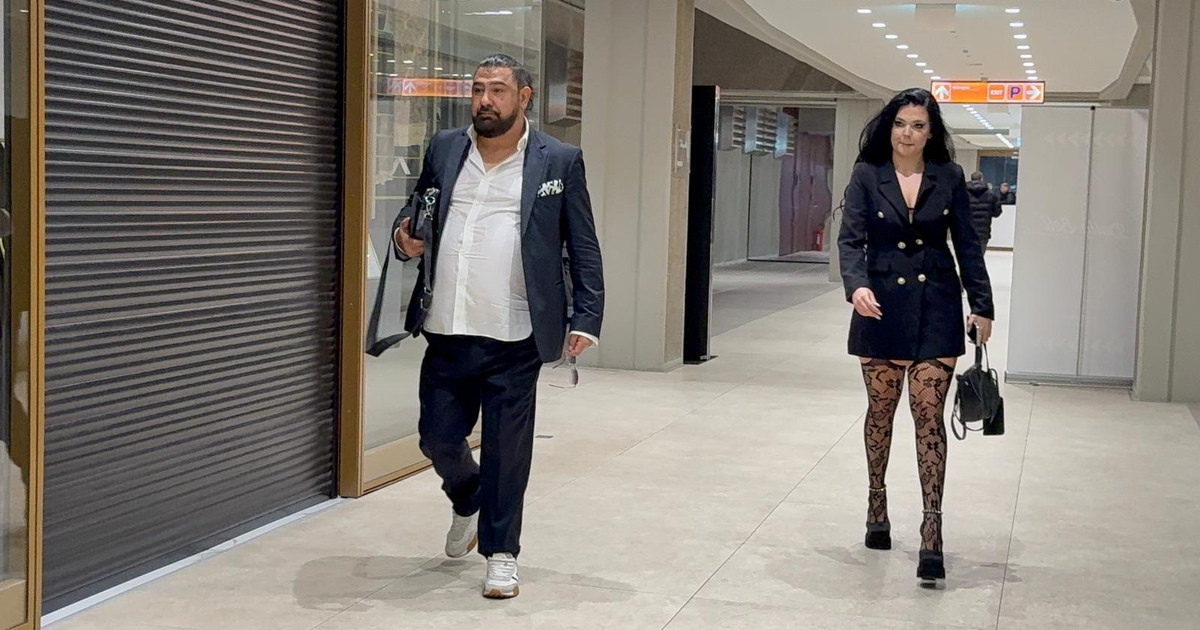




TV host Ognjen Amidžić and his wife Mina Naumović celebrated the birth of their daughter Lola, born on January 24, with a large gala party in a Belgrade restaurant that lasted late into the night. Both opposition and pro-government sources agree on the core facts: this is Amidžić’s third child, his son Perun has reacted positively to his baby sister, and the celebration gathered a significant number of well-known figures from the Serbian music and television scene. Coverage on both sides notes that Amidžić was initially unwell and even missed picking up his wife and daughter from the hospital, but he recovered enough to attend the party after receiving medical treatment, including an IV. They also broadly concur on the guest list highlights, frequently mentioning singers such as Aca Pejović, Isak Šabanović, Anđela Ignjatović Breskvica, Nadežda Biljić, Đovani, rapper Desingerica, and TV colleagues like Bojana Lazić, Tijana Milutinović, Dušica Jakovljević, Ana Radulović, as well as the presence of cameras capturing the event. Both sides report the unusual lawnmower gift from Desingerica, the traditional tearing of the father’s shirt, and a generally festive, high-energy atmosphere dominated by entertainment-industry personalities.
Across outlets, the broader context is framed similarly as part of Serbia’s celebrity and tabloid culture, where private family milestones of TV hosts and singers quickly become public media events. Both opposition and pro-government media place the party within the ecosystem of entertainment shows, reality stars, and pop-folk performers gathered around major commercial TV networks, noting that such celebrations function as networking hubs for the industry. They agree that the coverage blends human-interest family content with promotional angles: several guests use the occasion to talk about upcoming albums, concerts, or personal rebranding, and reporters segue from the birth celebration into topics like divorces, relationship statuses, and intra-estrada disputes. Common context also includes references to standard local customs around births and baptisms, the normalization of lavish nightlife celebrations for such events, and the role of these parties in reinforcing the celebrity hierarchy and visibility in the Serbian media landscape.
Points of Contention
Newsworthiness and framing. Opposition-aligned outlets tend to frame the event as an example of tabloid excess and the trivialization of news agendas, sometimes questioning why an internal party for a TV host dominates coverage while more substantive social and political issues are sidelined. Pro-government media instead present the celebration as fully newsworthy lifestyle and entertainment content, emphasizing the scale of the guest list and the feel-good nature of the story. While opposition sources may hint that the saturation coverage reflects the priorities of major regime-aligned broadcasters and their star hosts, pro-government outlets highlight glamour, emotion, and humor, downplaying any concern about editorial balance.
Political symbolism and media power. Opposition reporting is more likely to read the gathering as a showcase of the tight-knit nexus between entertainment celebrities and media structures close to the ruling party, with Amidžić portrayed as a flagship face of that ecosystem. Pro-government coverage generally avoids any political interpretation, portraying the guests simply as colleagues and friends from the scene and ignoring questions about concentration of media influence. When opposition sources mention the event, they may allude to the symbolic power of such TV figures in shaping public discourse, whereas pro-government outlets strip the story of political undertones and treat it as apolitical private joy.
Characterization of guests and tone. Opposition-leaning outlets, when they reference the party, tend to use a more ironic or critical tone toward the assembled "half of the estrada," highlighting kitschy elements, ostentatious outfits, or the oddity of gifts like a lawnmower as markers of a self-referential celebrity bubble. Pro-government media adopt a celebratory, promotional tone, describing guests as star-studded, stylish, and supportive, with individual mini-interviews that flatter both their careers and personalities. While opposition coverage may suggest an atmosphere of overexposure and mutual publicity-peddling, pro-government outlets cast the same scenes as evidence of close friendships and a vibrant entertainment community.
Privacy and commercialization of family life. Opposition sources are more inclined to question the commercialization of a newborn’s arrival, pointing out how an intimate family moment is converted into a televised spectacle packed with brand-building for guests and host alike. Pro-government coverage treats the exposure as normal and even desirable, stressing Amidžić’s gratitude to fans and colleagues, and framing the heavy media presence as a sign of affection and public interest. The former may hint at ethical concerns over children’s privacy and the blurring of personal and professional life, while the latter focuses on tradition, joy, and the positive public image such events create for popular TV personalities.
In summary, opposition coverage tends to cast Amidžić’s celebration as a symbol of overblown tabloid culture and the entanglement of celebrity, media power, and politics, while pro-government coverage tends to highlight an apolitical, heartwarming celebrity gathering that reinforces the glamour and cohesion of Serbia’s entertainment scene.
Story coverage