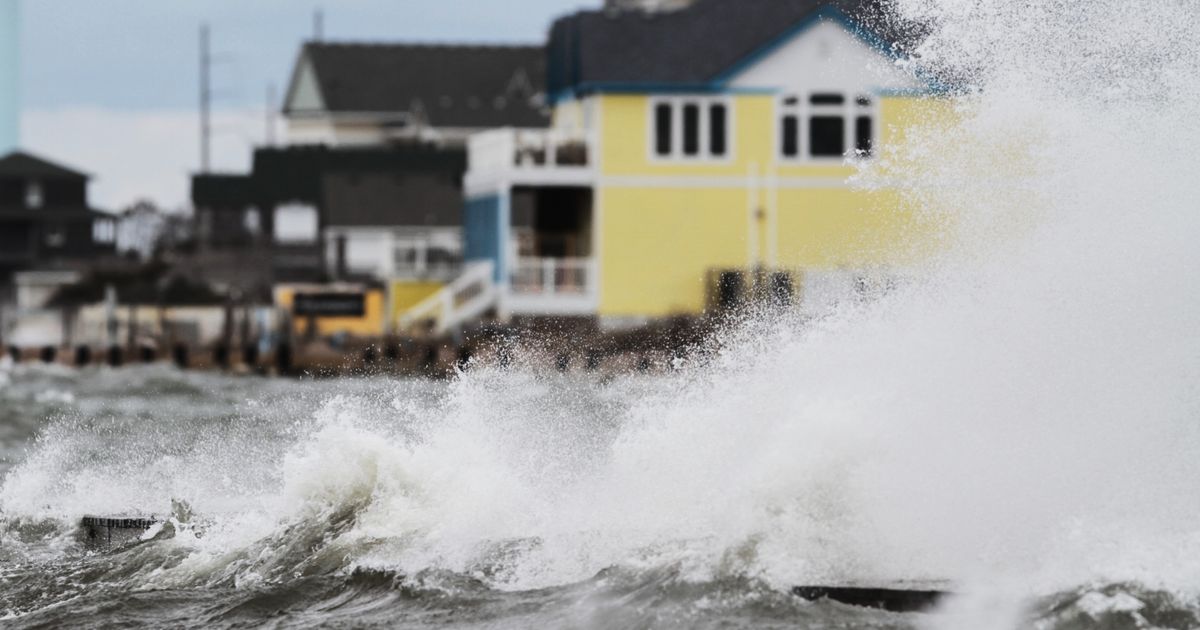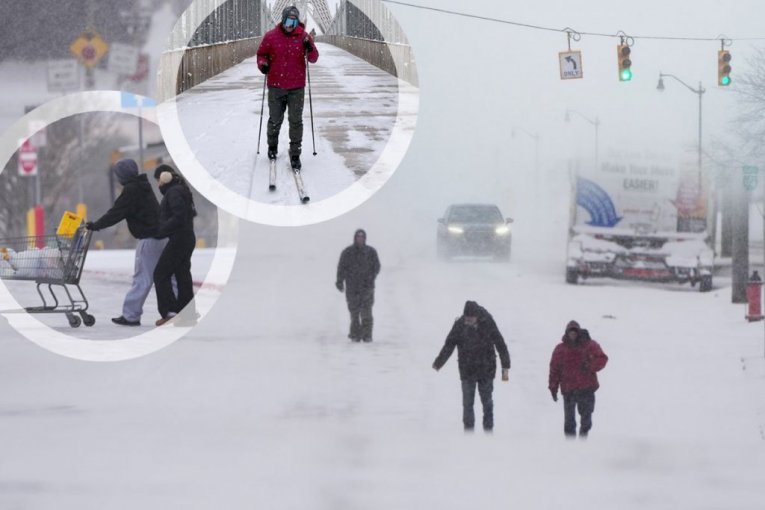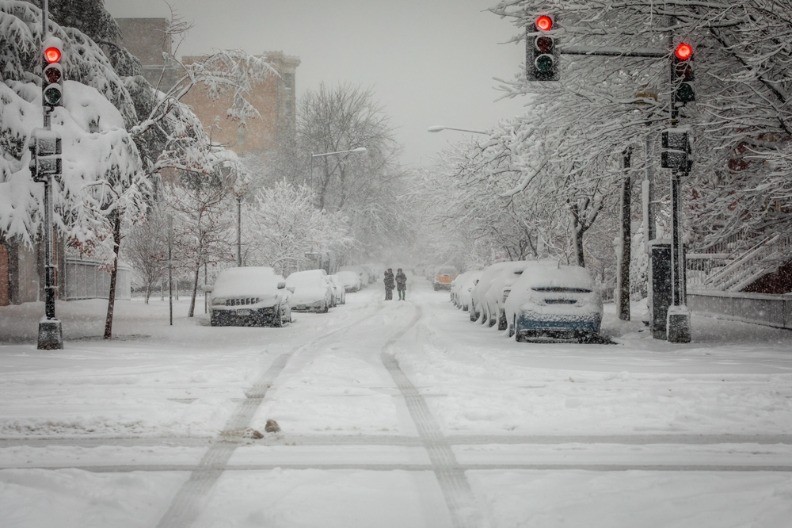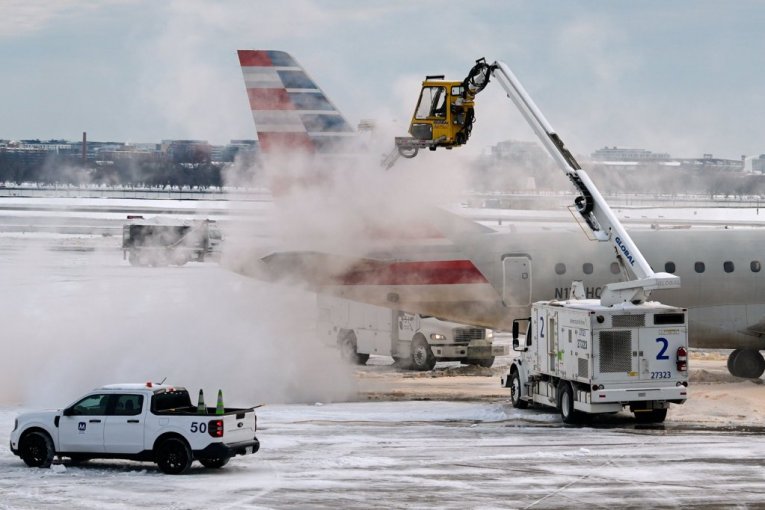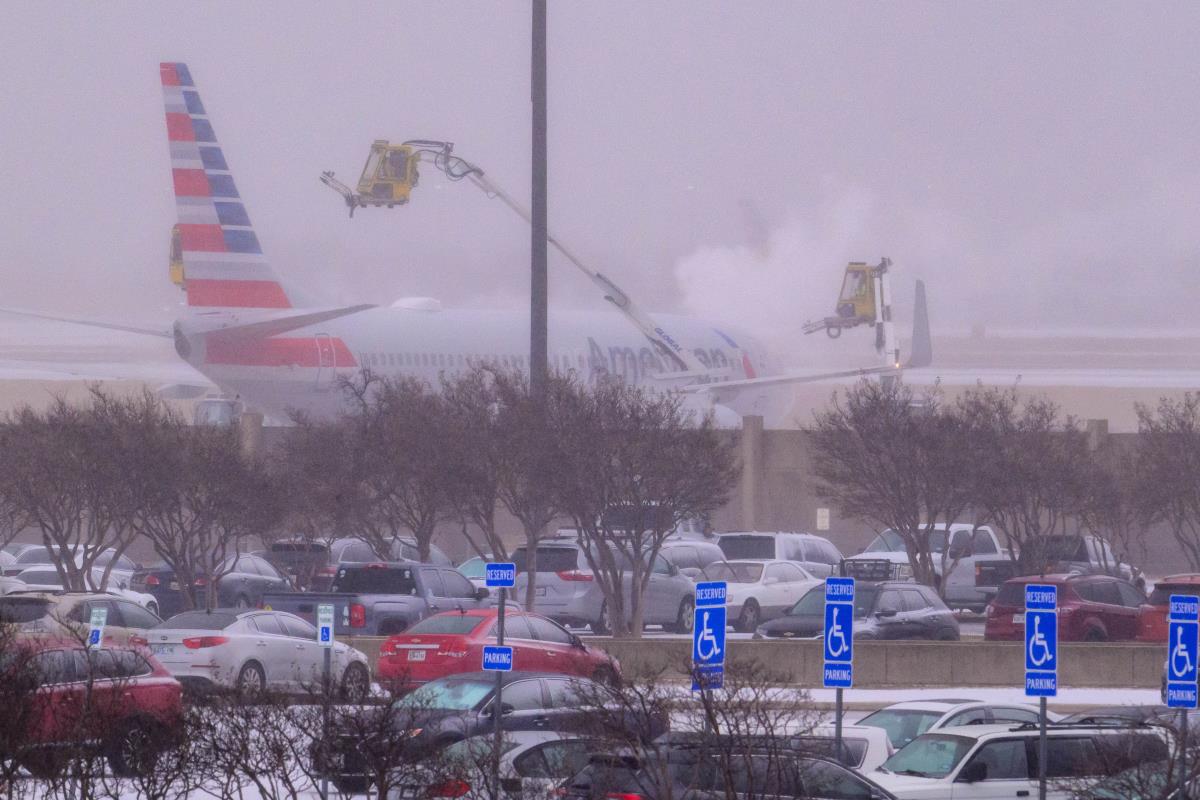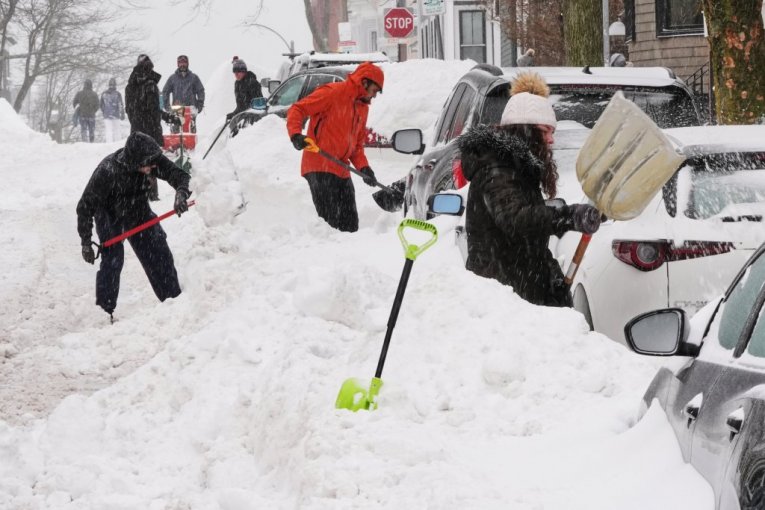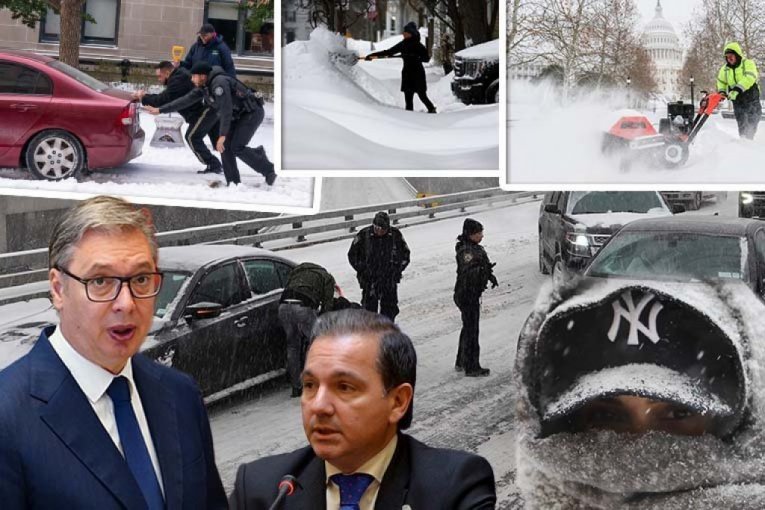





A major winter storm system stretching from New Mexico to Maine has caused severe disruption across the United States, leading to thousands of flight cancellations and widespread travel chaos. Across various tallies and time windows, coverage converges on the scale of disruption: roughly 8,000–16,000 flights canceled and many thousands more delayed over several days, with some reports citing around 12,000 cancellations linked to the strongest phase of the storm. The storm has brought heavy snowfall, freezing rain, and dangerous ice, prompting winter storm warnings and alerts for around 180–200 million people and affecting well over 40% of the US population. At least 20 states have declared states of emergency, and hundreds of thousands of customers have lost power, particularly in states such as Tennessee, Texas, Mississippi, and Louisiana, as electric infrastructure struggles under the weight of ice and high winds.
Shared context in both types of coverage describes a large, slow-moving winter system that is being tracked closely by meteorological services and emergency agencies, with forecasts warning of prolonged extreme cold and a slow melt that will extend disruptions. Institutions such as state emergency management agencies, federal weather authorities, and major airlines are depicted as central actors in responding to the storm through travel advisories, preemptive flight cancellations, and emergency declarations. Background explanations focus on the combination of Arctic air plunges and moisture-laden systems that produce heavy snow and ice, while acknowledging that infrastructure in some regions is especially vulnerable to ice storms and high wind events. Both sides also refer to recurring debates about the resilience of power grids, airport operations in severe weather, and the adequacy of preparedness measures, while generally accepting that storms of this magnitude pose serious logistical and safety challenges regardless of political stance.
Points of Contention
Responsibility and blame. Opposition outlets tend to frame the mass flight cancellations and power outages as evidence of systemic mismanagement, highlighting alleged failures of federal coordination, underinvestment in infrastructure, and slow or confused responses from authorities. Pro-government outlets, by contrast, depict the disruption as an almost unavoidable consequence of an exceptional natural event, stressing that airlines and emergency agencies acted prudently by canceling flights in advance and that officials responded appropriately once the scale of the storm became clear.
Government preparedness and capacity. Opposition coverage typically suggests that authorities had ample warning from meteorologists yet still allowed critical vulnerabilities—particularly in the power grid and airport operations—to persist, pointing to repeated crises in some states as proof of inadequate reforms. Pro-government coverage emphasizes the breadth and intensity of the storm, underscoring the rapid declaration of states of emergency in roughly 20 states and presenting these steps as proof that institutions functioned effectively under extreme pressure.
Narrative tone and symbolism. Opposition-aligned sources often use the disruption to symbolize broader governance problems, folding the storm impacts into narratives about declining infrastructure, climate policy shortcomings, or perceived leadership failures, and sometimes foregrounding individual stories of stranded passengers as emblematic of official neglect. Pro-government outlets favor dramatic language about an “apocalyptic” or “ice” catastrophe to stress natural forces rather than political ones, but they usually balance this with images and descriptions of organized emergency responses, rescue efforts, and technical crews working to restore power and normalize air travel.
Policy implications. Opposition coverage frequently links the storm’s effects to calls for major investment in resilient energy systems, upgraded airport and de-icing capacity, and more robust national climate and disaster planning, arguing that repeated weather shocks show current policies are insufficient. Pro-government outlets may acknowledge infrastructure challenges but more often frame the storm as a test that existing systems largely withstood, stressing incremental improvements, local responsibility, and the limits of what any government can do when confronted with a once-in-years or once-in-decades winter event.
In summary, opposition coverage tends to treat the sweeping flight cancellations and outages as a revealing stress test of governmental competence and infrastructure resilience, while pro-government coverage tends to portray them as the largely unavoidable byproduct of an extraordinary natural disaster that authorities and services met with broadly adequate, if imperfect, responses.
Story coverage