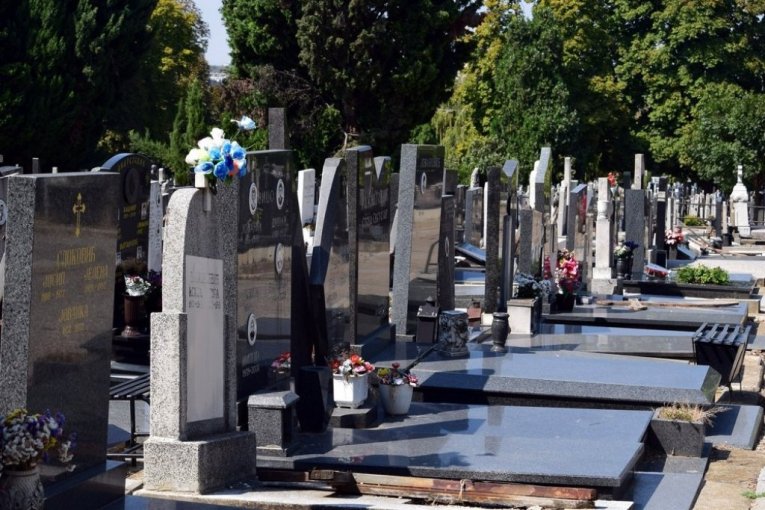

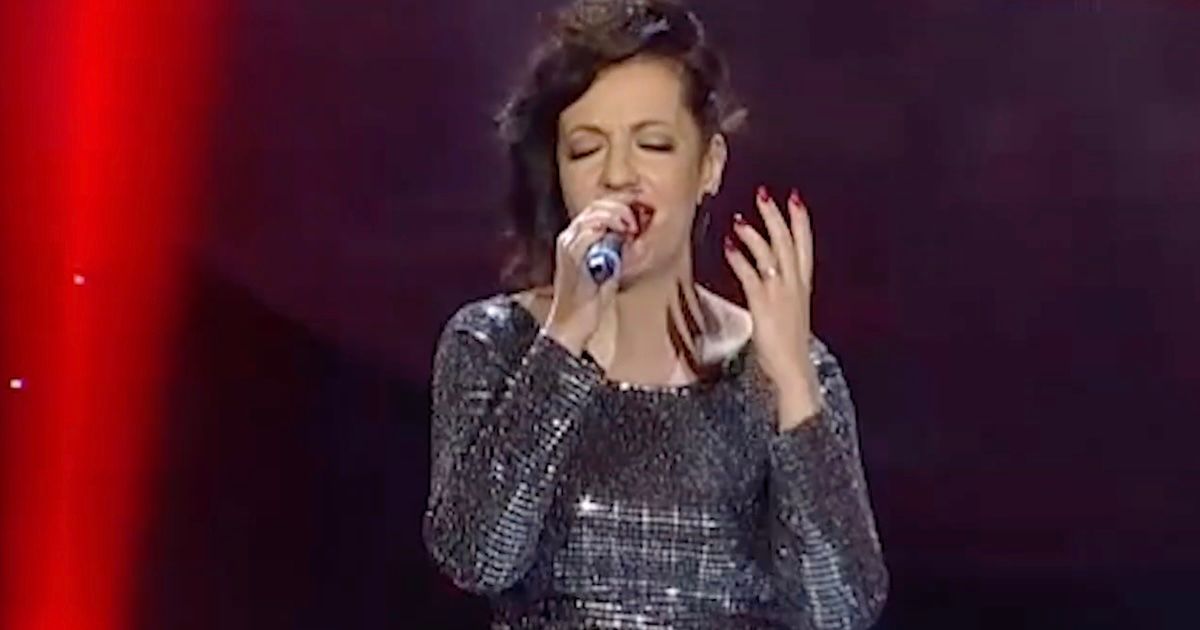
Singer Anđelka Jovanov, known from the show "Nikad nije kasno," posted a photo on social media of a tombstone bearing her and her partner’s names, with an inscription stating they "died of love" and listing 2026 as the year of death. The staged tombstone, which presented their supposed death as a path to happiness, was quickly framed as a joke by Jovanov herself, who reportedly captioned or followed the post with laughter and the phrase "We died," prompting a wave of public reactions ranging from shock and discomfort to amusement and support online.
Coverage across outlets agrees that the image sparked a noticeable controversy on social networks, with many users debating the appropriateness of using death imagery and a future date in a humorous, romantic context. Both sides also highlight that this incident sits against the backdrop of Jovanov’s previously disclosed experience with domestic violence in an earlier marriage and her participation in a televised singing competition, recognizing that her personal history and public profile shape how audiences interpret her attempt at dark humor.
Points of Contention
Tone and framing of the joke. Opposition-aligned outlets tend to describe the tombstone post, when they mention it, as an example of poor taste or morbid sensationalism, often stressing the shock and unease of viewers and suggesting it trivializes serious themes like death and past trauma. Pro-government outlets, by contrast, more often present it as an eccentric but essentially harmless display of humor, foregrounding Jovanov’s own insistence that it was a joke and giving space to commenters who find it quirky or romantic rather than offensive.
Moral and cultural implications. Opposition-leaning media are more likely to embed the episode in a broader critique of vulgarization of public culture and reality-TV aesthetics, implying that such stunts reflect a degraded media environment and weakened social taboos. Pro-government coverage characterizes the reaction primarily as a split in personal taste, treating references to death and kitsch as part of a wider, normalized social media landscape rather than a symptom of cultural decline, and stops short of drawing systemic conclusions from Jovanov’s behavior.
Use of Jovanov’s past domestic violence. Opposition sources emphasize the dissonance between Jovanov’s earlier accounts of domestic violence and the current tombstone gag, sometimes questioning whether her public image is being exploited or whether past trauma is being converted into spectacle. Pro-government outlets reference her history of abuse more briefly and mainly to humanize her and explain fan sympathy, without strongly implying that the new controversy is exploitative or that broadcasters and producers have a special duty of care they are failing.
Responsibility of media and broadcasters. Opposition-aligned coverage is more inclined to suggest that entertainment platforms and talent shows encourage or at least tolerate boundary-pushing antics like the tombstone photo to drive engagement, thus sharing blame for the resulting uproar. Pro-government outlets, however, usually portray the episode as a personal social media action by Jovanov, downplaying institutional responsibility and presenting broadcasters as neutral or uninvolved in how she chooses to present herself online.
In summary, opposition coverage tends to treat the tombstone photo as symptomatic of a broader coarsening of public culture and as a misjudged, potentially exploitative stunt, while pro-government coverage tends to soften the incident as a quirky personal joke that reflects modern social media habits more than any deep cultural or institutional failing.