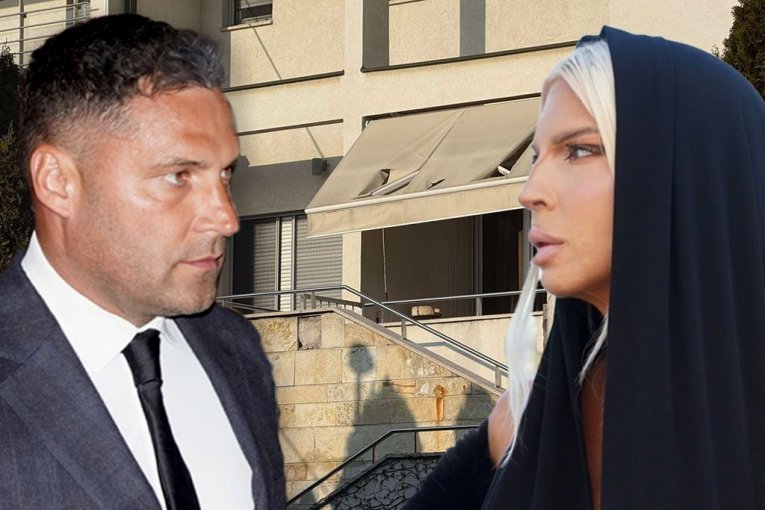





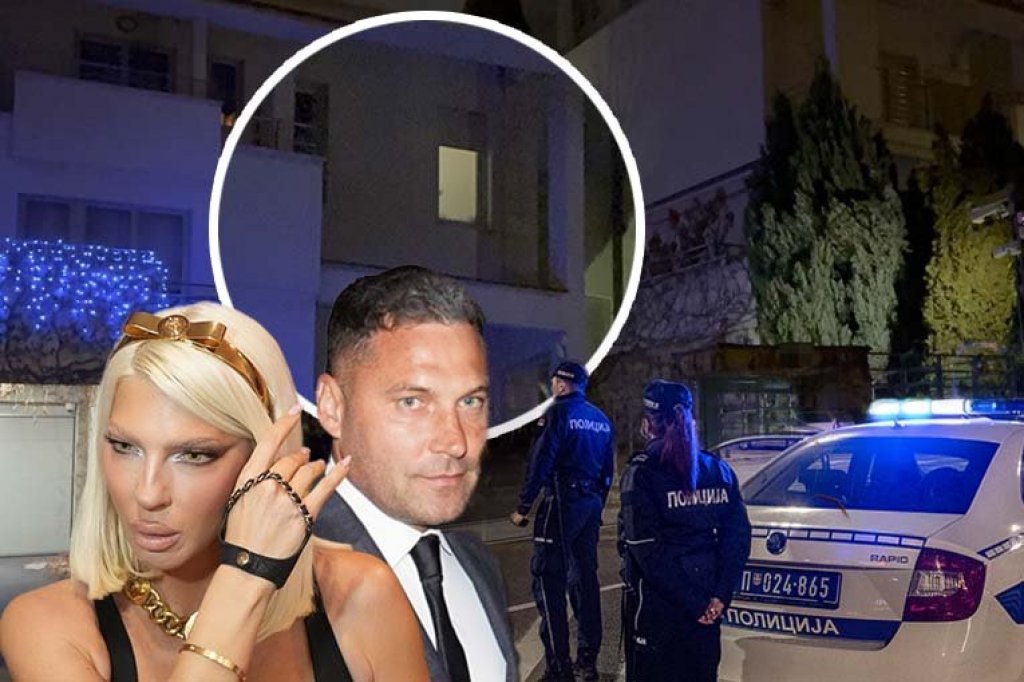
Singer Jelena Karleuša has reported her ex-husband, former footballer Duško Tošić, to the Belgrade police for allegedly entering the Dedinje residence where she lives with their daughters Atina and Nika and changing all the locks while she was in Dubai with the children. Both opposition and pro-government outlets agree that the report was filed remotely from Dubai, that police responded to the scene in Dedinje, and that Tošić later left the property at least once accompanied by officers before returning. Coverage from both sides notes that this is not the first time Karleuša has sought police help over incidents involving Tošić, that the home in question is tied to the couple’s post-divorce property arrangements, and that Tošić’s brief public comment has been that he was "in his own apartment" and declined detailed explanation. They also converge on the fact that lawyers are now involved, that possible legal pathways include civil and criminal proceedings over entry and lock-changing, and that the apartment or villa is formally linked to their daughters, with Karleuša as legal guardian.
The two camps broadly agree on the wider context: a high-profile, long-running and conflict-ridden breakup after a 16-year marriage and a consensual divorce finalized in September 2024, followed by disputes over property division and child support. Both acknowledge that most jointly acquired assets, including the expensive Dedinje properties, have been placed in the daughters’ names, and that the divorce agreement envisioned one property for Karleuša and the girls and another for Tošić, though practical implementation has been fraught. They also highlight an evolving legal environment in Serbia, including a new mechanism allowing custodial parents to claim unpaid child support from the state, and note that the prosecution will have to assess whether the latest incident qualifies as unlawful self-help, a violation of home inviolability, or a civil trespass matter. Finally, both sides portray the case as unfolding in real time, with public statements from lawyers, visible police interventions at the Dedinje address, and intense media interest fueled by the couple’s celebrity status.
Points of Contention
Ownership and right to enter. Opposition-aligned outlets emphasize Karleuša’s claim that this is the home where she and the daughters live and frame Tošić’s entry and lock change as an unauthorized "break-in" into her apartment or villa. Pro-government outlets, by contrast, foreground Tošić’s assertion that he was in "his own apartment" and extensively cite his lawyer, who insists he legally owns the property and merely exercised his rights under the divorce and purchase agreements. While opposition media mention that assets are in the daughters’ names with Karleuša as guardian, they treat this as reinforcing her position as de facto rightful occupant, whereas pro-government media present the same facts to argue that contractual arrangements obliged her to move elsewhere and that she failed to do so.
Characterization of the incident and its severity. Opposition coverage tends to describe the event as an "upad" and stress that all locks were changed without the resident’s consent, implying intimidation and a serious violation of the family’s security. Pro-government coverage, although using similar basic terminology, often dilutes the drama by framing it as a dispute over access to one’s own property and highlighting that Tošić eventually returned the keys "for the sake of the children." Opposition outlets underline multiple previous police reports and depict a pattern of troubling behavior, whereas pro-government outlets portray this as part of a noisy but essentially private conflict, sometimes focusing on sensational but lifestyle-oriented angles like the luxury wardrobe rather than on legal or safety implications.
Alimony and financial responsibility. Opposition-aligned sources foreground Karleuša’s accusations that Tošić has not been paying child support, linking the lock-changing episode to a broader pattern of financial neglect and citing her plan to use a new Serbian law to recover unpaid amounts through the state. Pro-government outlets counter this by amplifying statements from Tošić’s lawyer that he has no outstanding obligations, stressing that he has settled payments and even specifying the large lump sum transferred, sometimes implying that he acted under media pressure rather than legal compulsion. Where opposition media frame recent payment as proof that arrears existed and were only cleared after public exposure, pro-government media present it as evidence of ongoing responsibility and an overblown smear campaign by Karleuša.
Motive, victimhood, and media framing. Opposition coverage generally positions Karleuša and the daughters as the vulnerable side, stressing their physical absence in Dubai, the sudden lock change, the removal of pets and staff, and a lack of contact with Tošić, while still noting the children’s good relationship with their father to underscore her reasonableness. Pro-government outlets more often question her motives, suggesting through lawyers and pundits that she is dramatizing or weaponizing the media and the police, and sometimes hinting that her prior public claims about unpaid alimony provoked an emotional response from Tošić. Opposition sources cast the state and new legal tools as potential safeguards against an influential ex-husband, whereas pro-government sources implicitly defend institutional neutrality and highlight Tošić’s cooperation with police and legal channels, portraying him as besieged by media sensationalism.
In summary, opposition coverage tends to depict the incident as an unlawful intrusion into a mother-and-children home, tied to a pattern of non-payment and emotional harm, while pro-government coverage tends to treat it as a contested but legally grounded property dispute in which Tošić is asserting ownership and fulfilling his obligations.
Story coverage














pro-government
"DUŠKO JE ZBOG TOGA POLUDEO" Evo zašto je Tošić upao u vilu na Dedinju!
Odlučio da joj se osveti!
2 months ago