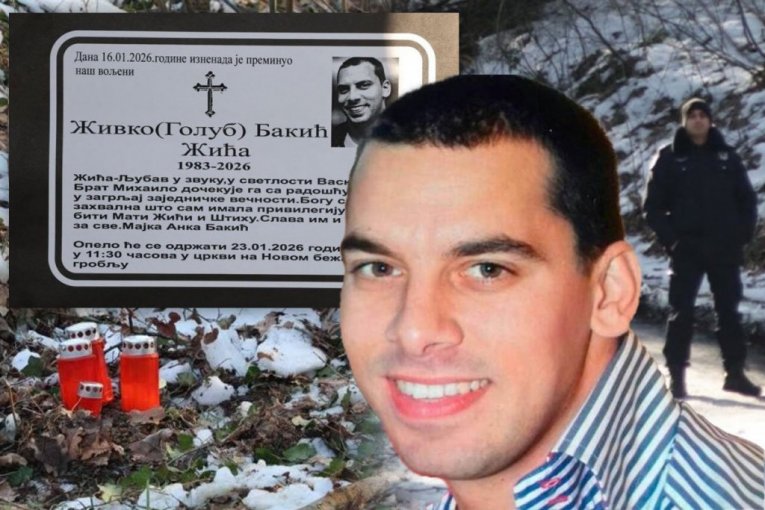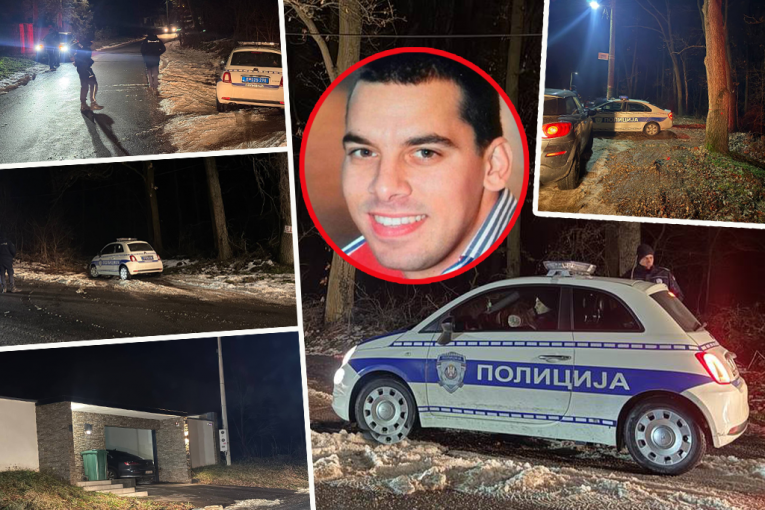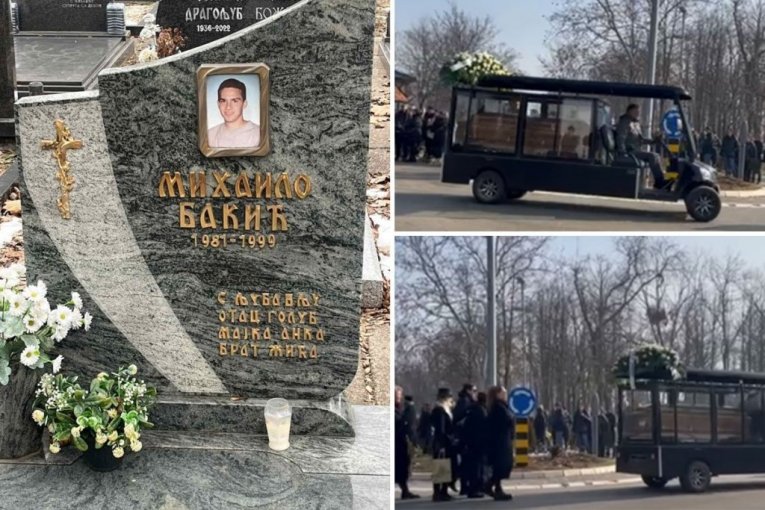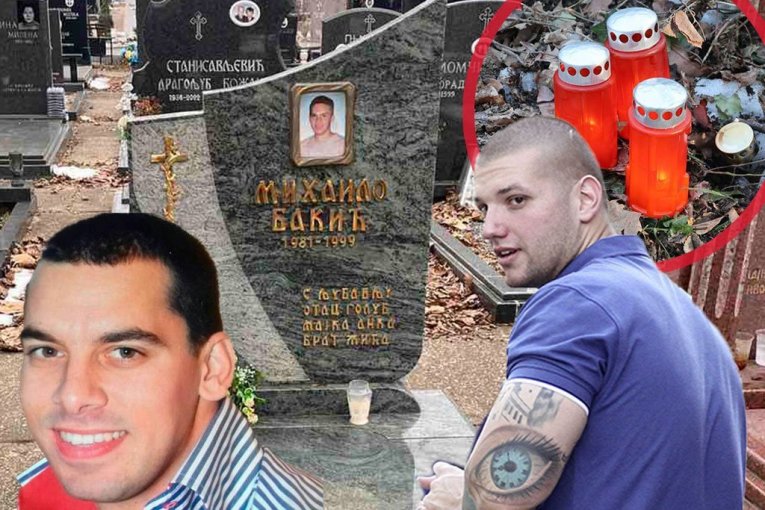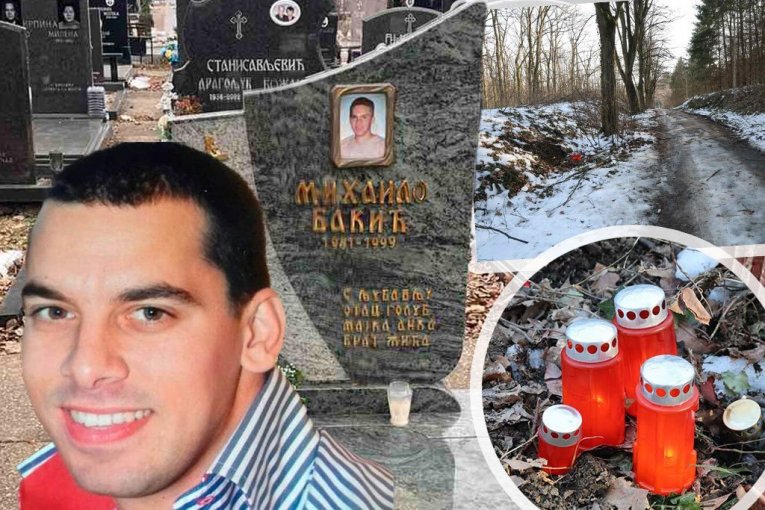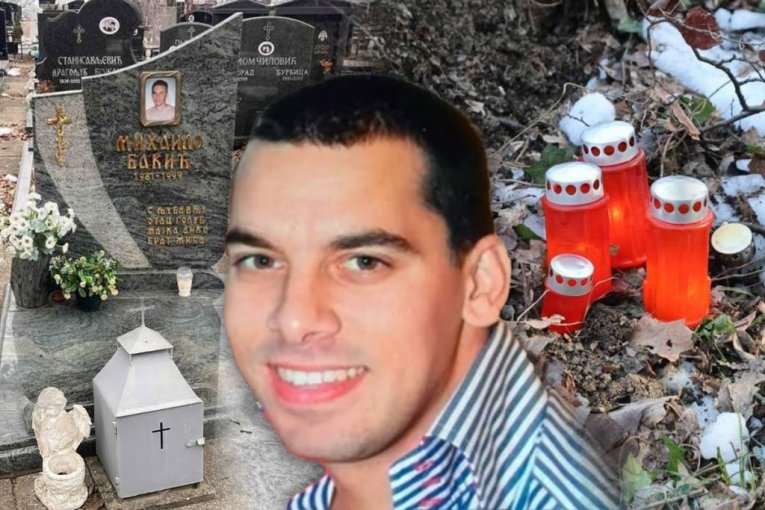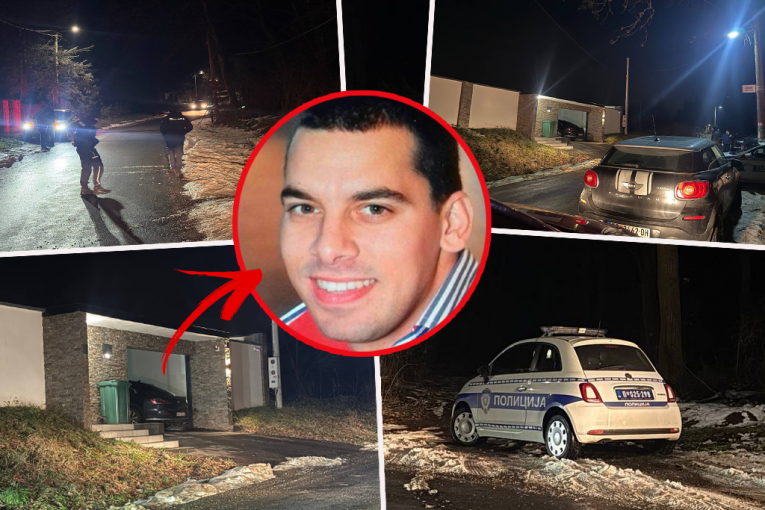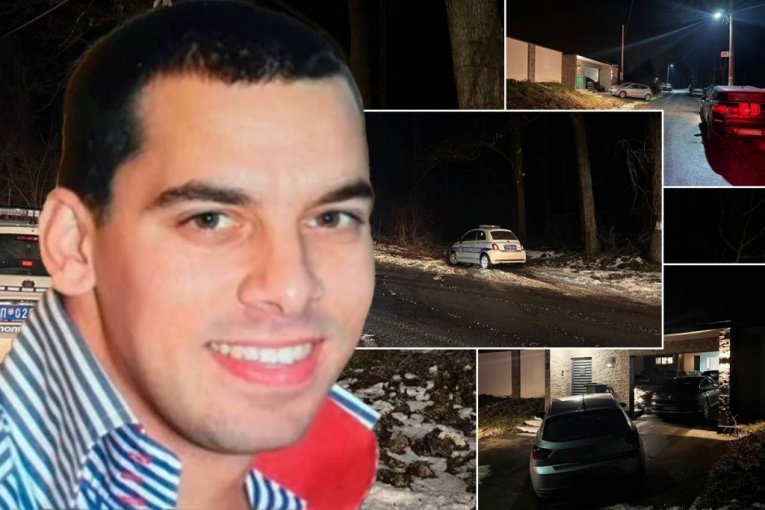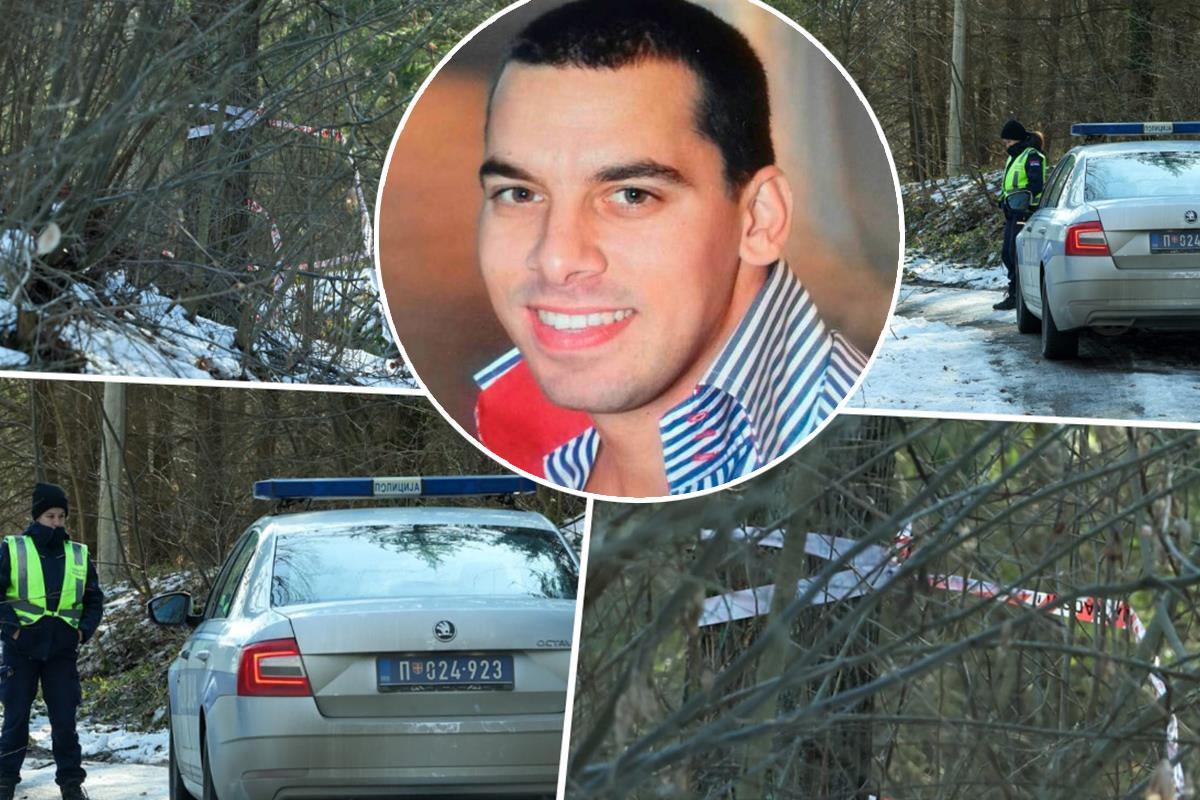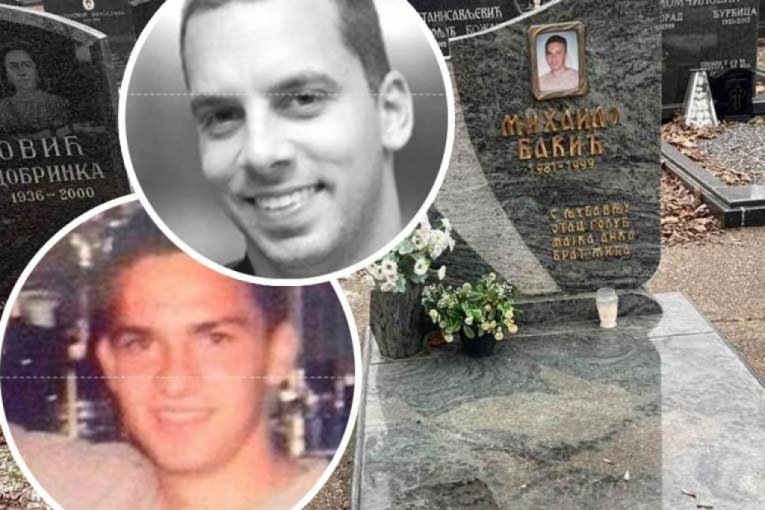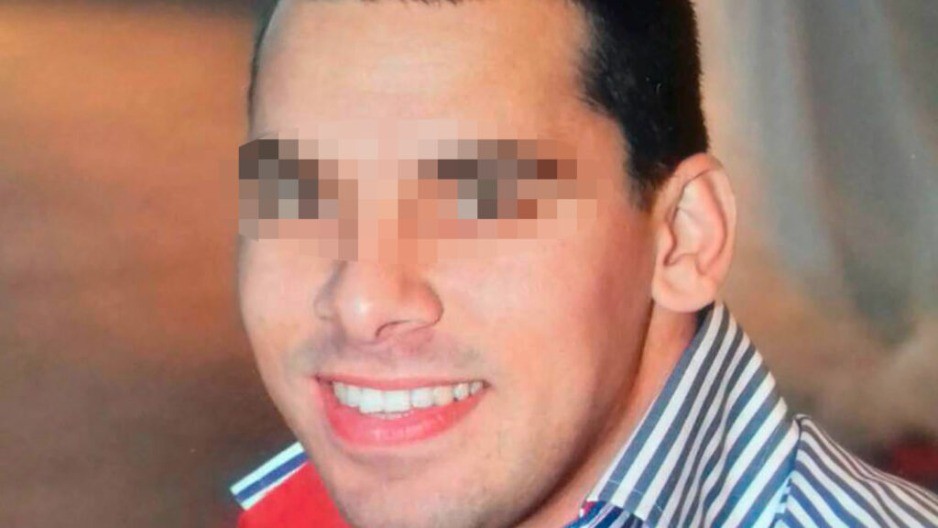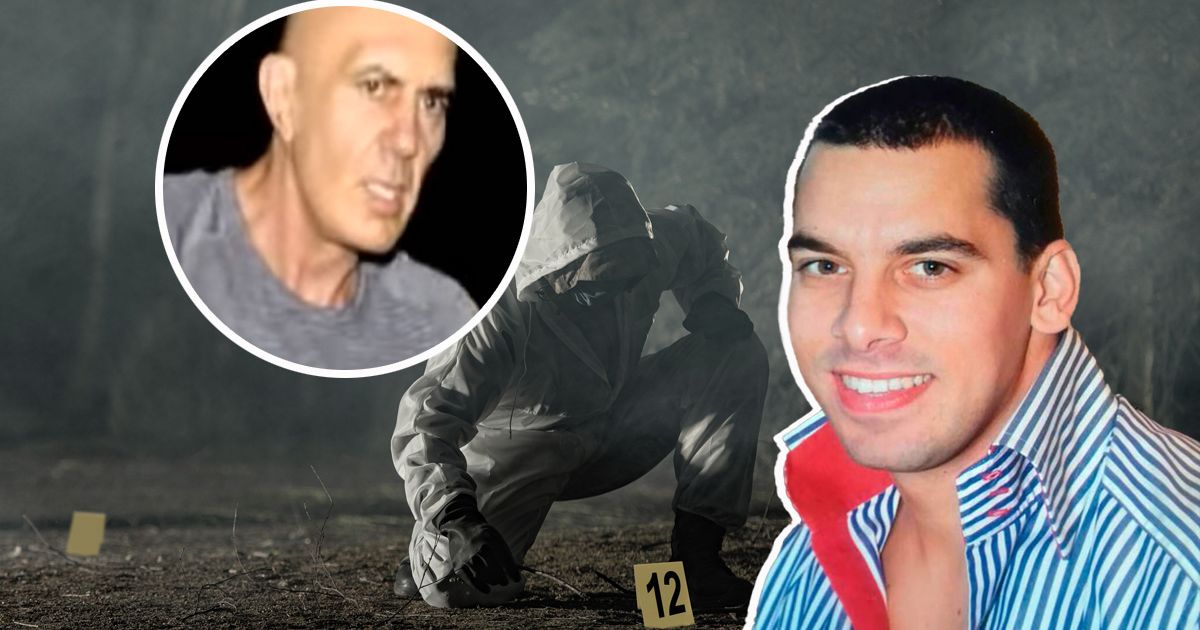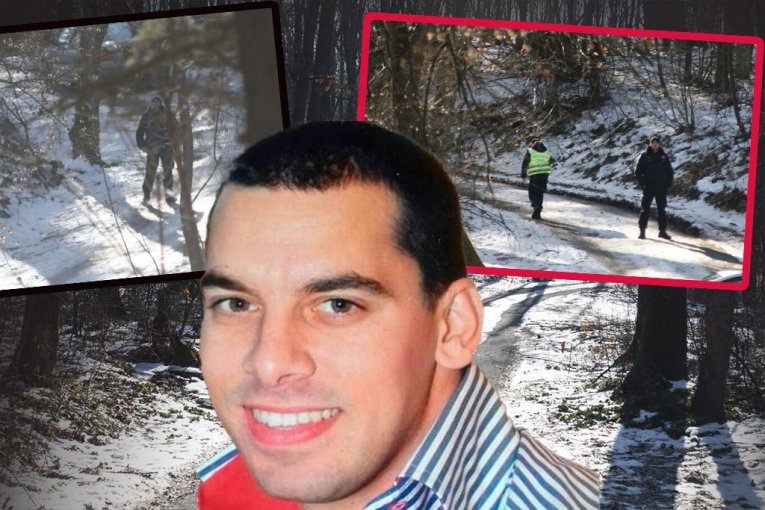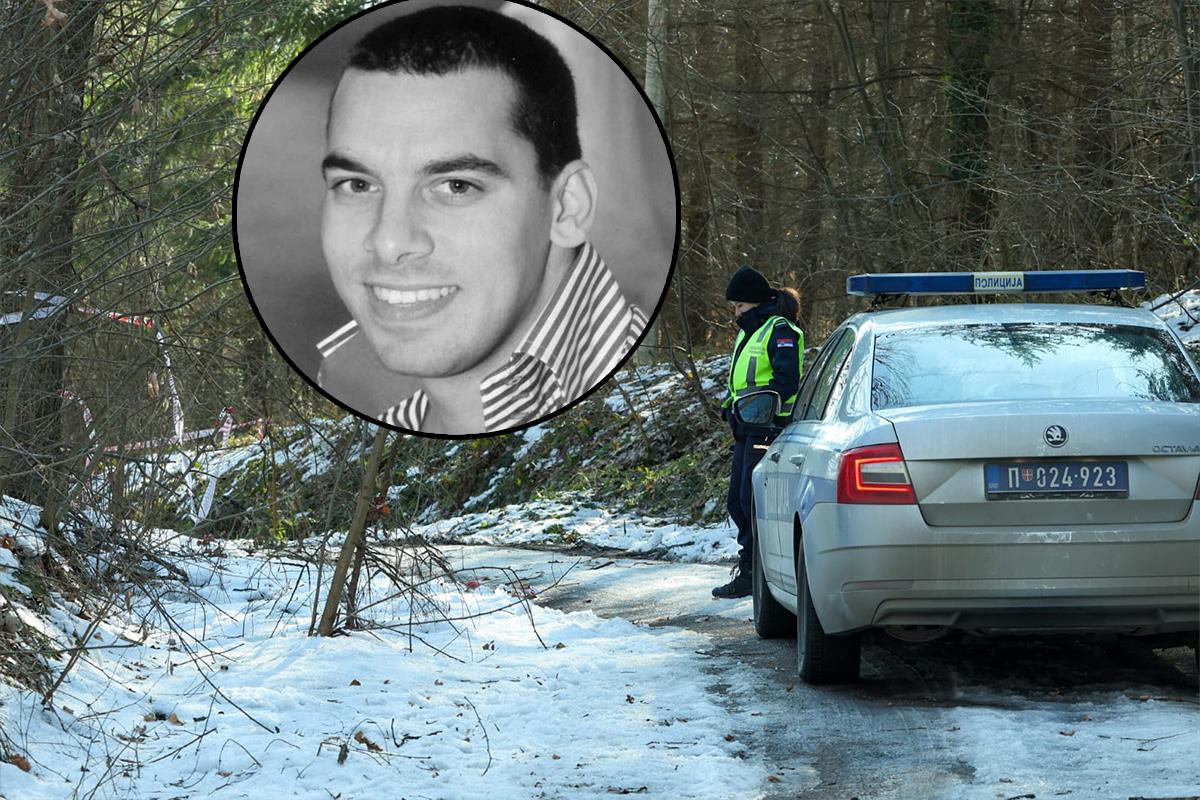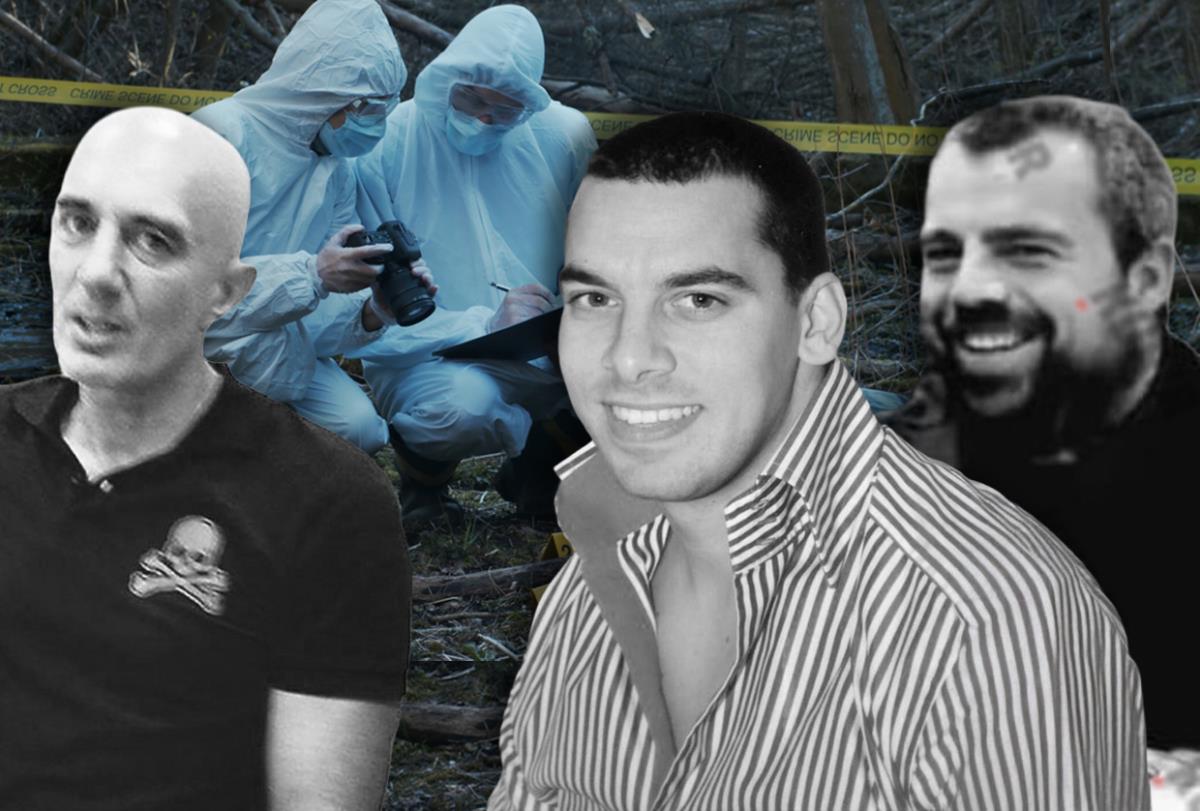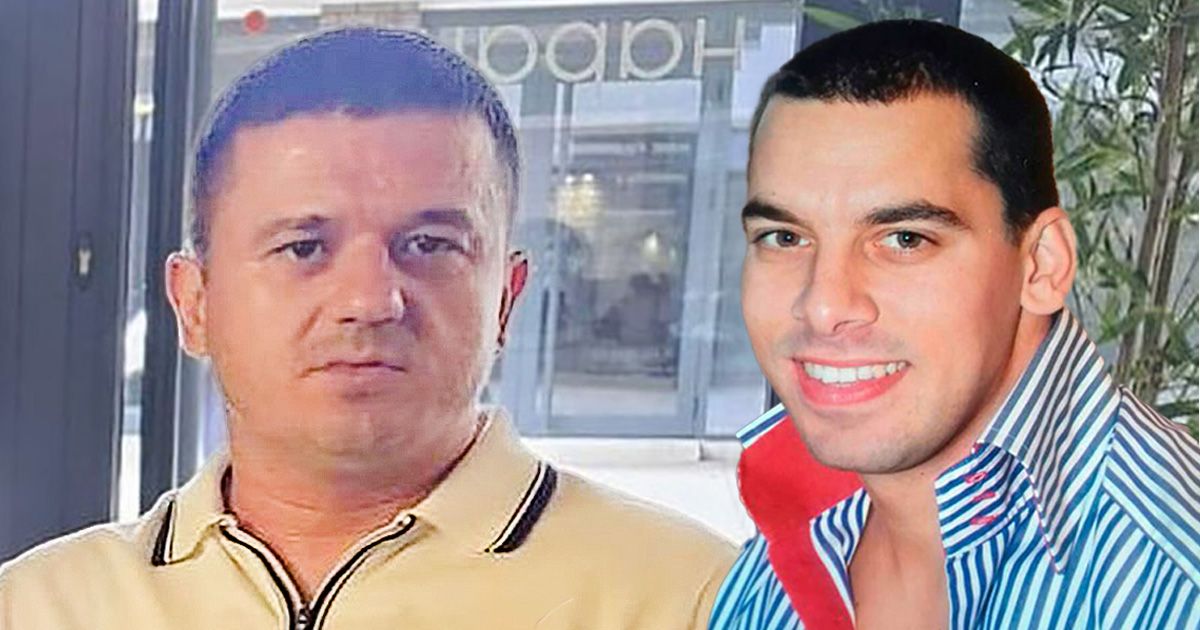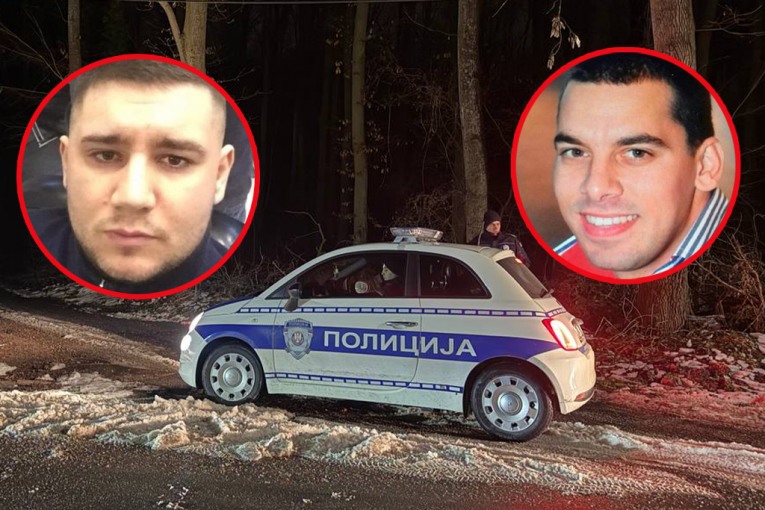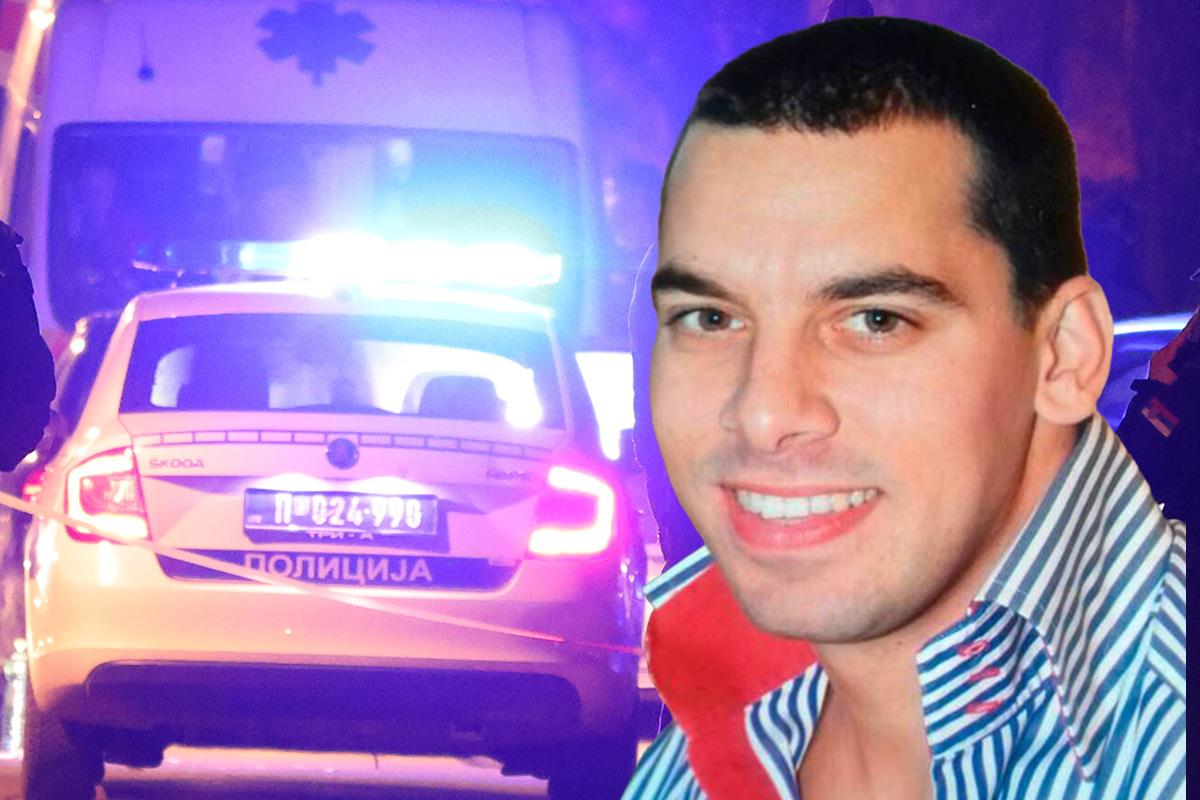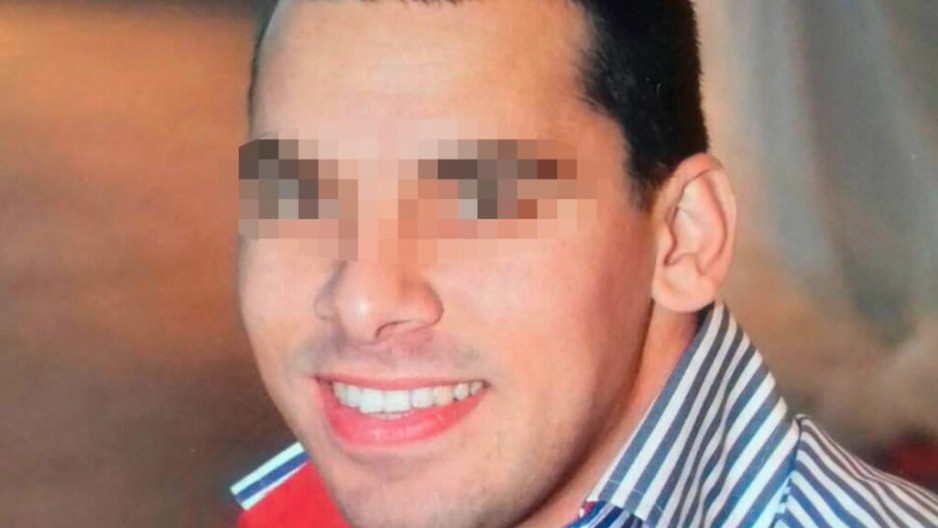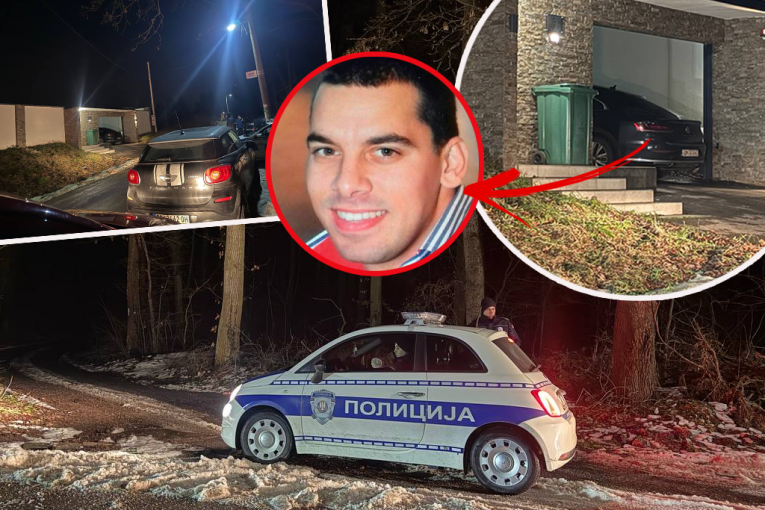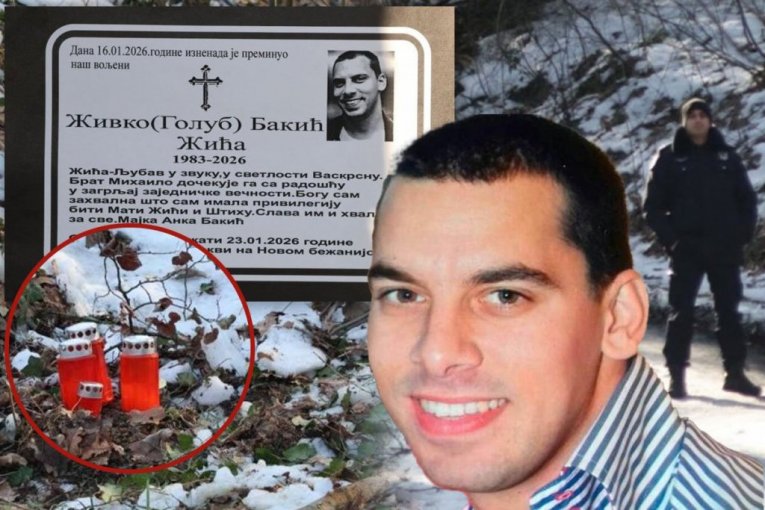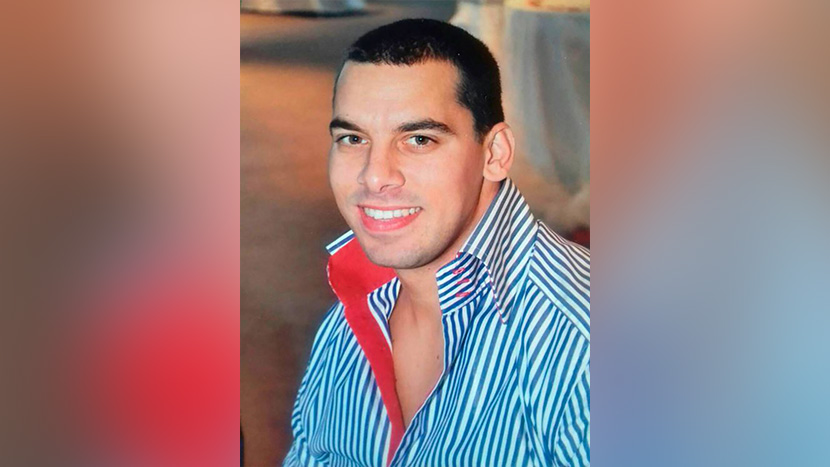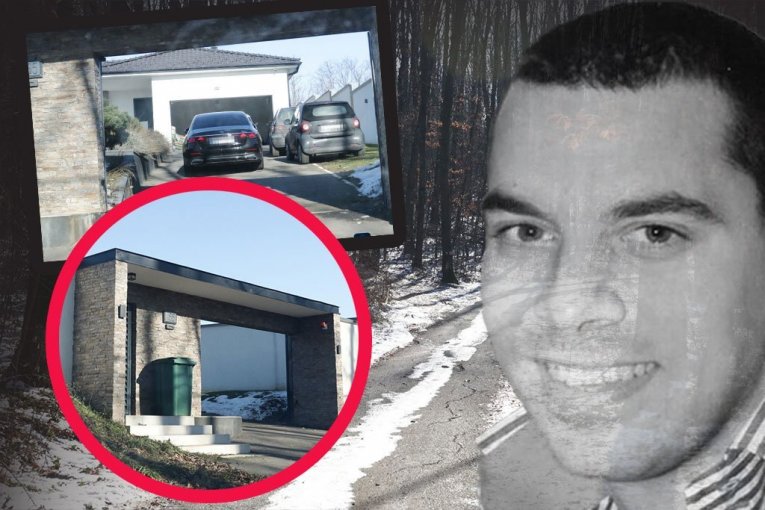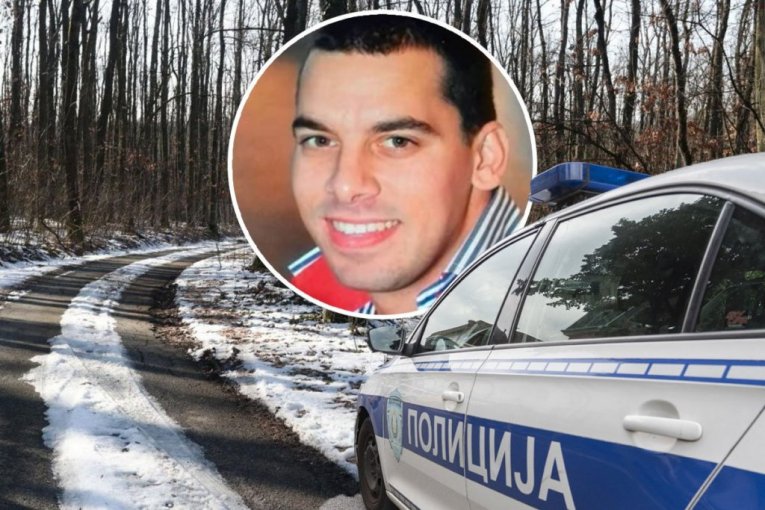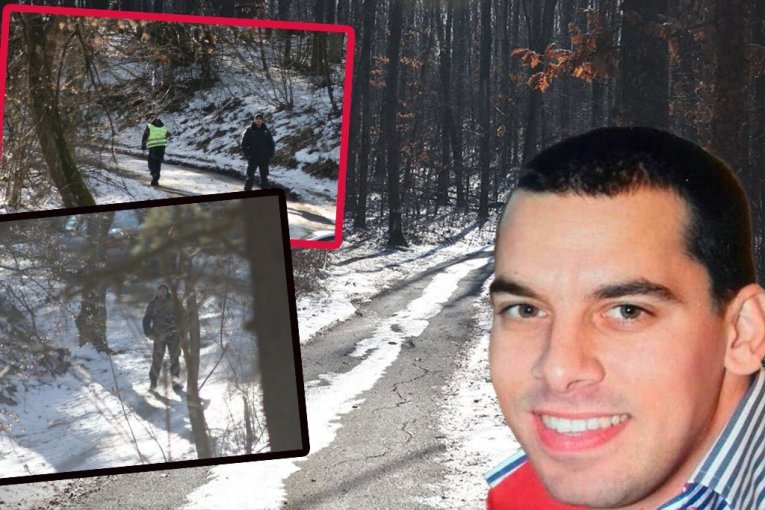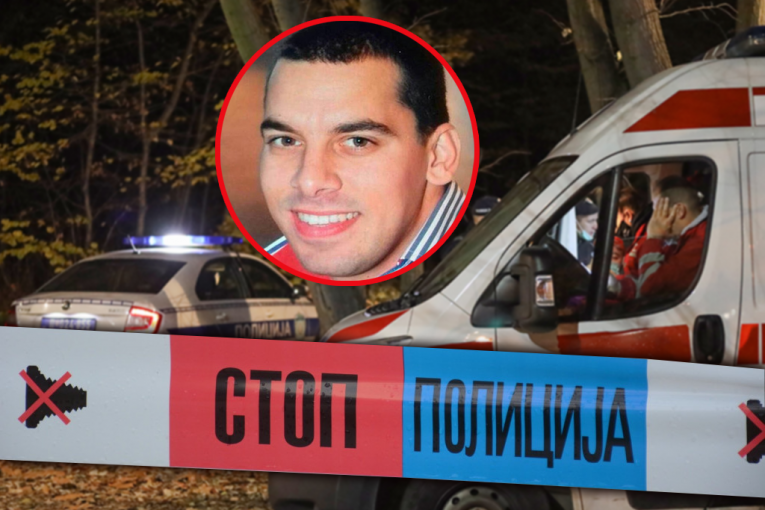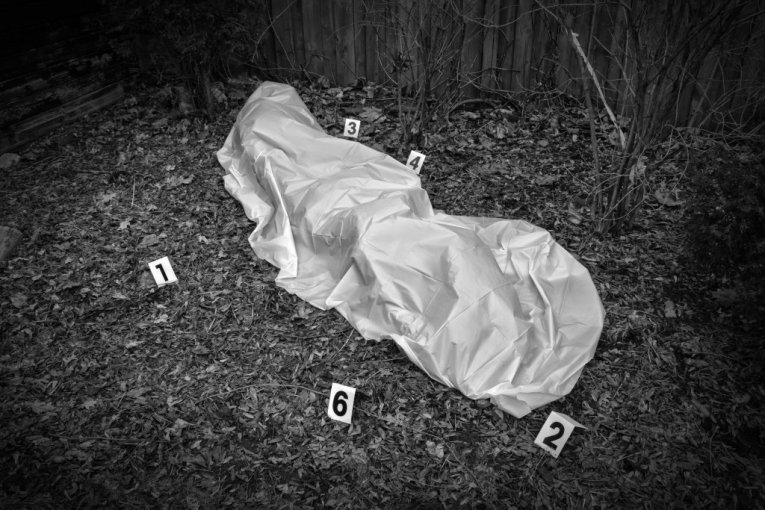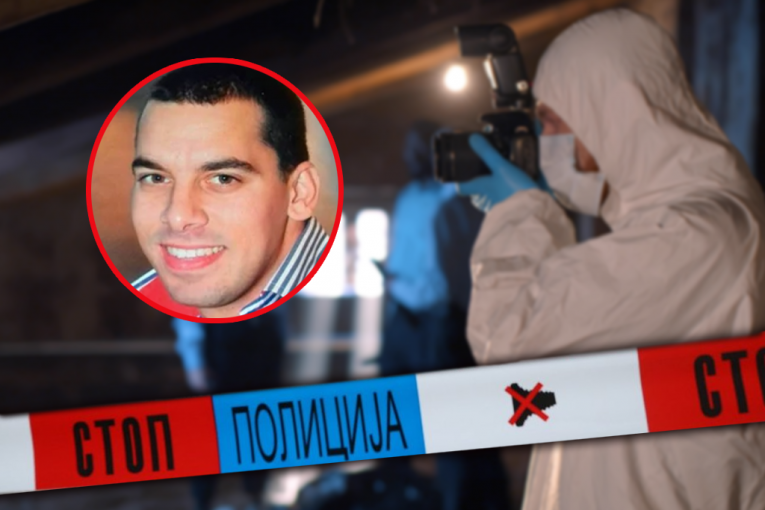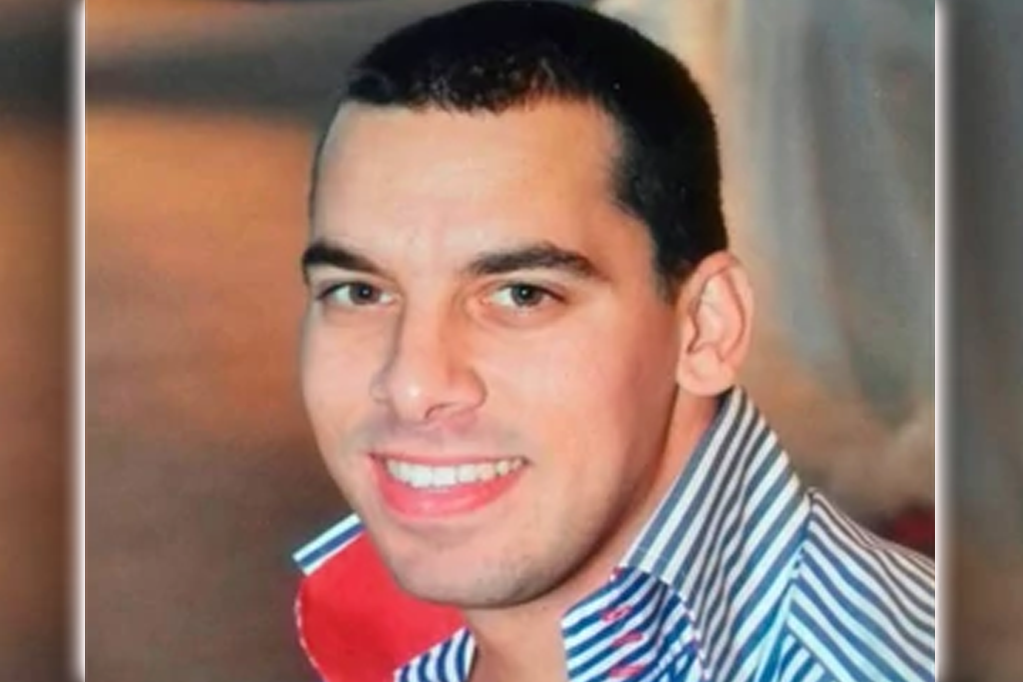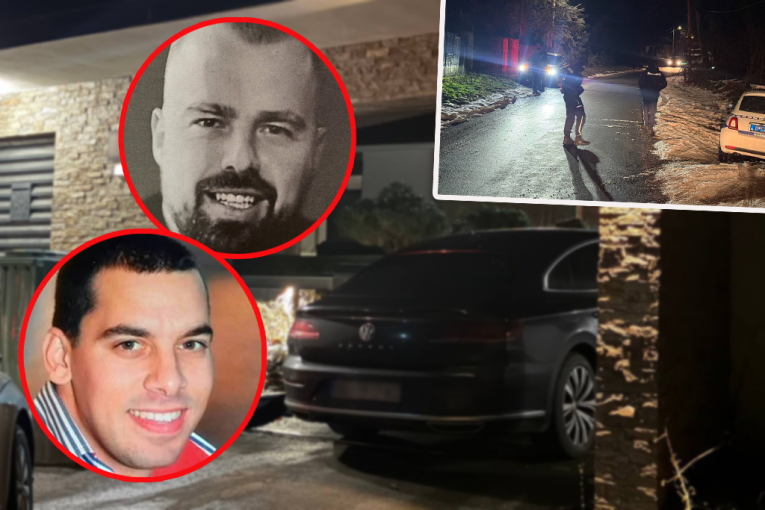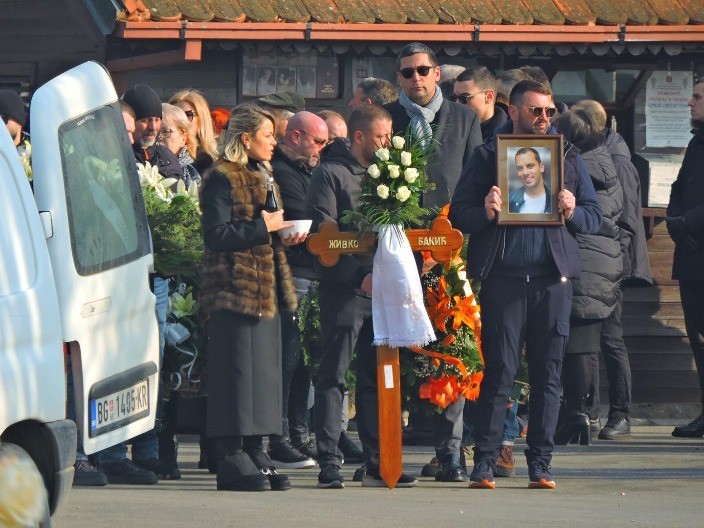





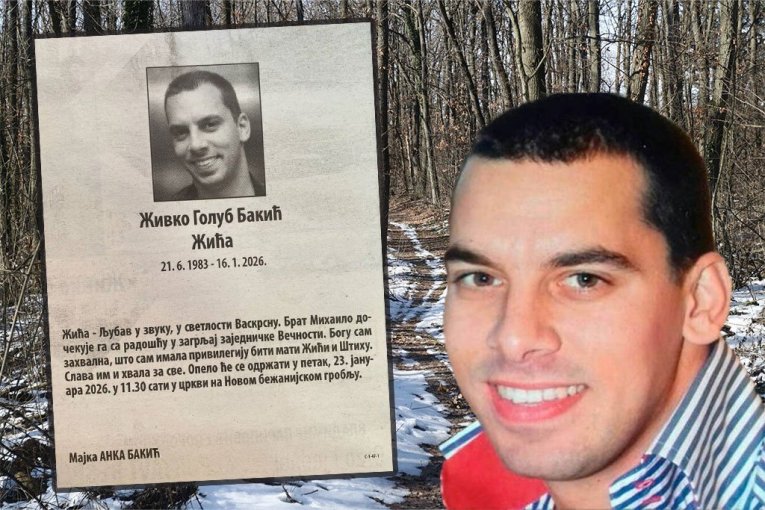
Živko Bakić, a 43‑year‑old former professional footballer and alleged leader of a cocaine‑smuggling organization linked to the so‑called Balkan Cartel, was found murdered in a forested area near Sopot/Mala Ivanča, roughly a kilometer from his home, during a permitted walk while under house arrest with an electronic ankle monitor. Both opposition and pro‑government outlets agree that he was facing trial for organizing the smuggling of around 324 kilograms of cocaine from South America to Europe, that this was at least the second killing of a member of the same criminal group (after Saša Momčilović in Marbella), and that the attack had the hallmarks of a professional execution carried out in daylight, with multiple gunshots including at least two to the head. They concur that the body was discovered by acquaintances or passersby, that police quickly cordoned off the scene and launched an intensive investigation under the umbrella of operations referred to as Vihor, and that authorities suspect the killer had detailed knowledge of Bakić’s strictly limited one‑hour movement window and route thanks to his house‑arrest regime.
Coverage from both sides also shares a core narrative of Bakić’s trajectory: from a promising football career at clubs such as Crvena zvezda and Rad to deep involvement in international drug trafficking, detention in Spain, and eventual prosecution in Serbia as head or key figure of an organized criminal group. They emphasize identical institutional settings and actors: the Special Court in Belgrade handling the major narcotics case, law‑enforcement units coordinating the manhunt and forensic work, and security experts framing the killing within long‑running conflicts among Balkan drug clans. Both camps agree that his murder is embedded in a wider pattern of cartel‑related violence that has already claimed several high‑ranking figures, that it underscores the lethal risks within the cocaine trade rather than any random victimization of bystanders, and that it raises renewed questions about how Serbia’s judiciary, police and prison‑supervision systems manage high‑value organized‑crime defendants.
Points of Contention
Framing of the system’s role. Opposition‑aligned outlets, where they touch the case, tend to treat Bakić’s killing as part of a broader pattern of failures in Serbia’s justice and security apparatus, implicitly questioning how a top defendant under electronic surveillance could be ambushed so easily and why multiple cartel murders remain unresolved. Pro‑government media, by contrast, underline the speed and scale of police response (operations Vihor, cordons, intensive forensics) and present the state as proactive and under siege by powerful transnational cartels rather than negligent or complicit. While opposition narratives hint that repeated high‑profile liquidations point to systemic vulnerabilities, pro‑government pieces frame the same pattern as evidence of the ferocity of criminal feuds and the difficulty any state would have in fully preventing such hits.
Characterization of Bakić. Opposition reporting, in the limited material available, chiefly describes Bakić in legal‑bureaucratic terms as an accused organizer of cocaine smuggling awaiting trial, occasionally noting his past as a footballer and focusing on the timing of the murder just days before court proceedings. Pro‑government outlets go much further in personalization and moralization, branding him a cartel boss, narco‑dealer, clan leader and ultra‑violent hooligan, and vividly narrating his life story “from Marakana to cartel chief,” including family tragedies and fan‑scene brutality. Whereas opposition sources keep his profile functional and case‑oriented, pro‑government media construct a lurid, almost serialized biography that reinforces a stark dichotomy between the criminal underworld and the state.
Cause and meaning of the murder. Opposition‑aligned coverage places Bakić’s death into the immediate judicial context, stressing that it is the second killing in the same case and implicitly raising concerns about witness and defendant safety and the integrity of major trials. Pro‑government outlets foreground intra‑cartel and inter‑clan motives, repeatedly citing experts who speak of financial disputes, revenge, or conflicts within or between drug groups and suggesting that Bakić likely “crossed” people on his own side or rivals. The former thus leans toward reading the murder as a blow to legal proceedings and public trust in institutions, while the latter presents it as a self‑contained episode of criminal score‑settling that the state is working to punish.
Tone toward institutions and reforms. Opposition media, when they reference the case, tend to use a muted but skeptical tone toward official narratives, implying that recurring cartel assassinations under formal supervision show unreformed security and justice structures despite years of promised crackdowns. Pro‑government outlets adopt a triumphant yet embattled tone, highlighting previous large drug seizures, arrests, and the alleged “serious blow” dealt to the Balkan Cartel, and framing Bakić’s liquidation as one more turn in an ongoing war that the state is steadily winning despite inevitable casualties among criminals. In this way, opposition coverage hints at a need for deeper institutional reform and accountability, whereas pro‑government coverage uses the same events to justify and legitimize existing anti‑crime policies and operations.
In summary, opposition coverage tends to treat Bakić’s murder as another symptom of systemic weaknesses surrounding high‑profile organized‑crime cases and the justice system’s capacity to protect key defendants, while pro-government coverage tends to dramatize his criminal persona and cast the killing as a brutal but expected outcome of cartel warfare that ultimately validates the state’s hard‑line security agenda.
Story coverage