
Areas of Agreement
Both opposition (hypothetical/expected framing) and pro-government outlets would likely agree on several core facts surrounding Miljana Kulić’s disqualification from “Elita 9”. They converge on the points that:
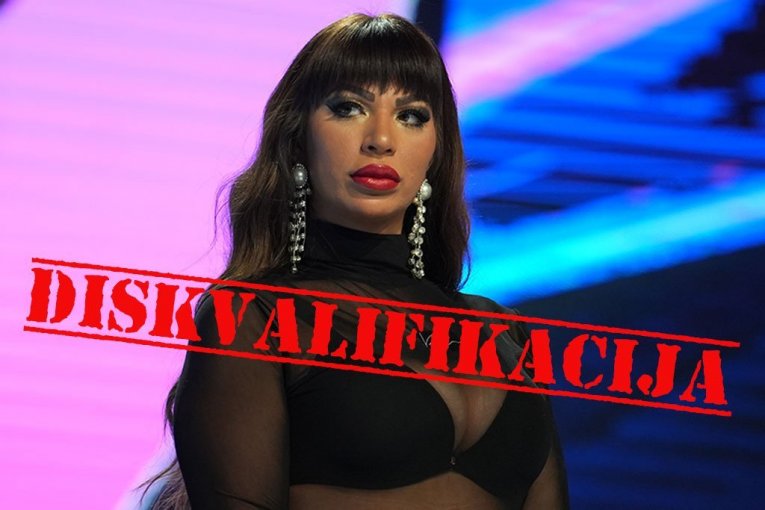
- Miljana Kulić was officially disqualified from the reality show after an incident linked to host Milan Milošević and a broader pattern of inappropriate behavior.
- The production tied her removal to rule violations and safety concerns, including prior and recent physical altercations (notably with Uroš Stanić) and Milošević’s claim that he felt threatened.
- TV Pink and the show’s production are seeking to enforce a contractual penalty of around 50,000 euros, with indications of a planned lawsuit against Kulić.
- Kulić and her mother Marija Kulić responded publicly on Instagram, sharing private messages and giving their side of the conflict, while Milošević also issued his own social-media responses.
Areas of Divergence
Where they would diverge is in framing responsibility, motives, and broader implications. Pro-government, pro-Pink outlets (based on the listed articles) tend to:
- Emphasize Kulić’s long record of repeated disqualifications and present her as a chronic violator of rules, reinforcing the narrative that Pink’s decision was justified and necessary.
- Highlight the legal and financial consequences (lawsuit, 50,000-euro fine, accumulated debts) as proof of the production’s seriousness and contractual rigor.
- Portray Milošević primarily as a professional host under threat, whose intervention and appeal to security were responsible actions.
By contrast, a likely opposition framing (not present in the provided sources but inferred from typical editorial lines) would be more inclined to:
- Question Pink TV’s production practices, suggesting they may have provoked or exploited Kulić’s behavior for ratings before moving to punish her.
- Treat the leaked messages and public feud as evidence of a blurred line between private relationships and on-air conflicts, potentially casting doubt on the objectivity of the host and production.
- Frame the large financial penalty as an example of disproportionate pressure and control by a powerful, regime-aligned media house over vulnerable reality participants.
In sum, both sides would likely agree on the factual sequence—conflict, disqualification, penalty—but pro-government outlets normalize and defend the production’s move, while opposition voices would more likely scrutinize power dynamics, media ethics, and the severity of sanctions.
Story coverage