
Points of Agreement
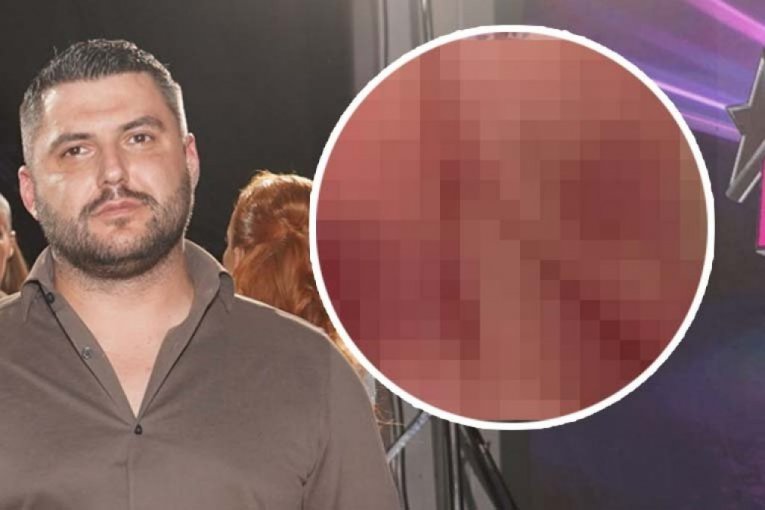
Given the absence of opposition coverage, current reporting is dominated by pro-government entertainment/celebrity outlets, which broadly agree on several factual elements surrounding Asmin Durdžić and the images shared by his father Mustafa Durdžić. These outlets consistently present the case as a real and visible skin condition, using photos and video as primary evidence and tying it directly to Mustafa’s public intervention.
- Shared basic facts (within pro-government media, in lieu of opposition sources):
- Mustafa Durdžić shared photos and/or video showing visible marks, red patches, or bruising-like spots on Asmin’s skin.
- The condition is framed as serious and alarming, often described as “disturbing” or “grotesque” to underscore the severity.
- Coverage links the current images to earlier claims by Stanija Dobrojević, treating her past statements about Asmin’s health and skin as corroborated by the new images.
- There is acknowledgment that stress, particularly around reality show participation (“Elita 9”) and public drama with ex-partners, could be a contributing factor.
Points of Divergence
Because there are no opposition articles on this specific incident, the main divergences appear within the pro-government ecosystem itself, rather than between opposition and government-aligned outlets. These differences center on framing, tone, and what is emphasized as the underlying cause or significance of the skin condition.
- Framing and emphasis differences (within pro-government coverage):
- One strand focuses on validating Stanija (“STANIJA NIJE IZMIŠLJALA”), using the images to bolster her credibility and highlight earlier conflicts with Asmin (e.g., his alleged request for photos of Maja Marinković and the resulting breakup).
- Another emphasizes the medical/health angle, spotlighting the “modri pečati” (bruised-like marks) and suggesting possible allergic reactions or stress-related issues, while still keeping the reality show context front and center.
- Sensationalist headlines and language differ in intensity: some outlets lean heavily into shock value and personal drama, while others frame it slightly more as a health concern amplified by reality TV pressure.
In practice, this means that while pro-government media largely agree on the visual evidence and the link to Stanija’s earlier claims, they split between treating the story mainly as celebrity relationship drama versus a stress-induced health problem, leaving a gap that opposition outlets might otherwise fill with alternative political or ethical critiques, but which is currently absent.