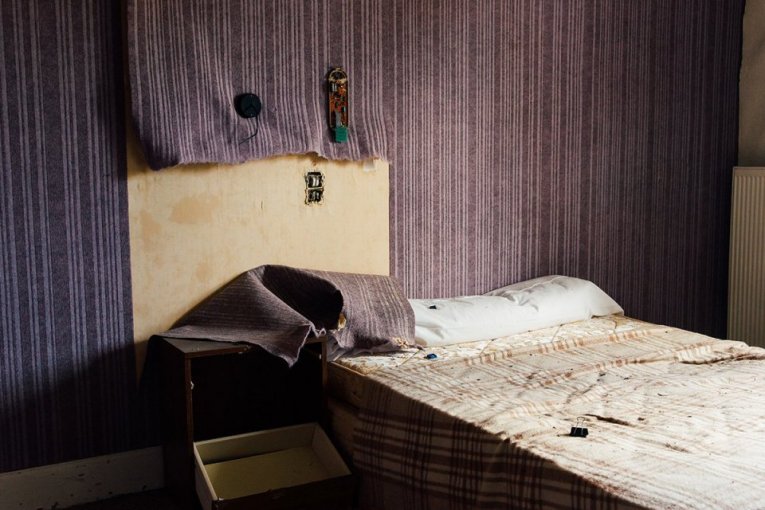


Points of Agreement
Both the (hypothetical) opposition and confirmed pro-government outlets largely converge on the basic factual narrative of Boris Rogoznica’s experience in New Delhi: they highlight his description of the trip as the “worst and nastiest place” he has visited and emphasize the unsanitary and dysfunctional hotel conditions. Common elements include:
- Dirty and torn bedding and hair on pillows as visual proof of poor hygiene.
- Lack of hot water and improvised heating (e.g., using a hair dryer as a heater).
- Broken or non-functioning equipment, such as air conditioning and a door that would not lock.
- Reference to Rogoznica’s Instagram videos as the primary source, with outlets relaying his direct quotes and footage rather than disputing their authenticity.
Points of Divergence
While pro-government outlets (and, by contrast, how opposition outlets would likely frame it) share the same incident, they diverge in tone, emphasis, and broader framing. Pro-government pieces:
- Stress the shock value and sensationalism of a "trip from hell," focusing on the horror and disgust of the hotel room.
- Use the story to implicitly flatter local/regional standards, contrasting the New Delhi hotel with the perceived comfort and safety of home-country accommodation.
- Highlight follower reactions that support Rogoznica’s negative view or frame him as naïve but ultimately vindicated by the images.
By contrast, opposition-leaning coverage (if present) would more likely:
- Question whether individual travel choices (e.g., cheaper booking platforms, poor research) contributed to the outcome.
- Downplay the "worst place on Earth" framing and instead situate the episode within broader issues like global tourism inequality and sensationalist media narratives, using the incident less as a national self-congratulation point and more as an example of how online outrage can oversimplify complex destinations.
In sum, both camps would treat Rogoznica’s account as credible and newsworthy, but pro-government outlets primarily turn it into a morality tale about how good things are at home, while opposition discourse would be more inclined to complicate the narrative and resist turning one bad hotel into a sweeping judgment on an entire city or country.