
Areas of Overlap Between Opposition and Pro-Government Coverage
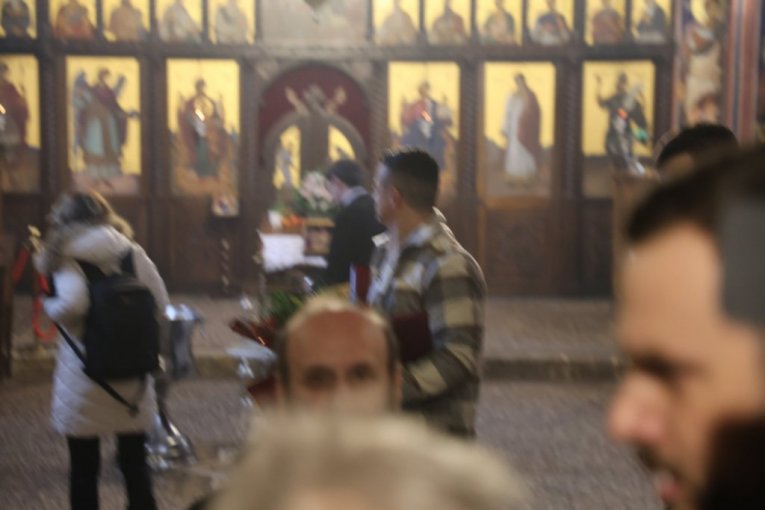
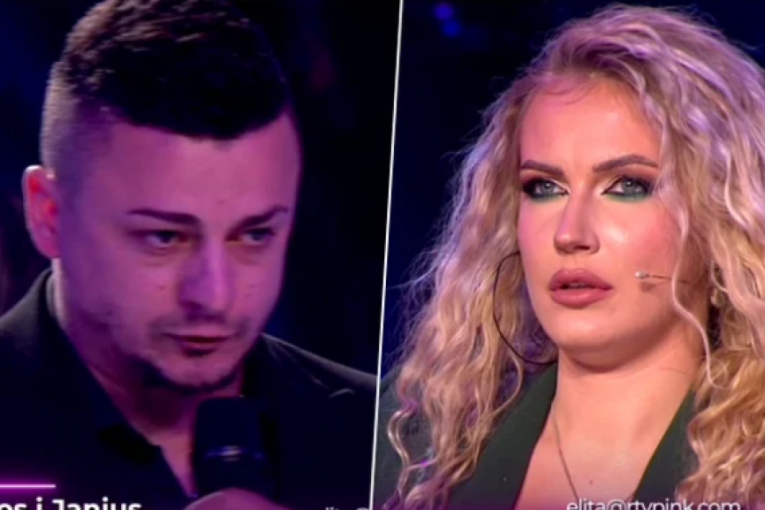
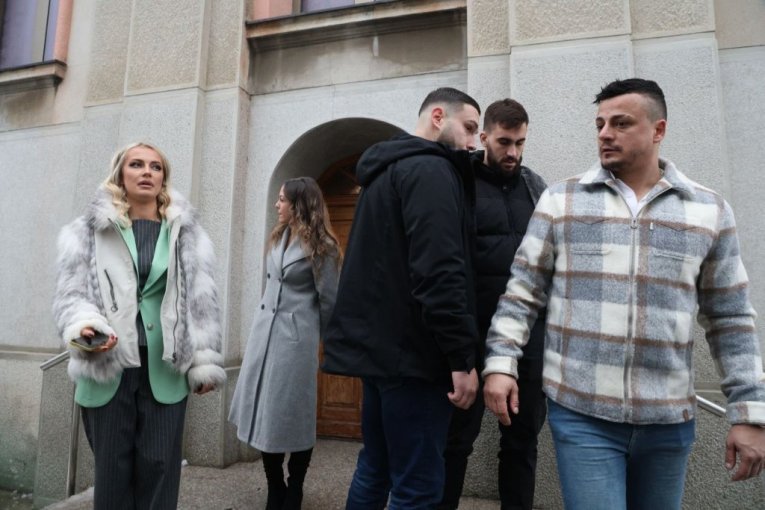
- Both sides, where they report on the event, would acknowledge that the christening and first birthday of Barbara, daughter of reality TV participants Milica Veličković and Borislav Terzić Terza, was marked by intense conflict and emotional scenes in and around the Church of Saint George on Bežanijska kosa.
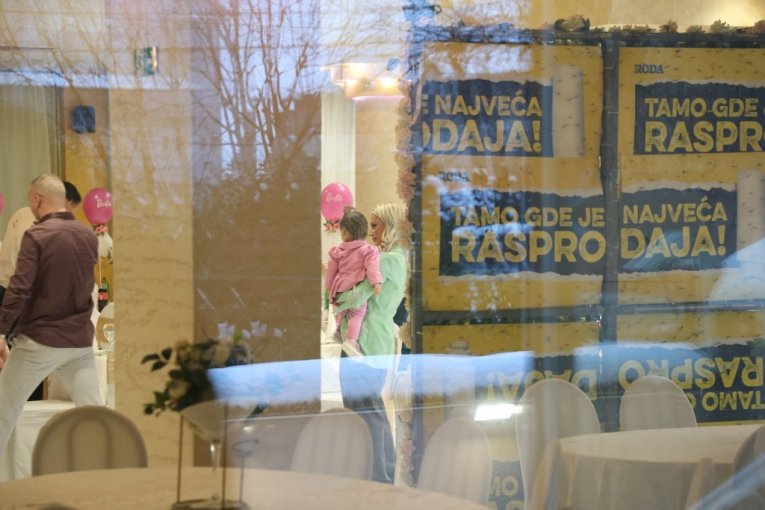
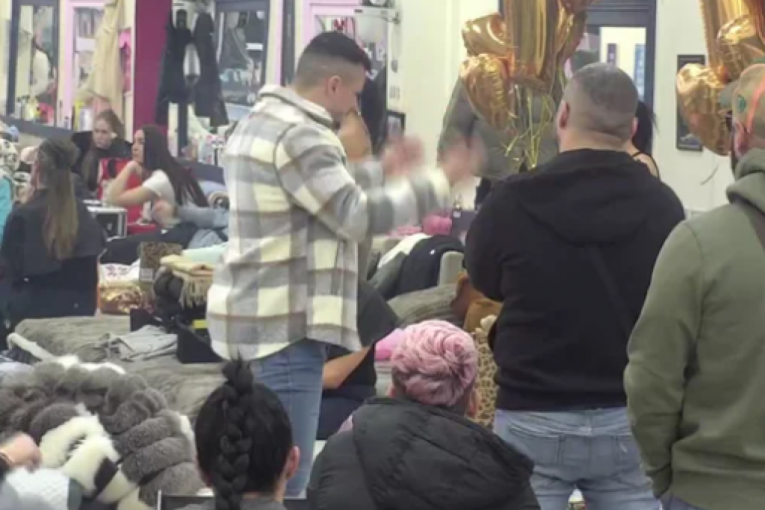
- They would likely agree on the core factual elements: that Terza received special permission from the reality show to attend; that there was interruption of the ceremony in the church; that Milica at least once demanded Terza leave; and that the celebration afterward featured a highly produced, Barbie-themed party focusing on the child.
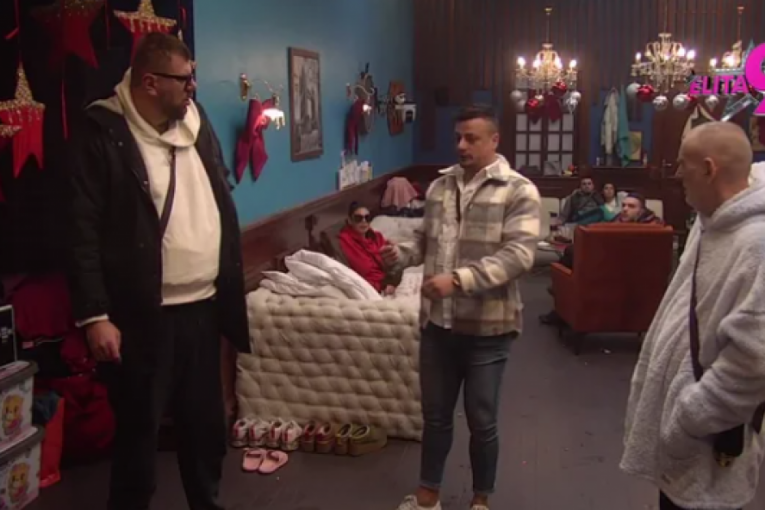
- Both perspectives would also converge on the point that the event became a media spectacle, with cameras, microphones, and reality-TV logistics strongly influencing how the baptism unfolded and how the couple’s private conflict was turned into public content.
Points of Divergence in Framing and Blame
- Pro-government outlets (based on the available coverage) depict Milica primarily as the source of the "haos" and scandal, stressing that she expelled Terza from the church, allegedly prioritized media attention and appearances over the father–daughter relationship, and even provoked Terza’s family by sharing selective clips and not inviting them to key moments.
- These same outlets heavily emphasize Terza’s role as a wronged but loving father: he is shown as emotional, grateful to the TV producers for permission to attend, bearing symbolic gifts (a stuffed lion and a golden rosary), and being repeatedly victimized by Milica’s decisions and by the constraints of reality TV logistics.
- An opposition press, by contrast (though not represented in the provided articles), would be more likely to shift emphasis away from personal moral judgment of Milica and toward criticizing the reality-show machinery and media ecosystem: highlighting the role of the production team in wiring Terza, pushing for recordings inside the church, and turning a sacrament into a ratings-driven event, while questioning how pro-government tabloids deploy this family drama to distract from broader political or social issues.
In sum, while all sides would treat the christening as a chaotic and emotionally charged media event, pro-government outlets center a narrative of Milica’s culpability and Terza’s victimhood, whereas a hypothetical opposition framing would more sharply target the reality-show infrastructure and its political-media incentives rather than reducing the story to a one-sided morality play.
Story coverage